From Liverpool
With Love
Fifty designs. Five chapters. One love letter
to the greatest story in music.
This is not merchandise. This is a story — told in cotton and ink, in numbers that only true fans recognize. Every design is a chapter. Every chapter is a room in a museum that never closes.
BEGIN THE STORY ↓292 NIGHTS UNDERGROUND
They played 292 nights in the dark. On the 293rd, someone turned on the lights.

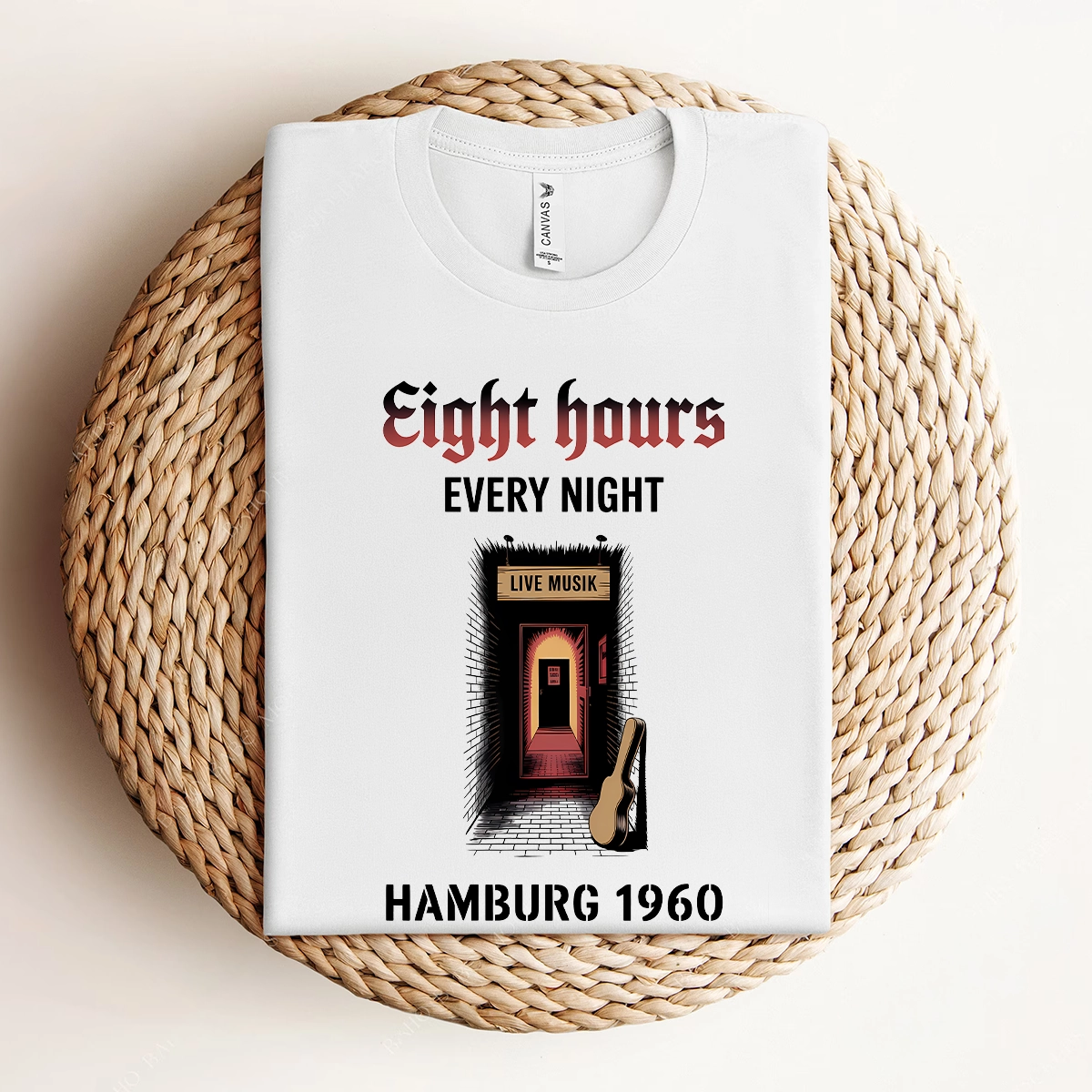

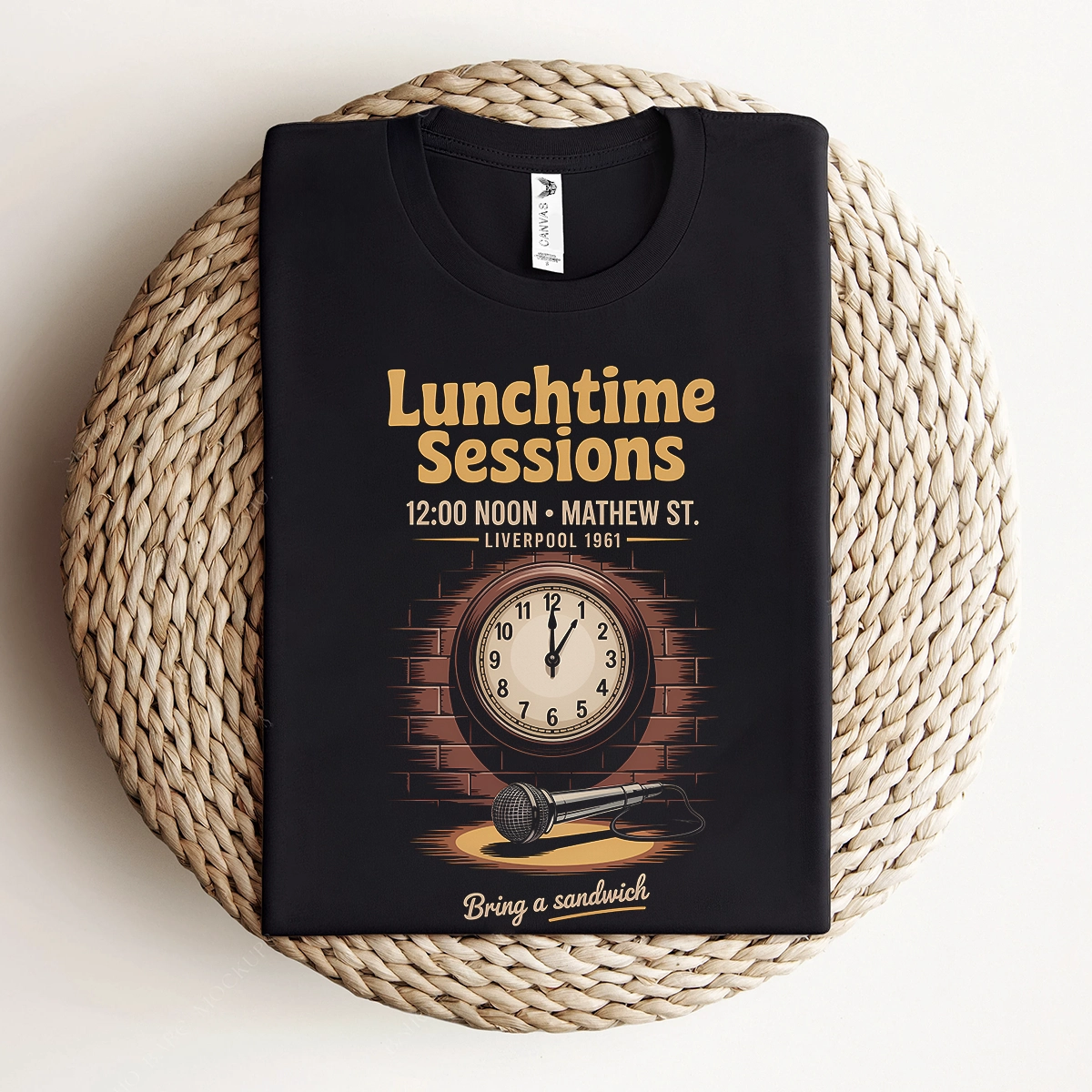

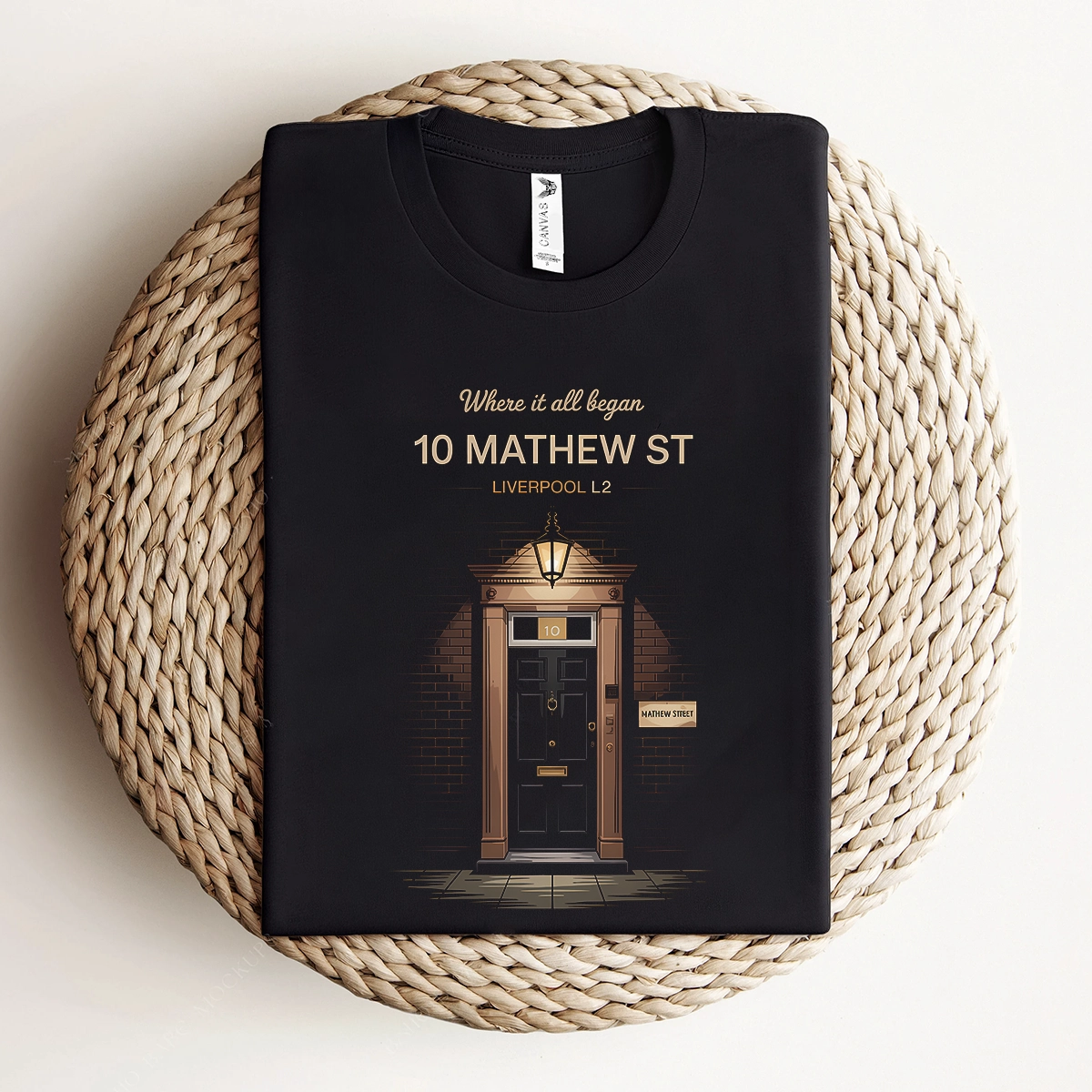




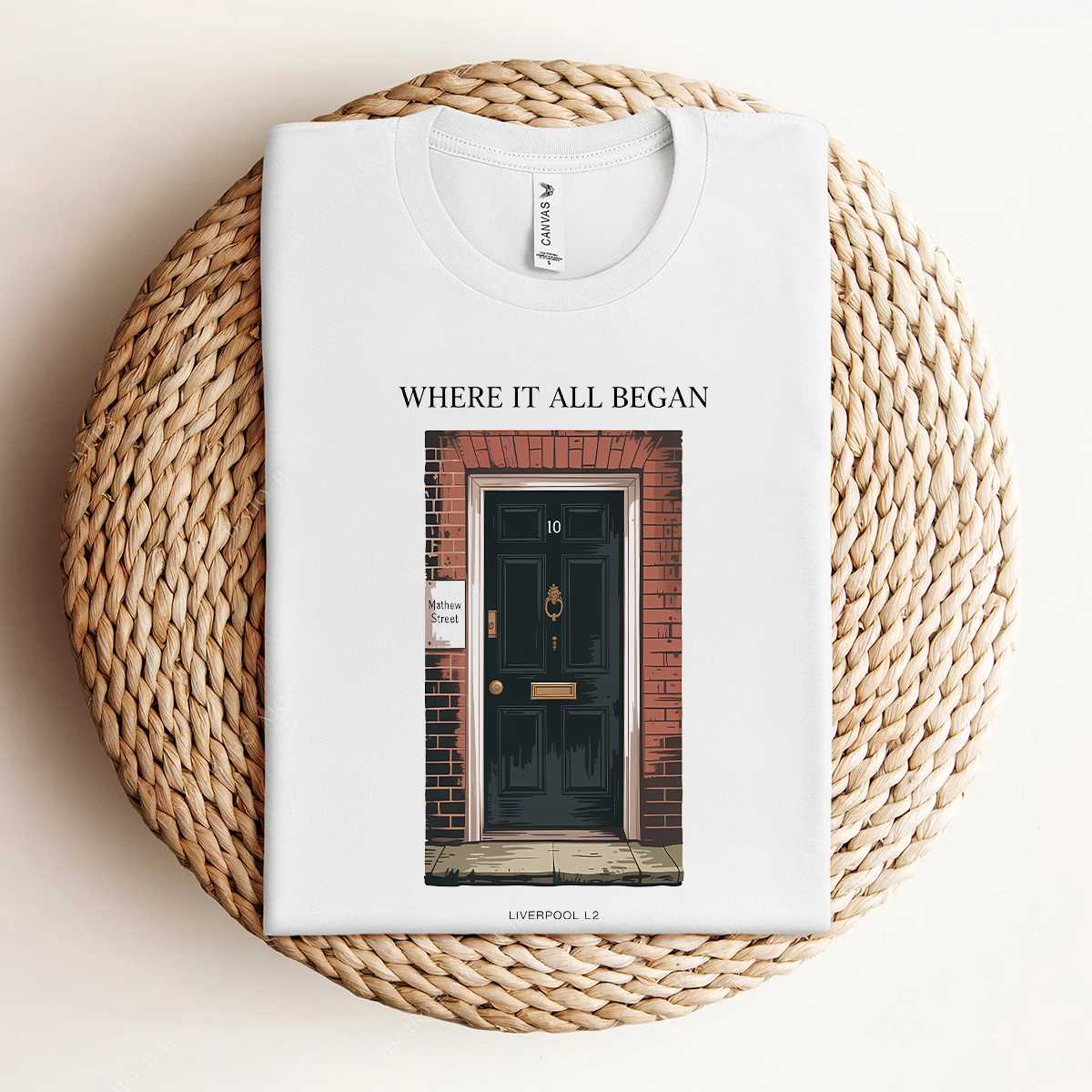
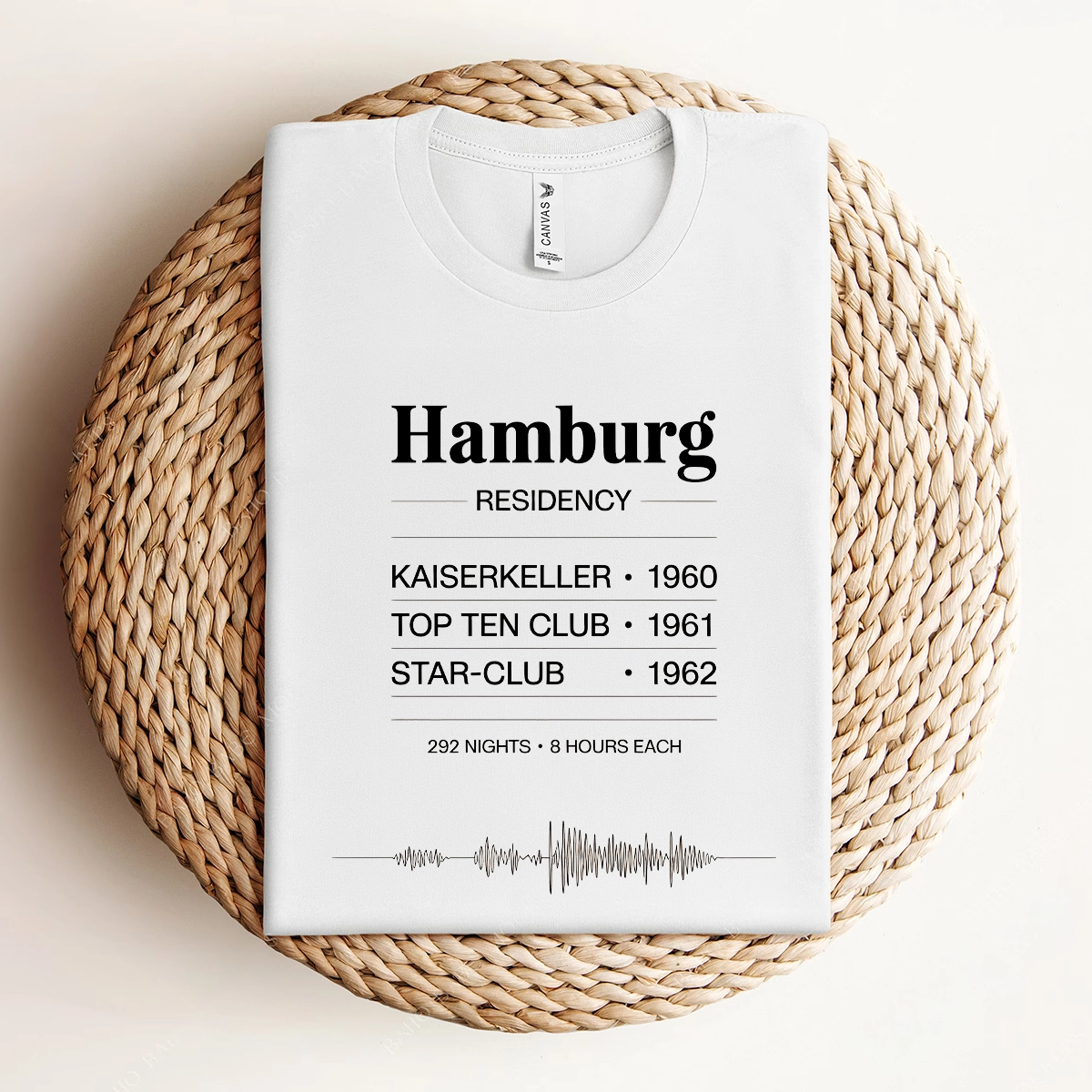
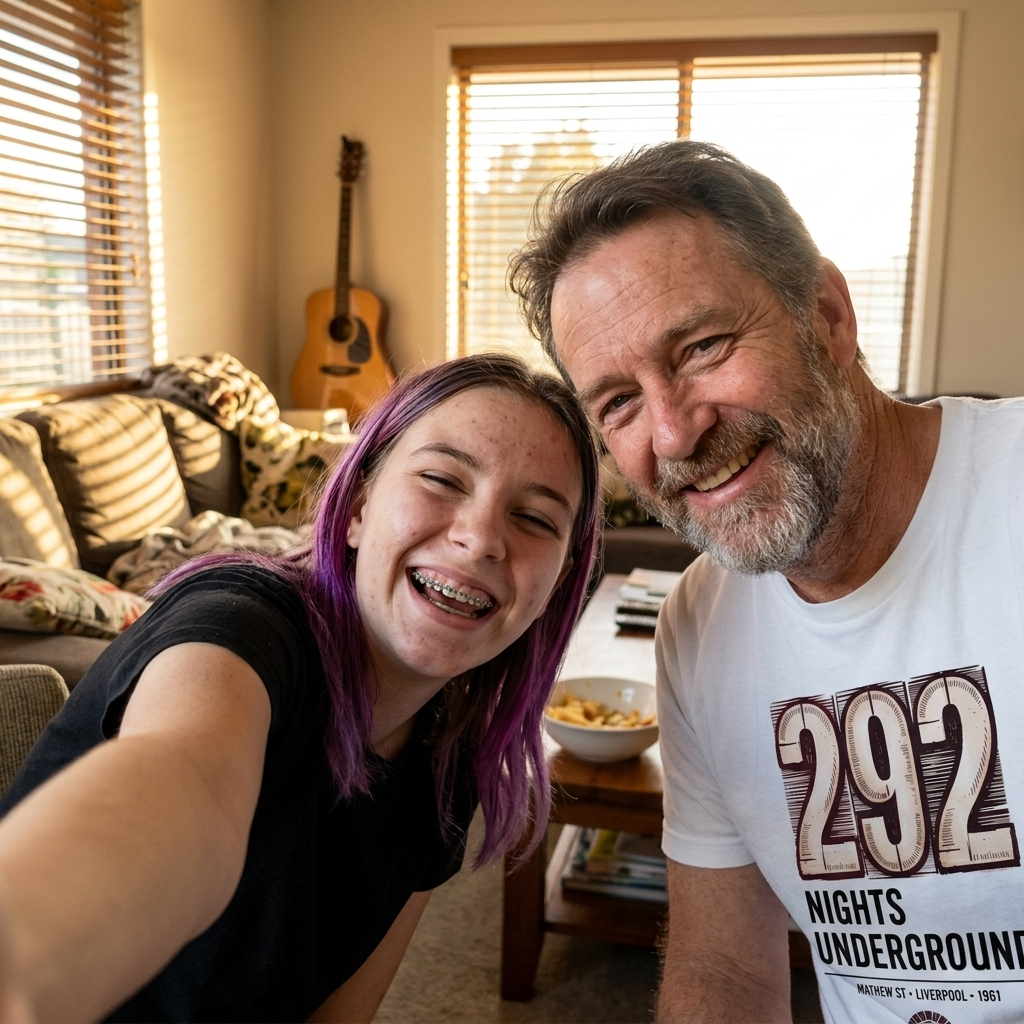
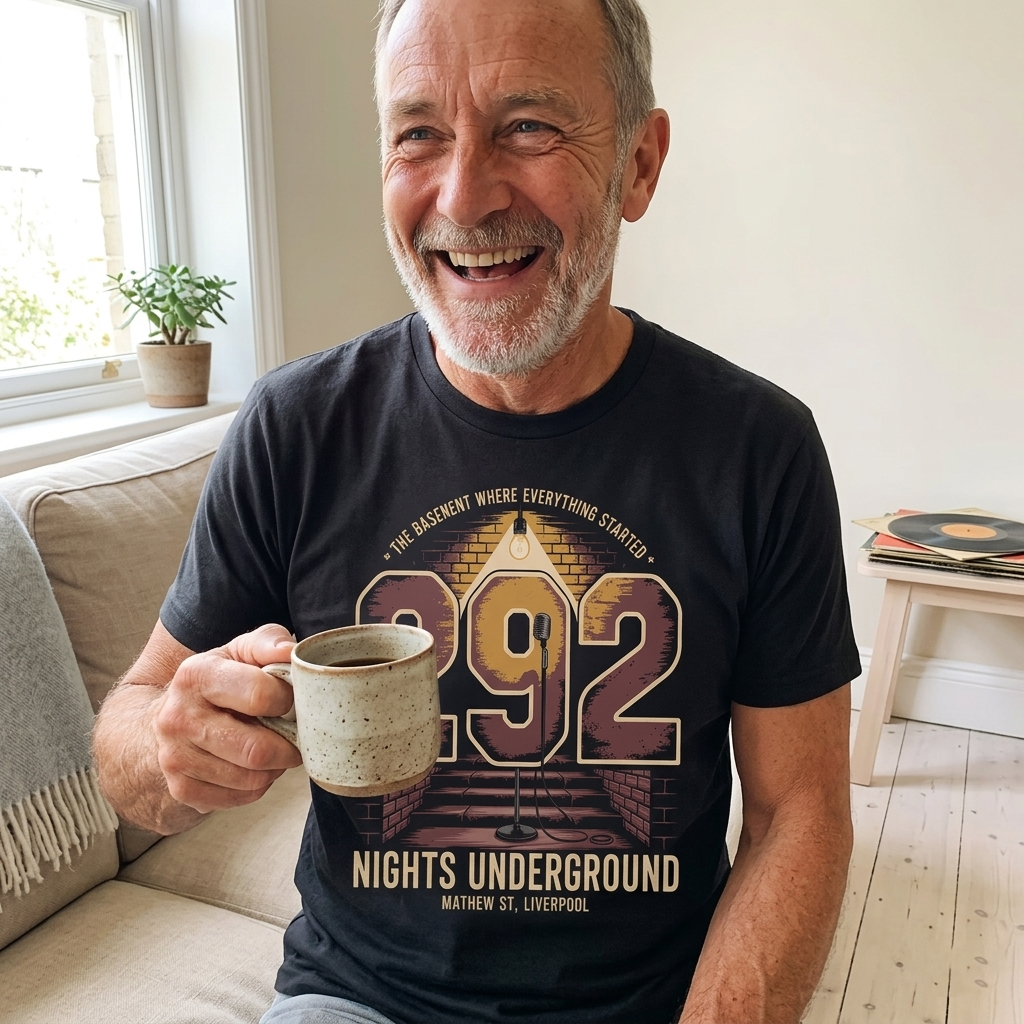
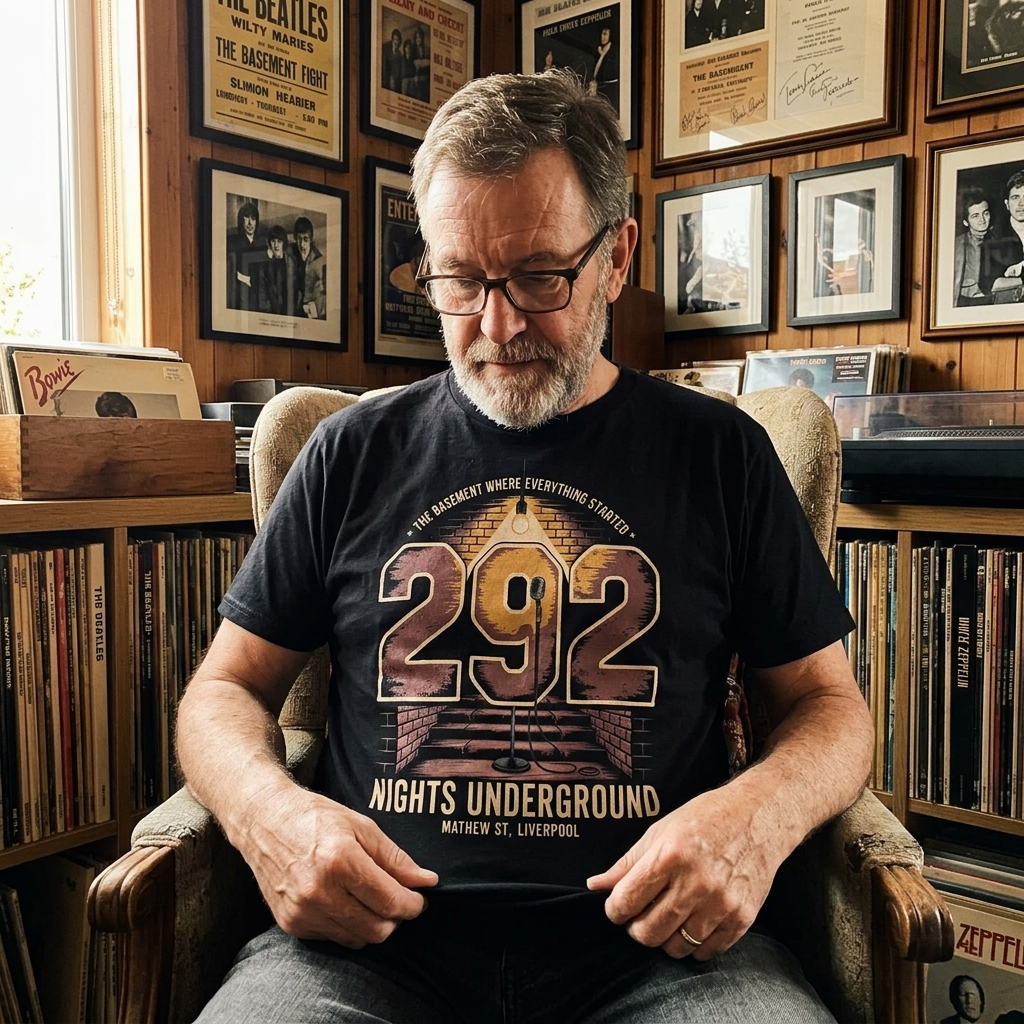
292 nights they played in that basement. Two hundred and ninety-two evenings of lunchtime sets for factory workers eating sandwiches, of late-night shows for art students and sailors on leave. Nobody recorded it. Nobody photographed most of it. The basement didn't care about posterity — it only cared about sound.
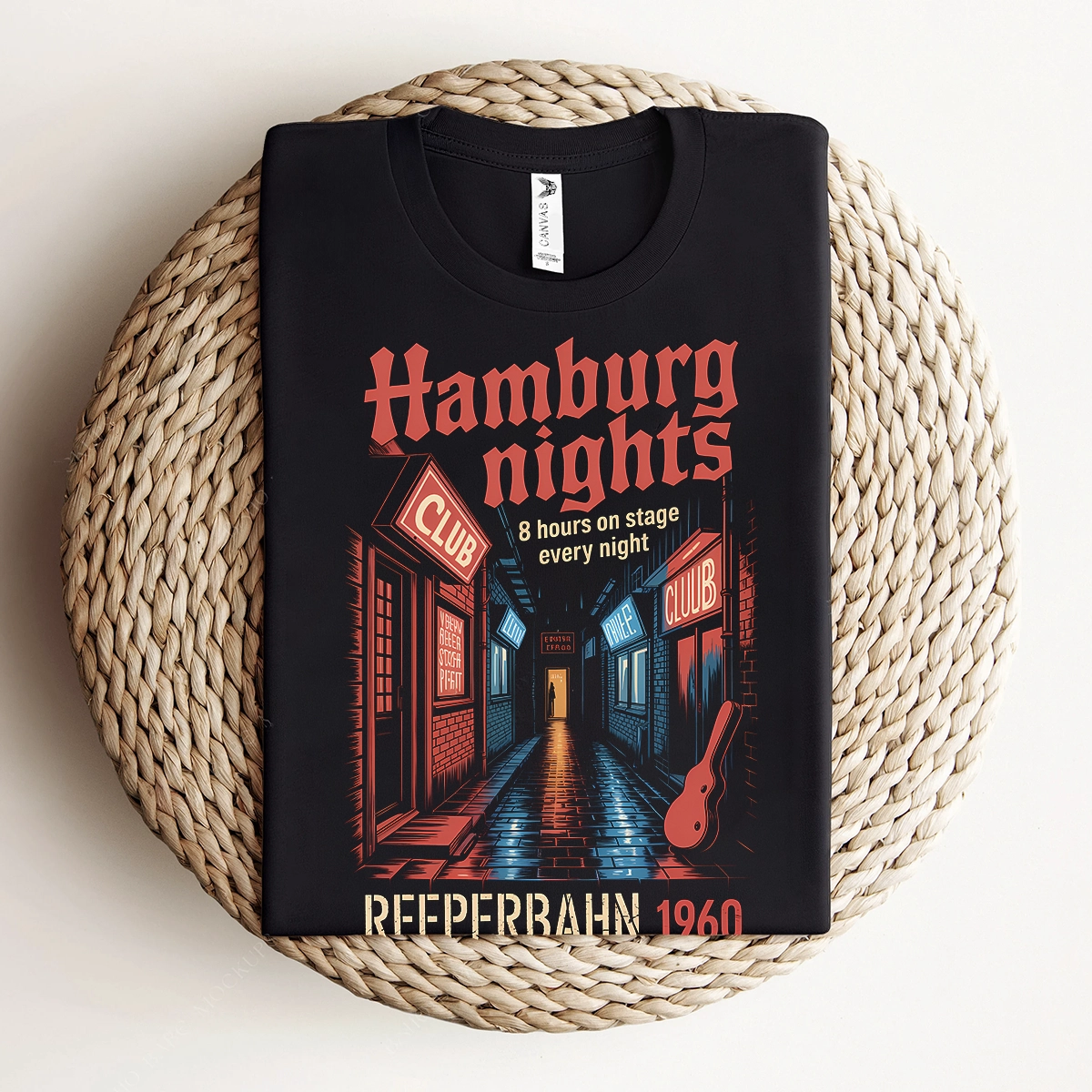
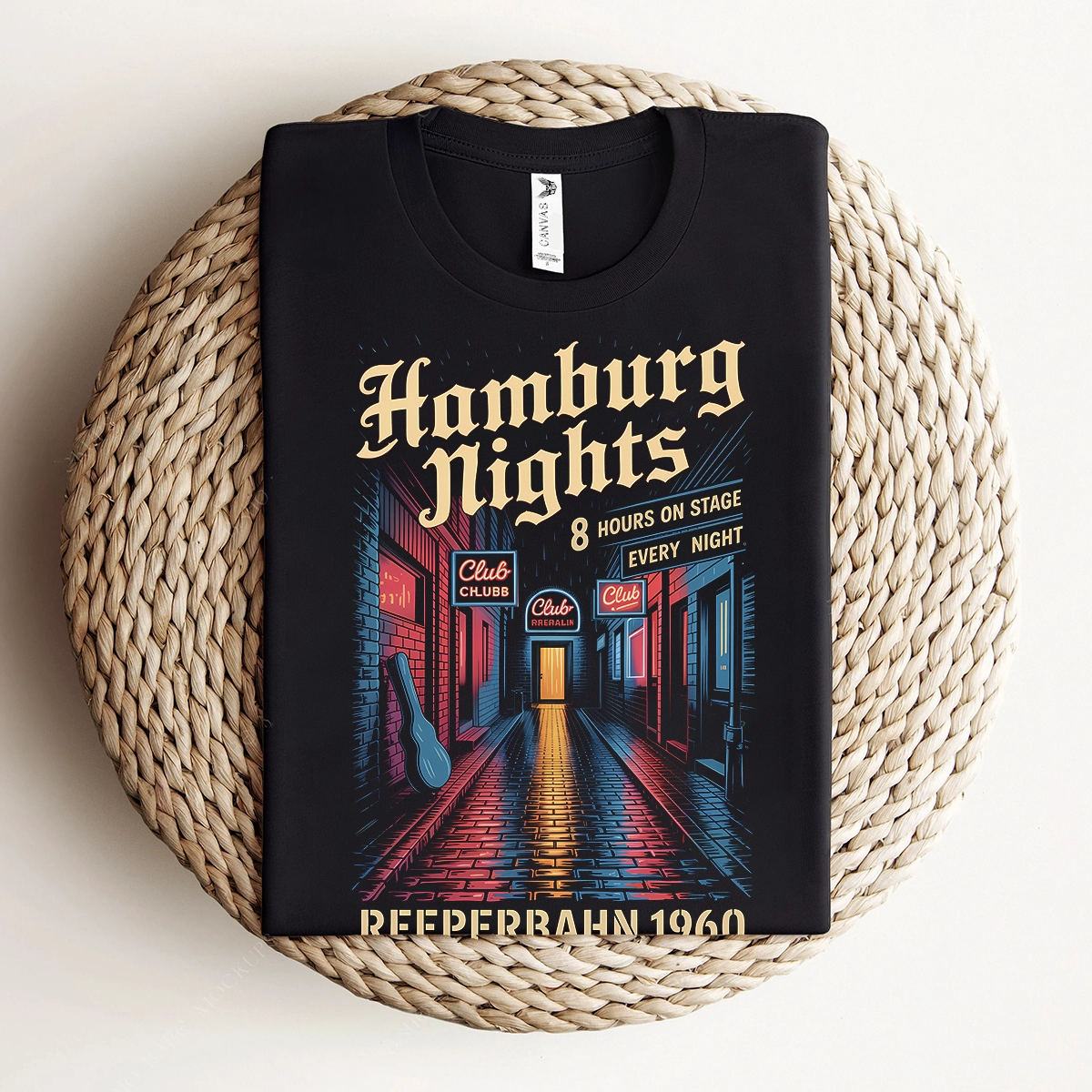
Before that, there was Hamburg. The Reeperbahn at 3am, where a club owner screamed "Mach Schau!" — make a show — and four teenagers who could barely play learned to perform by playing eight hours a night, every night, for months. They went to Germany as boys. They came back as musicians.
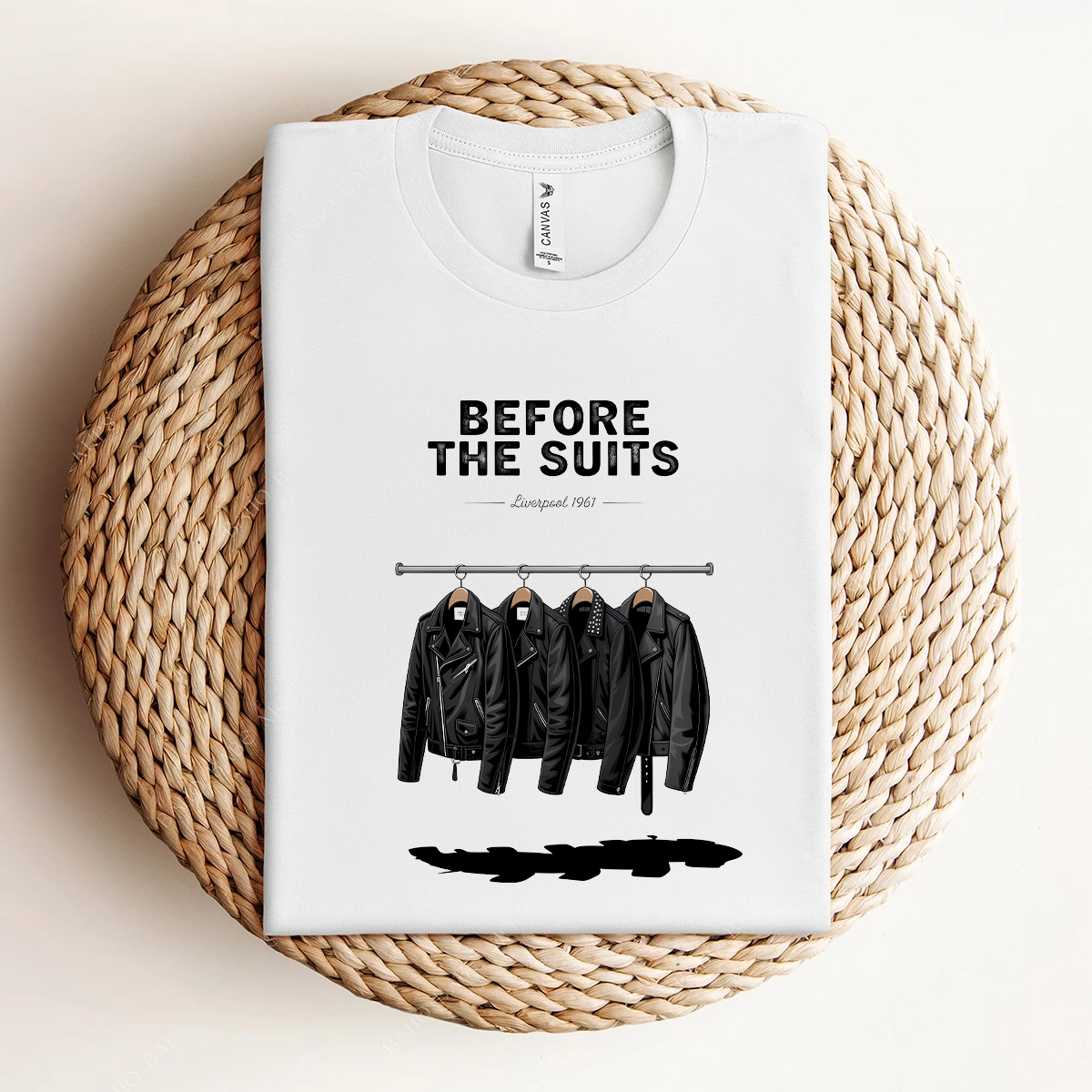
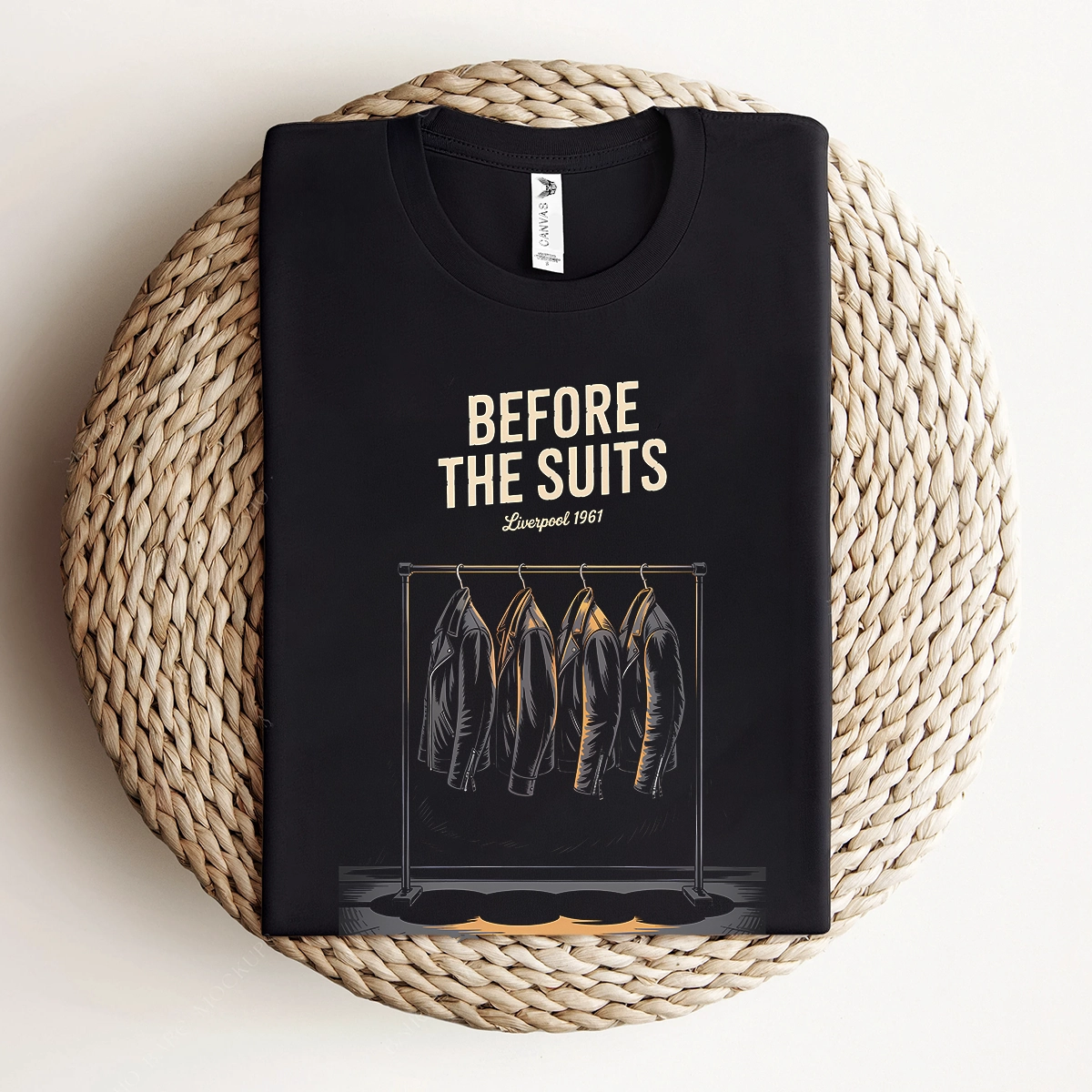
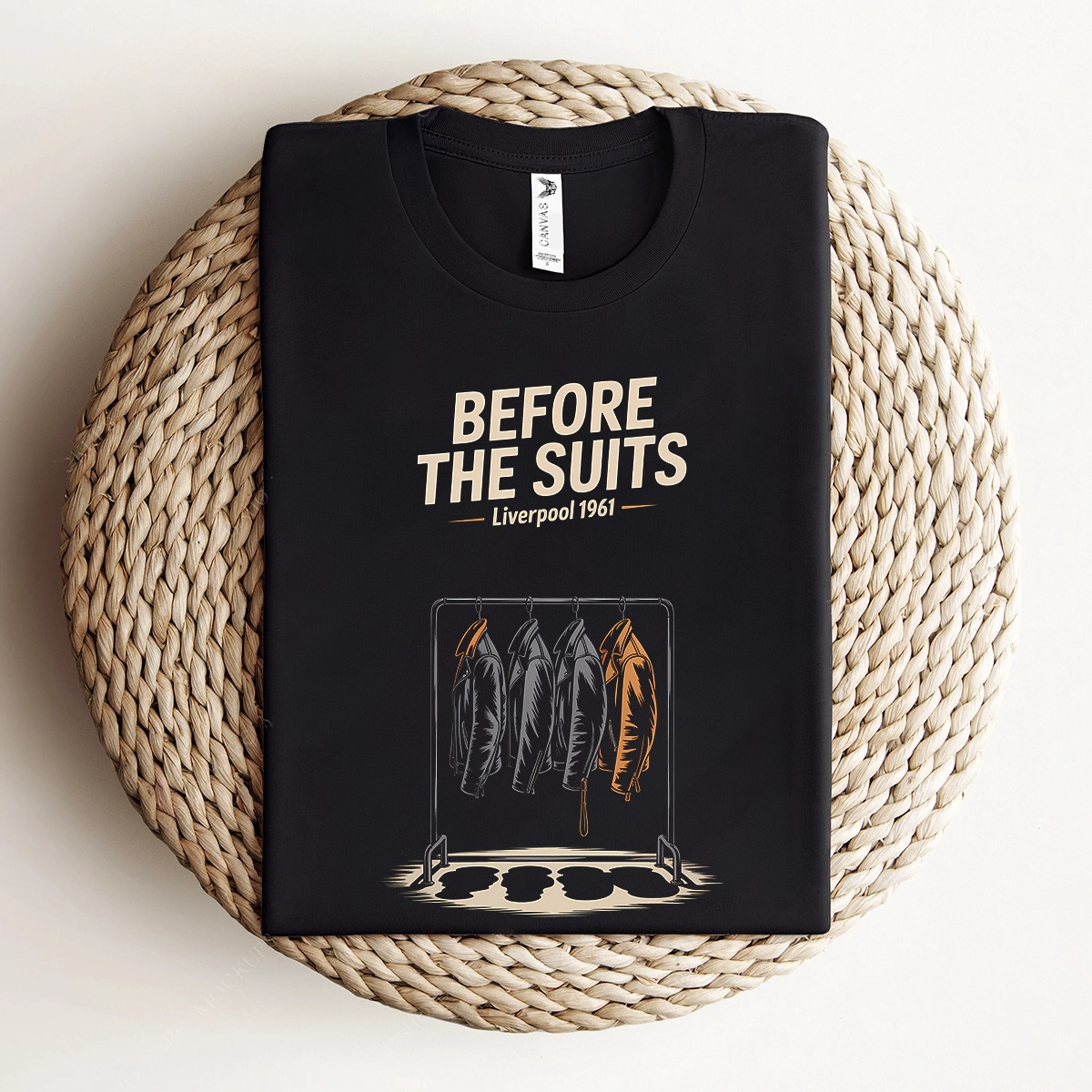
And then, on January 1st, 1962, they drove to London for an audition. They played fifteen songs. A man in a suit listened, thanked them politely, and said no.
"Guitar groups," he reportedly said, "are on the way out."
He was wrong. But they didn't know that yet. All they knew was the basement, and the basement was enough.







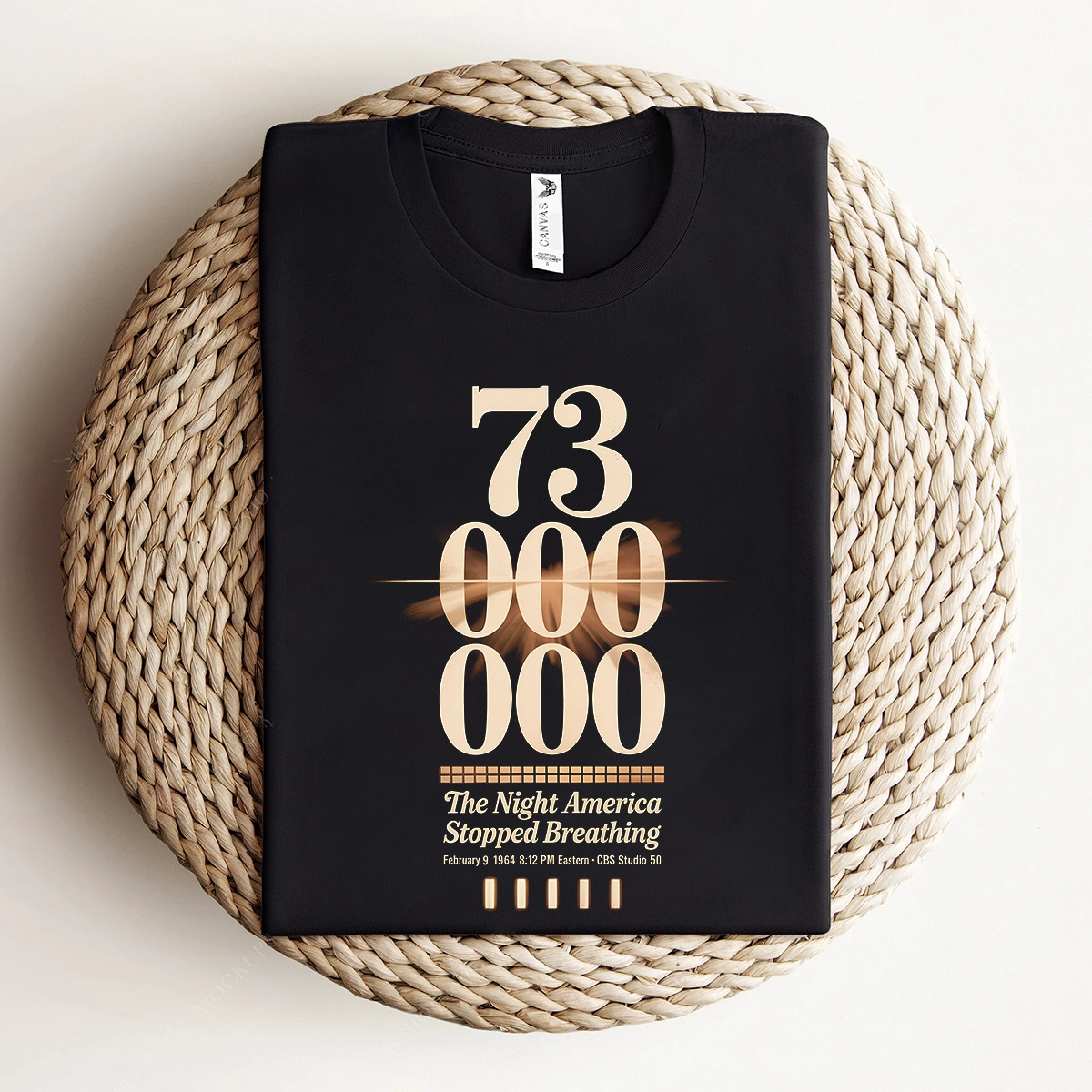
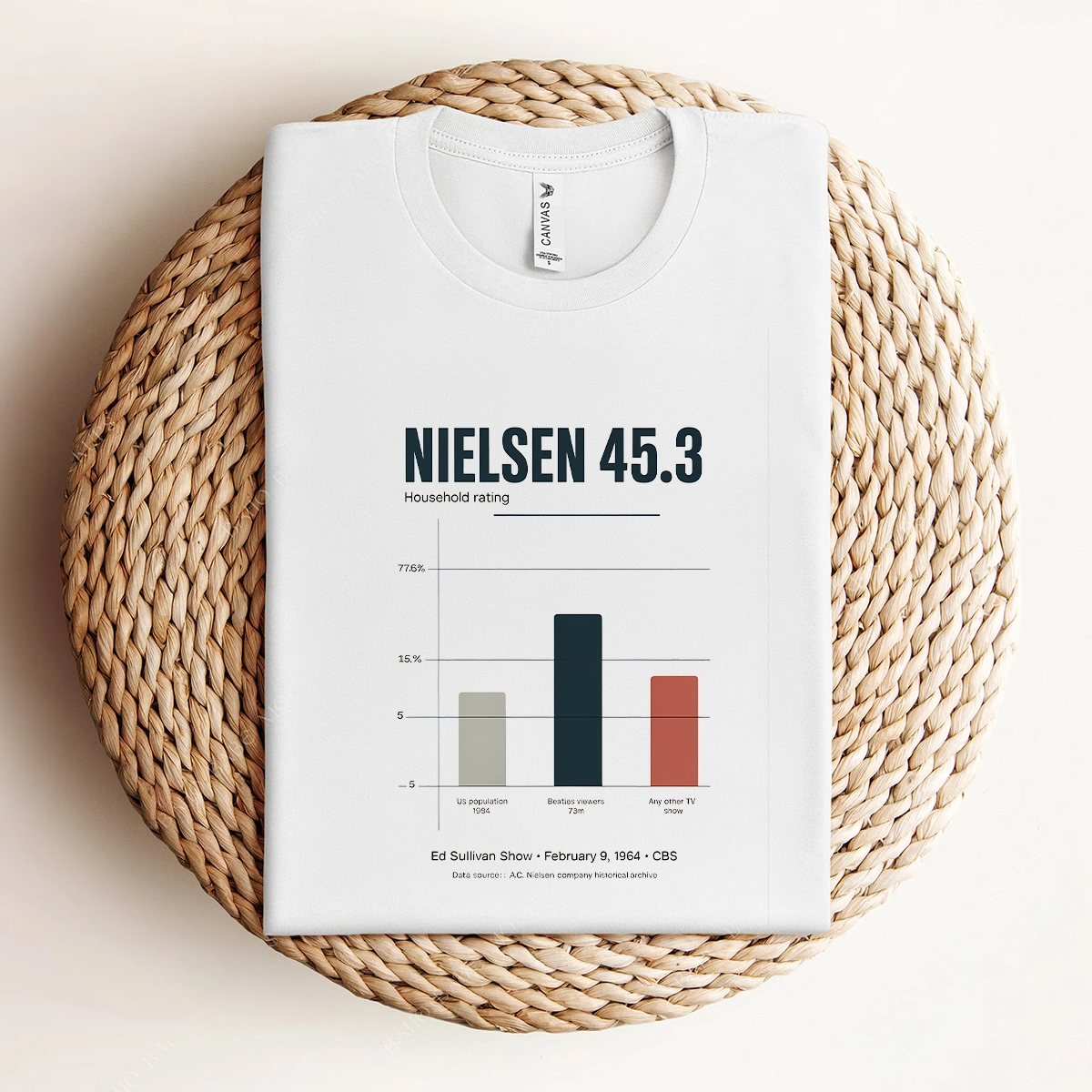
73 MILLION WATCHED
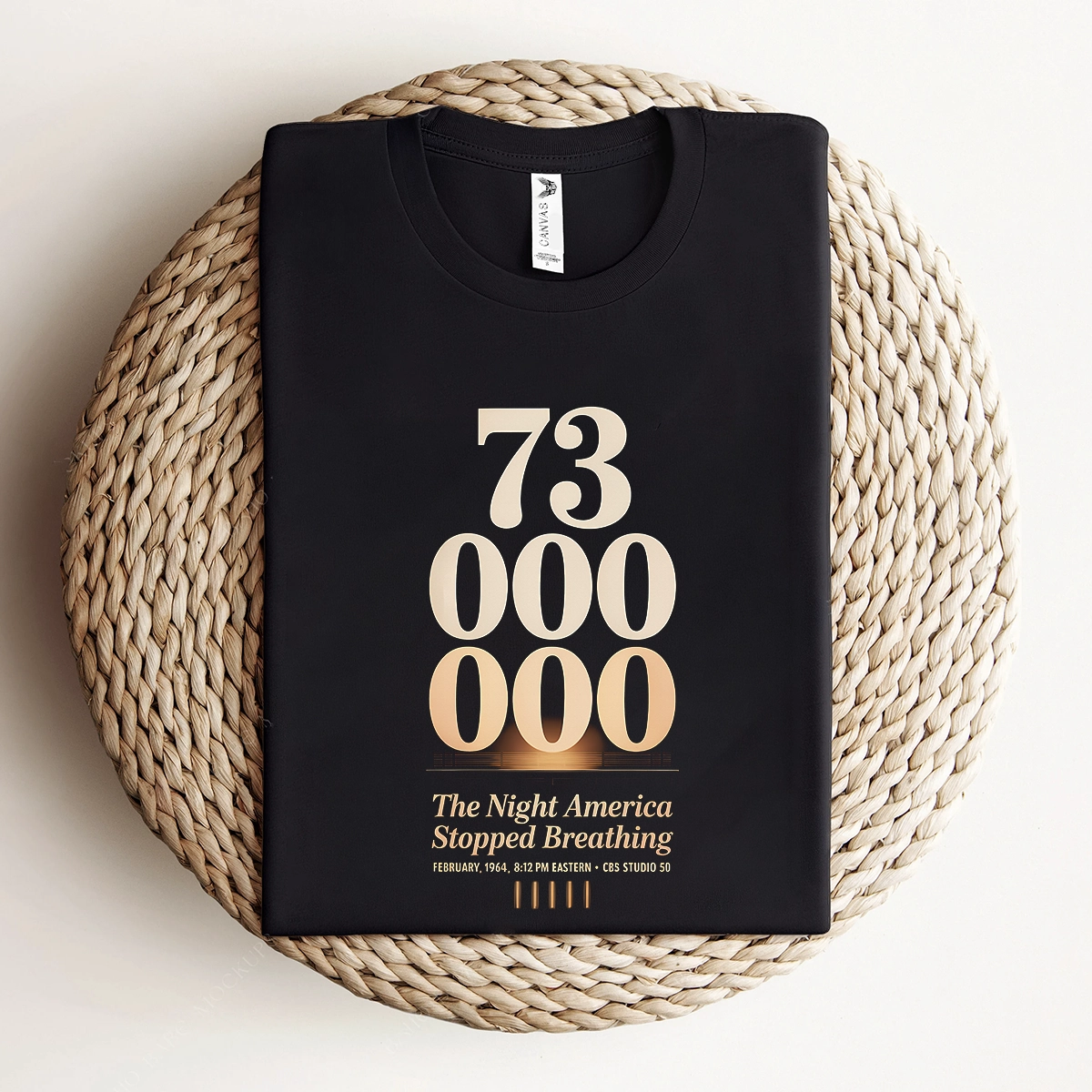
73 million watched. The world was never quiet again.



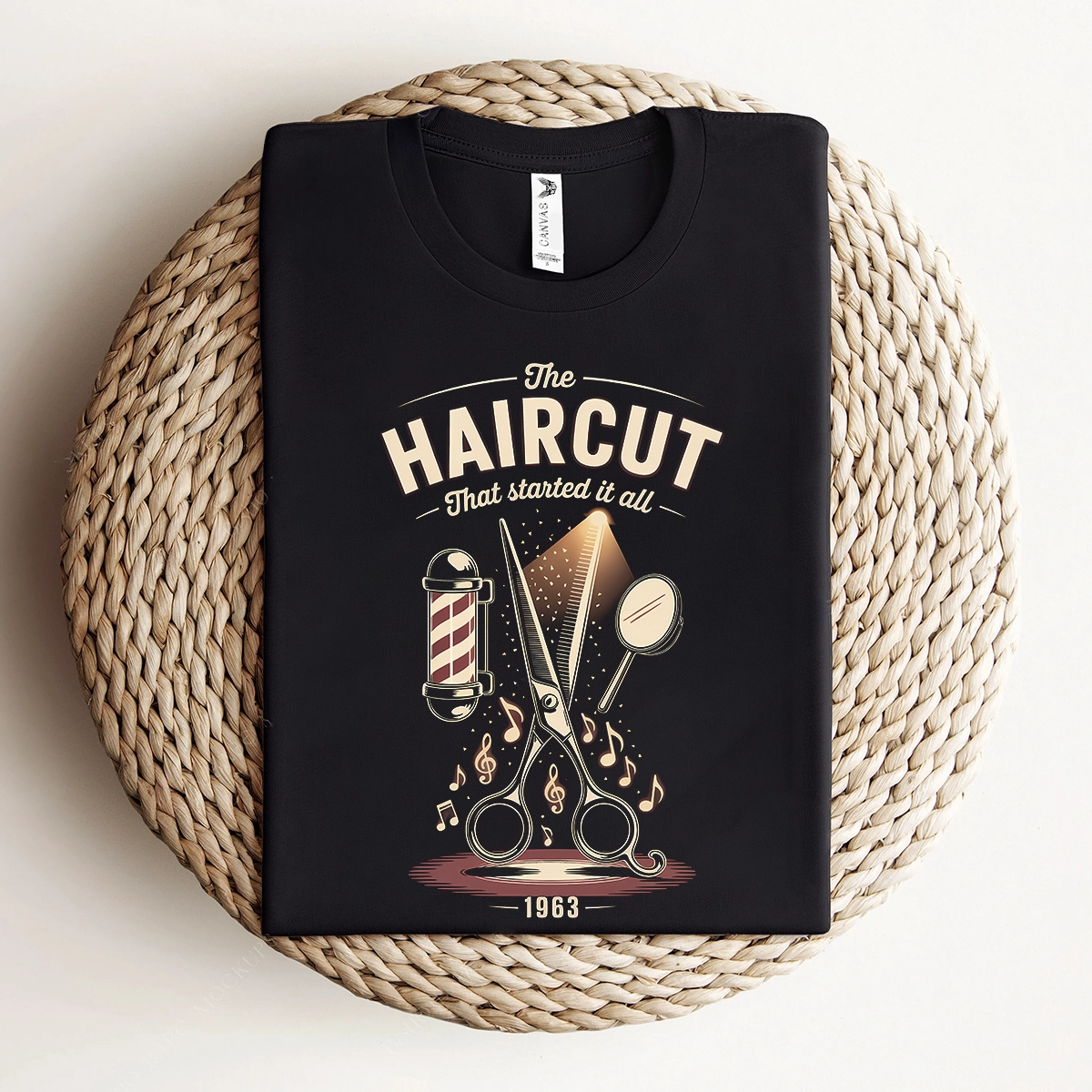
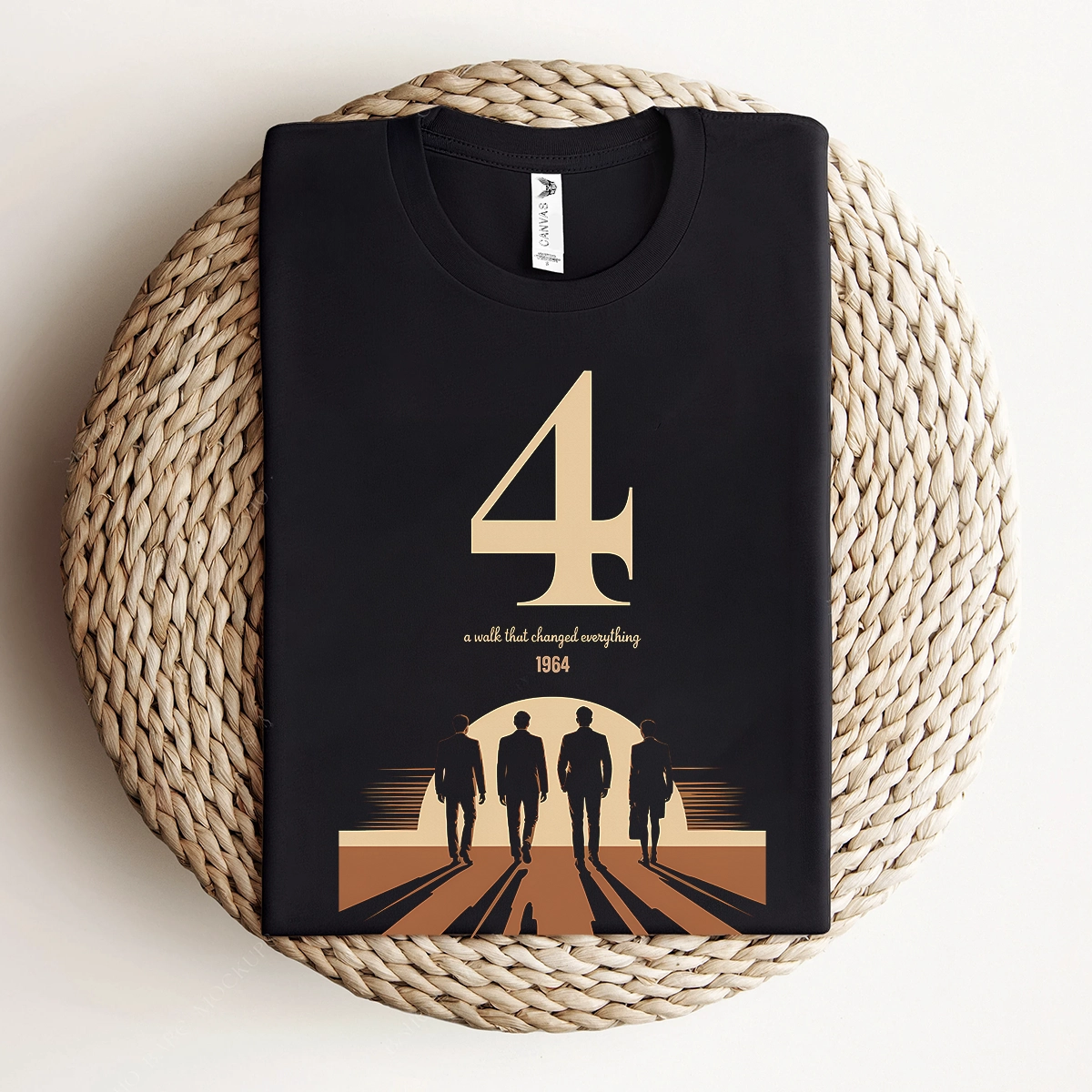

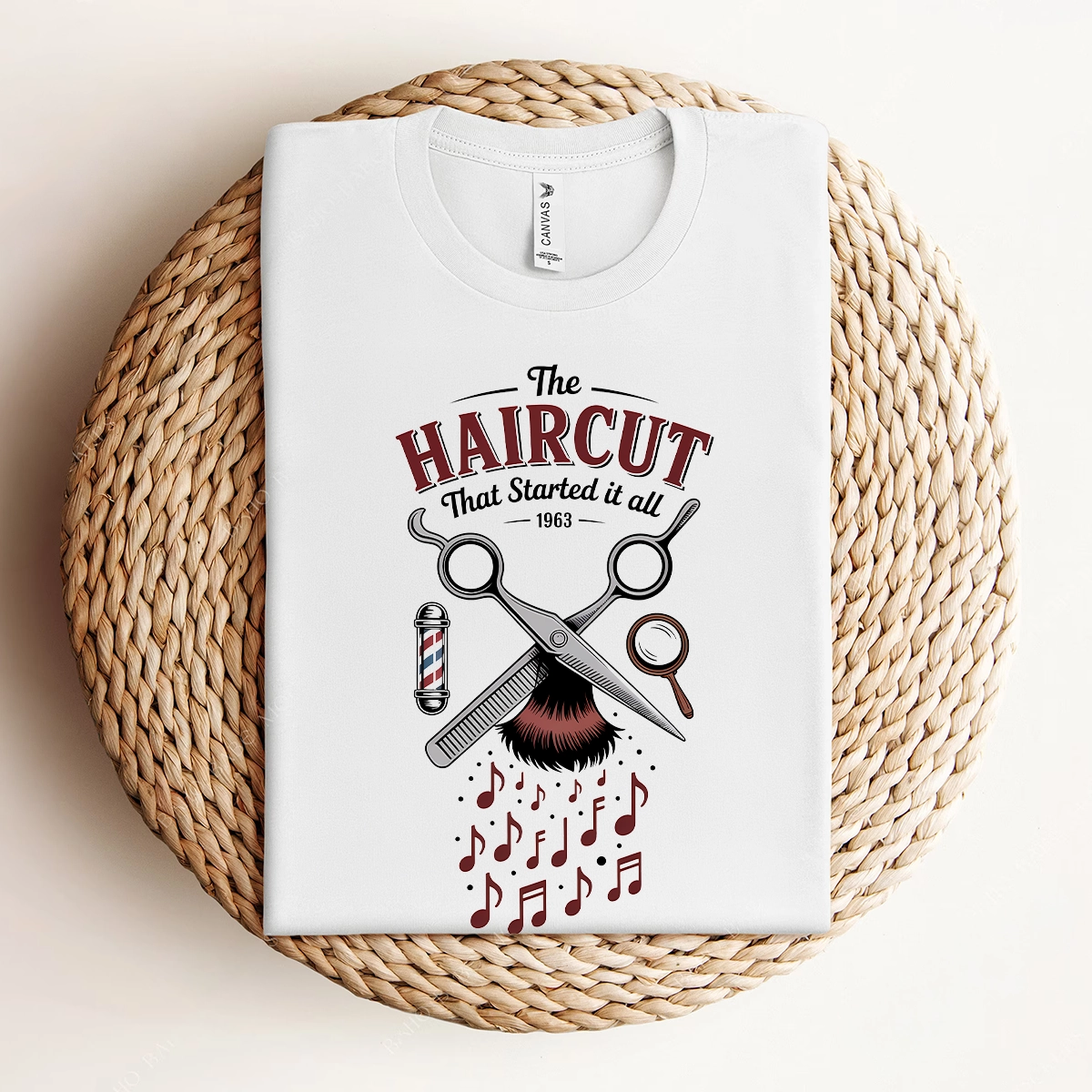
They called it Beatlemania. The word didn't exist before them.
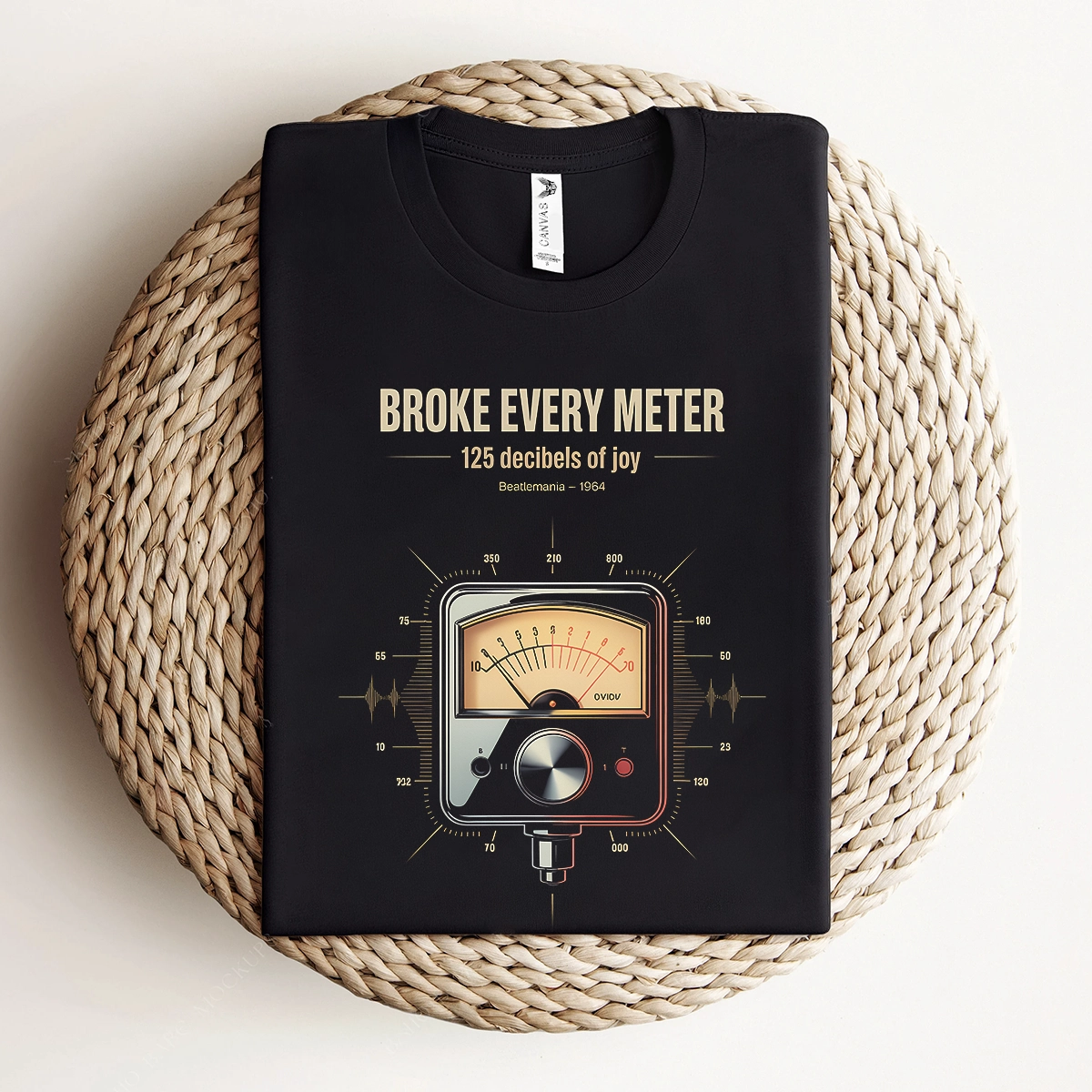
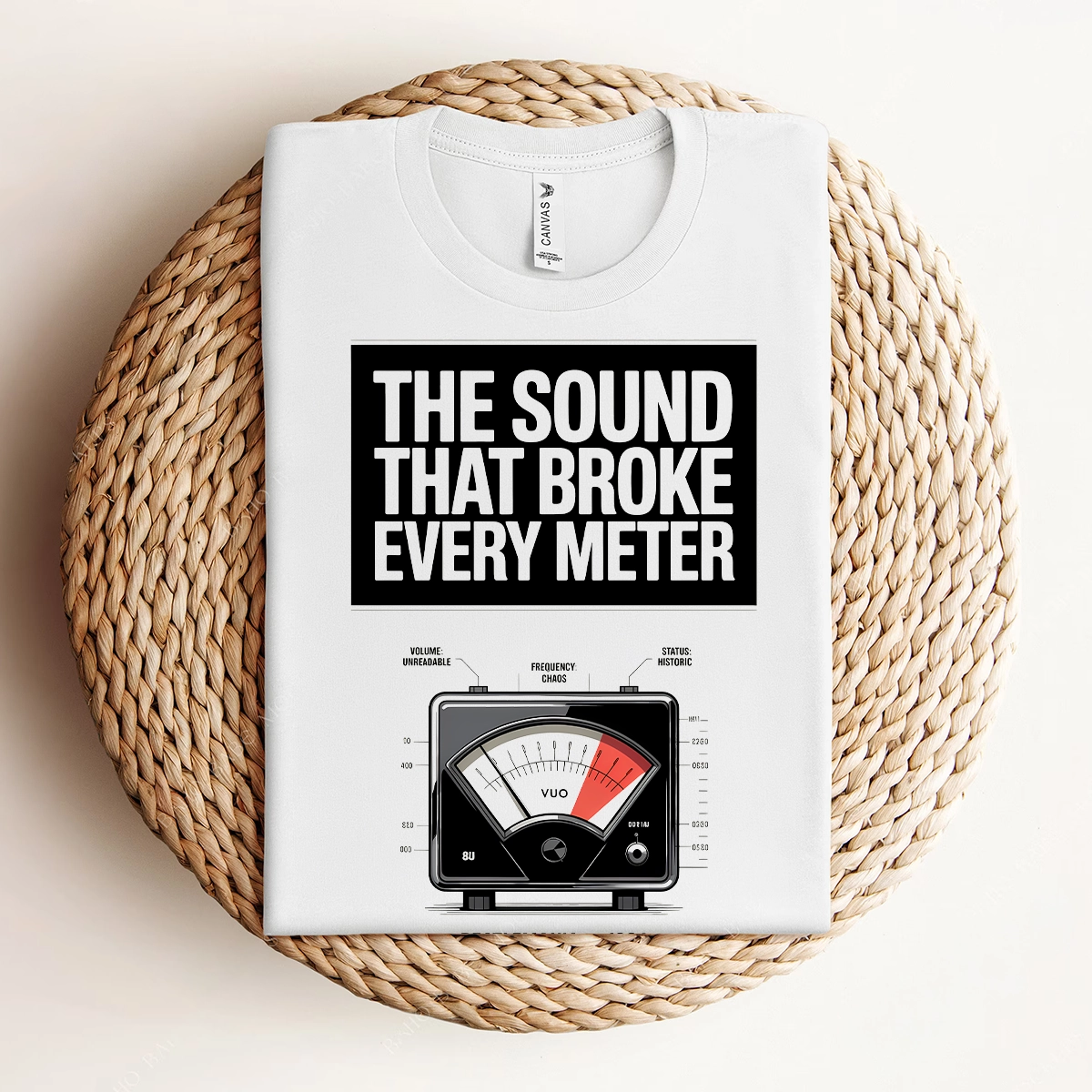
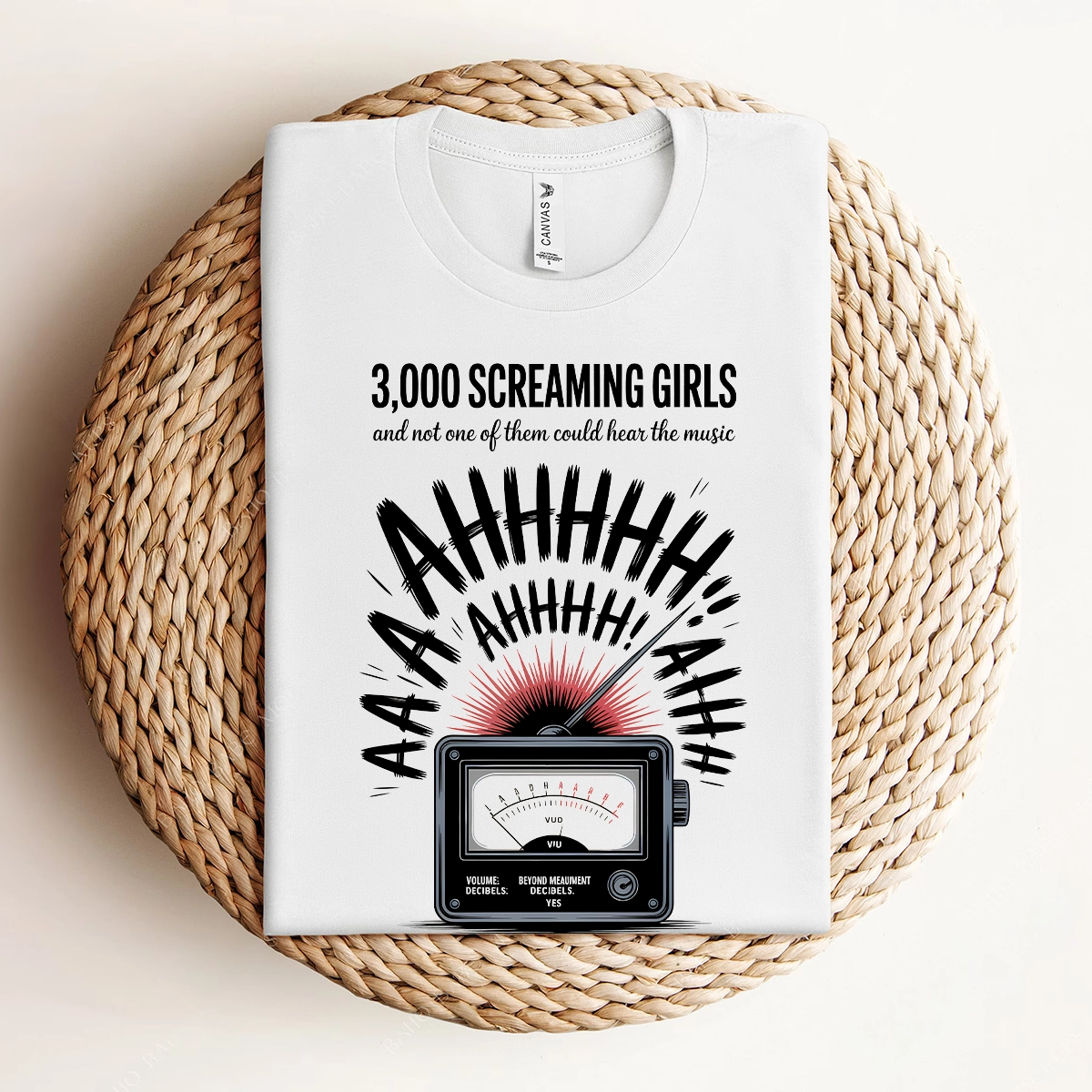
At Kennedy Airport, three thousand fans waited on the tarmac. At concerts, the volume of screaming was measured at 114 decibels — louder than a jet engine. Girls fainted. Police formed human barricades. Journalists, who had covered wars and elections, stood open-mouthed, unable to explain what they were witnessing.
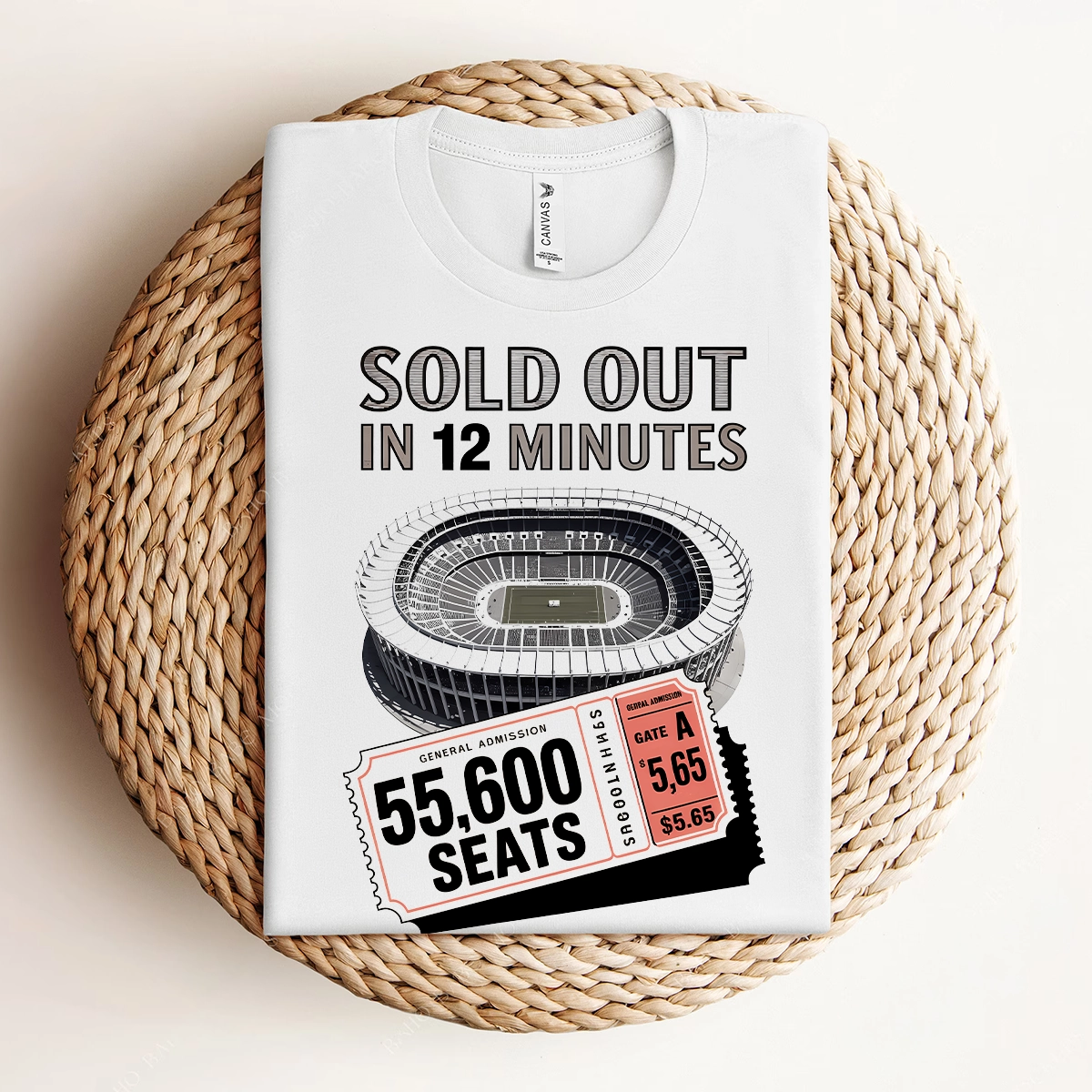
On August 15th, 1965, they played to 55,600 people in a New York stadium. The tickets sold out in twelve minutes. Twelve minutes. The music was inaudible over the screaming, and yet nobody cared — because being there was the point. Presence was the performance.
Four men from a port city in northern England had, in eighteen months, become the most famous human beings on the planet.


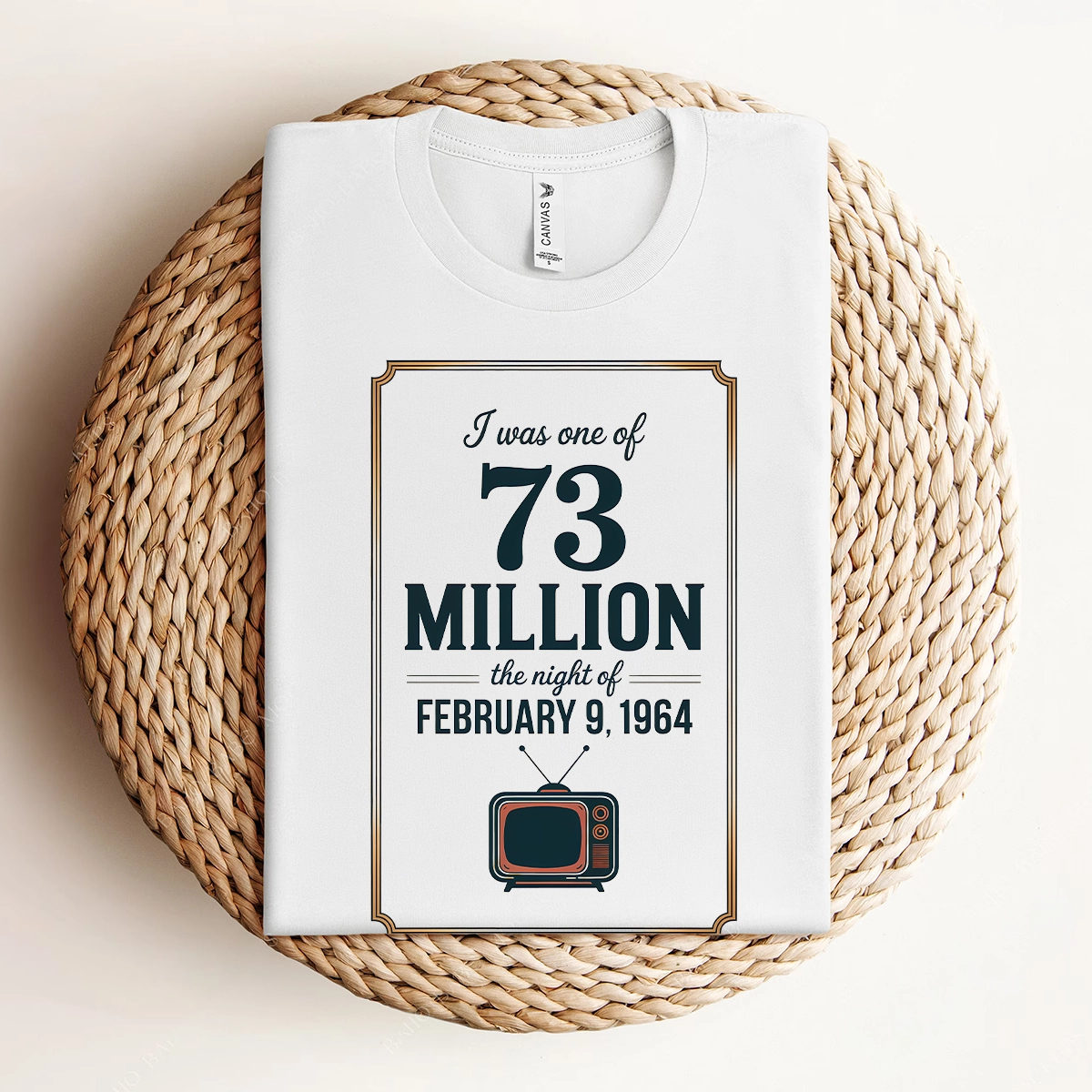
Chapter II
73 Million — The Night America Stopped Breathing — Vintage Rock Tee — Commemorative Edition
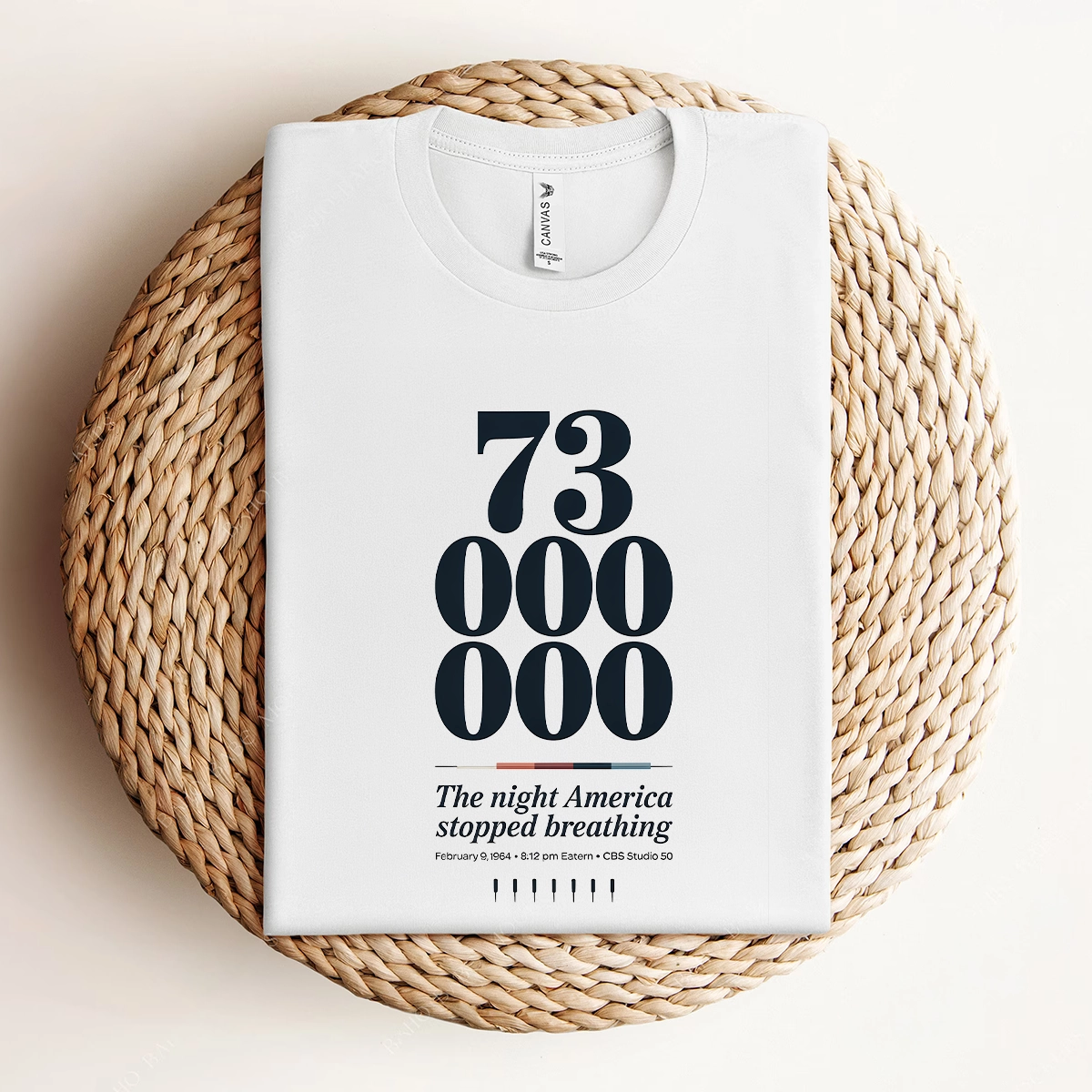
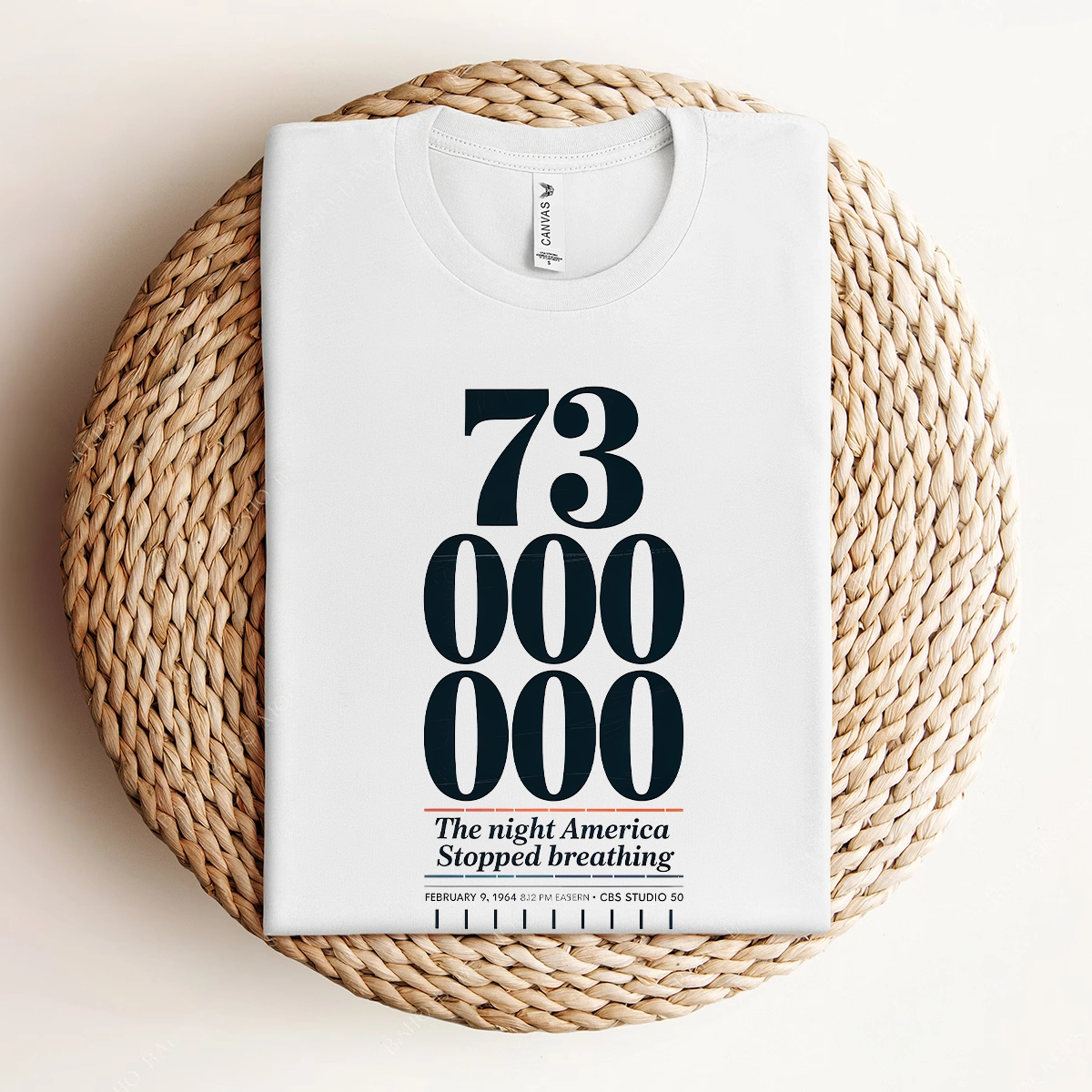

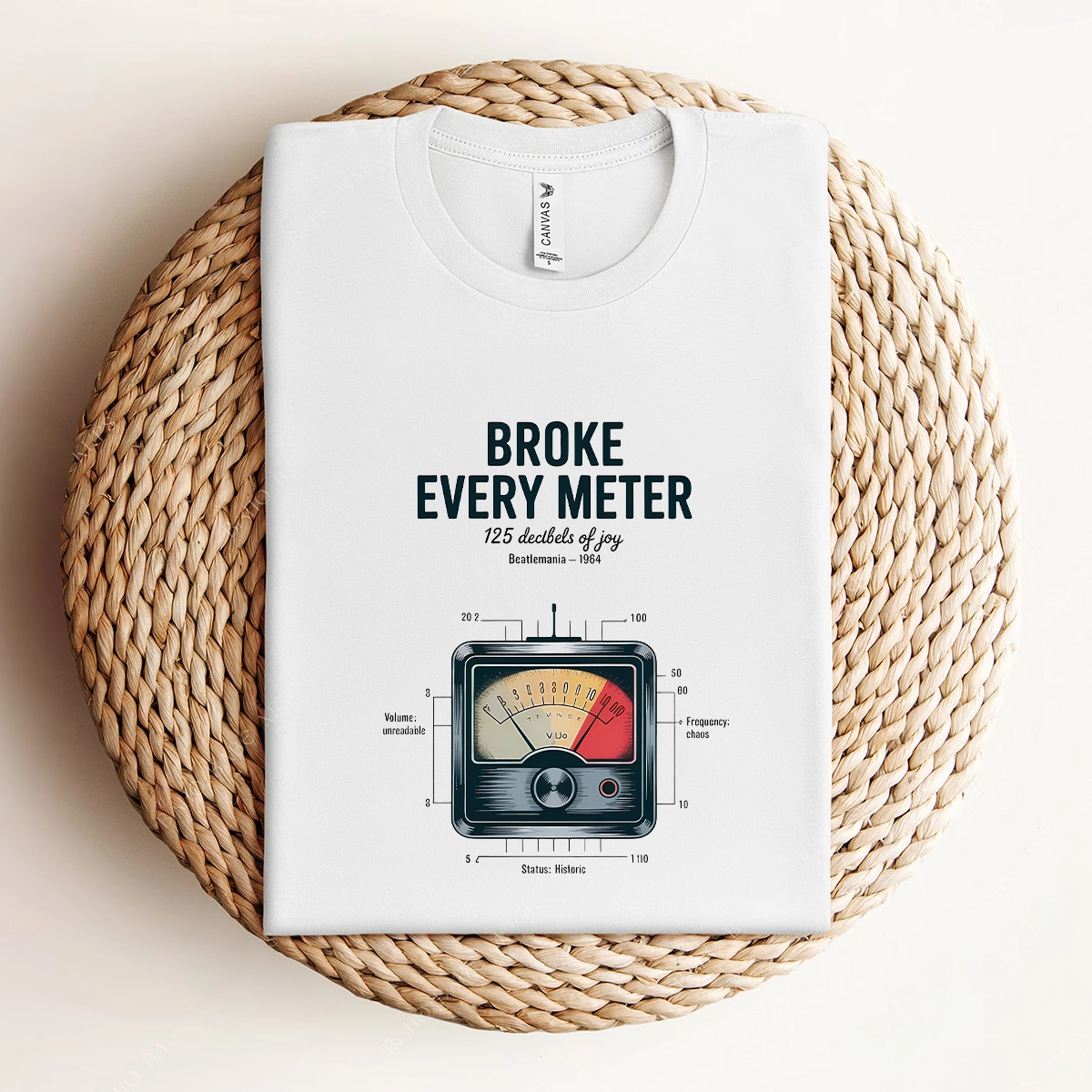

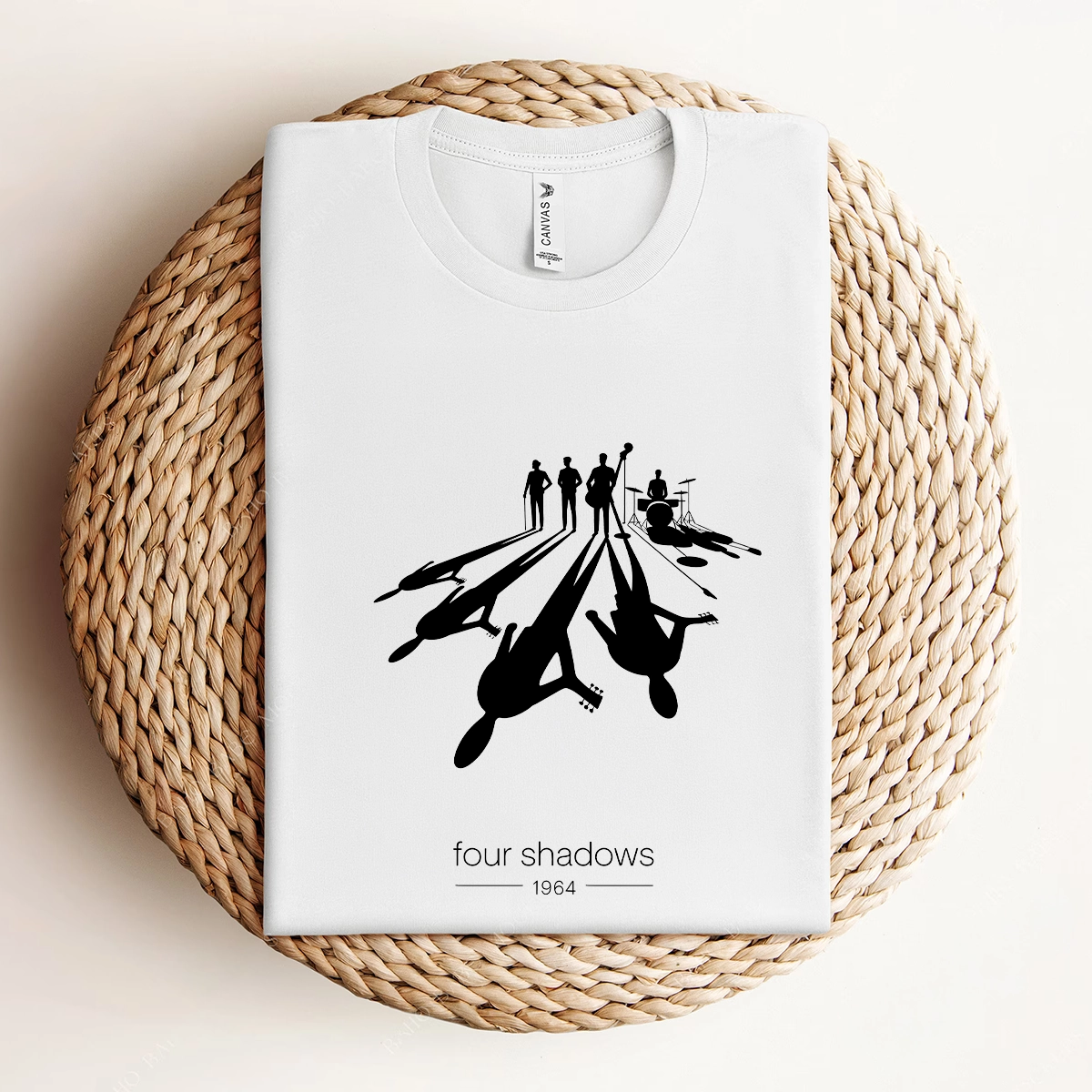
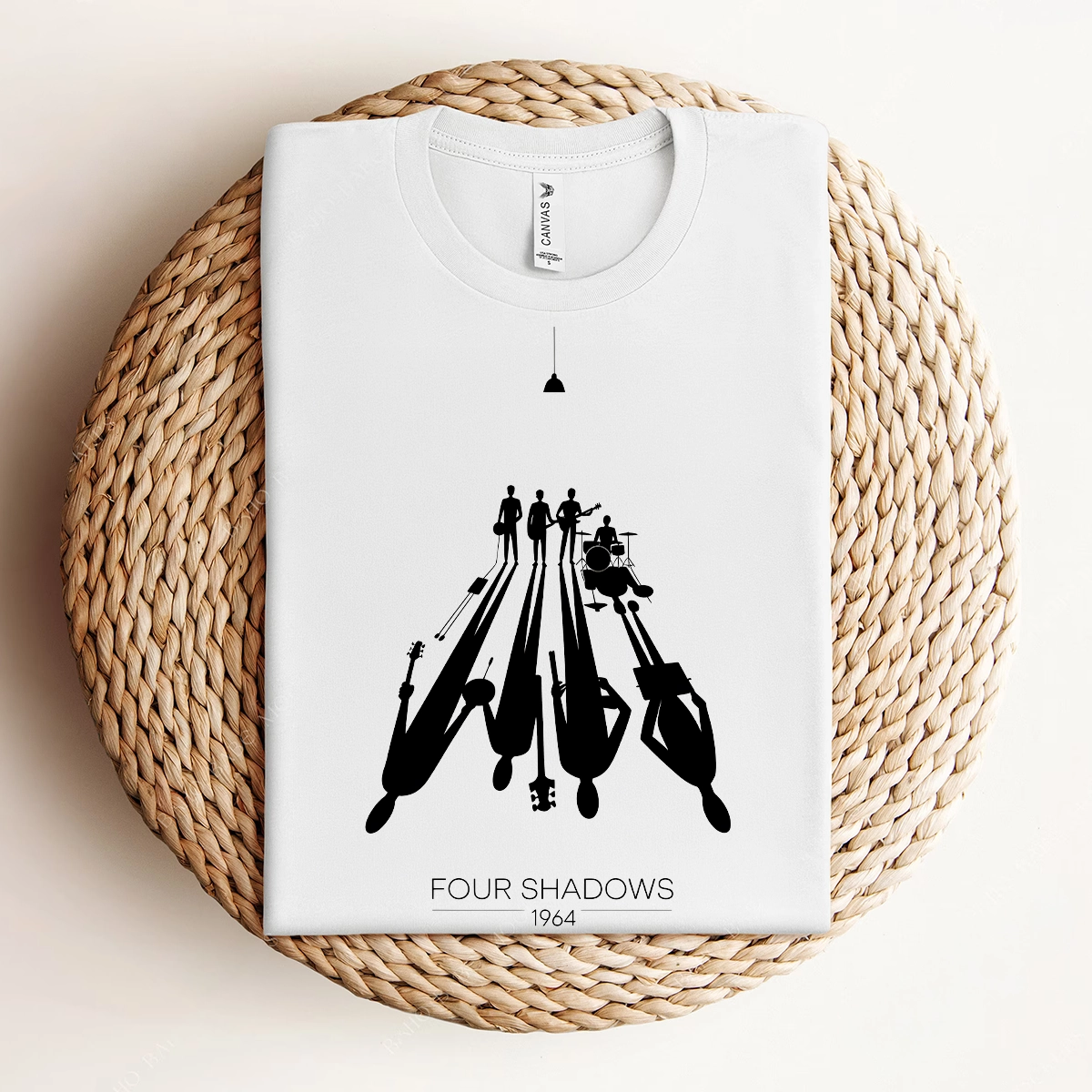

THE STUDIO BECAME THE INSTRUMENT
They stopped touring and started dreaming. The dreams were louder than any stadium.

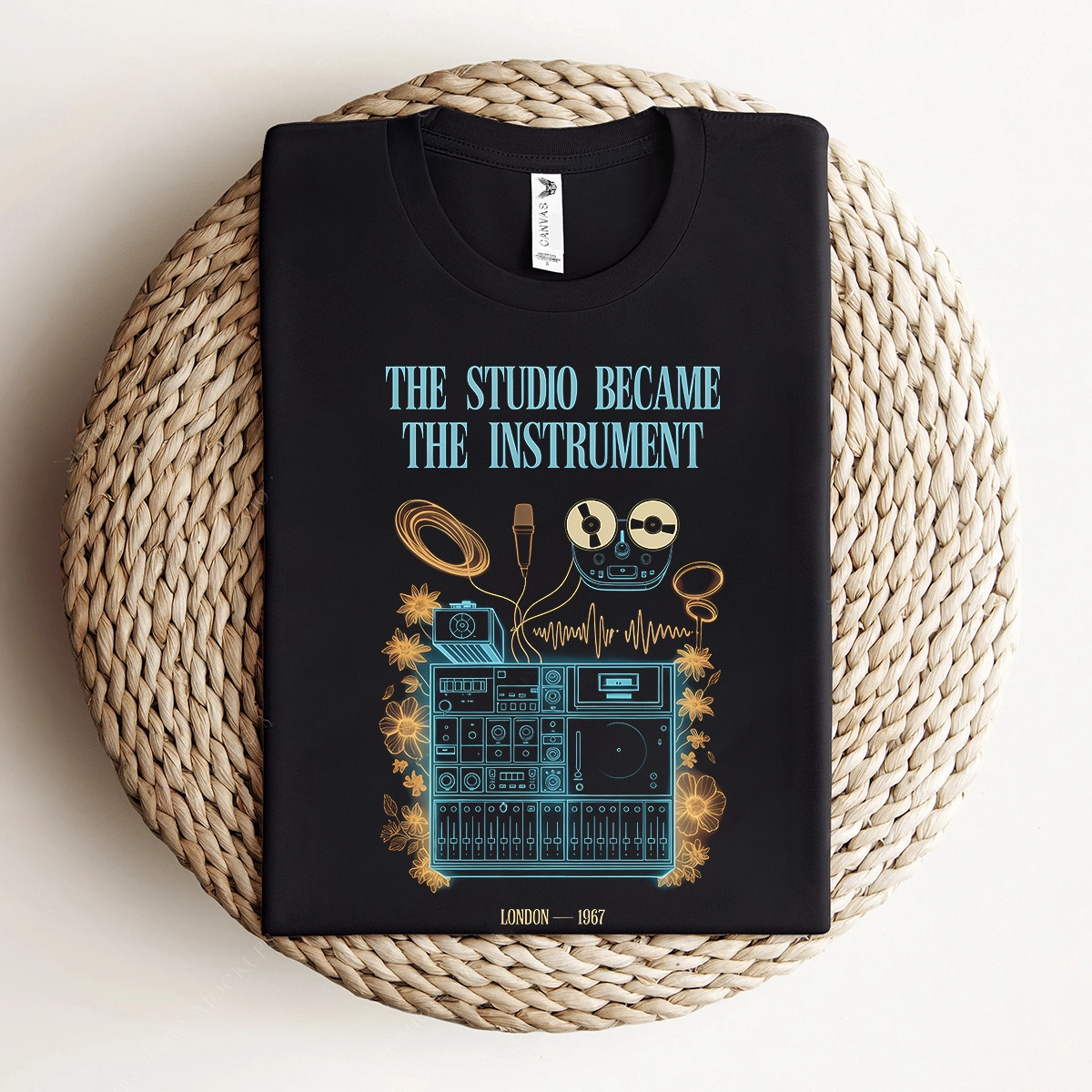








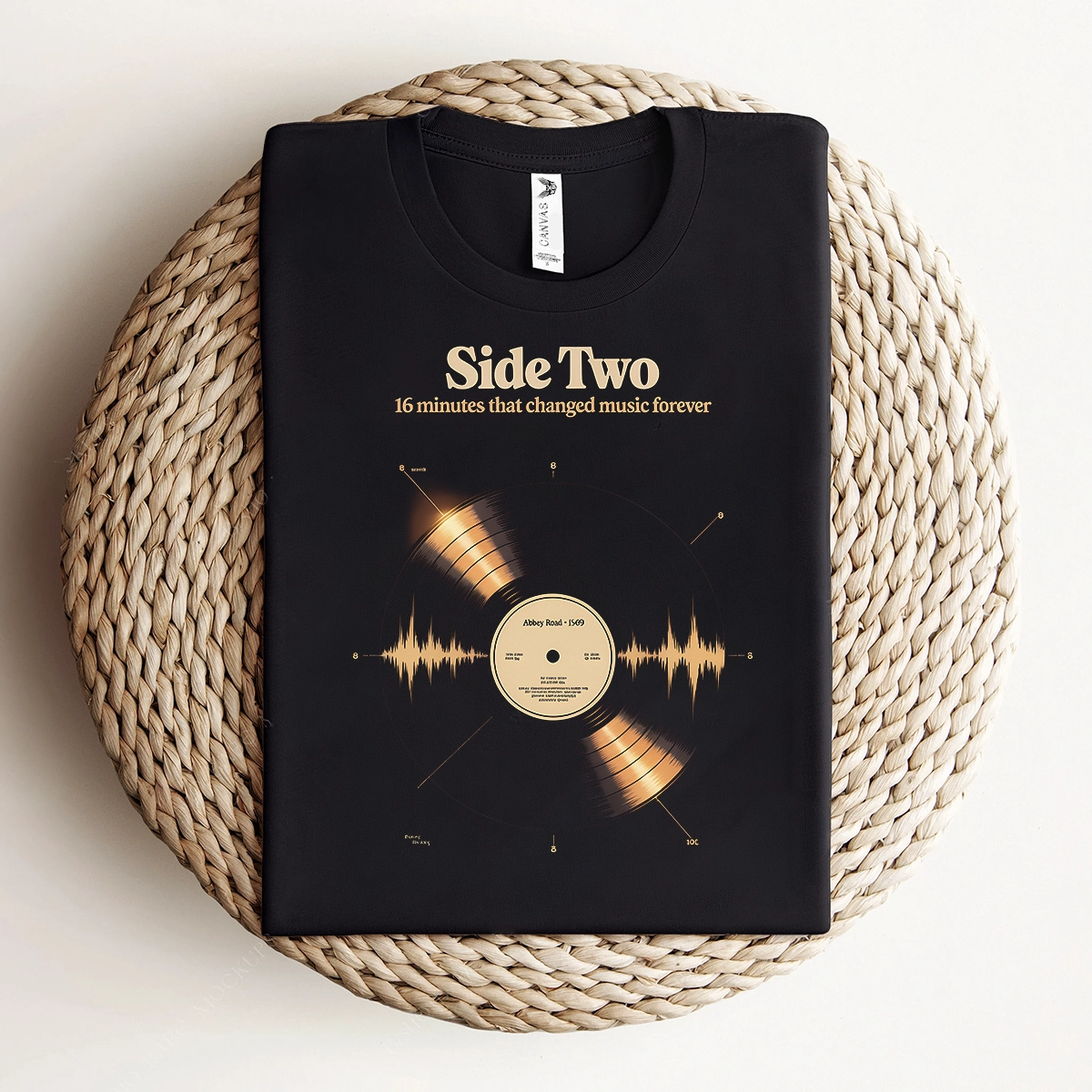
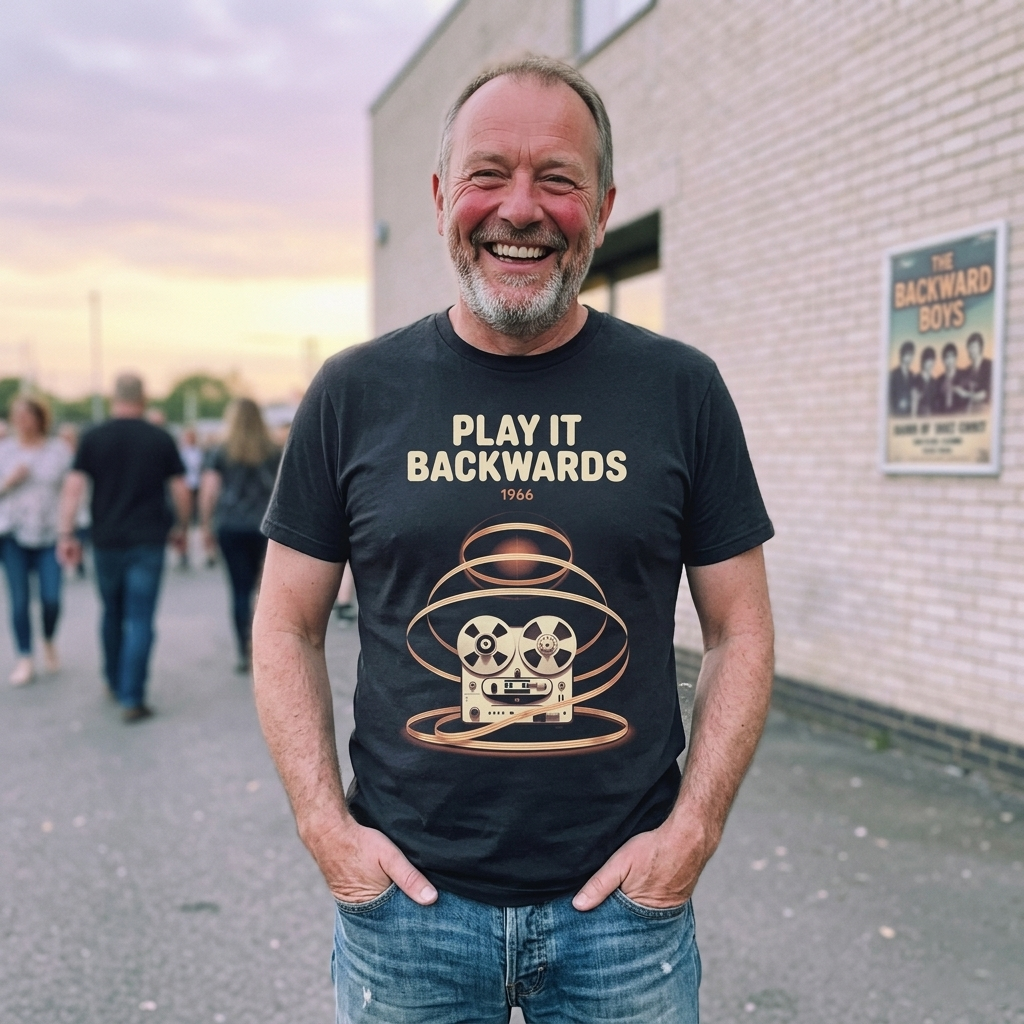
The studio became their instrument — not just a place to capture songs, but a canvas for ideas that had no name yet. They played tapes backwards. They recorded orchestras and told the musicians to improvise. They brought in Indian instruments that most Western ears had never heard.
The summer of 1967 arrived like a door opening. The music they released that year was nothing anyone had heard before — lush, strange, beautiful, impossible. It was the sound of four minds expanding simultaneously, pulling an entire generation with them.
Not because of volume or fame, but because they proved that popular music could be art — that a three-minute song could contain a universe.
The quiet one found his voice here. While the others chased the new, he looked inward — and eastward. He sat cross-legged in India and learned to be still. He brought the sitar into a pop song and opened a door that would never close. In a band of geniuses, he was the soul — the one who understood that the space between the notes was just as important as the notes themselves.





Chapter III







Can't choose a chapter? See all fifty designs.
Shop All 50 Designs →THE LAST SONG WAS ON THE ROOF
The last audition was on a rooftop. This time, the whole world was listening.
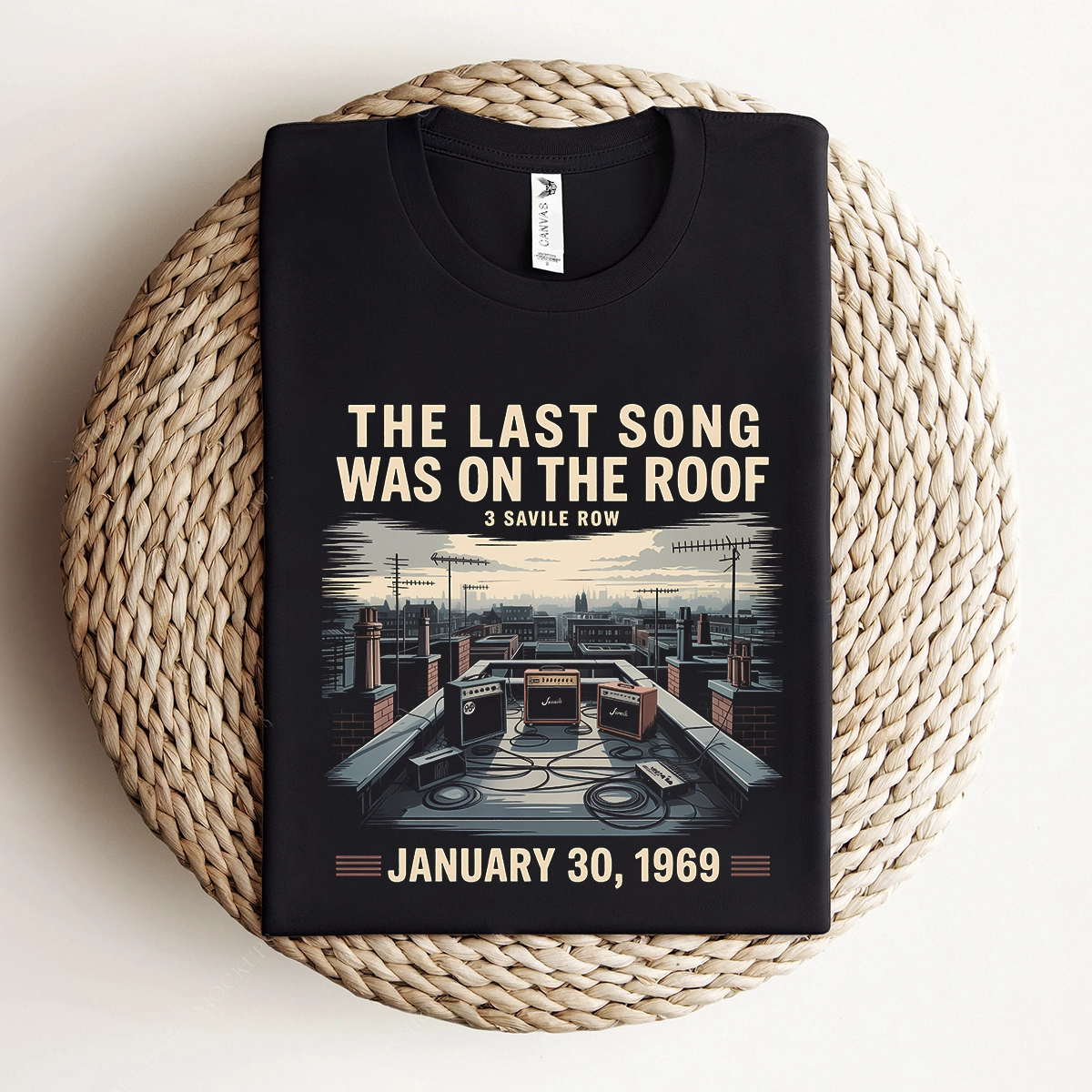






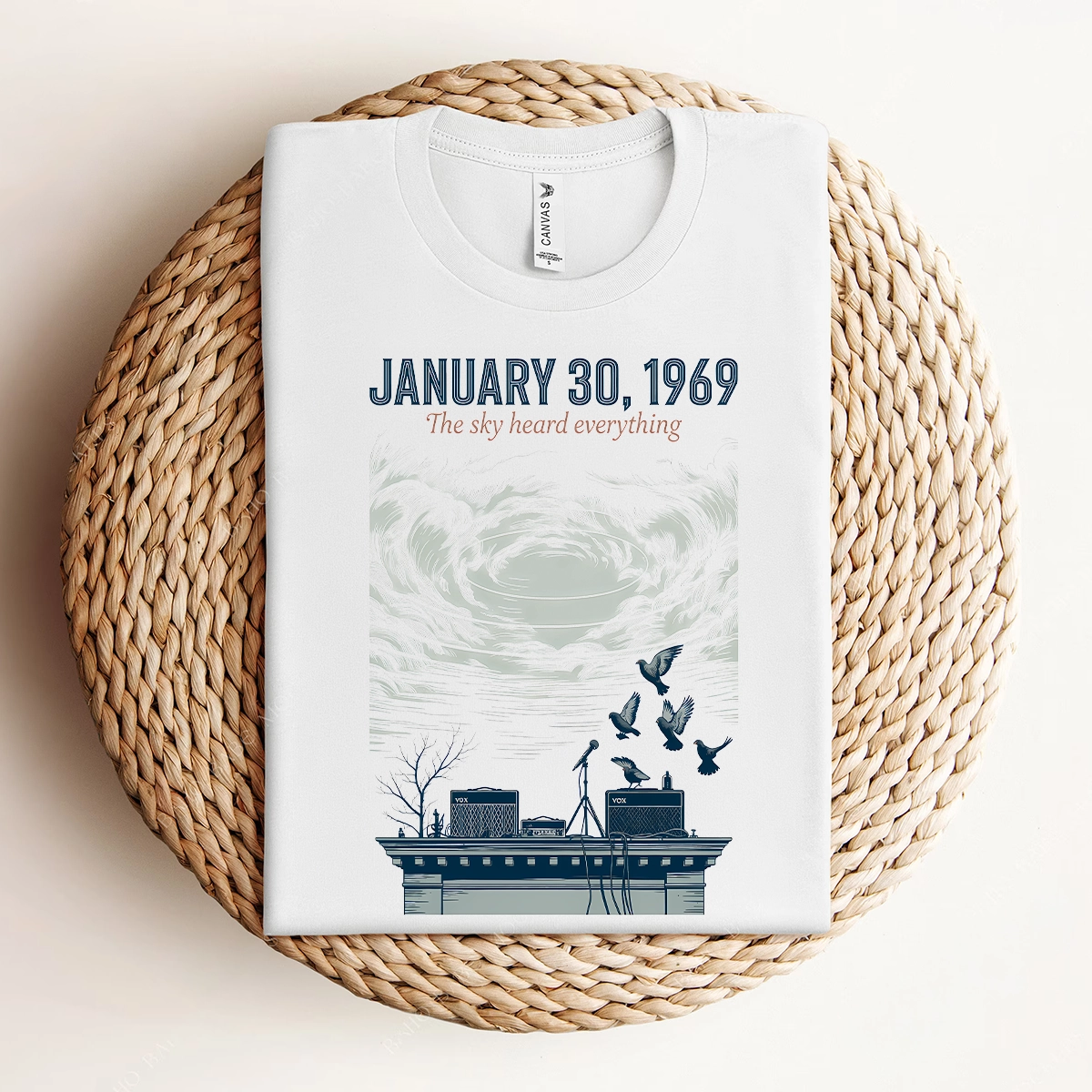
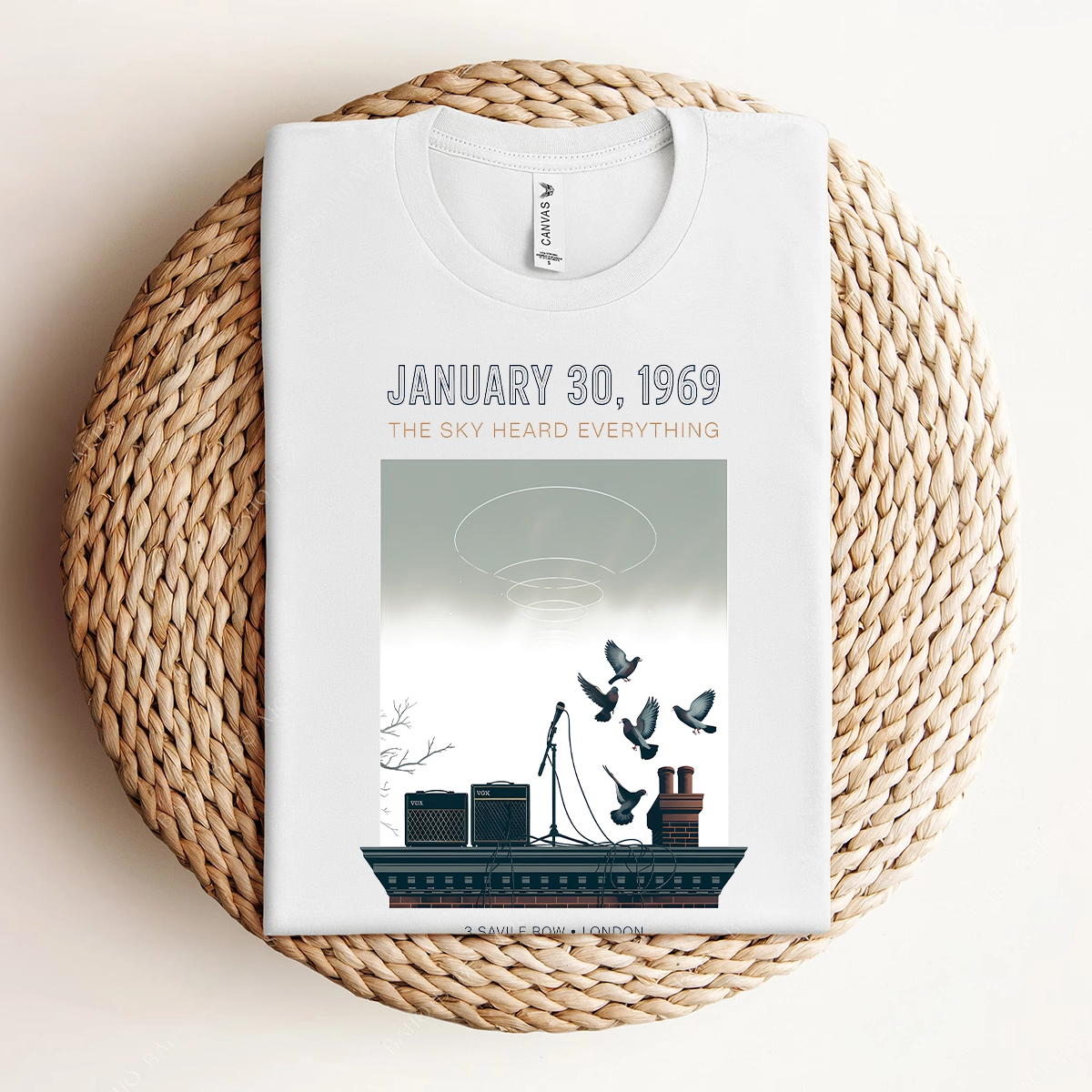
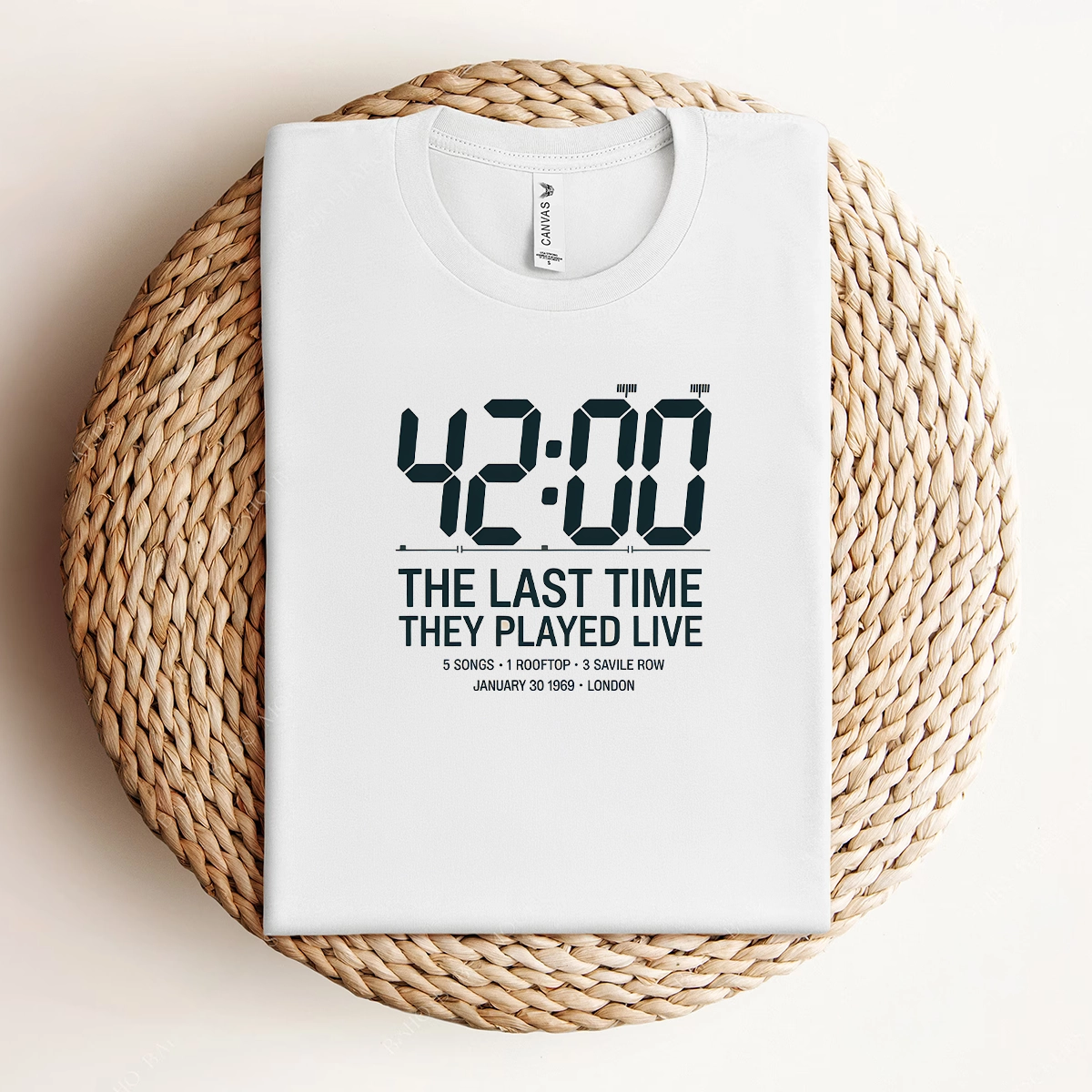
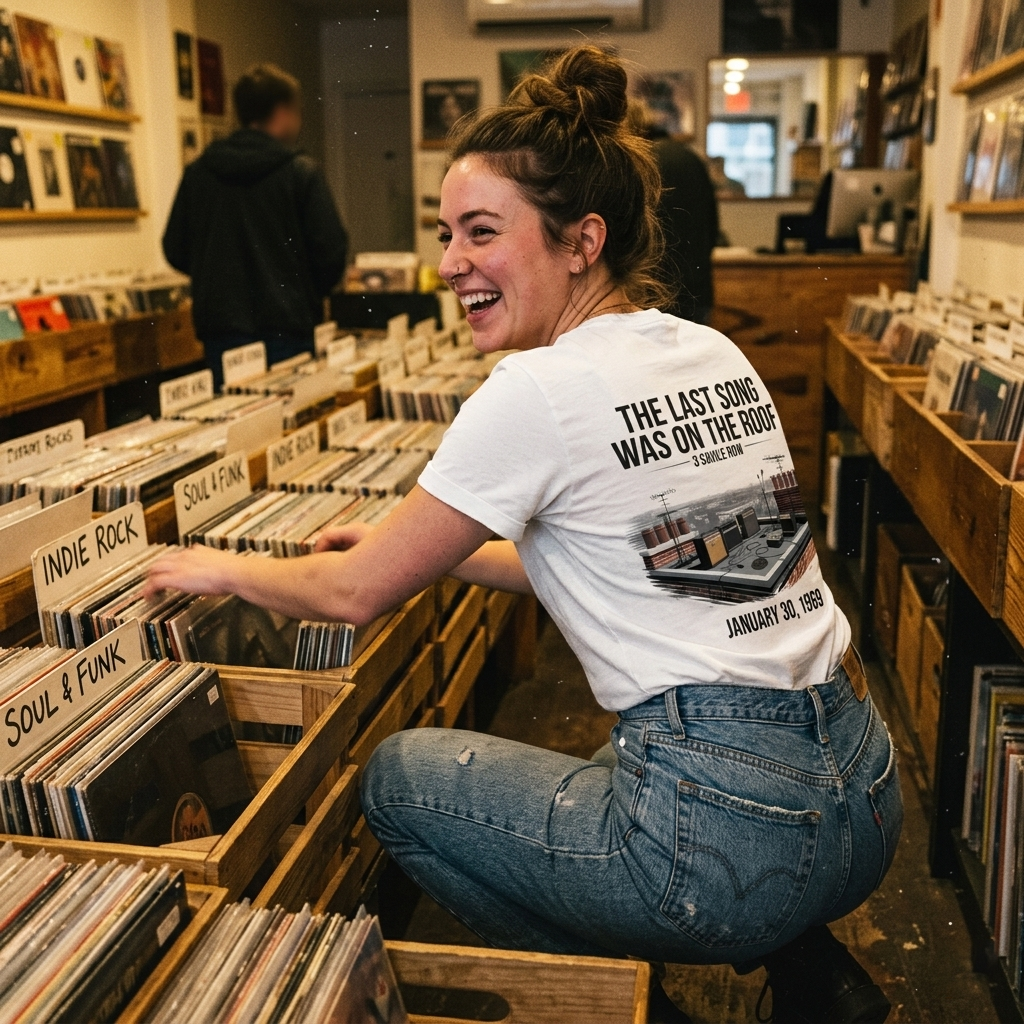
On January 30th, 1969, they climbed to the roof of their office building at 3 Savile Row, London. It was a Thursday lunchtime in winter — grey sky, cold wind, workers eating sandwiches below. Without announcement, without tickets, without an audience, they plugged in and began to play.
For forty-two minutes, the music drifted over the rooftops of London. People on the street stopped and looked up. Office workers opened windows. Traffic stopped.
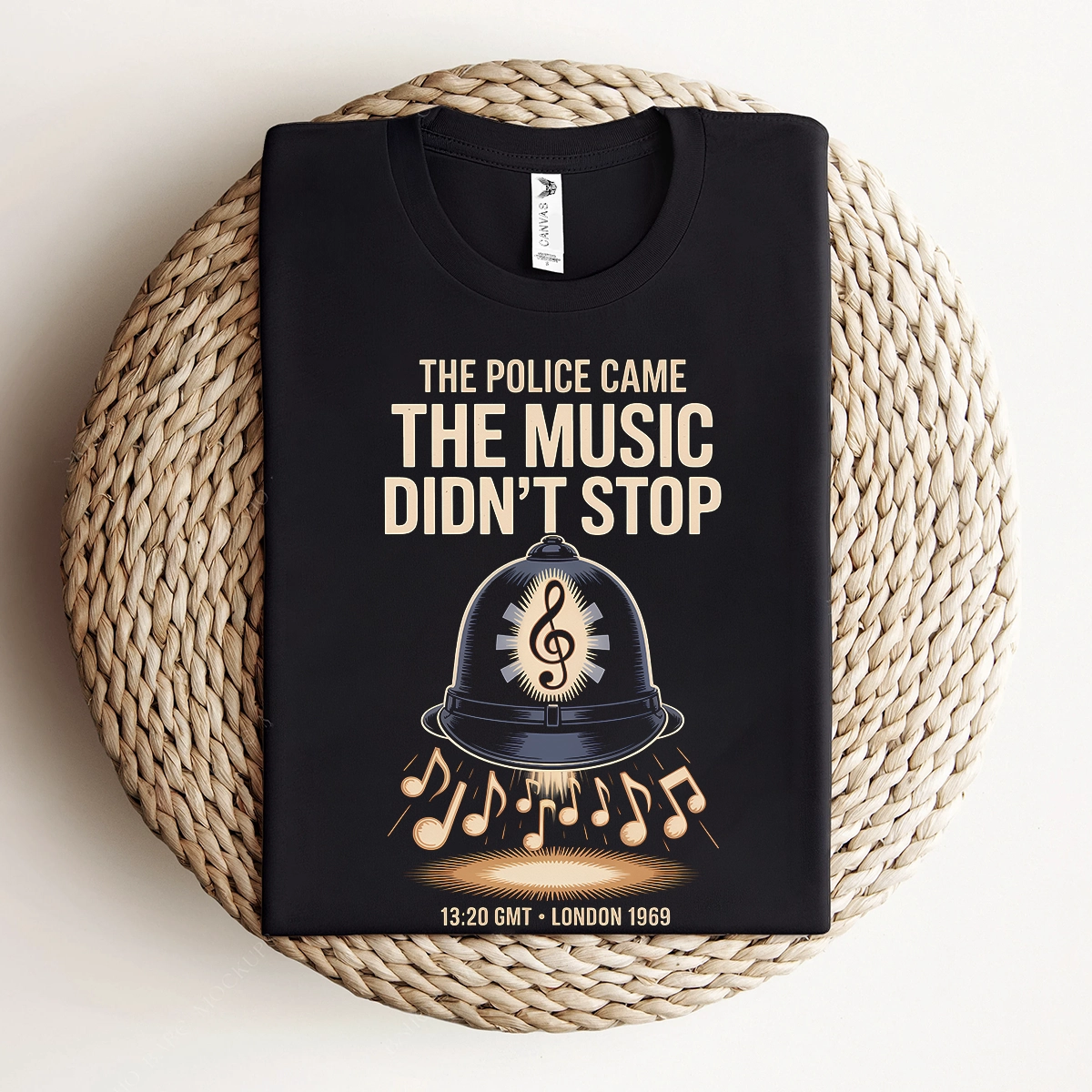
The police came to shut it down. Of course they did.
The last words spoken into the microphone, as the police reached the roof, were: "I'd like to say thank you on behalf of the group and ourselves, and I hope we passed the audition."
Seven years earlier, they had failed their first audition. Now, on a freezing London rooftop, they passed their last one.


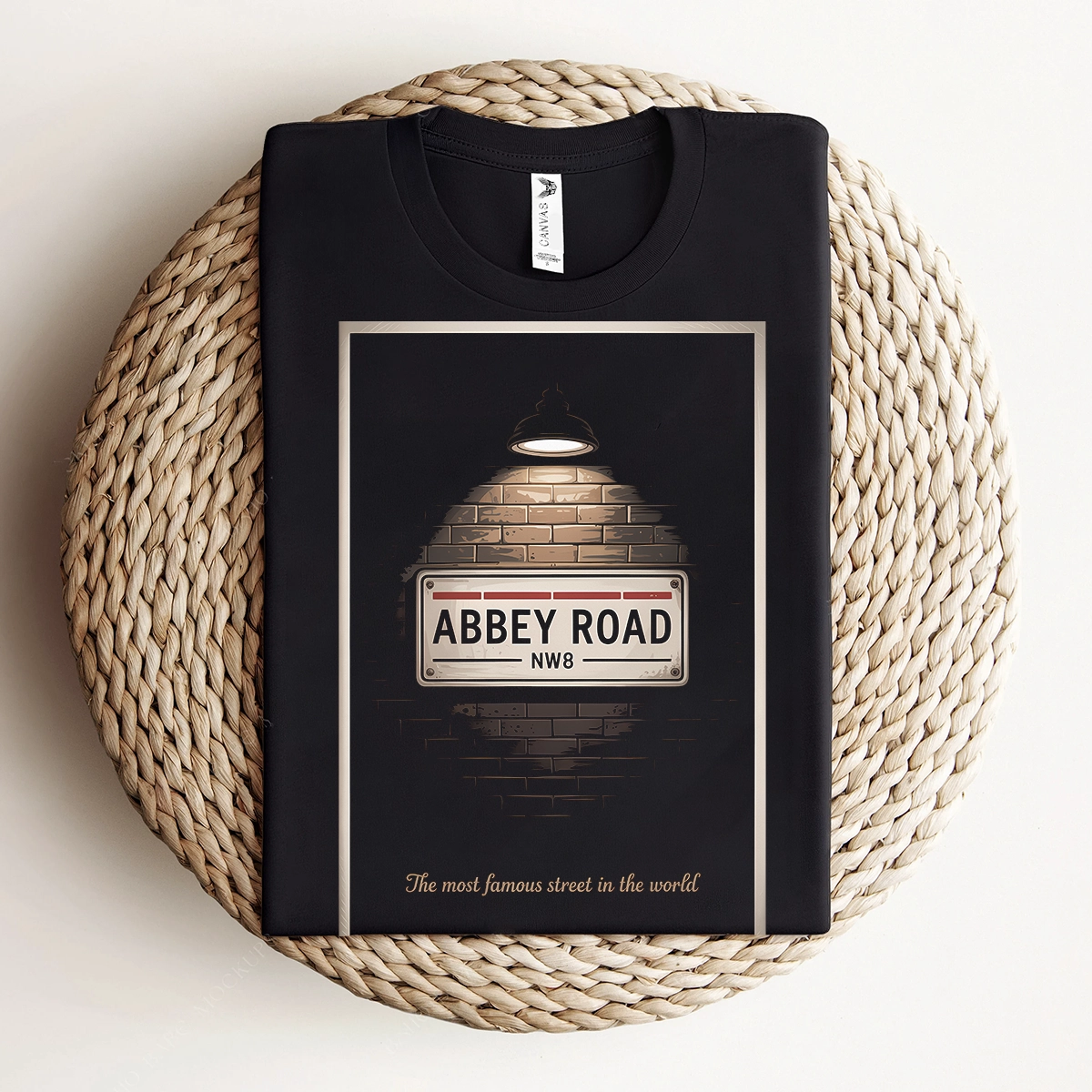
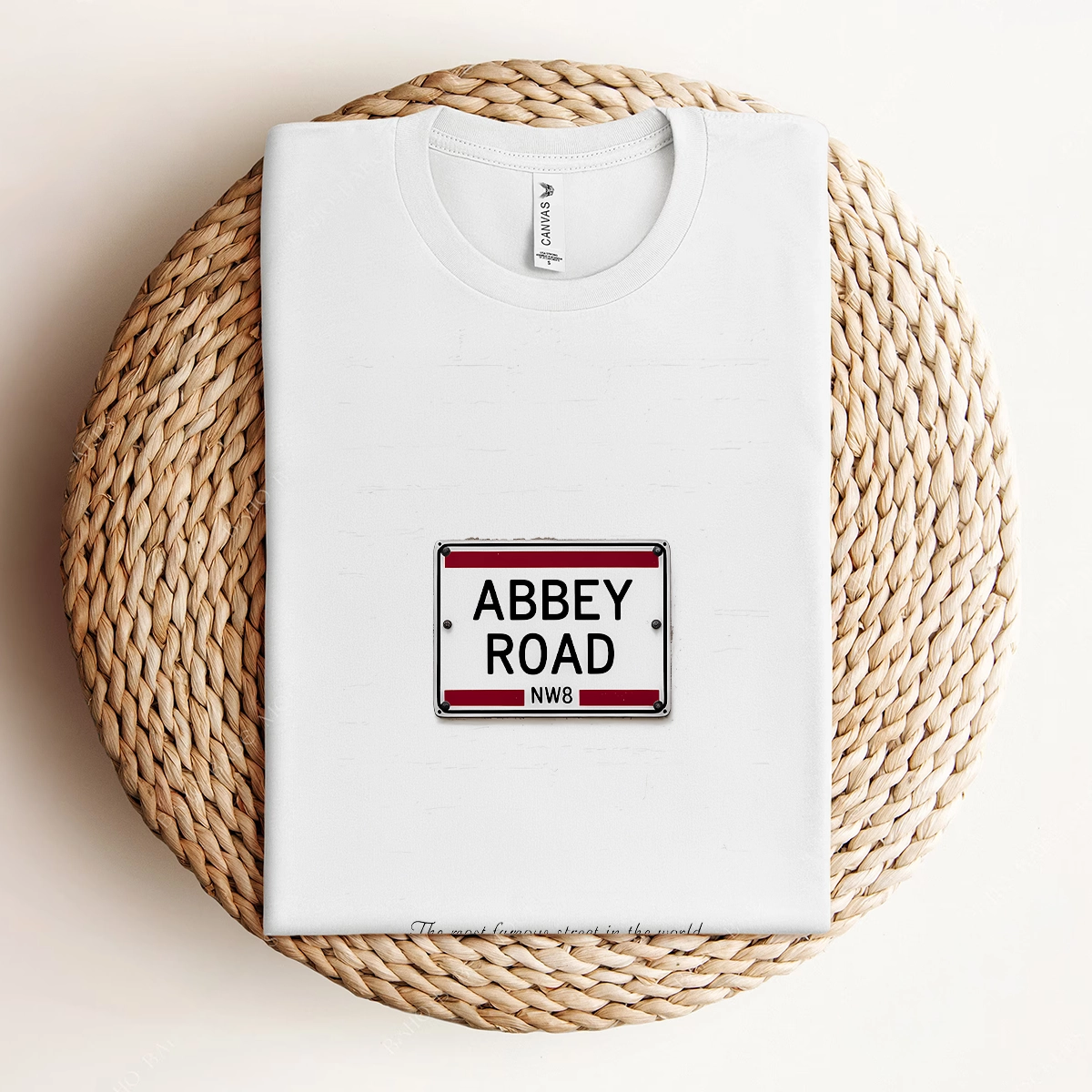





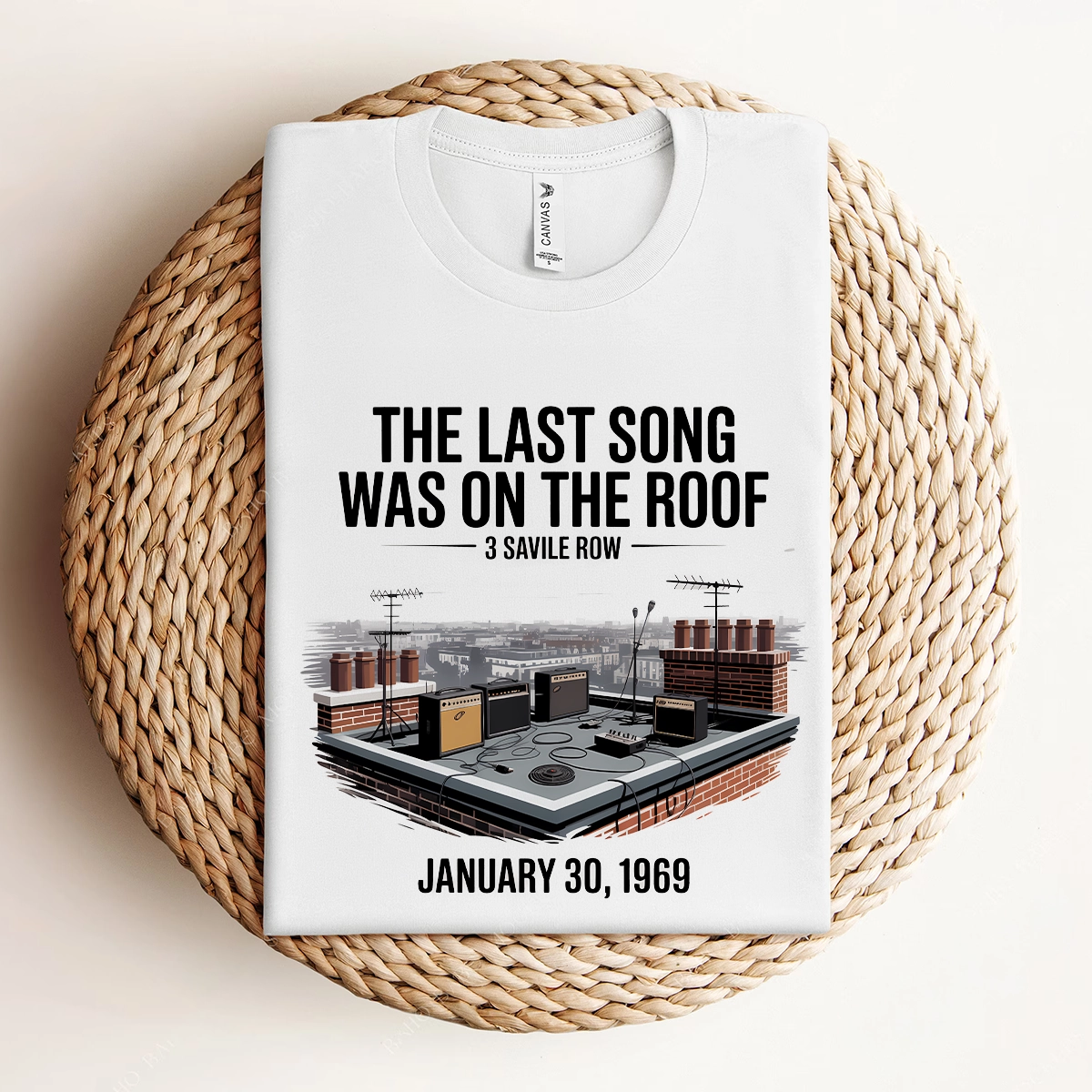
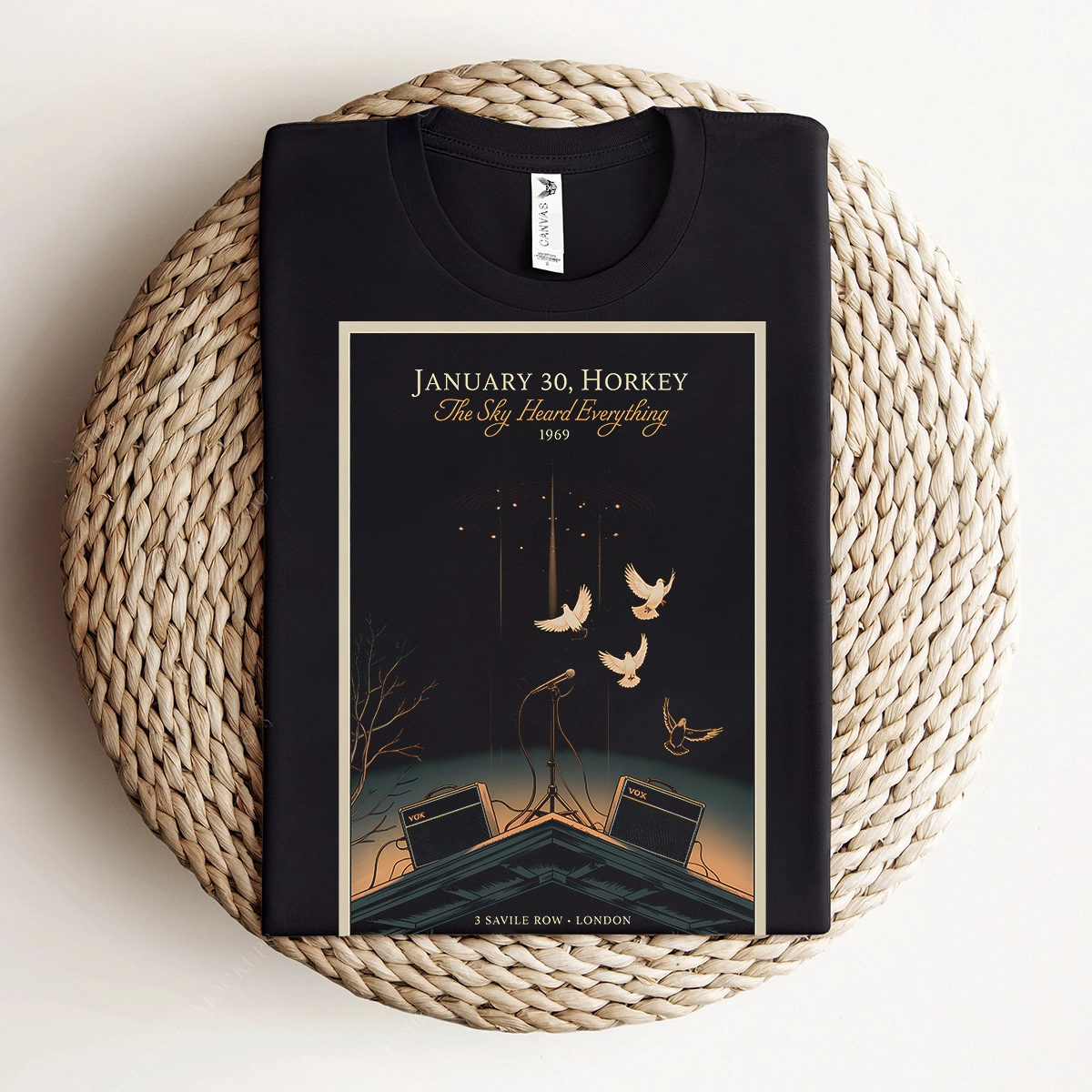

THE MUSIC NEVER DIED
The echo doesn't fade. It grows louder. It always grows louder.

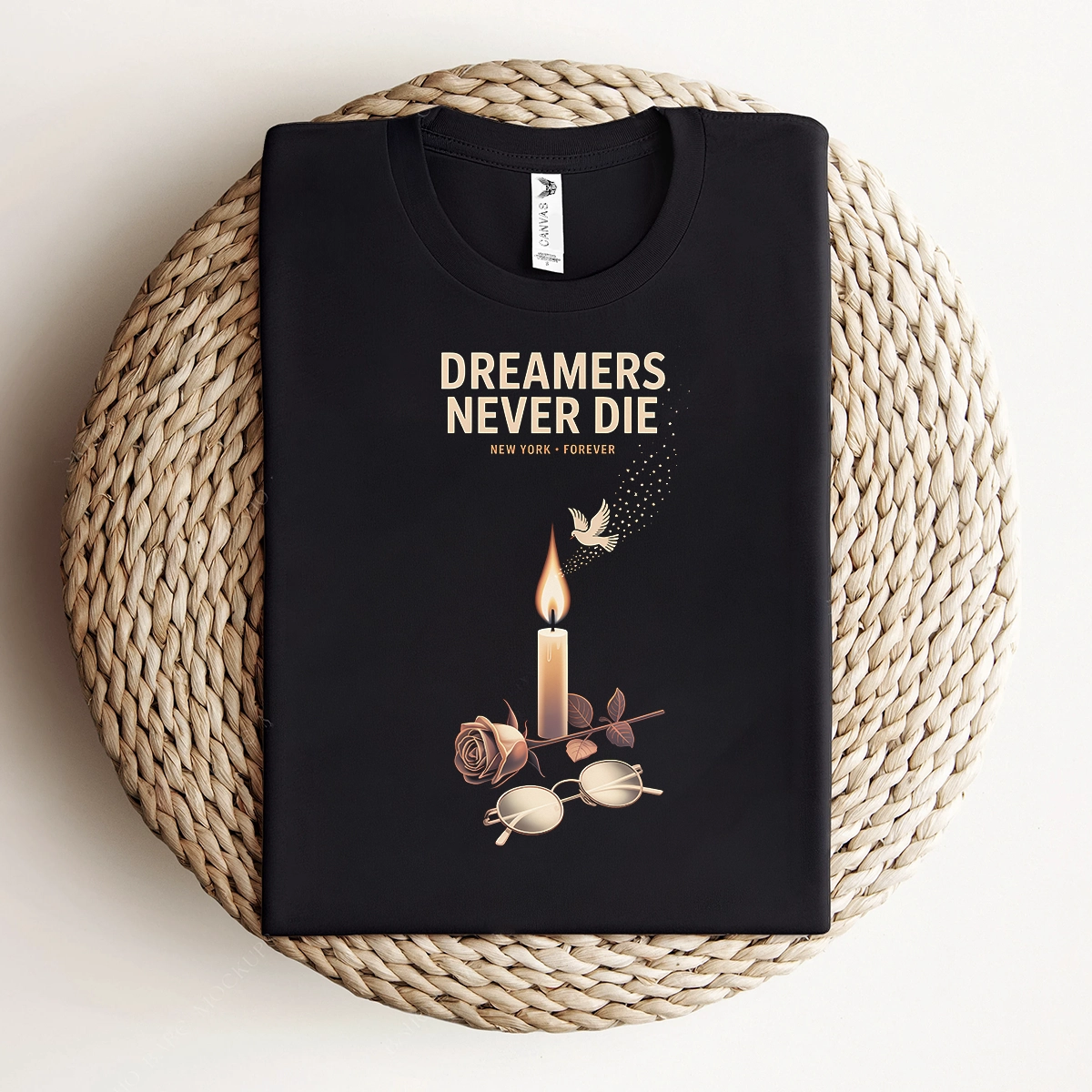



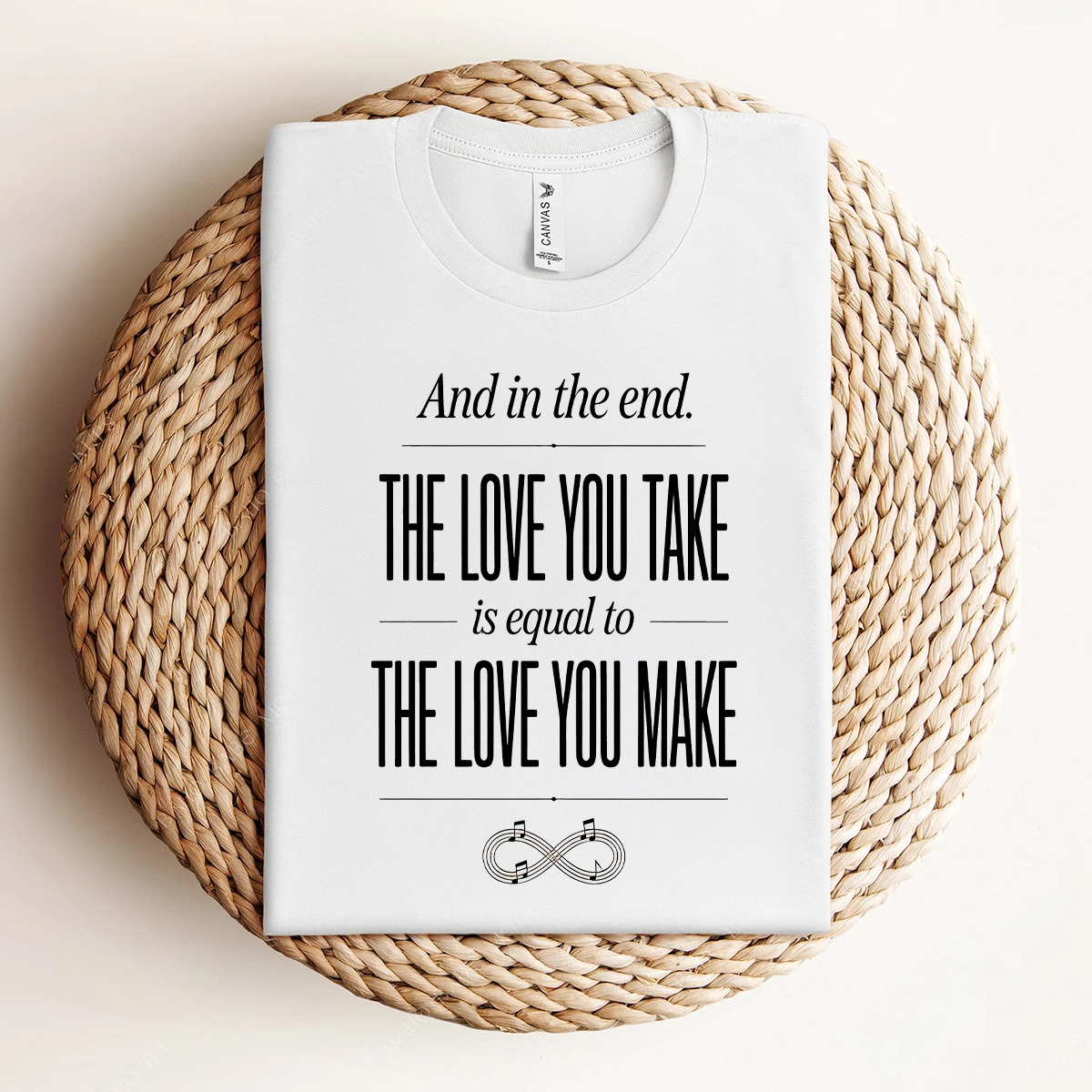
On December 8th, 1980, in New York City, a shot silenced a voice the world thought would sing forever. The dreamer was gone. He was forty years old. Millions of candles. Silence in Central Park.
Twenty-one years later, the quiet one left too. He had spent his final years in his garden, surrounded by the flowers and the stillness he had always loved.
Two gone. But two remain — and they refuse to let the music stop. The charming one still fills stadiums at eighty-three. His Got Back Tour became the highest-grossing solo tour by any artist over seventy. Three hours. Thirty-seven songs. Standing ovations that shake the ground. The funny one still wears his rings, still flashes the peace sign, still posts "peace and love" every single day at noon.
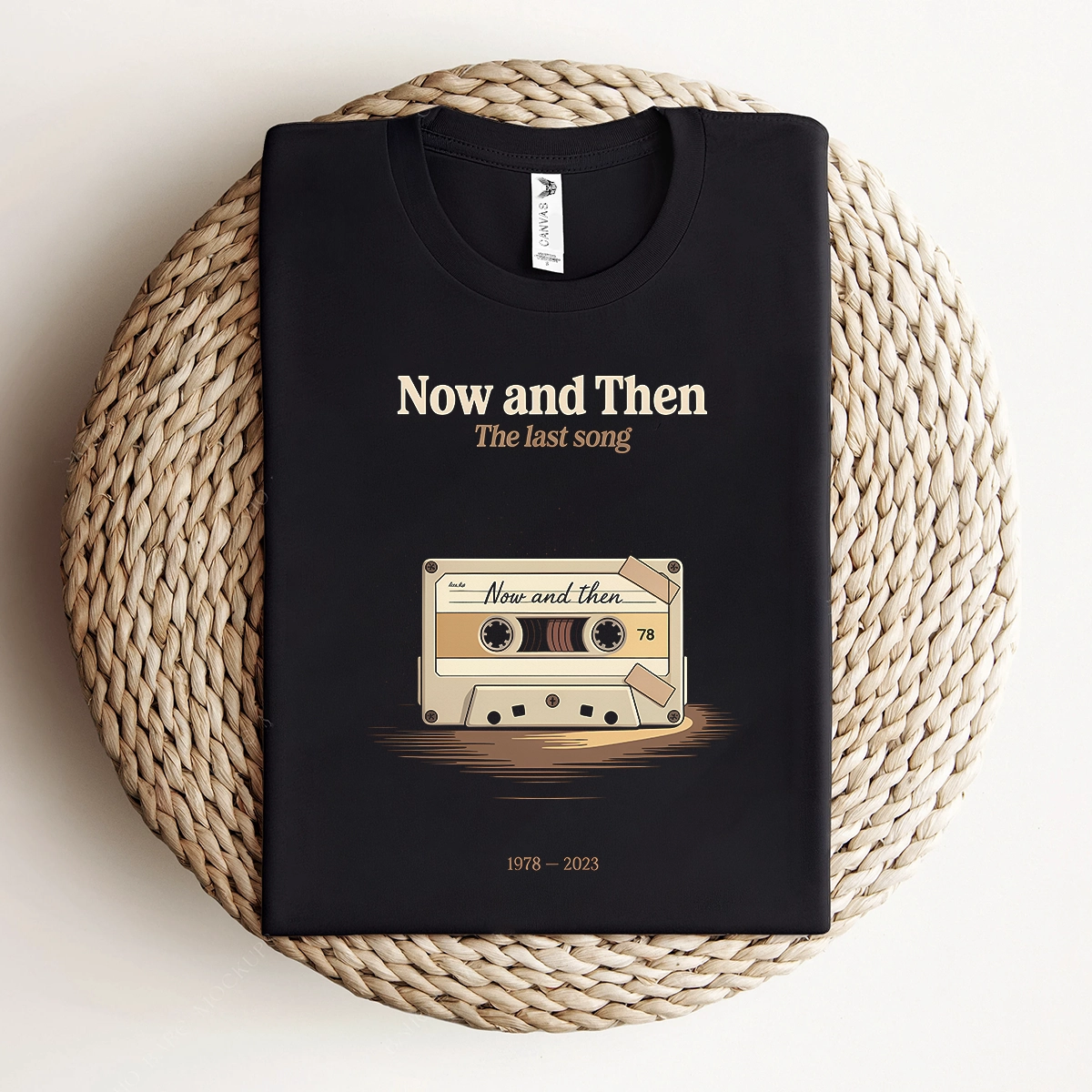
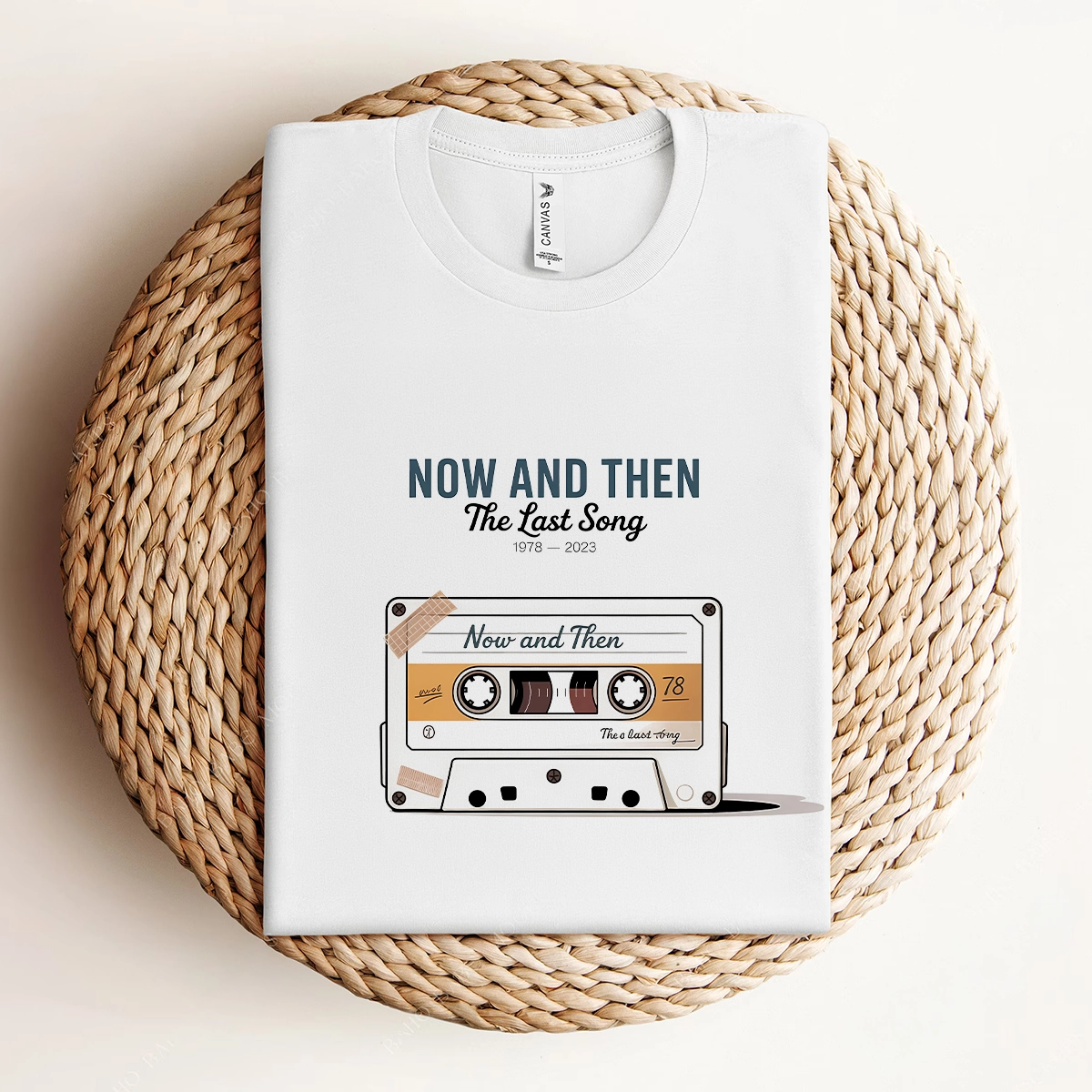
In 2023, technology reunited what time had separated. A voice from 1978 sang again through a new song — the last song. For four minutes, it was 1963 again.
The story isn't over. Two of them are still writing it. And every year, in every country, a teenager puts on headphones, presses play for the first time, and the whole thing starts again.







Galleries
"Bring back golden memories".

Track Your Order
Enter your order details below to see the latest shipping status.
Can't find your order number? Check your confirmation email or contact us.