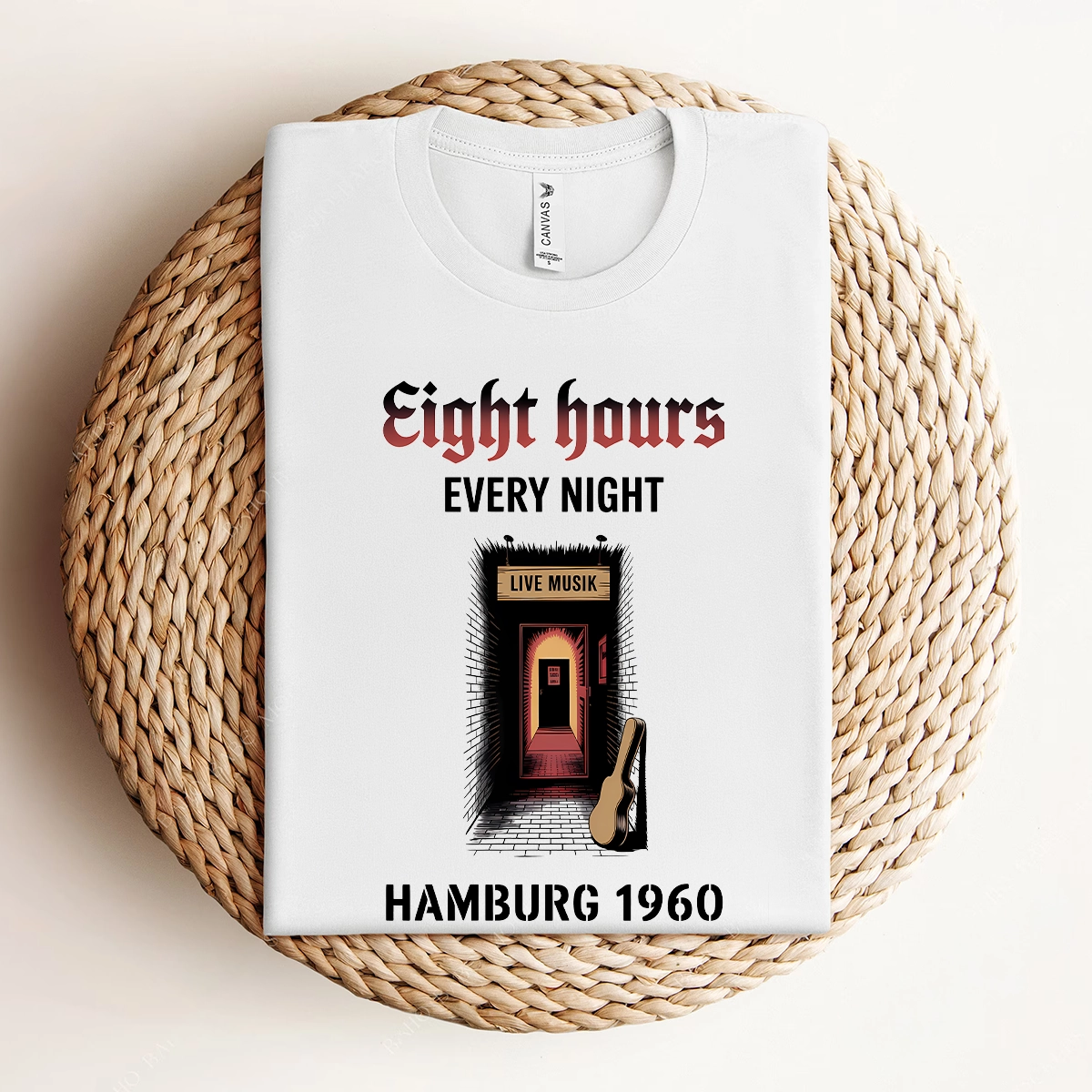
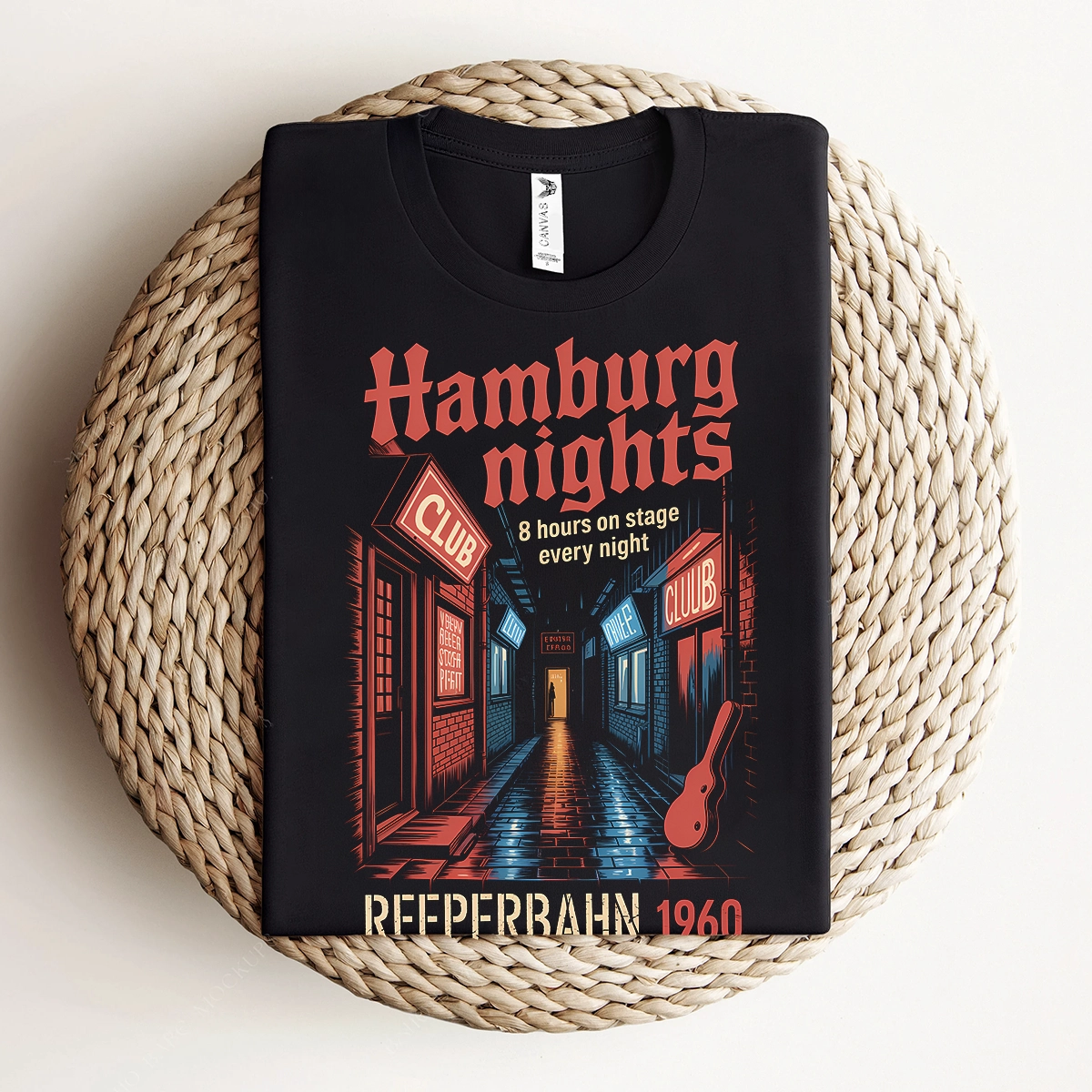
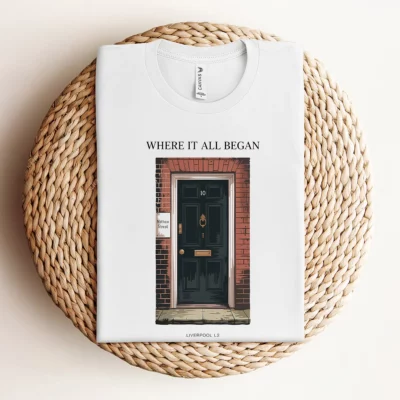
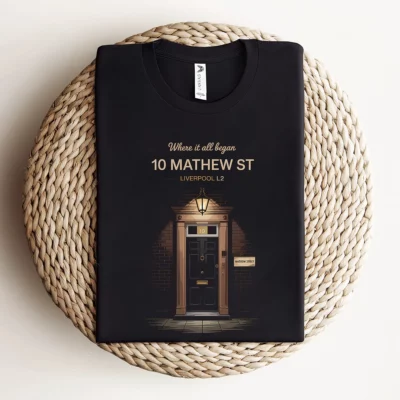
In 1960, in a narrow Liverpool alley called Mathew Street, there was a converted fruit warehouse with damp brick walls and a ceiling so low you could touch it. The air was thick with cigarette smoke, the smell of disinfectant, and something sour from the vegetable cellars above. It was called the Cavern Club. And for two years, four young men played there two hundred and ninety-two times.
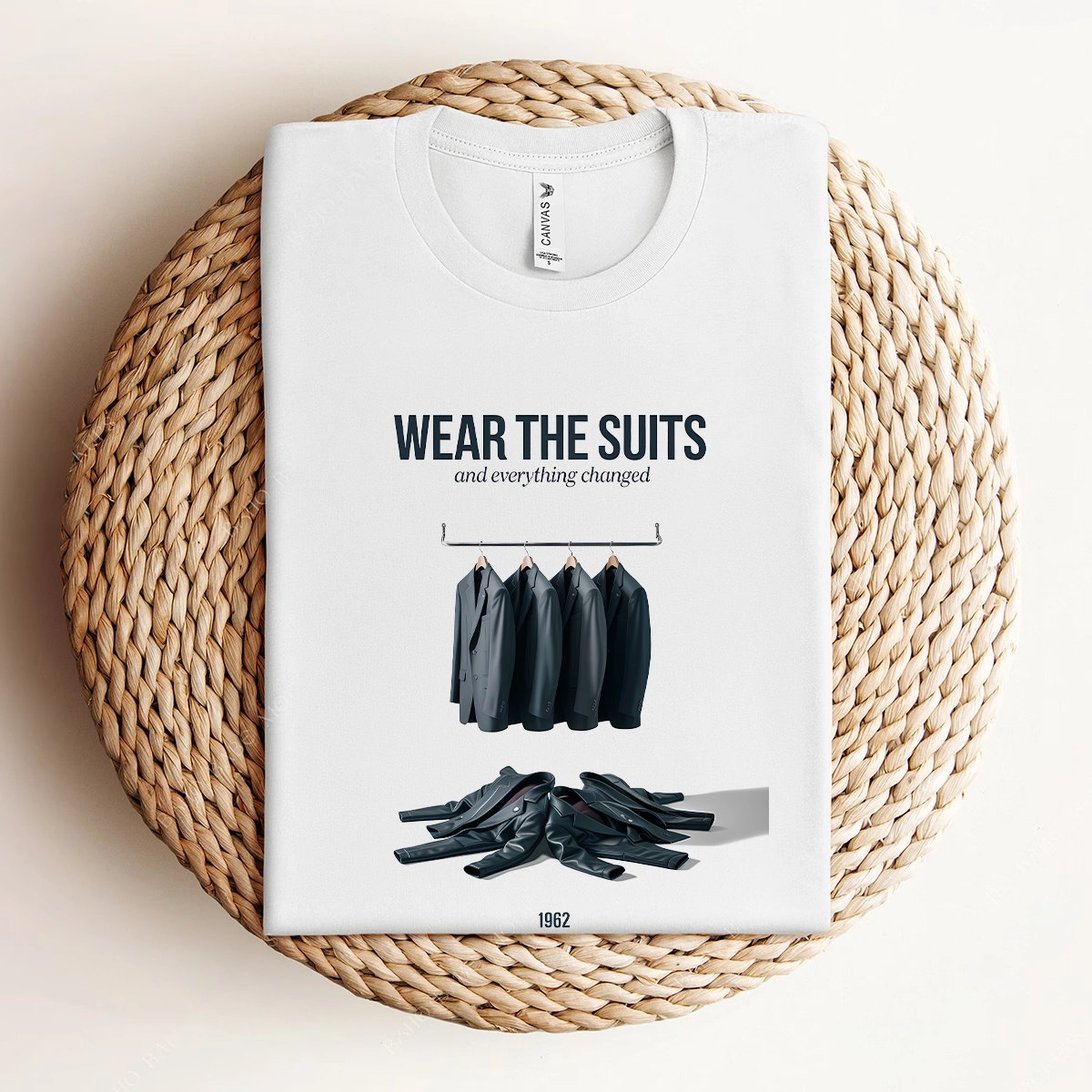
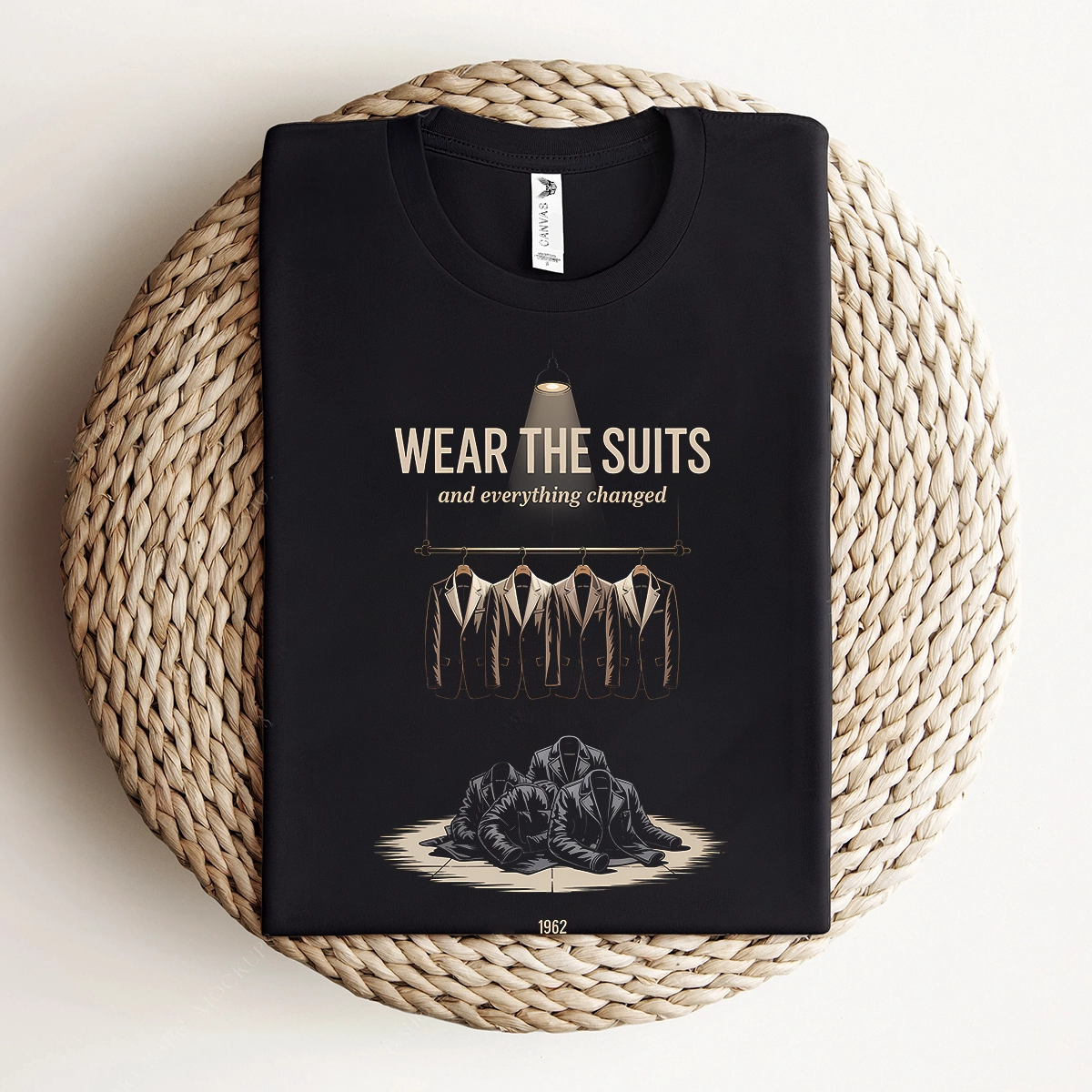
They played lunchtime sessions for office workers on their break. They played late into the night for dockers, shop girls, and students. Between sets, they ate bacon sandwiches and drank milk because the club had no liquor license. They wore leather. They cursed at the audience. They played whatever they wanted — American R&B, Chuck Berry covers, old rock 'n' roll nobody else knew.
The stage was so small that the drummer's kit pressed against the back wall. The guitar amps buzzed. The microphones screeched. And the girls — the girls who would later become the entire world's first wave of Beatlemania — stood three feet away, unable to look away.
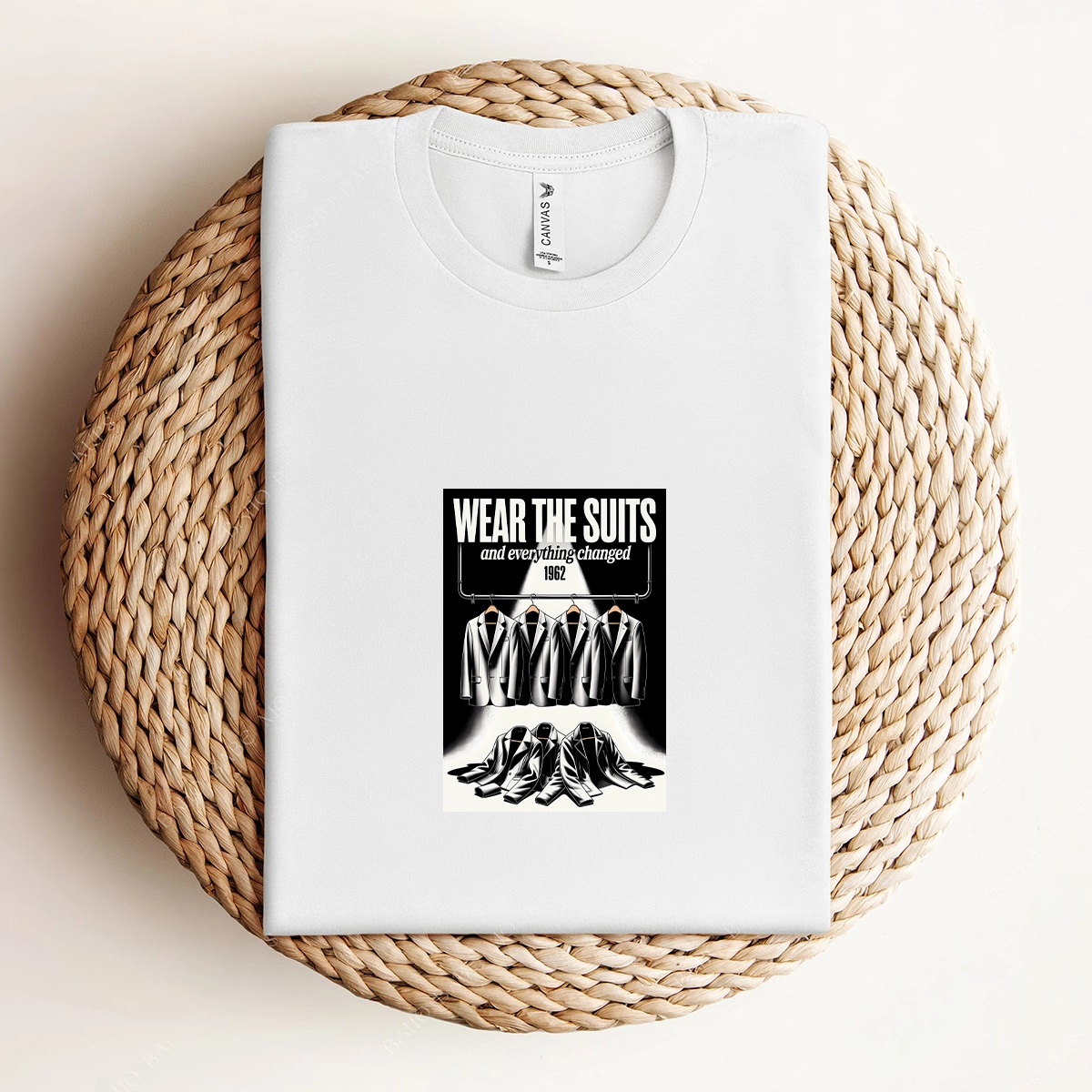
Nobody was writing about them yet. No record label wanted them. They had been rejected by Decca in 1962 with the now-legendary line: "Guitar groups are on the way out." Their drummer was about to be replaced. Their manager was a record shop owner who had never managed a band before.
And yet, in that basement, something was forming. A sound. A brotherhood. A story that would, within eighteen months, change music forever. Two hundred and ninety-two nights. That's how long it took.