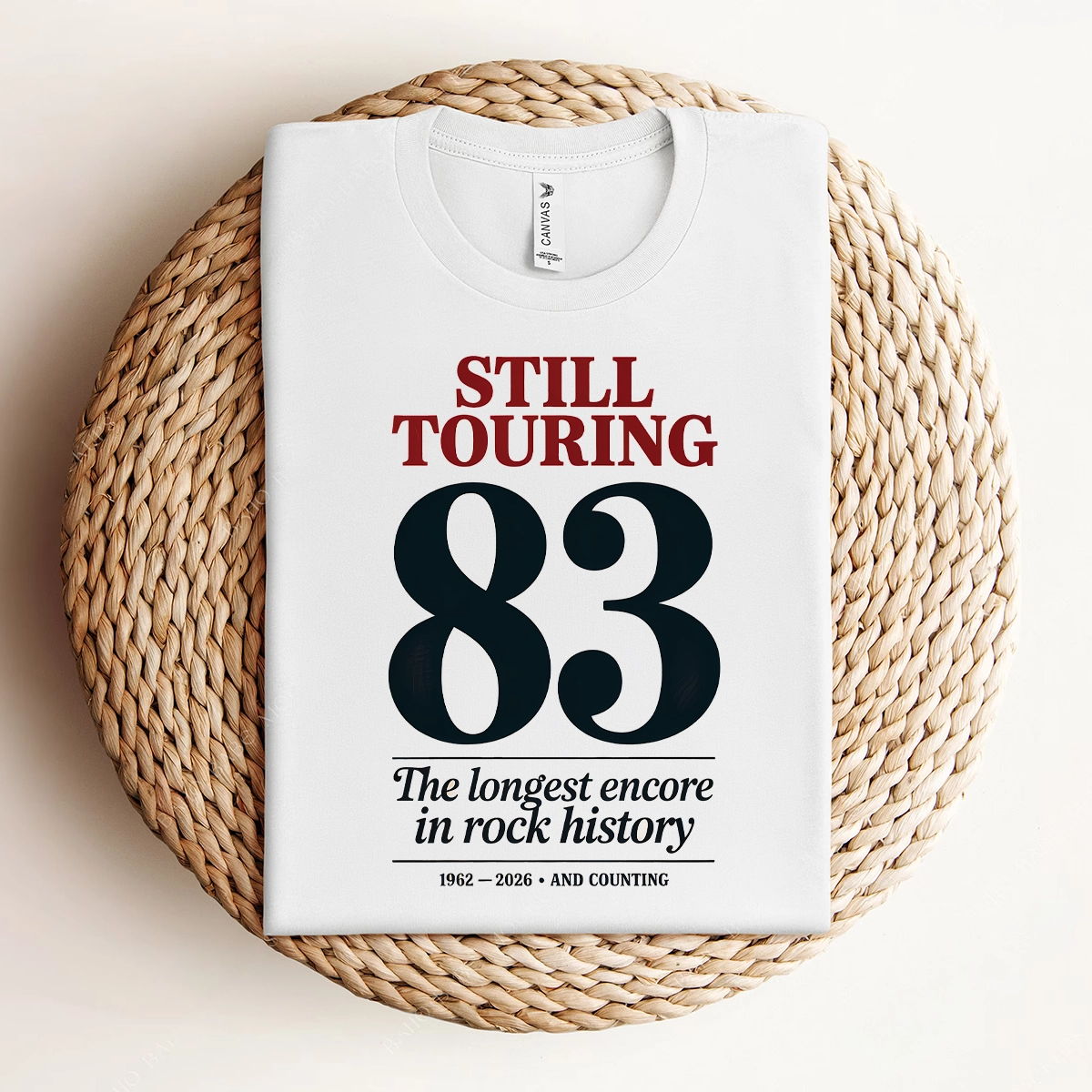
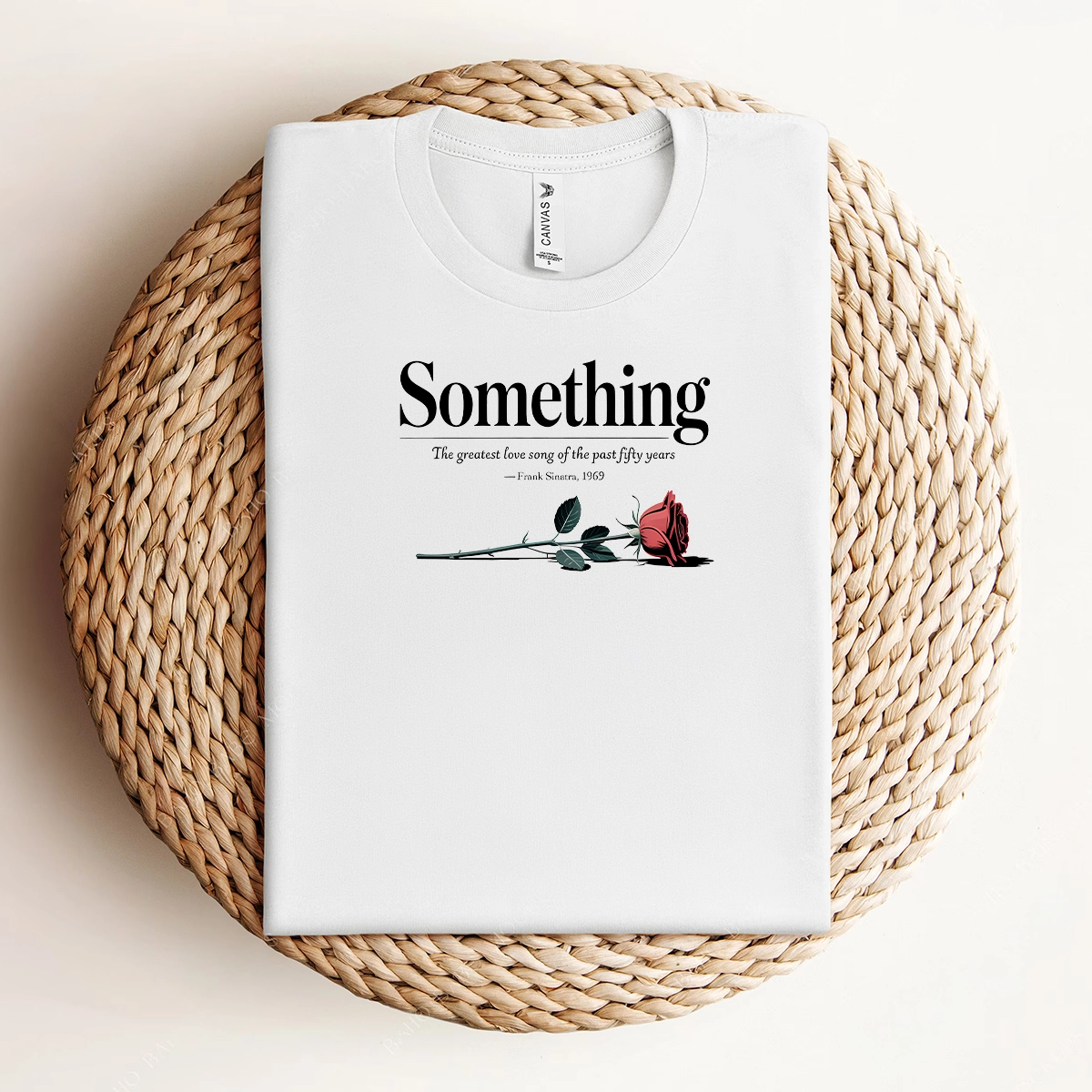
On April 10, 1970, Paul McCartney announced that the band was over. Most stories of the Beatles end here. They shouldn't. Because what happened next, over the next fifty-six years, is somehow even stranger than what happened in the eight years before. Two of them have died. The other two are in their eighties. And yet, by every measurable metric, the band is more popular today than it has ever been.
In the 1970s, all four of them released solo albums that sold millions of copies. John Lennon moved to New York. Paul McCartney started Wings and never stopped touring. George Harrison released a triple album of songs that the others had refused to let him put on Beatles records. Ringo Starr had number one hits in America with songs co-written by his old bandmates. They sued each other. They forgave each other. They made guest appearances on each other's records under fake names so the lawyers wouldn't notice.
On the night of December 8, 1980, John Lennon was shot and killed outside his apartment building in New York City. He was forty years old. The world stopped, again, the same way it had stopped on the night of February 9, 1964 when seventy-three million Americans watched the band play Ed Sullivan. Twenty-one years later, on November 29, 2001, George Harrison died of cancer at his friend Paul McCartney's house in Los Angeles. His ashes were scattered into the river Ganges.
And still the music kept playing. Vinyl records that had been pressed in 1967 became more valuable than gold. Sgt. Pepper's Lonely Hearts Club Band has been continuously in print since the day it was released. Every single year since the band broke up, the Beatles have sold more albums than they did the year before. They are the best-selling music act in the history of recorded sound. They are not even close to second place.
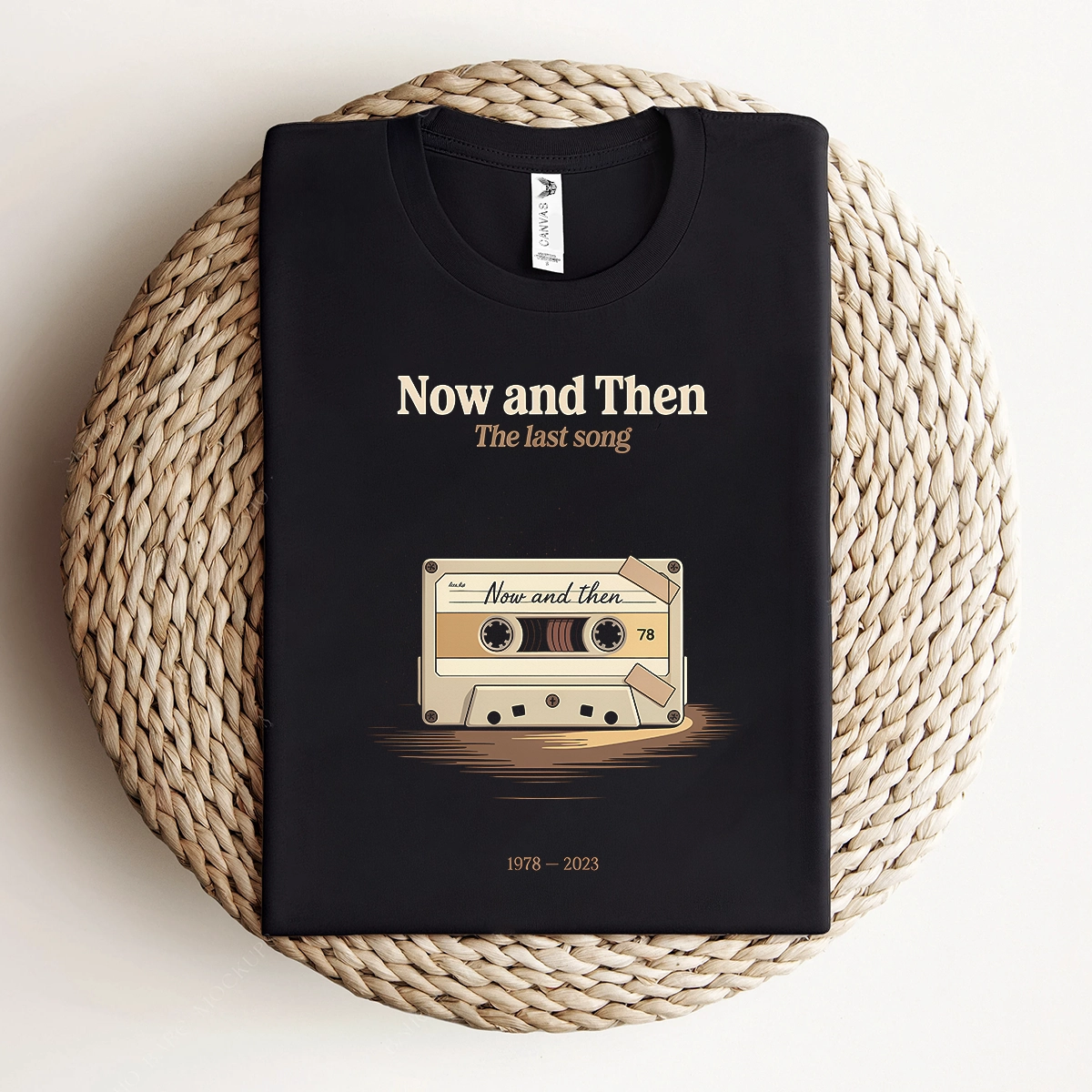
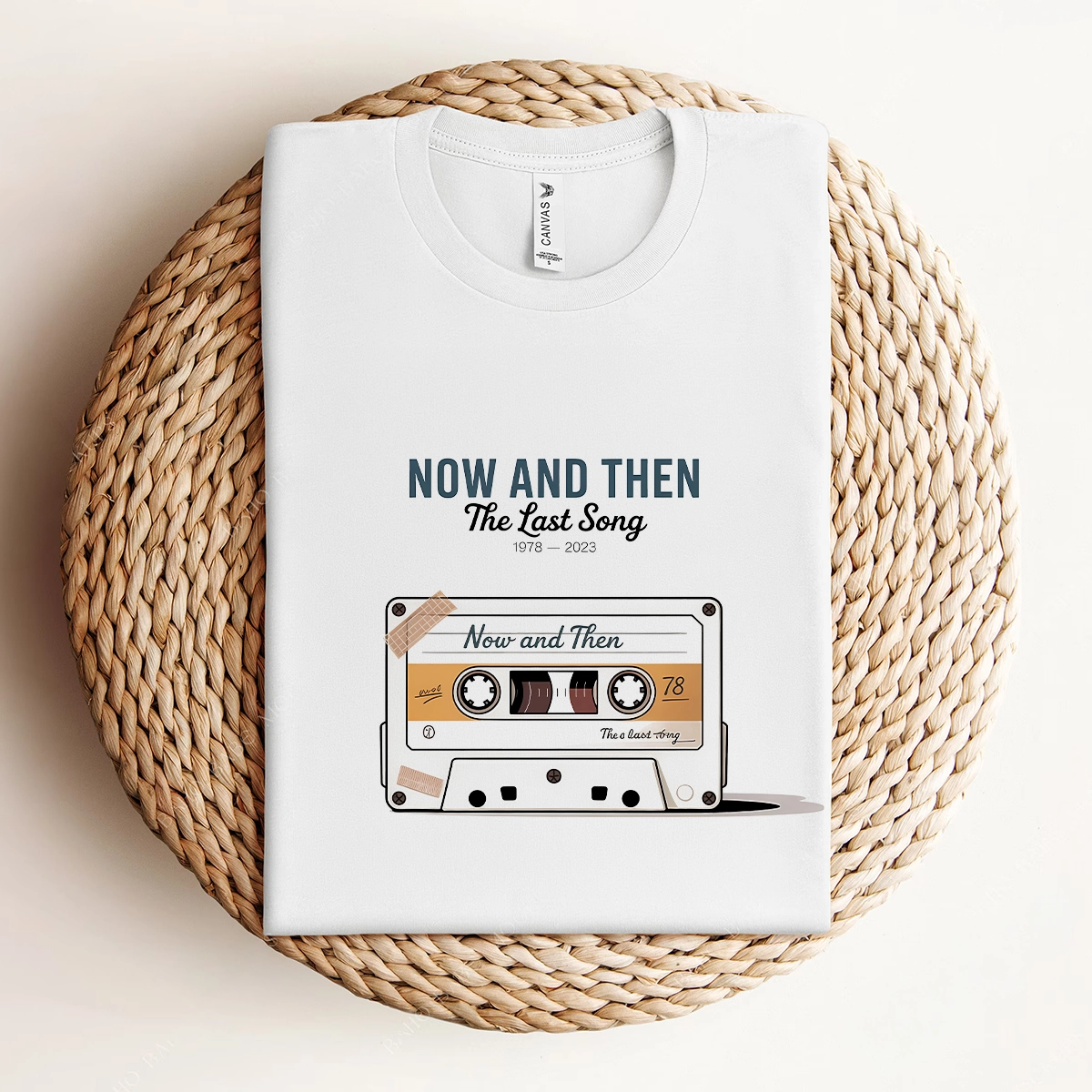
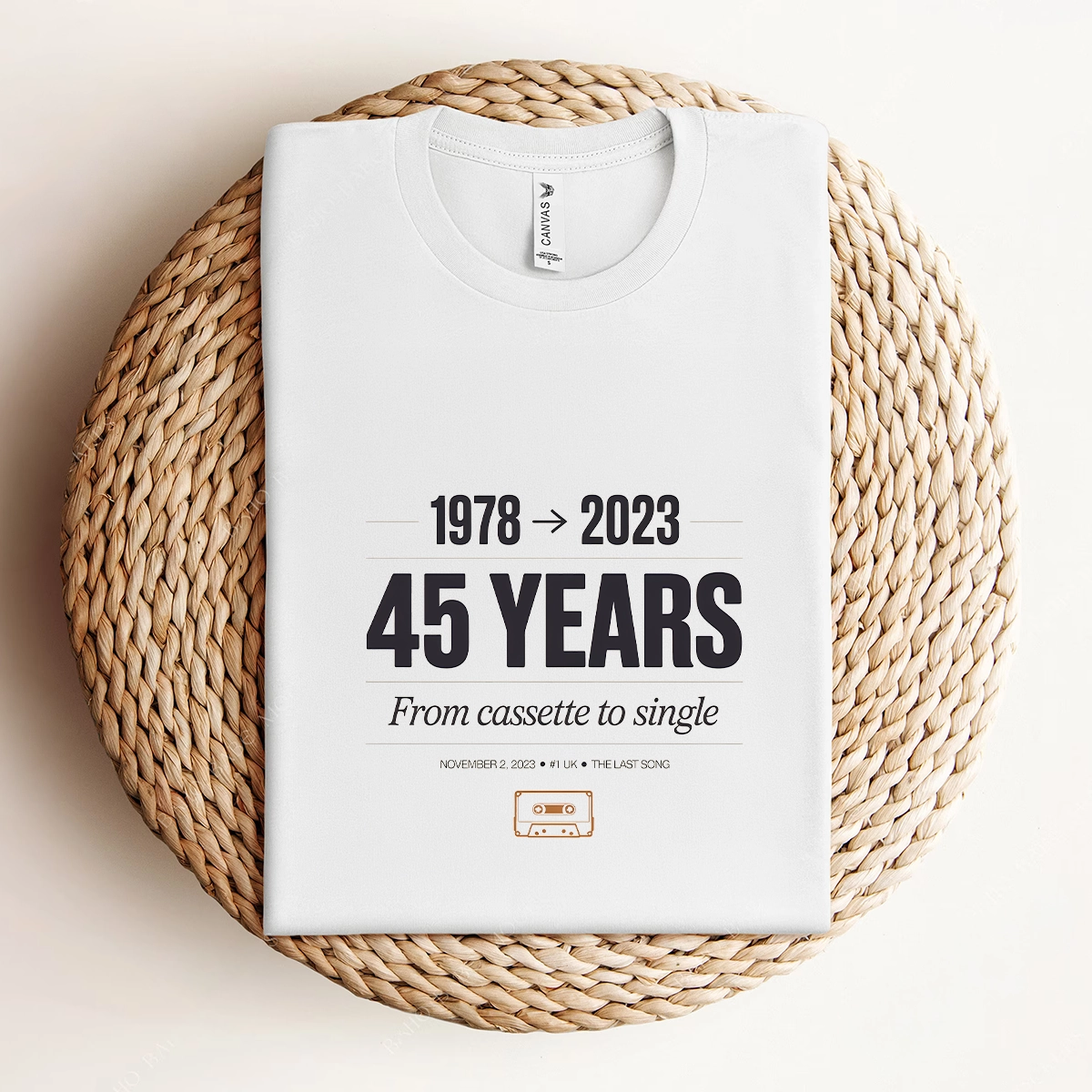
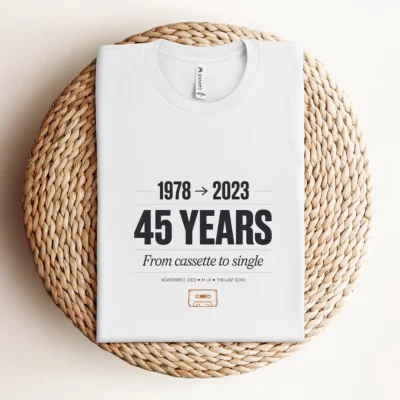
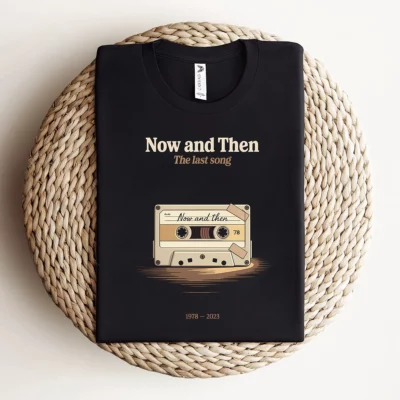
In 2023, fifty-three years after the band ended, Paul McCartney and Ringo Starr released one more new song. It was called Now and Then. The vocals were John Lennon's — recorded on a cassette tape in 1978 in his apartment at the Dakota — separated from the piano accompaniment using artificial intelligence. The guitar parts were George Harrison's, recorded in 1995 during the Anthology sessions. It went to number one in the United Kingdom. It was the first new Beatles song in five decades. It will probably be the last.
But here is what is true: every year, somewhere in the world, a fifteen-year-old picks up an old vinyl record, slides it out of the sleeve, places the needle on the surface, and hears Here Comes the Sun for the very first time. And in that single moment, in a bedroom in Tokyo or Berlin or Buenos Aires, in 2026 or 2046 or 2076, the music starts again. The story doesn't end. The echo gets louder.