Chapter III · The Revolution

The Studio Became the Instrument

They stopped touring. They walked into Abbey Road. Music would never sound the same again.

1965 — 1967

"We were tired of being The Beatles. We wanted to be the music. We wanted to disappear into the sound. So we went into a room and we made a sound that had never existed before."

On August 29, 1966, at Candlestick Park in San Francisco, four young men walked off a stage and made a private decision: they would never perform a concert again. They had spent five years being unable to hear themselves play over the screams of their own audience. They had become, in their own words, prisoners of their own fame. So they did something nobody in popular music had ever done before. They retreated into a recording studio and refused to come out.

The studio was Number Two at Abbey Road in St. John's Wood, London. A converted Victorian townhouse. Four white walls. A piano. A producer named George Martin, classically trained, who had spent the early years of his career making comedy records with Peter Sellers. None of them had any idea what they were about to do.

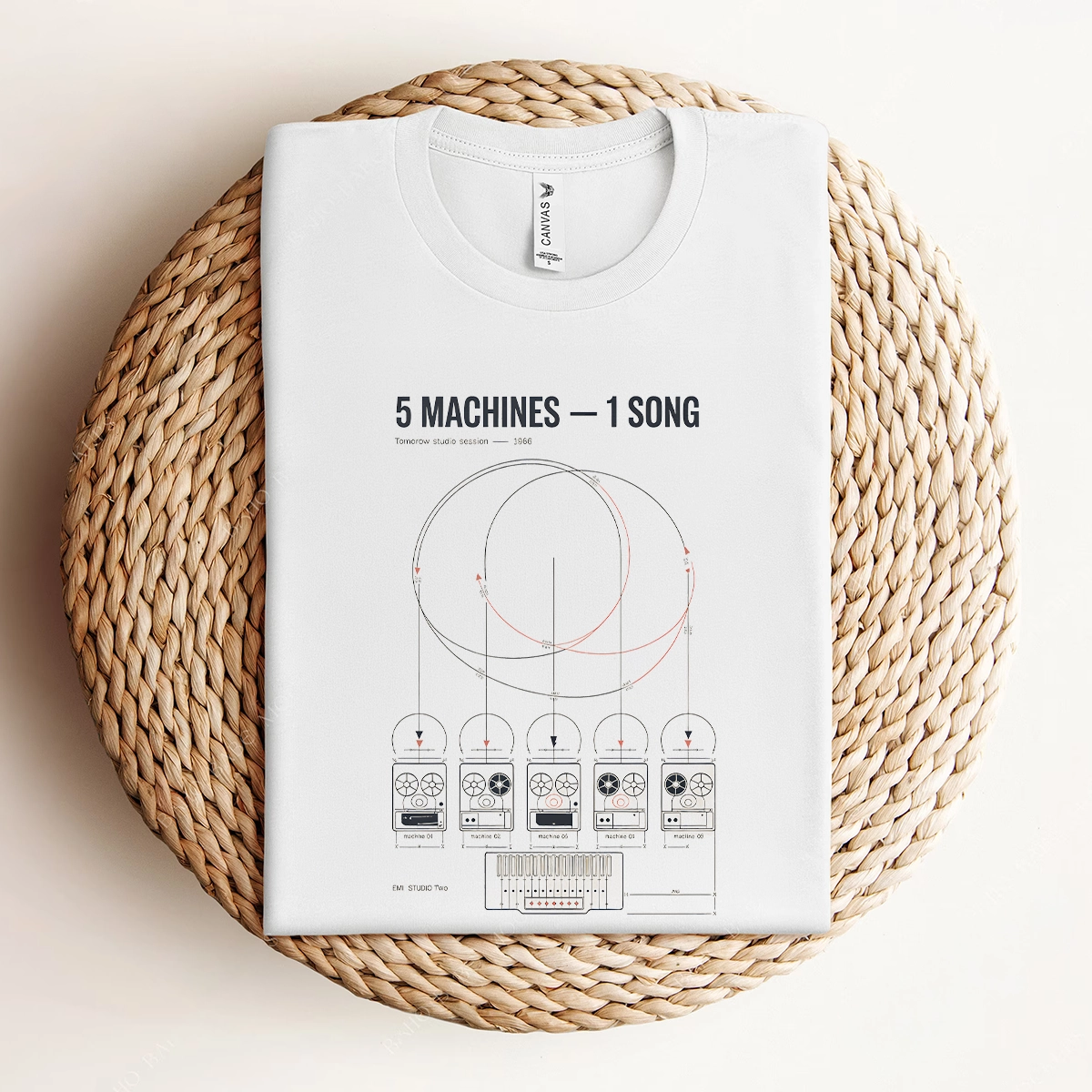
What they did, between September 1966 and June 1967, was reinvent the meaning of the word 'album.' They used eight-track tape machines that nobody had used for rock music before. They sampled BBC radio dramas. They cut tape into strips, threw the strips in the air, and taped them back together at random. They hired a forty-piece classical orchestra and asked them to play from the lowest note on their instrument to the highest, all at once. They suspended microphones inside pickle jars. They played guitars through Leslie speakers designed for church organs. They put their own vocals through tape loops backwards.

The producer's wife came in one day to find her husband on his hands and knees, splicing tape with a razor blade, while John Lennon hummed through a megaphone in the next room. She asked what they were doing. George Martin said: 'I have absolutely no idea. But it's going to be the most important record of the decade.'

It was. On June 1, 1967, Sgt. Pepper's Lonely Hearts Club Band was released to the world. Within a week, every other rock band on Earth was trying to figure out how to make their next album sound like this one. They couldn't. Because the secret wasn't the equipment. The secret was that four young men from Liverpool had finally found a place where the screaming couldn't reach them — and in that silence, they had heard something nobody else had ever heard.

The studio had become the instrument. And music was never going to be the same.

Ten Moments from the Revolution

From a tape played backwards to the album that changed everything — every design is a moment from inside Studio Two.

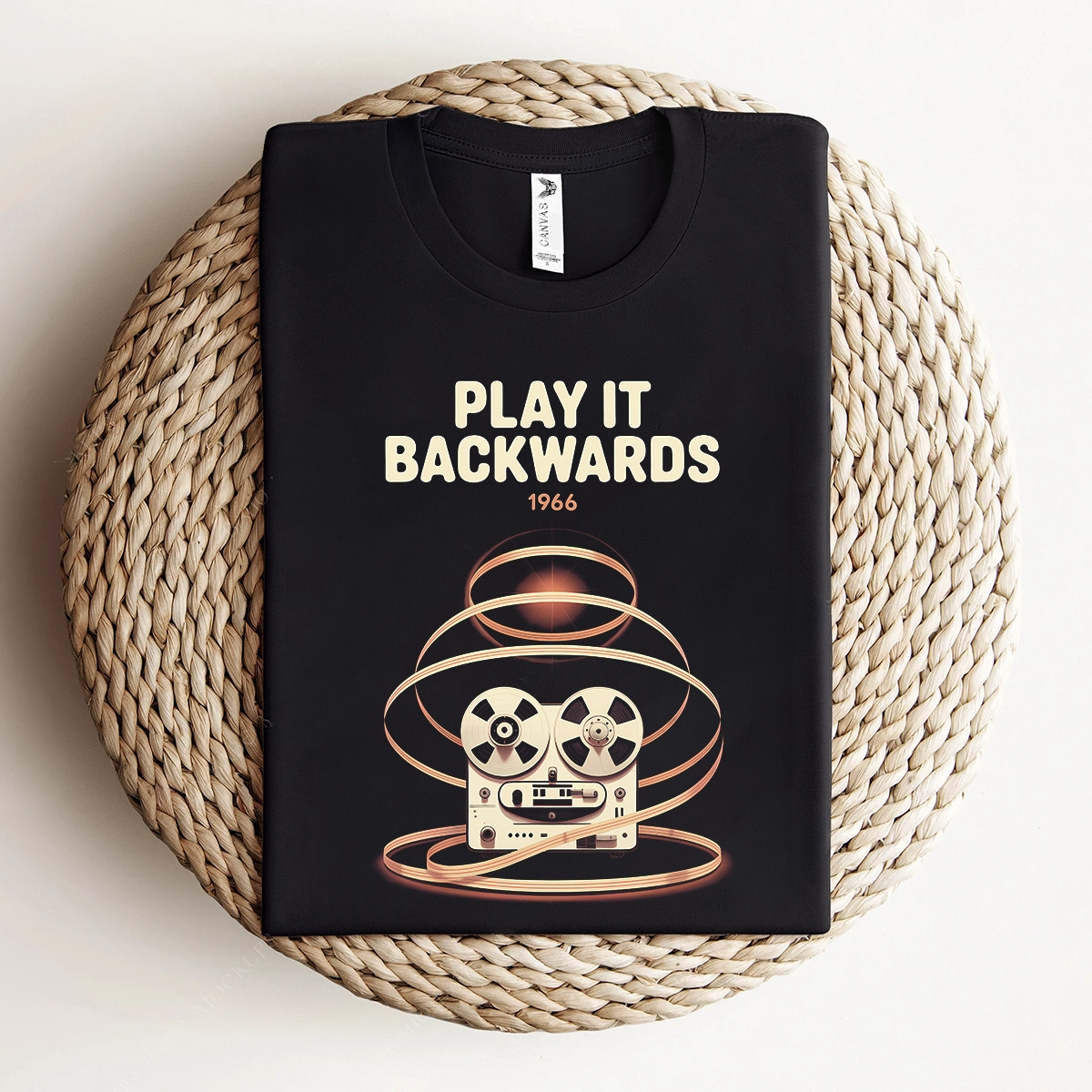
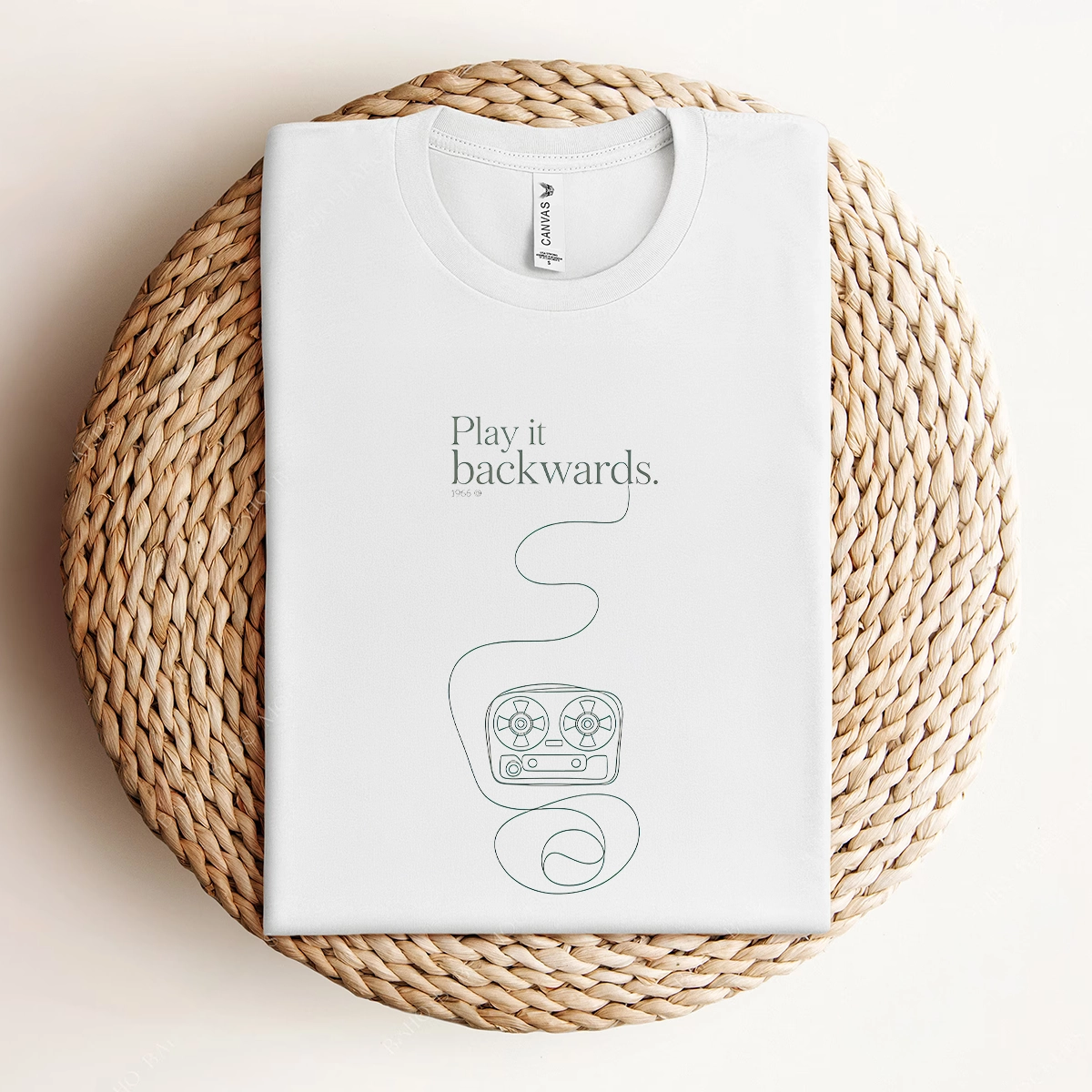
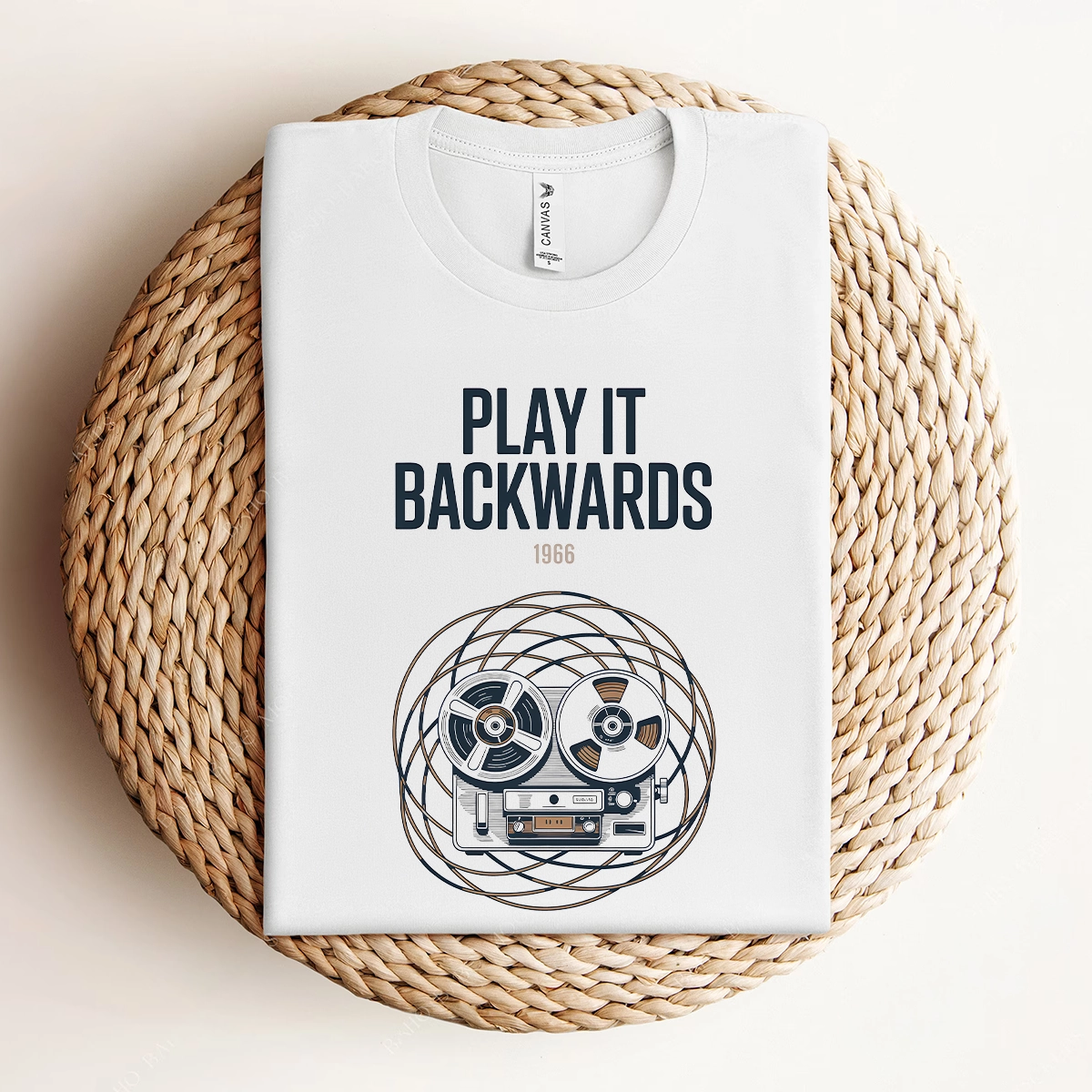
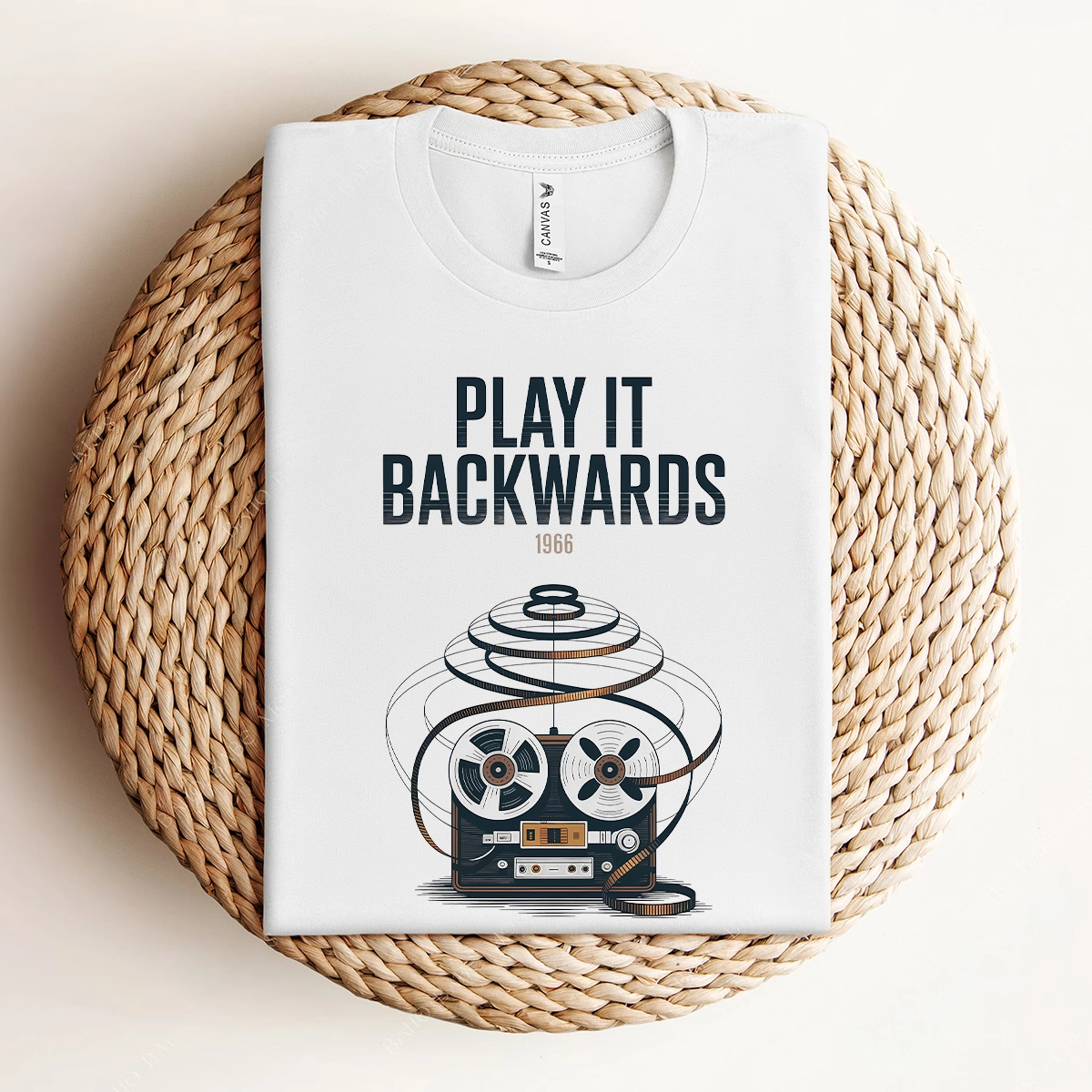
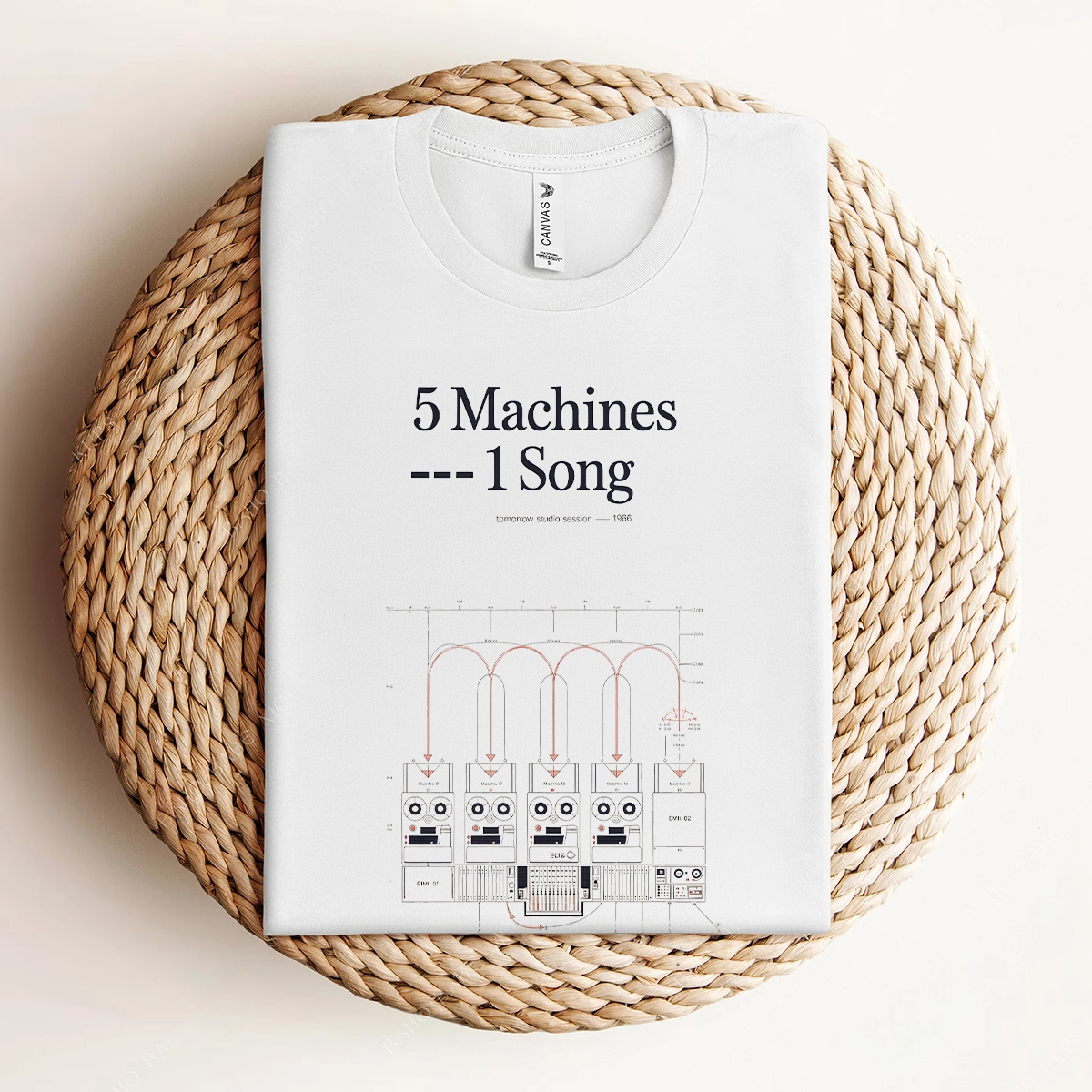
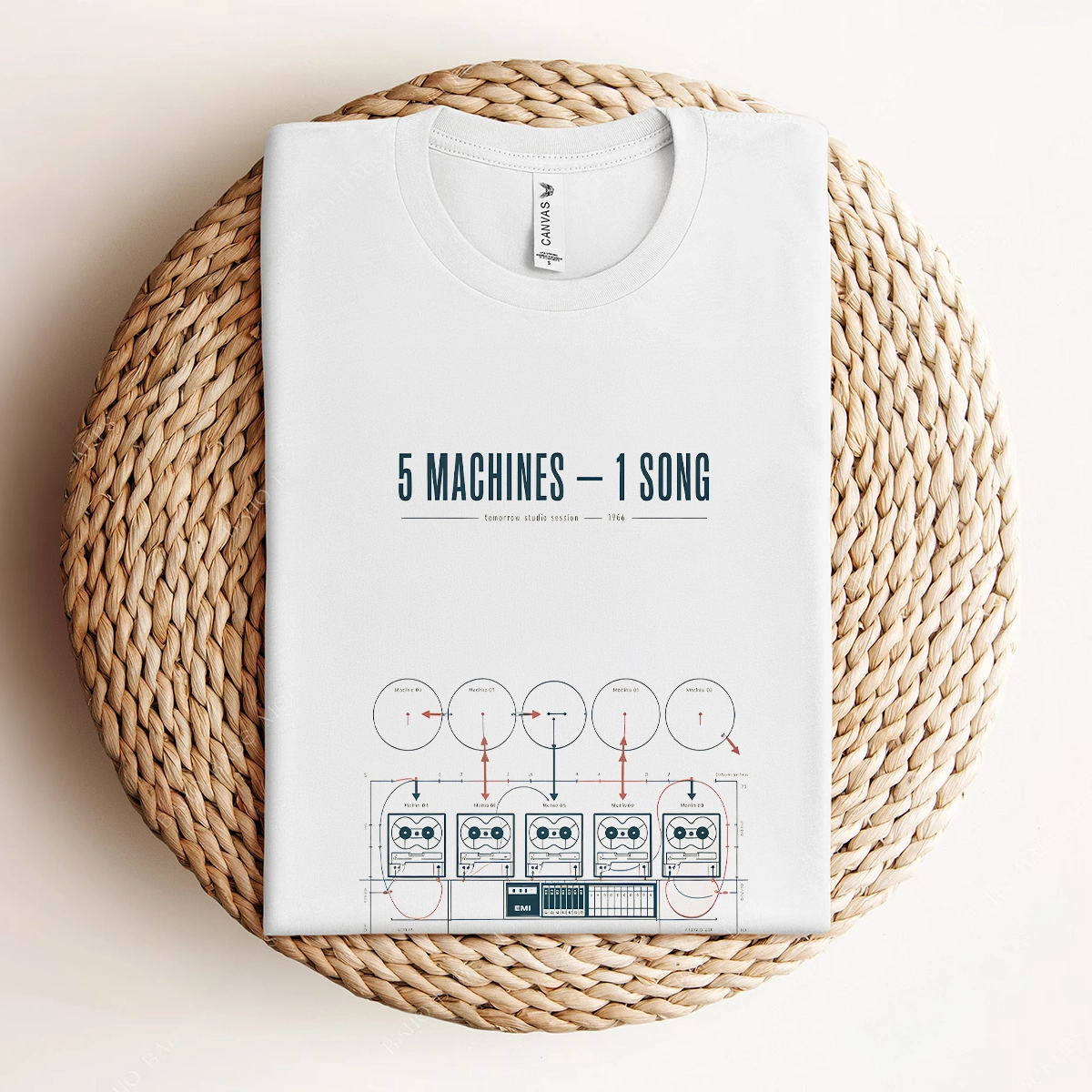
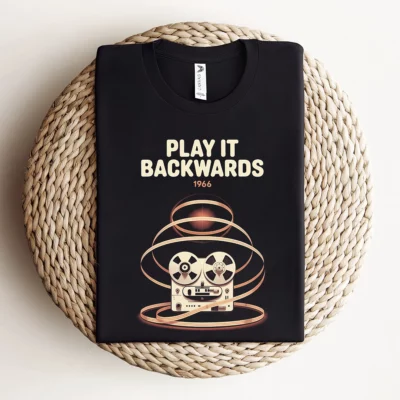
Play It Backwards — 1966 Tape Experiment Rock Tee
Design · 01

Play It Backwards

1966. Someone hung a tape upside-down. Music would never go forward in the same way again.

In April 1966, during the recording of Revolver in Studio Two at Abbey Road, John Lennon walked in with a tape from home. He had accidentally threaded it into his reel-to-reel the wrong way. The sound that came out was something nobody had ever heard before — sounds in reverse, decay before attack, the universe running backwards. They used it on a song called Tomorrow Never Knows. The producer, George Martin, said he had no idea what they were even trying to do. They were inventing it as they went.
4 versions available
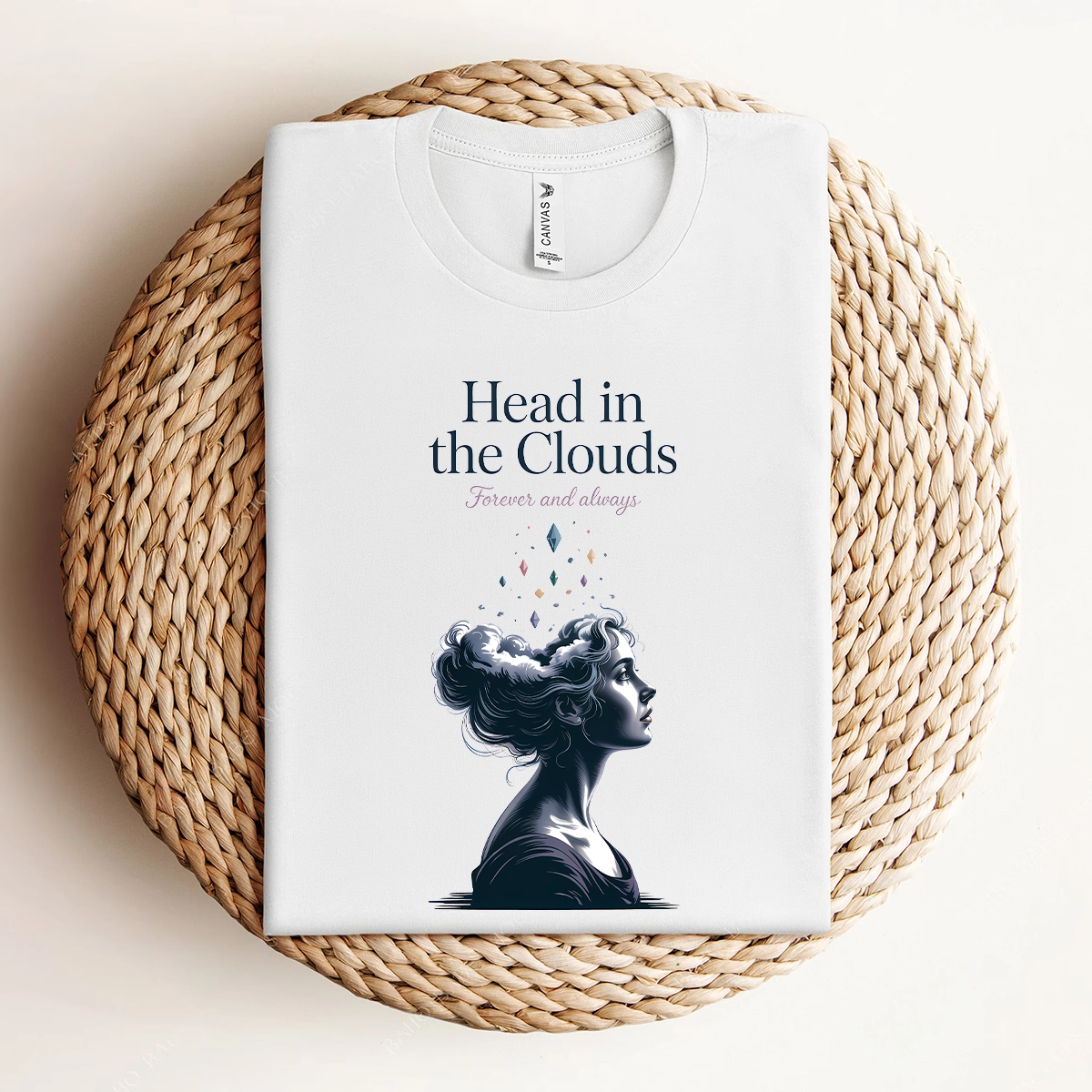
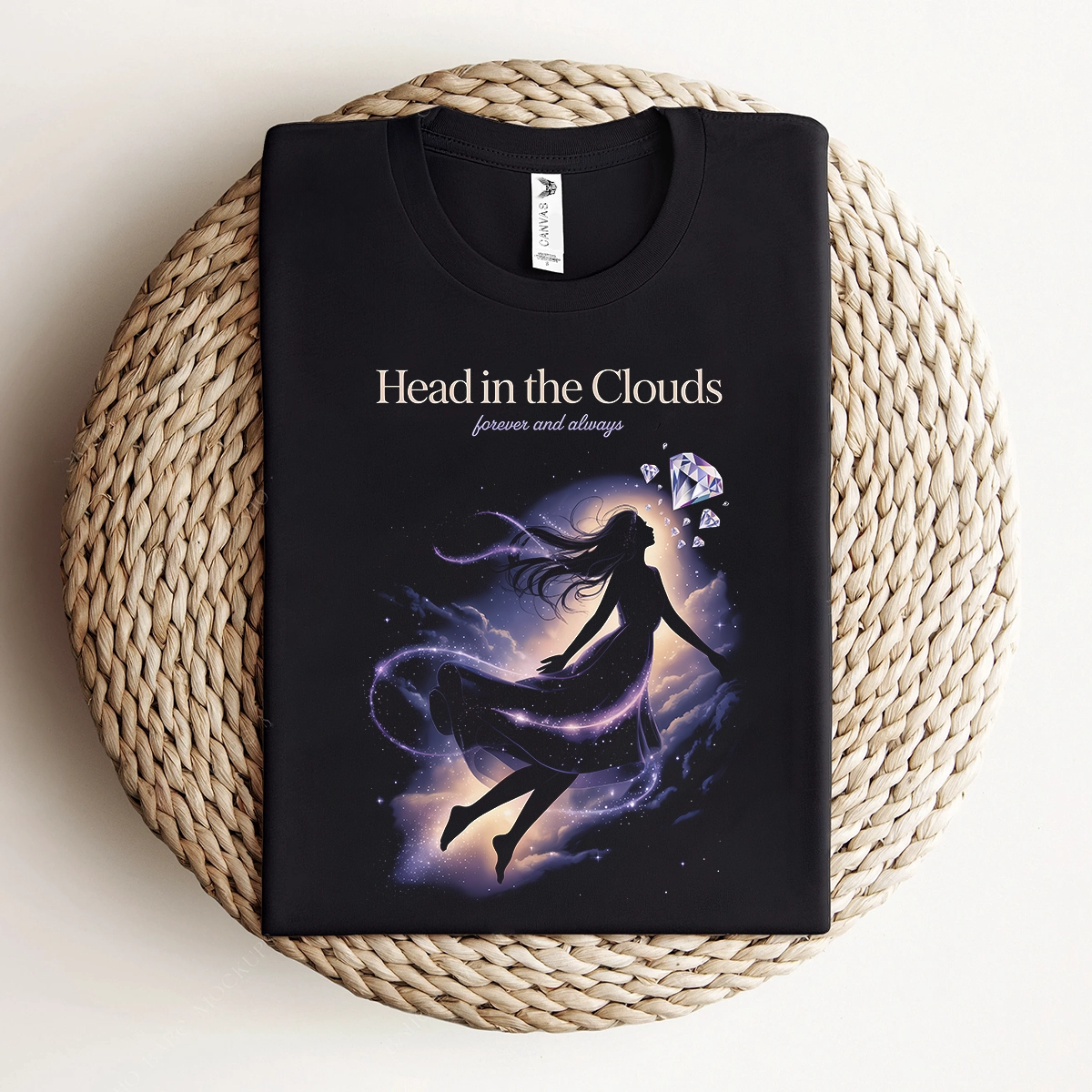
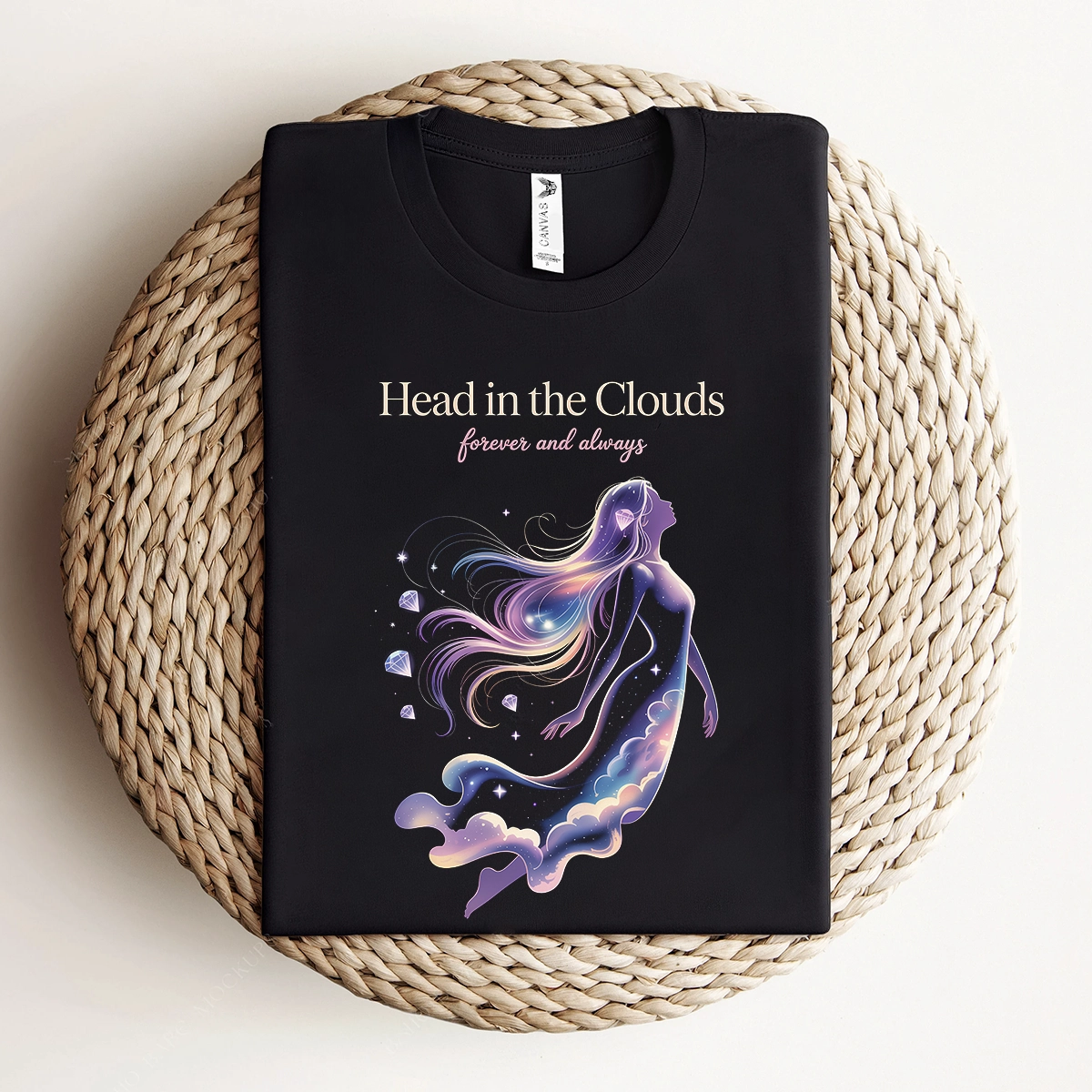
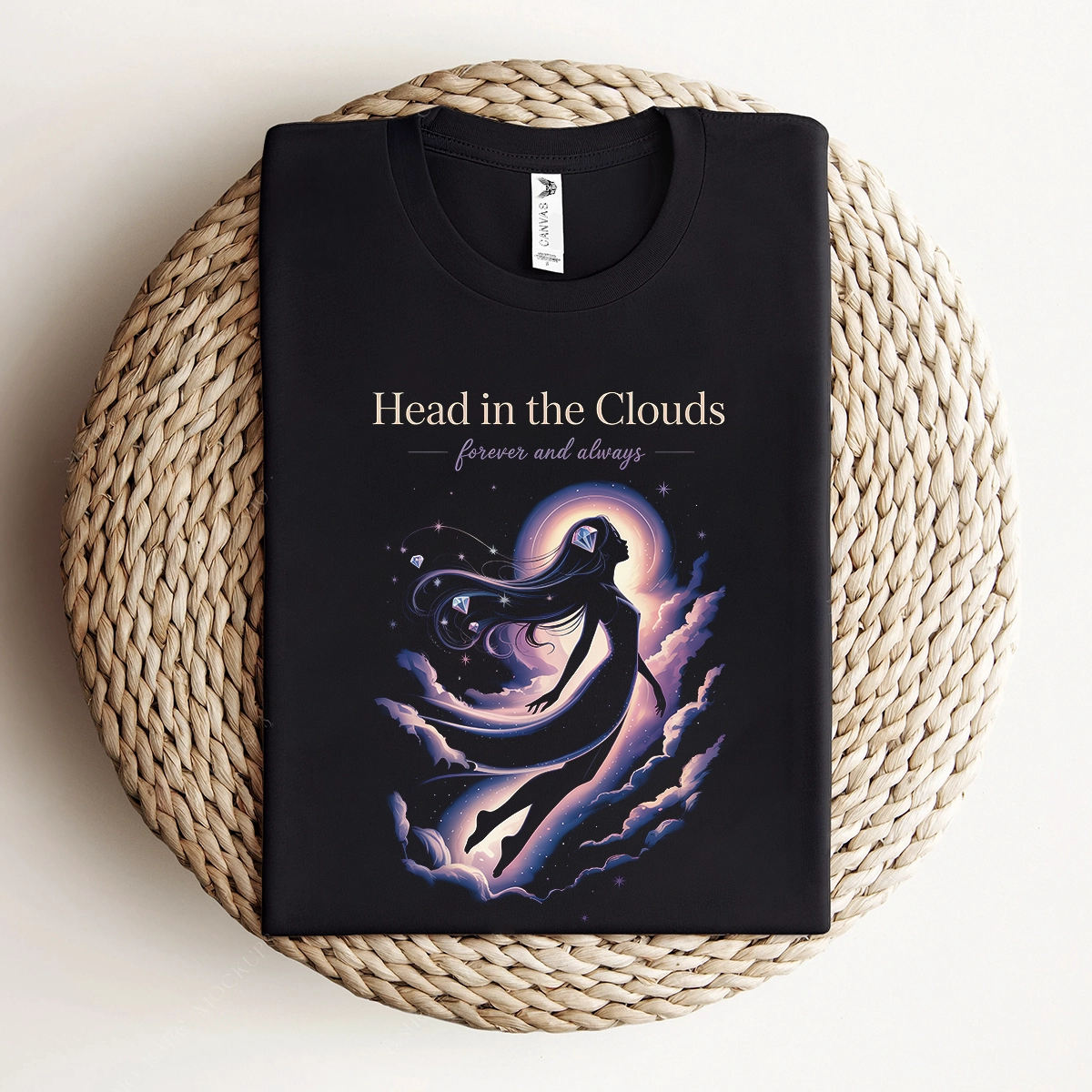
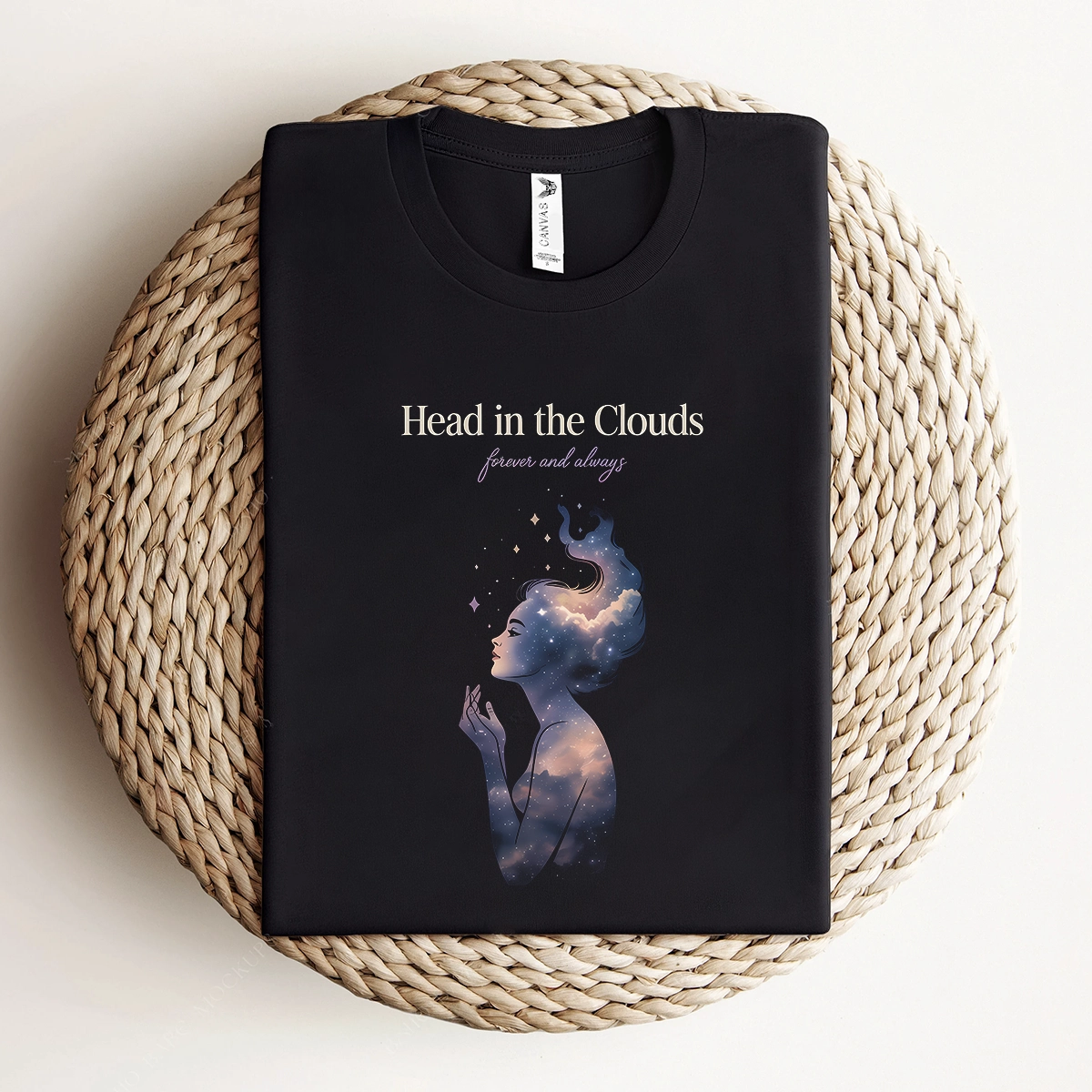
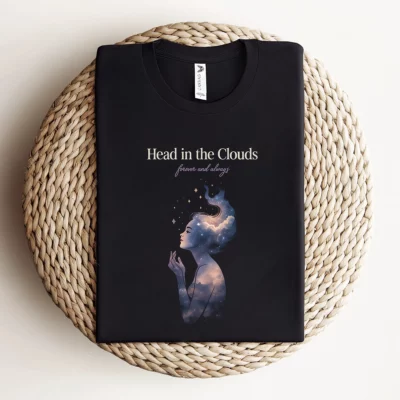
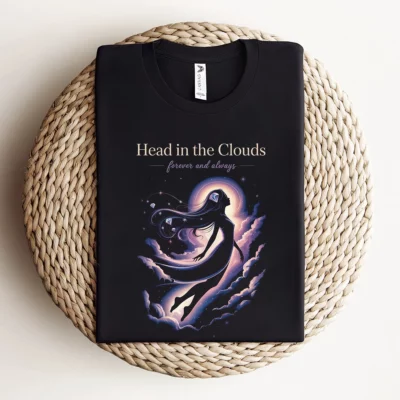
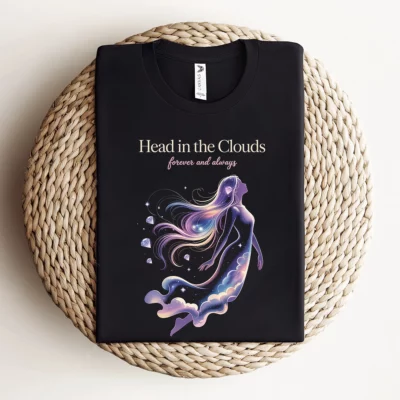
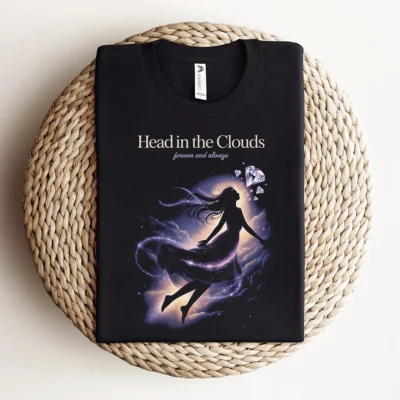
Head in the Clouds — Ethereal Dreamy Rock Heritage Tee
Design · 02

Head in the Clouds

Childhood drawings, kaleidoscope eyes, marmalade skies. Music started painting pictures.

Julian Lennon, age four, came home from nursery school with a watercolor painting. His father asked him what it was. 'It's Lucy in the sky with diamonds,' he said. Within weeks, that sentence had become a song — and that song had become the soundtrack to a generation deciding that reality was negotiable. Music critics tried to decode it. Parents banned it. The BBC refused to play it. None of that mattered. The clouds had won.

5 versions available
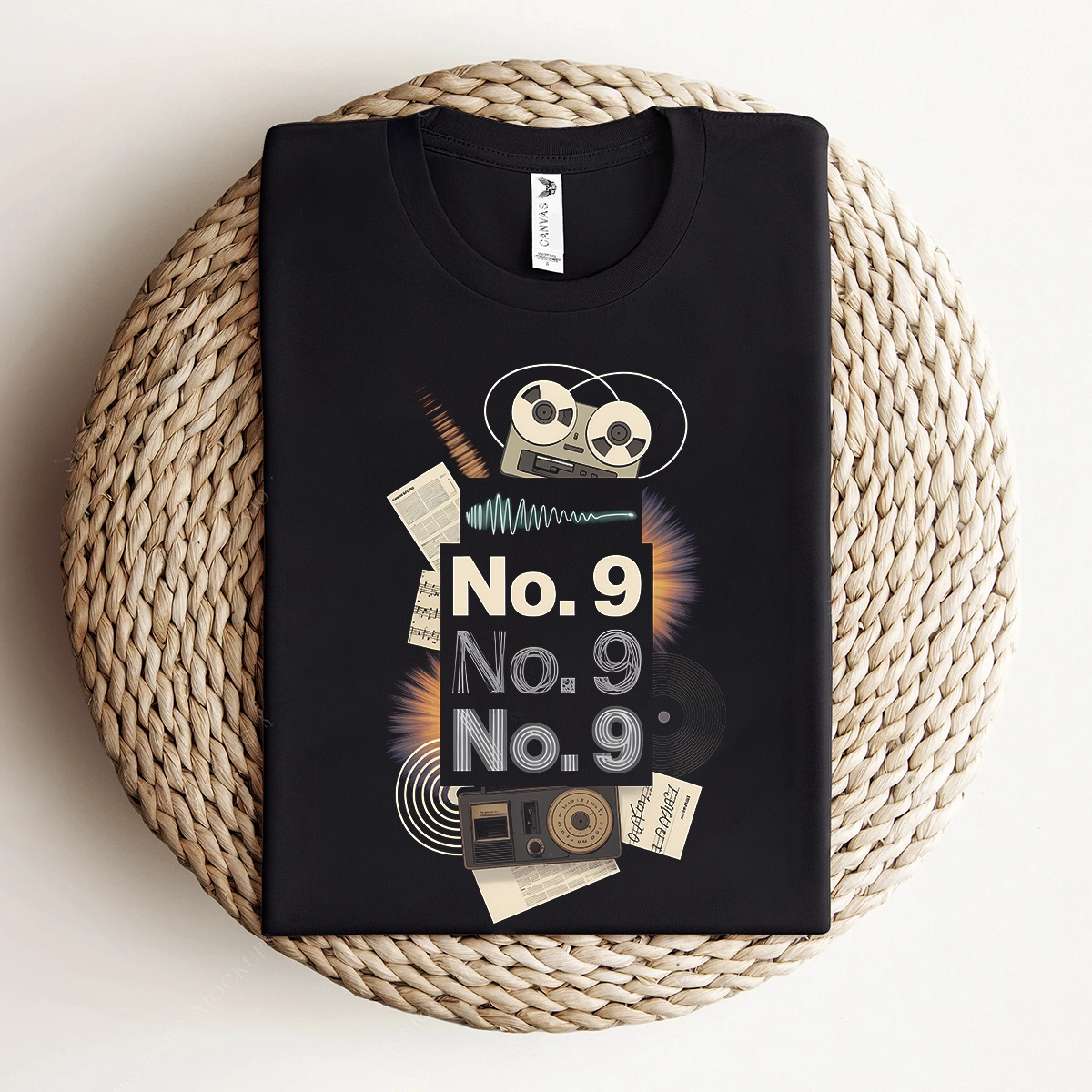
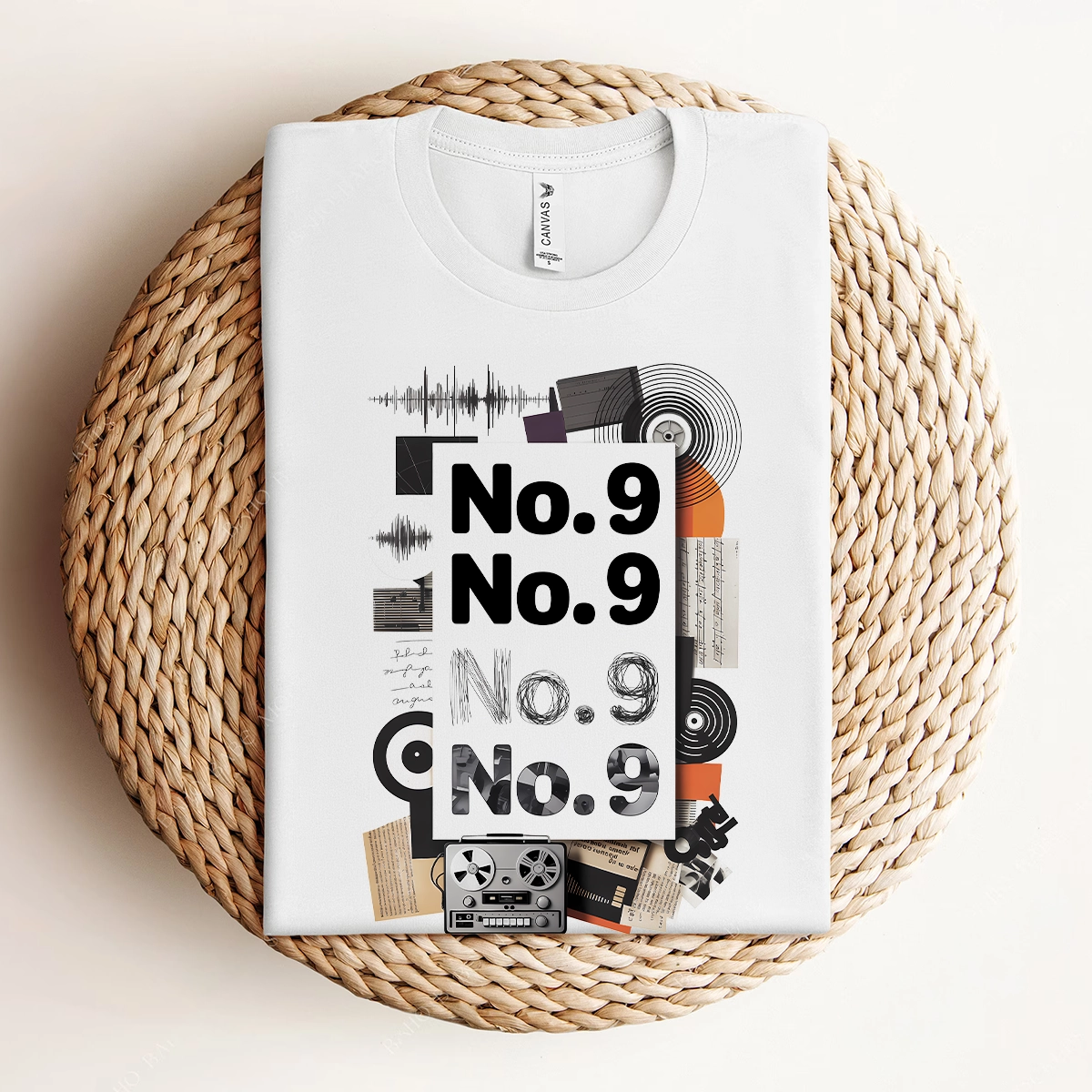
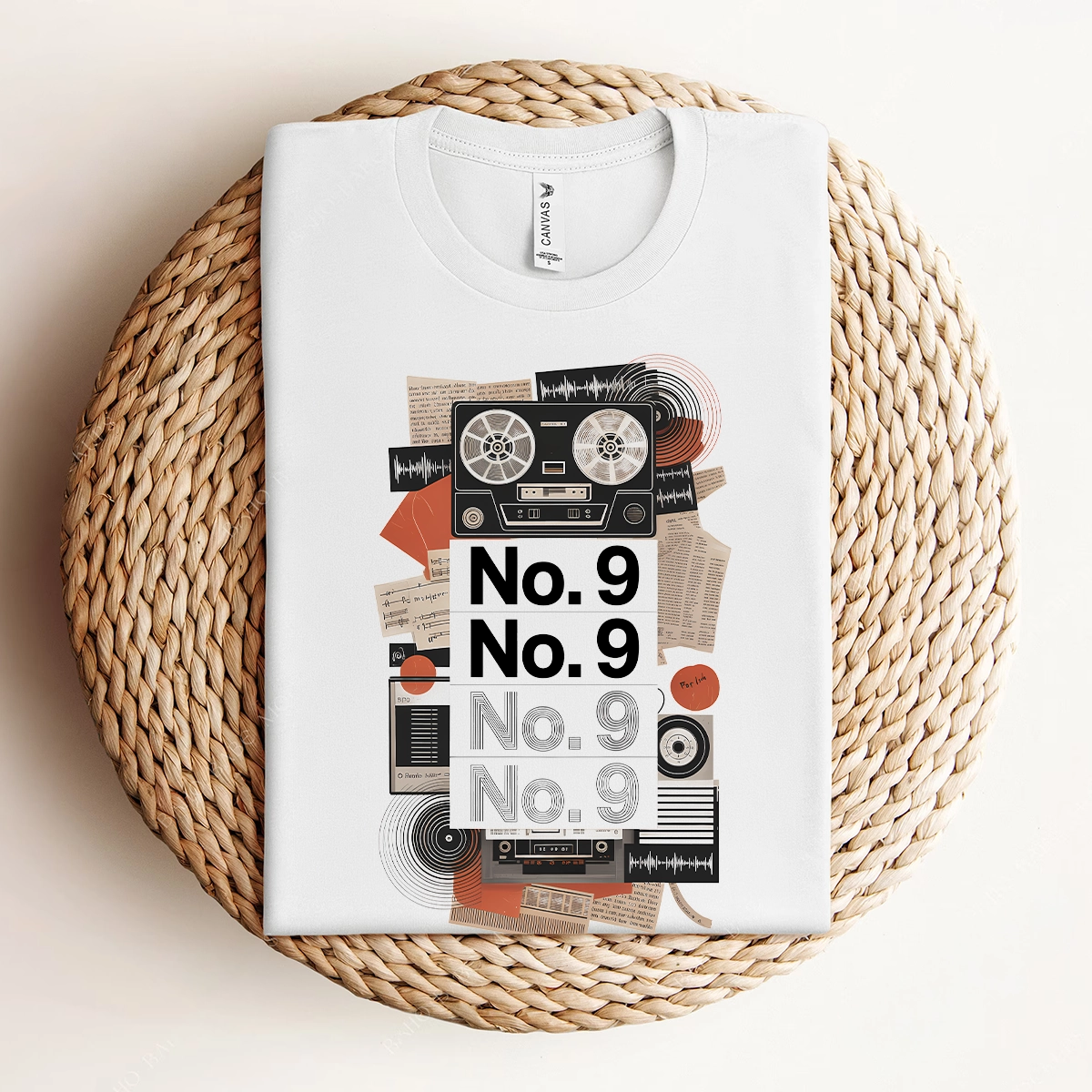
No. 9 — Experimental Avant-Garde Rock Tee
Design · 03

Number Nine

Tape loops. Sound collages. A voice repeating a number. Music or art? Both.

By 1967, the band was deep into the world of musique concrète — the avant-garde sound art being made in Paris and Cologne by Pierre Schaeffer and Karlheinz Stockhausen. They cut tape into pieces, threw the pieces in the air, taped them back together at random. They recorded sounds backwards and forwards at the same time. They sampled BBC radio dramas. The result confused everyone. The result also became one of the most influential pieces of music of the entire century.

3 versions available
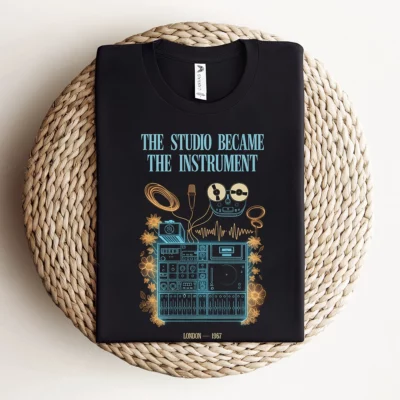
The Studio Became the Instrument — London 1967 Rock Tee
Design · 04

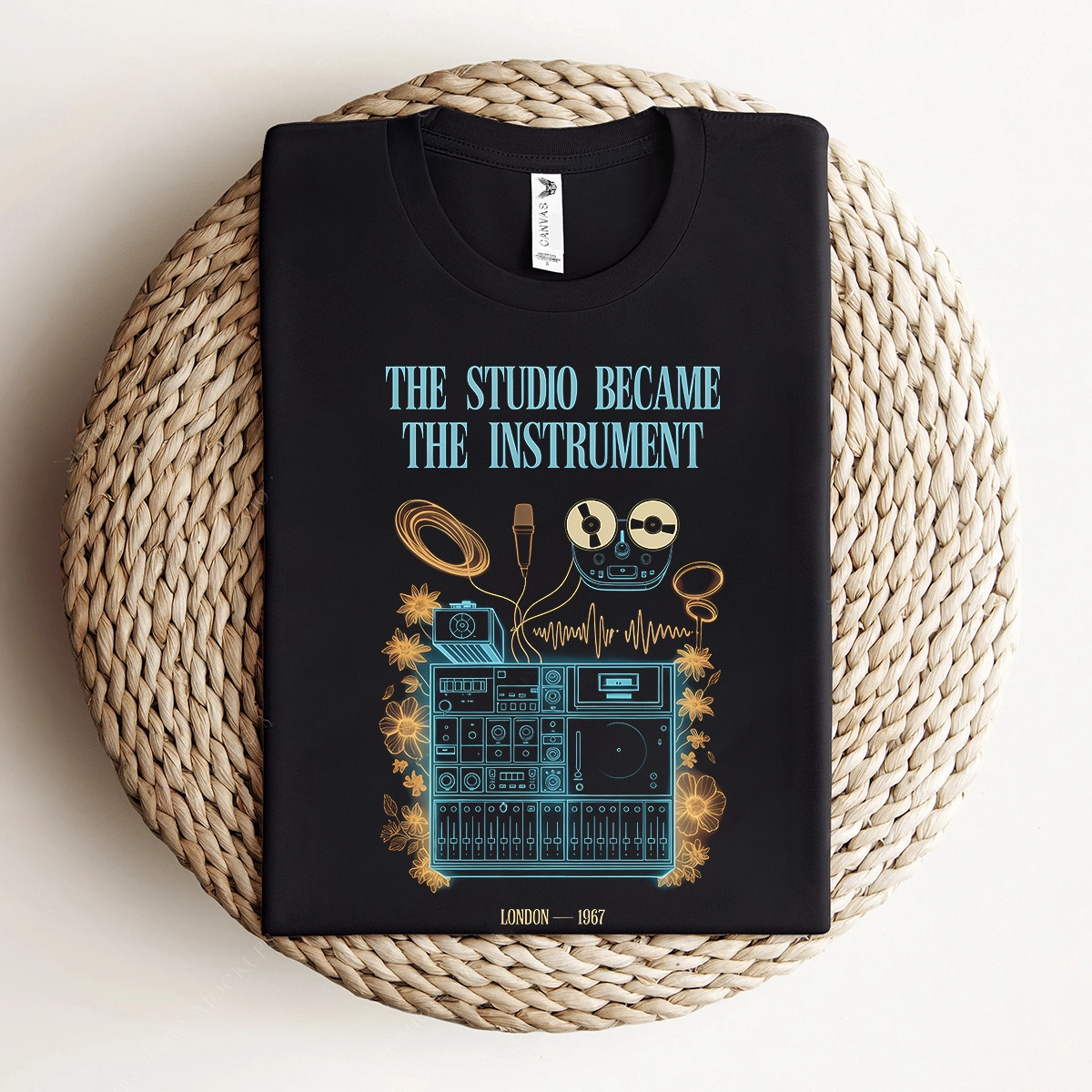
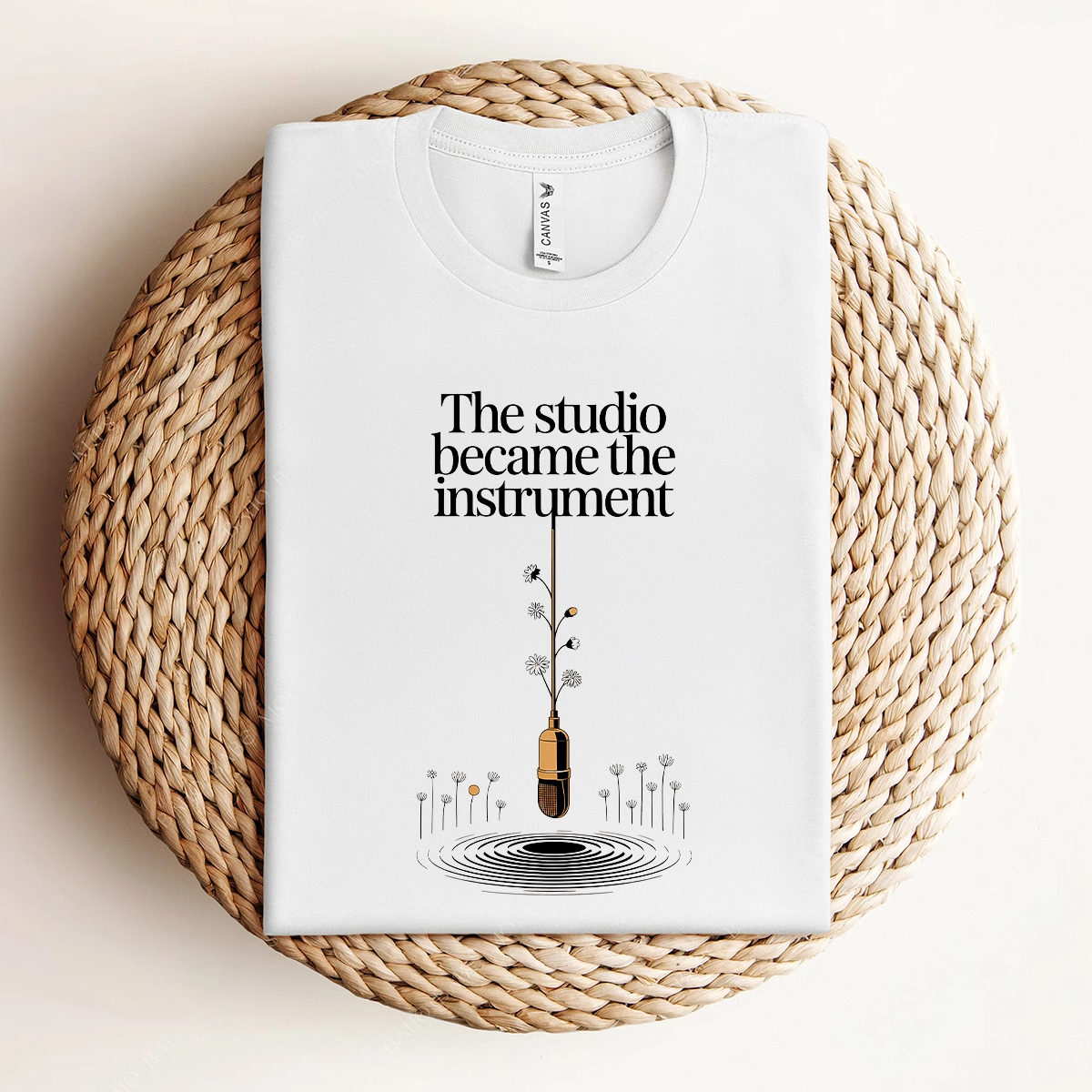
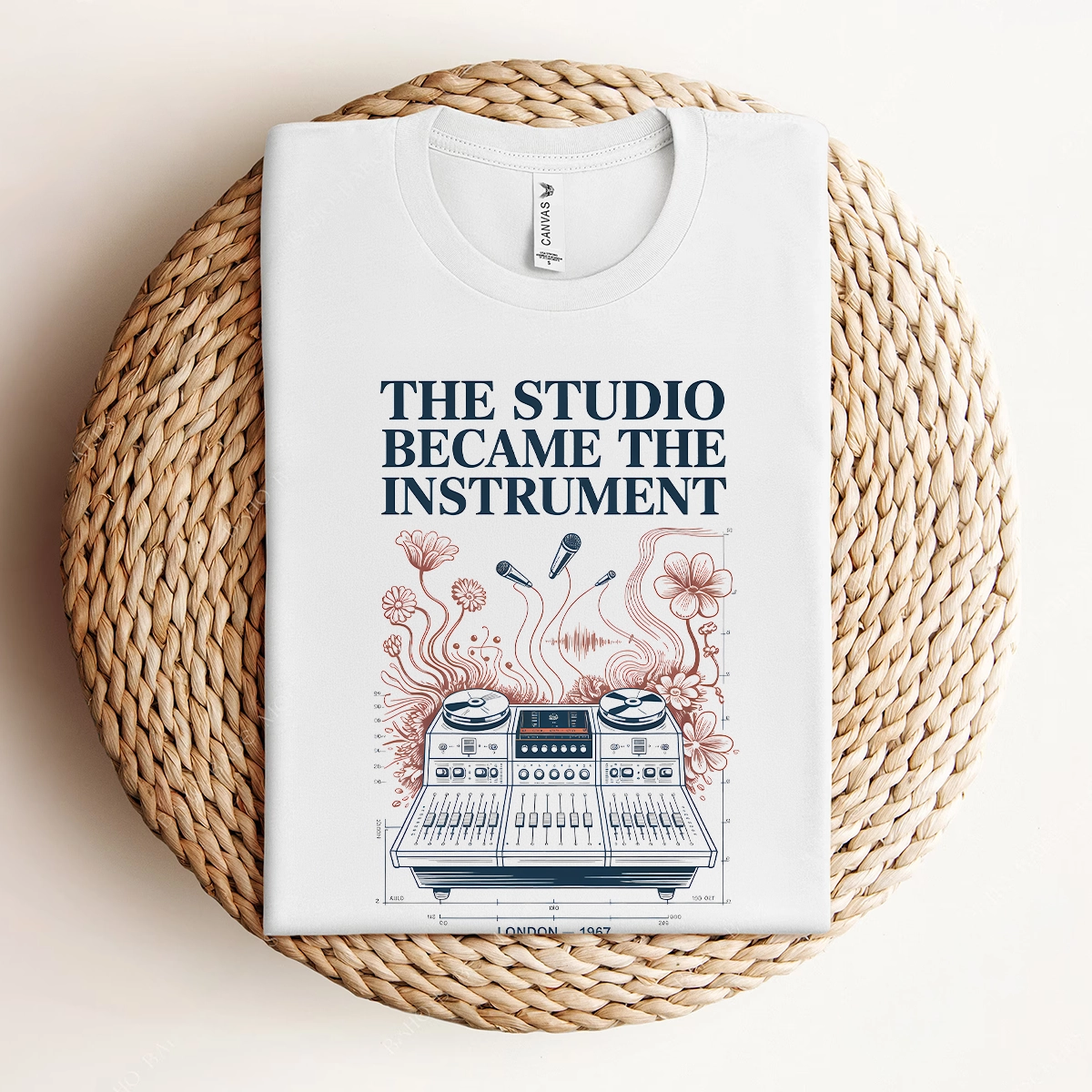
The Studio Became the Instrument

They stopped touring. They moved into the studio. The room became the band's sixth member.

After the screams of Beatlemania drowned out their concerts, they made a decision in August 1966: they would never play live again. From that day on, the studio became the music. Eight-track recording. Variable-speed tape machines. Microphones suspended in pickle jars. A single guitar chord might take eighty hours to record. Their producer, George Martin, started calling Studio Two at Abbey Road 'the laboratory.' Music had never been made this way. Nobody had ever even thought to try.

6 versions available
Penny Lane — Every Face Has a Story Liverpool L18 Tee
Design · 05

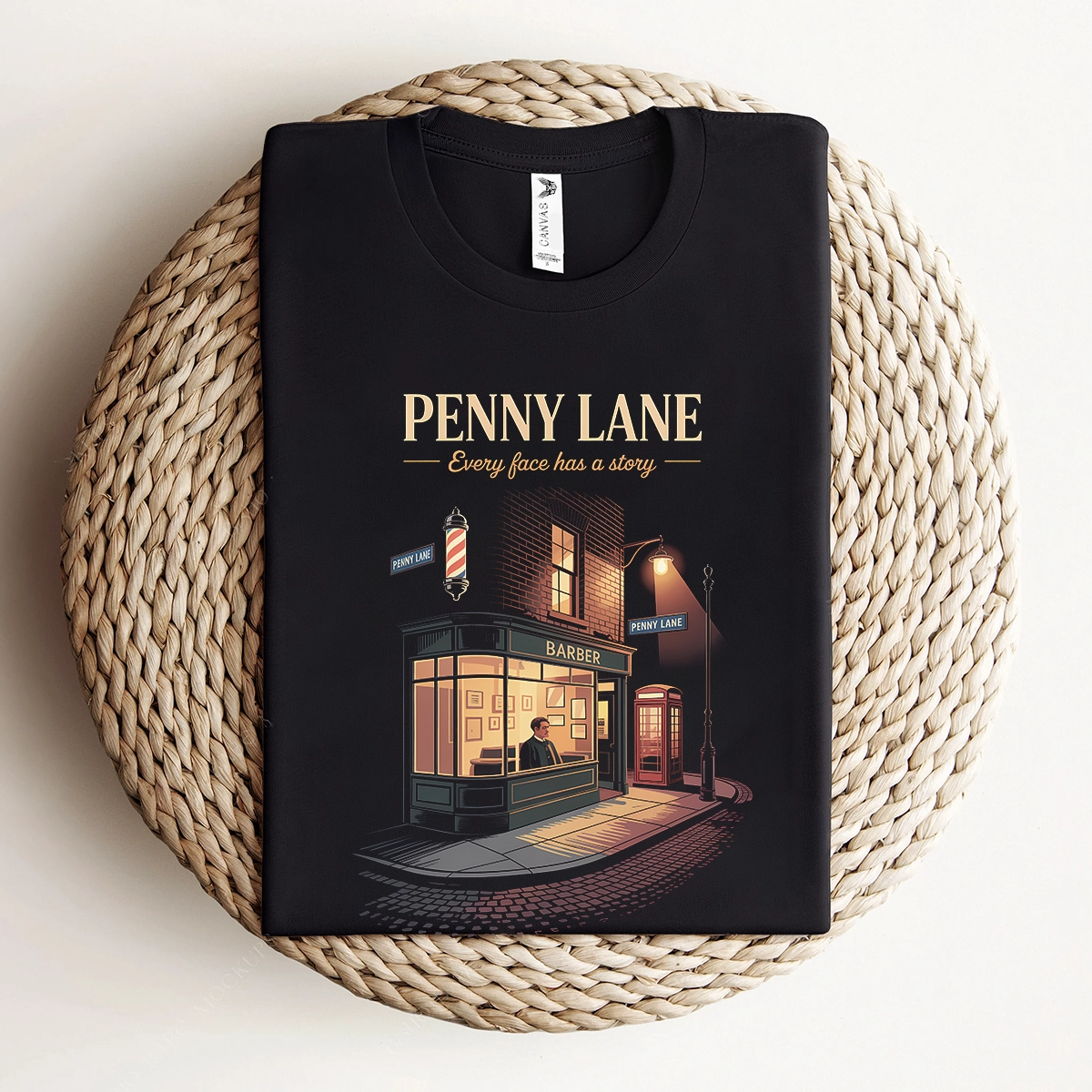
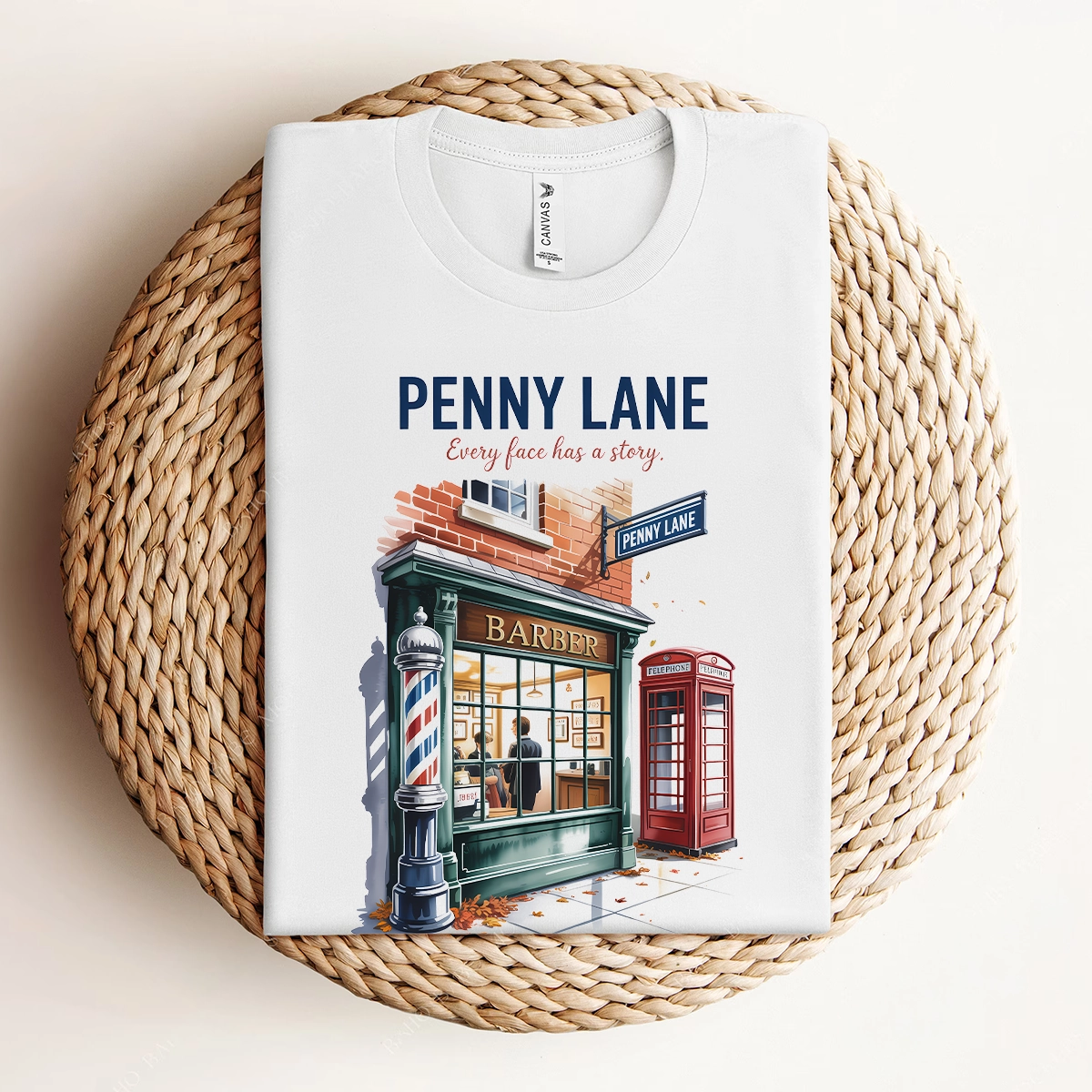
Penny Lane

A real bus stop in Liverpool. A real barber, a real banker, a real fireman. Their childhood put to music.

Penny Lane is a real street in the Mossley Hill district of Liverpool. There really is a barber shop there. There really is a roundabout where the bus turns. The lyrics were a love letter to the city the band had left behind, written by Paul McCartney from a London apartment in late 1966 — a song built entirely from memories of being seven years old and watching the world from a bus window. The piccolo trumpet solo was inspired by a Bach cantata McCartney heard on television one Sunday afternoon.

2 versions available
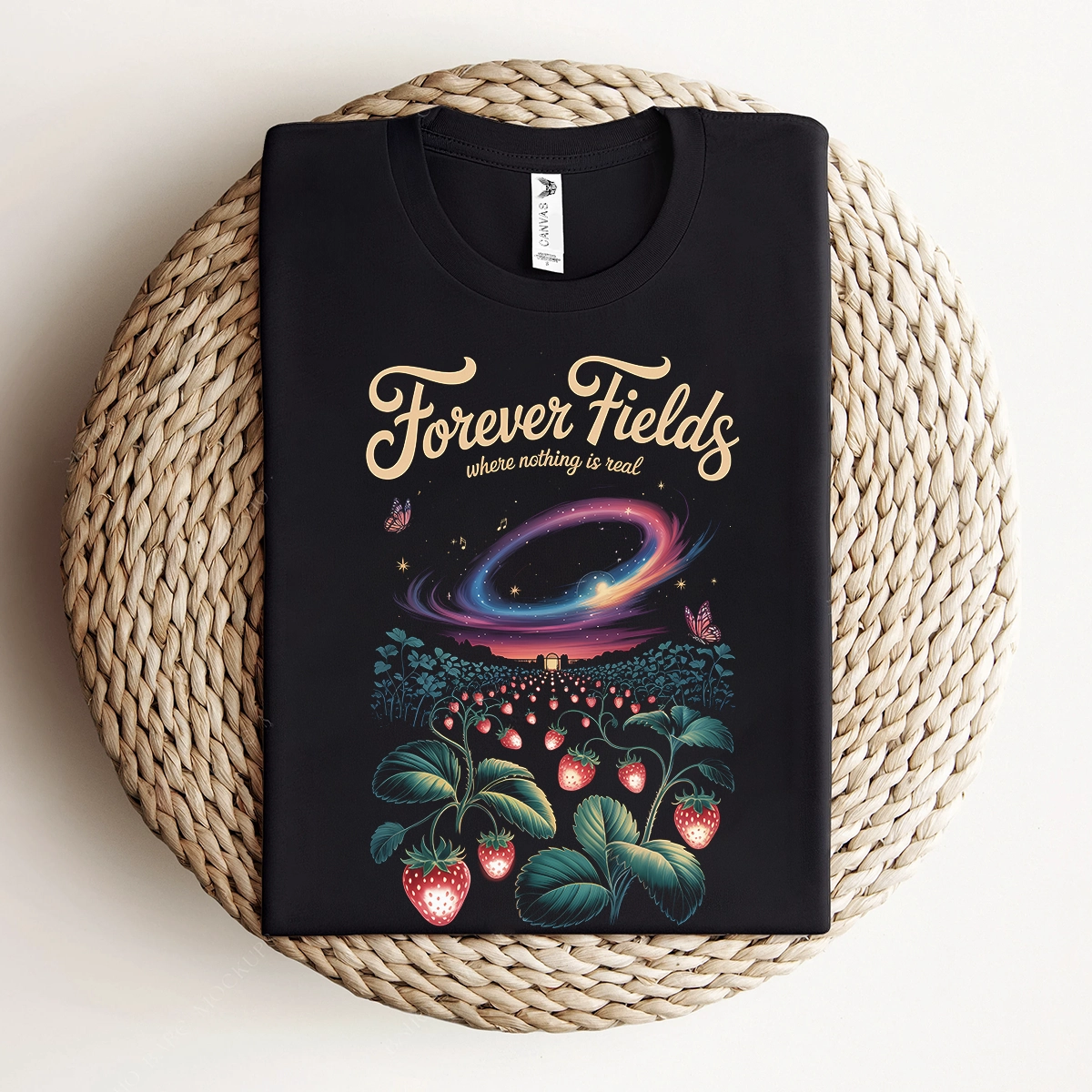
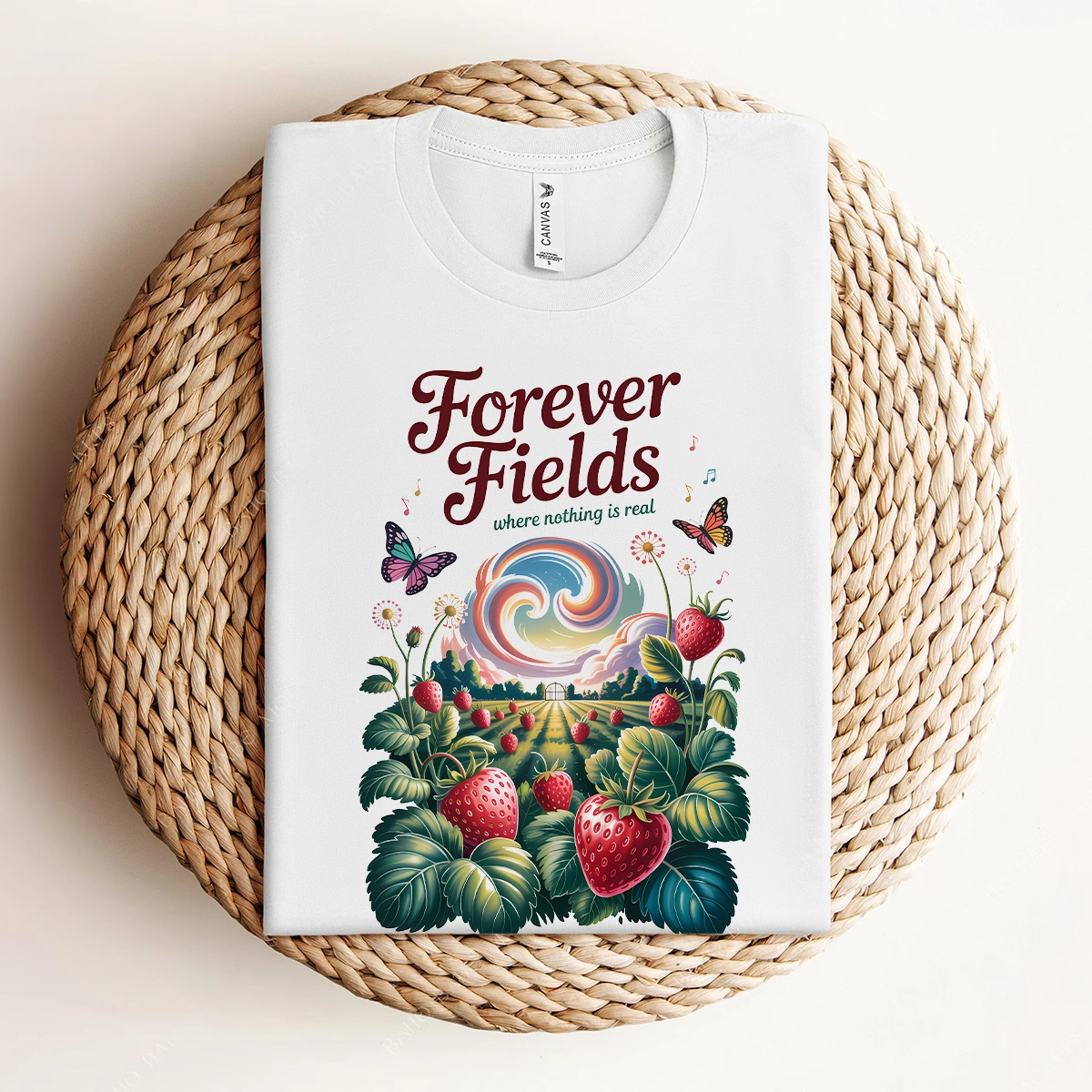
Forever Fields — Surreal Dreamscape Rock Heritage Tee
Design · 06

Forever Fields

A Salvation Army orphanage near John Lennon's childhood home. The garden where he played alone.

Strawberry Field — singular, no S — was a Victorian Gothic mansion in the Woolton suburb of Liverpool, used as a children's home from 1936 onward. Young John Lennon's house was just down the road. He used to climb over the wall to play in the gardens, alone with his imagination. In late 1966, working in a London hotel room, he wrote a song about it. 'Living is easy with eyes closed,' he sang. 'Misunderstanding all you see.' It would become one of the most innovative recordings in pop music history — a single song stitched together from two completely different recordings in two different keys at two different speeds.

2 versions available
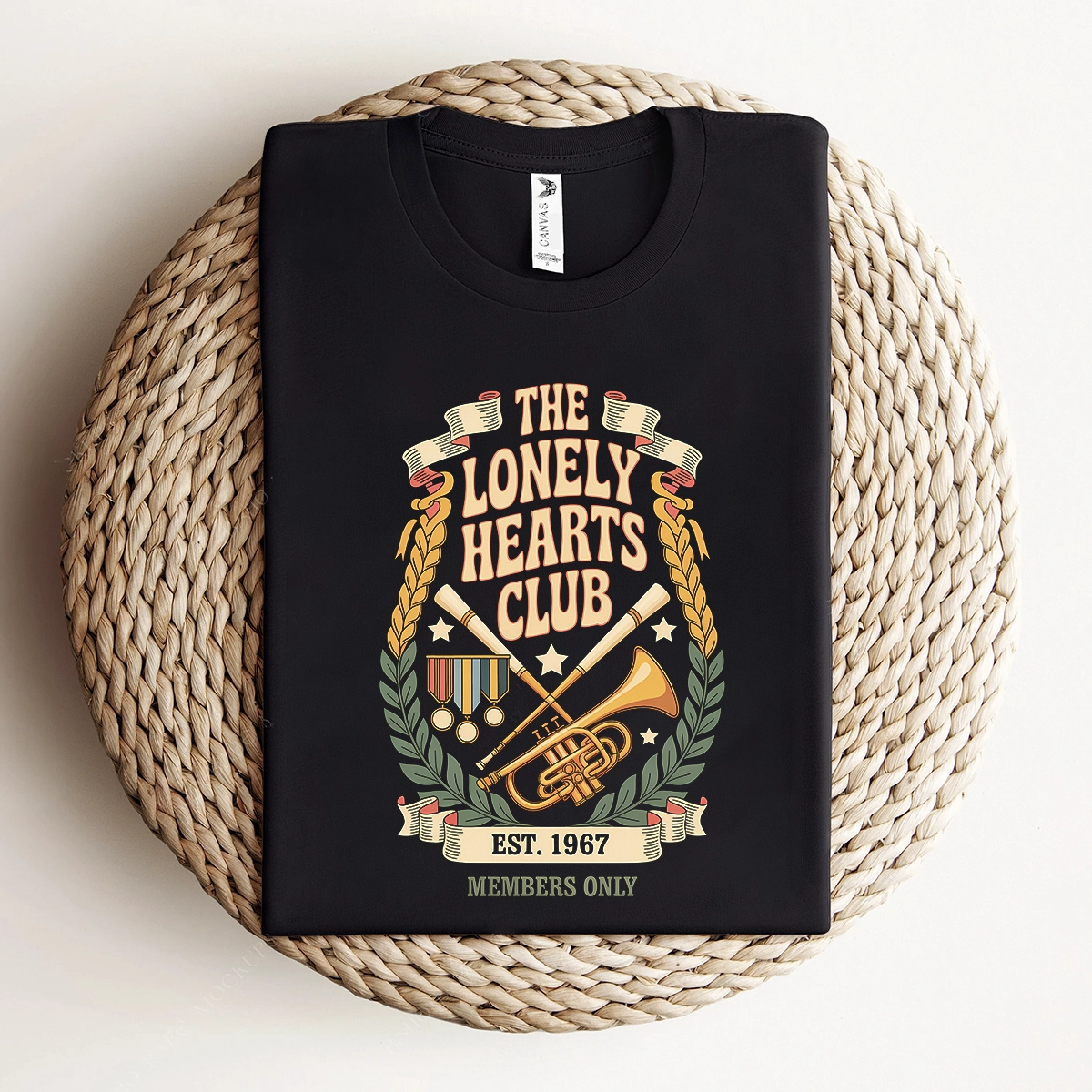
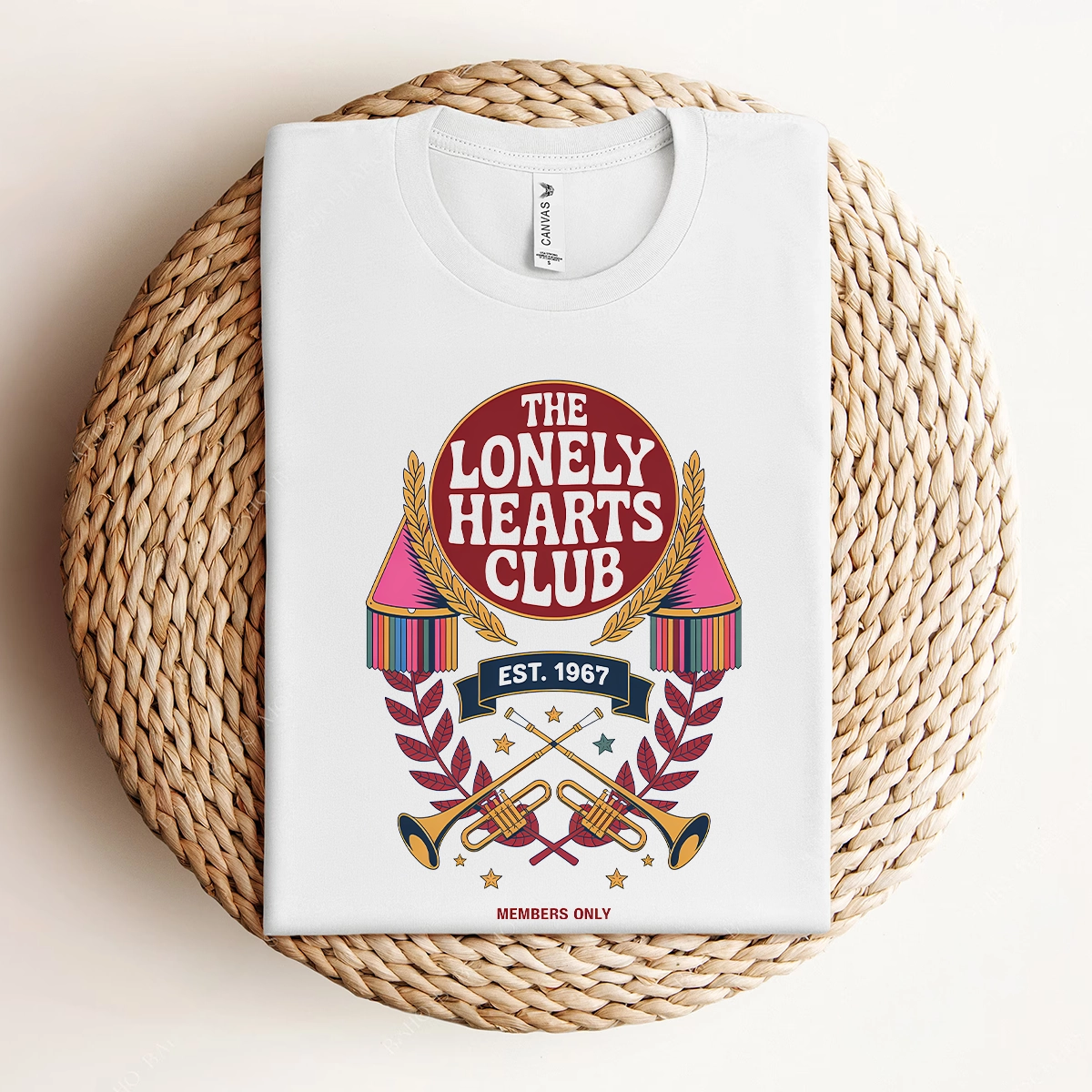
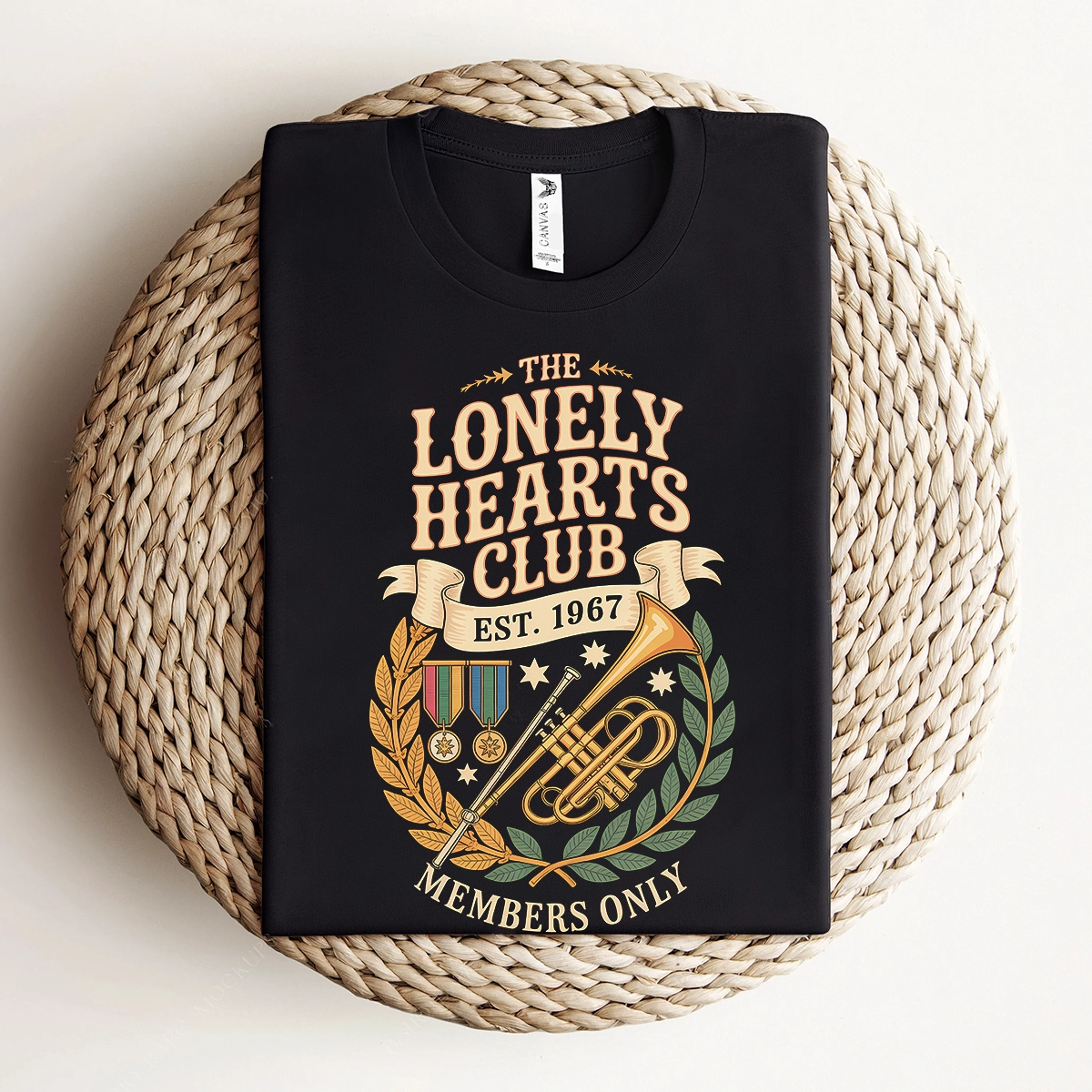
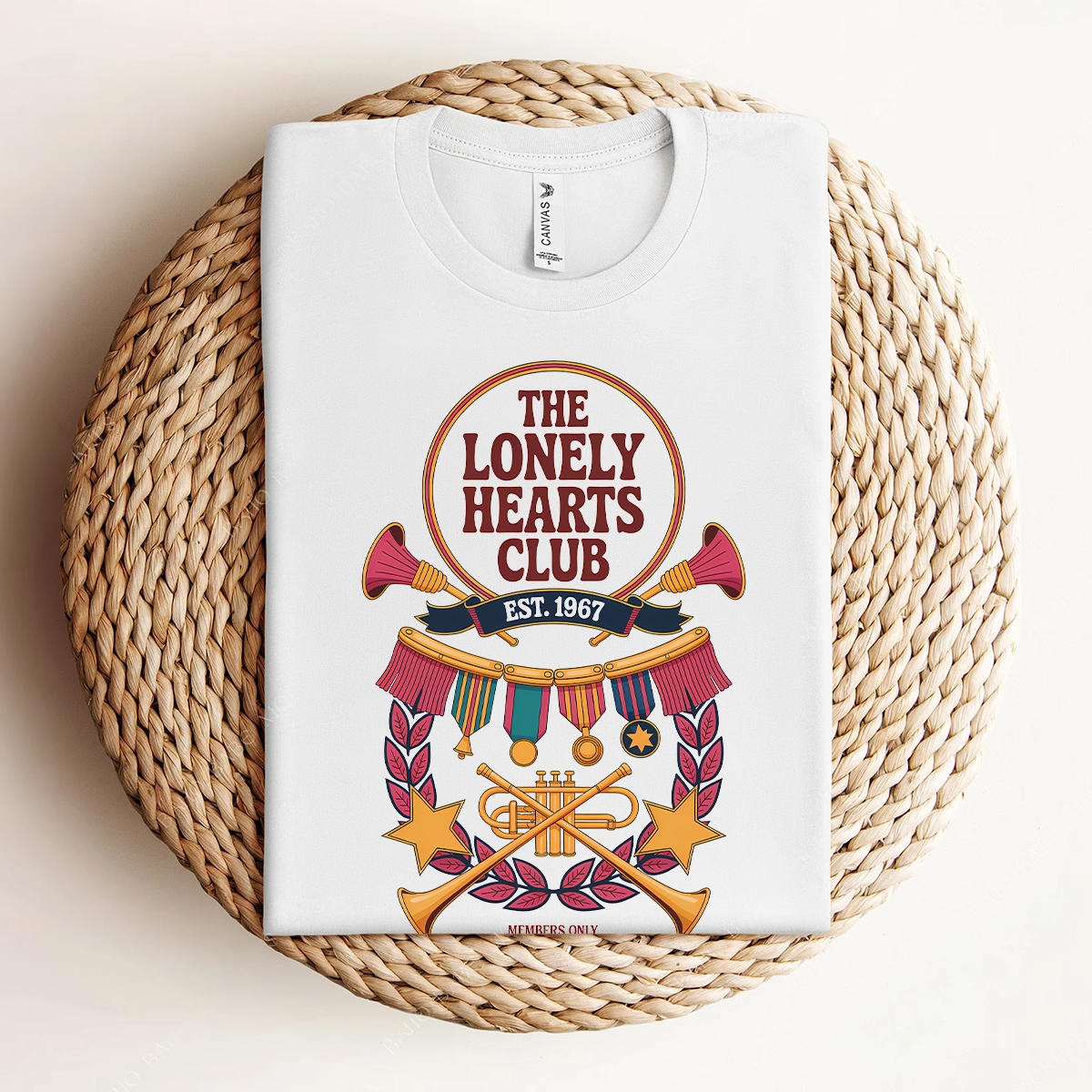
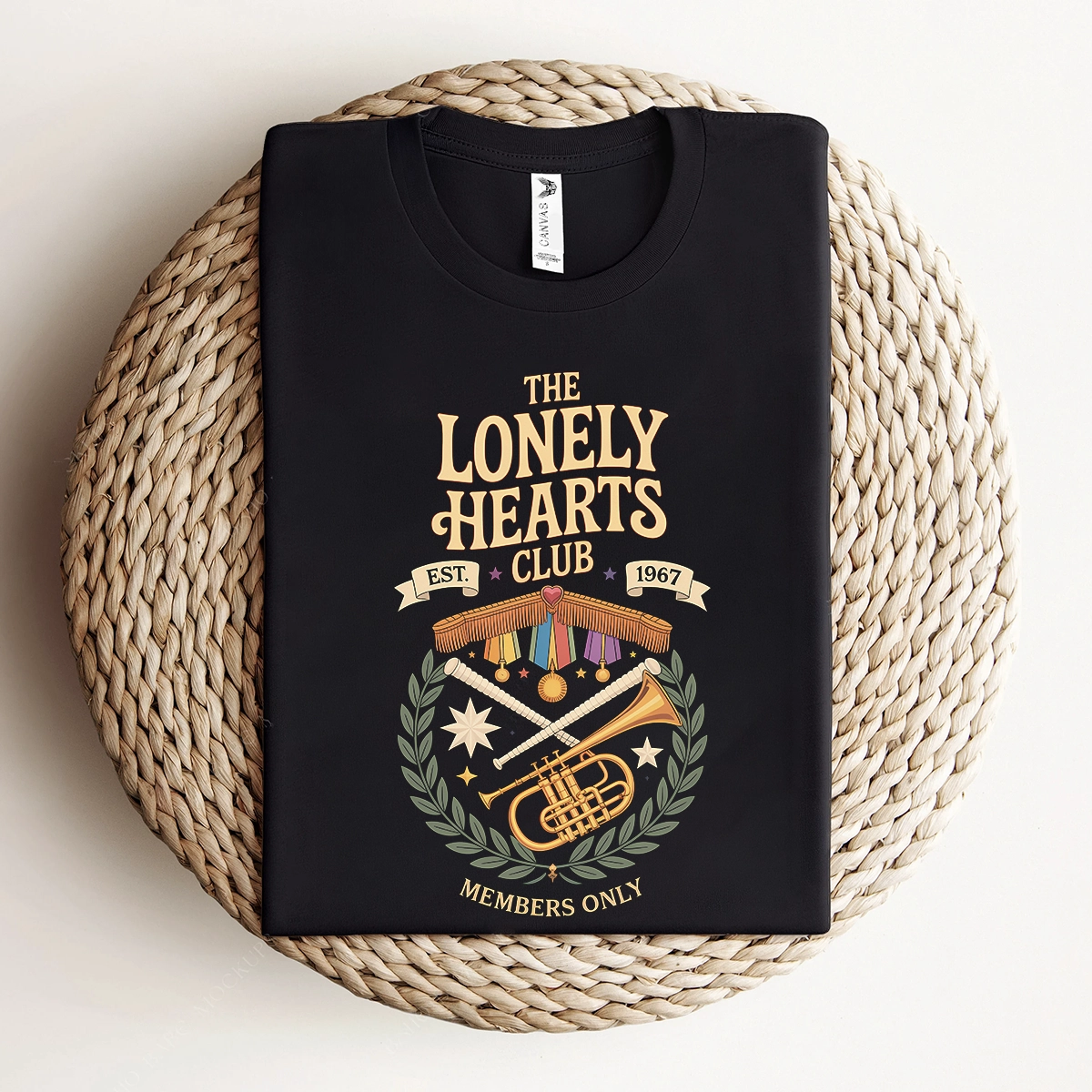
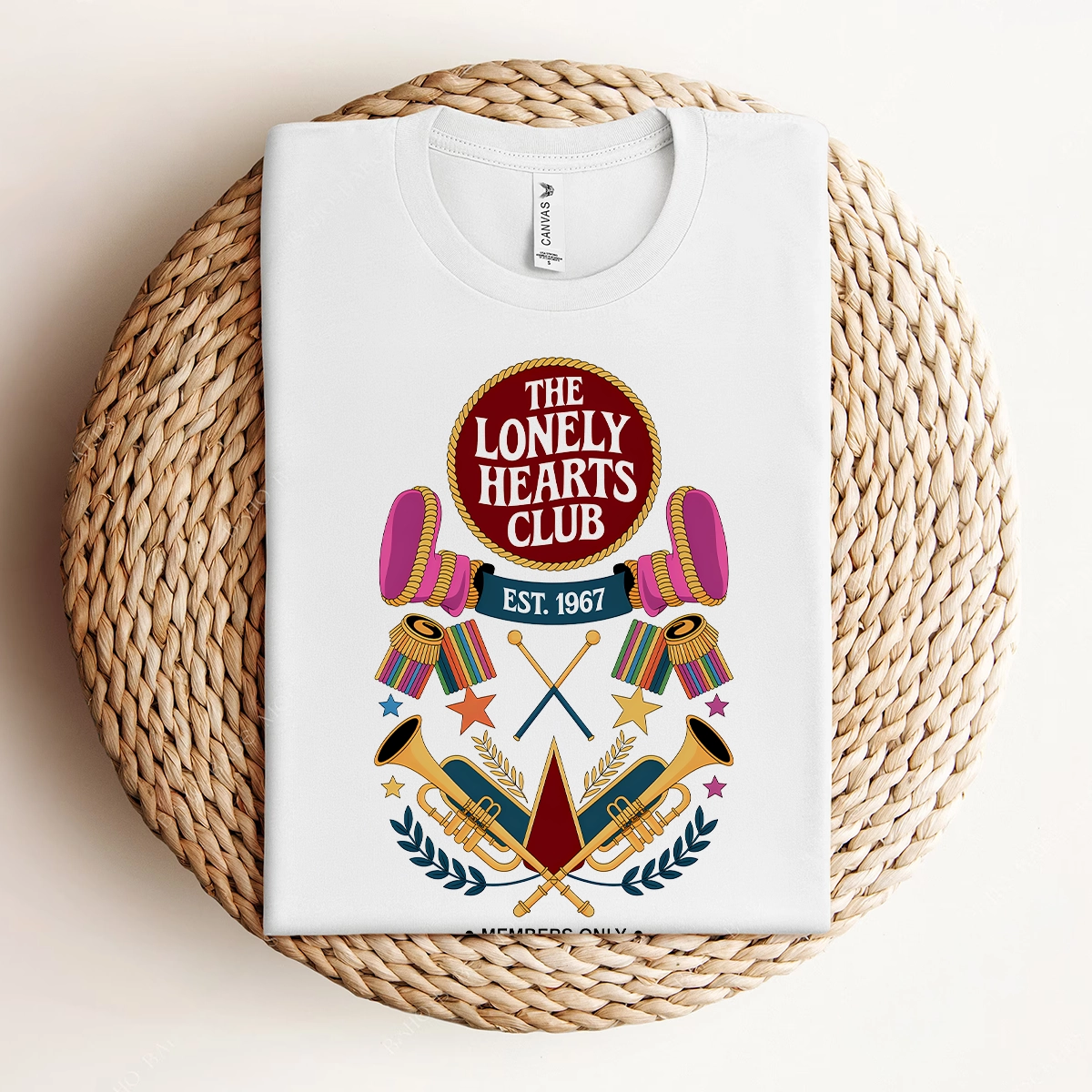
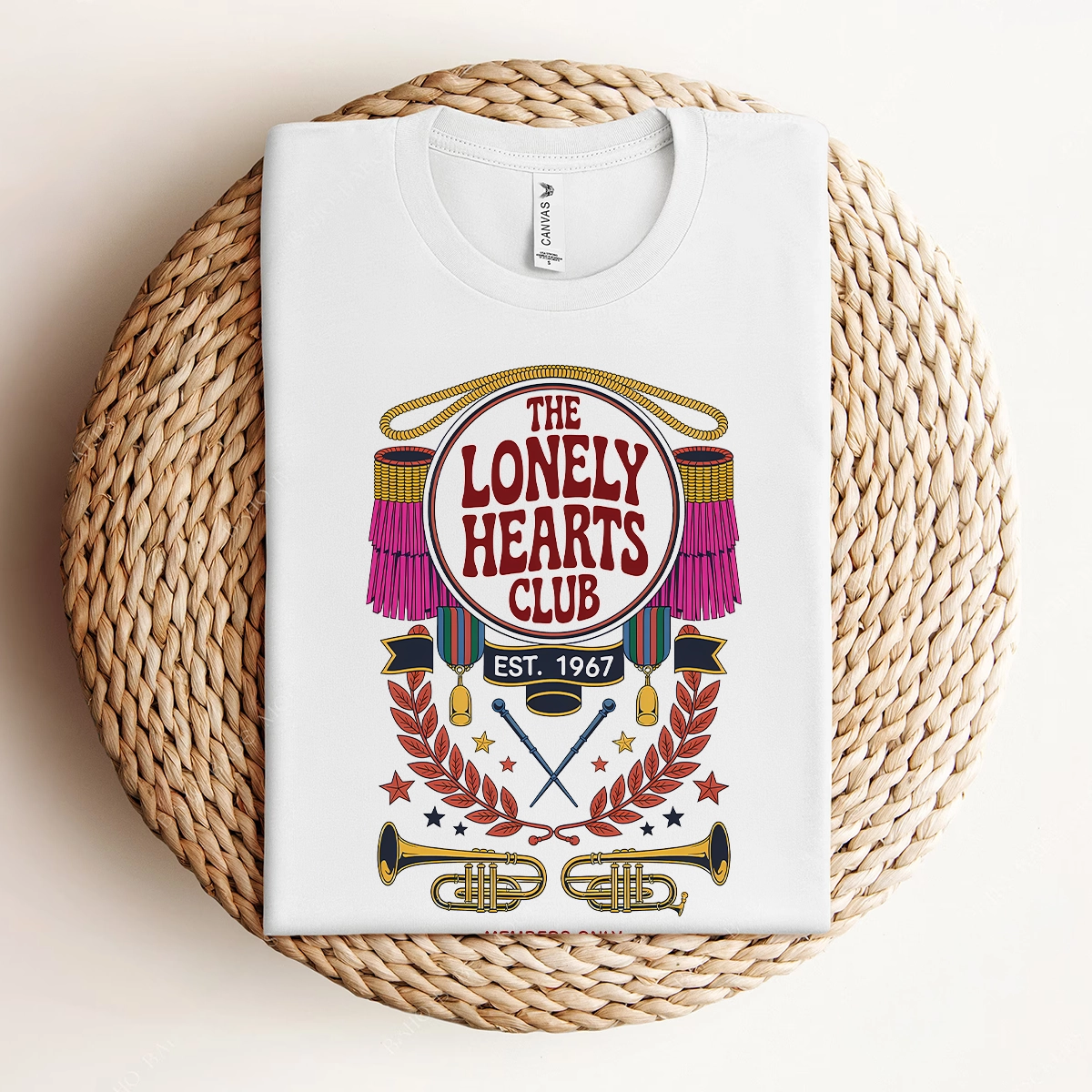
The Lonely Hearts Club — Est. 1967 Members Only Rock Tee — Design I
Design · 07

The Lonely Hearts Club

June 1, 1967. The day pop music grew up. Twenty-eight tracks. One concept. One world.

On June 1, 1967, an album was released in the United Kingdom that would, within twenty-four hours, change the meaning of the word 'album' forever. It had a gatefold sleeve. It had printed lyrics on the back — the first time any rock album had done so. It had an elaborate cover designed by pop artist Peter Blake featuring sixty-eight famous faces. It had no breaks between songs. It told a story. Critics struggled to find words. Within a year, every serious rock band in the world was trying to make their own version. None of them succeeded.

7 versions available
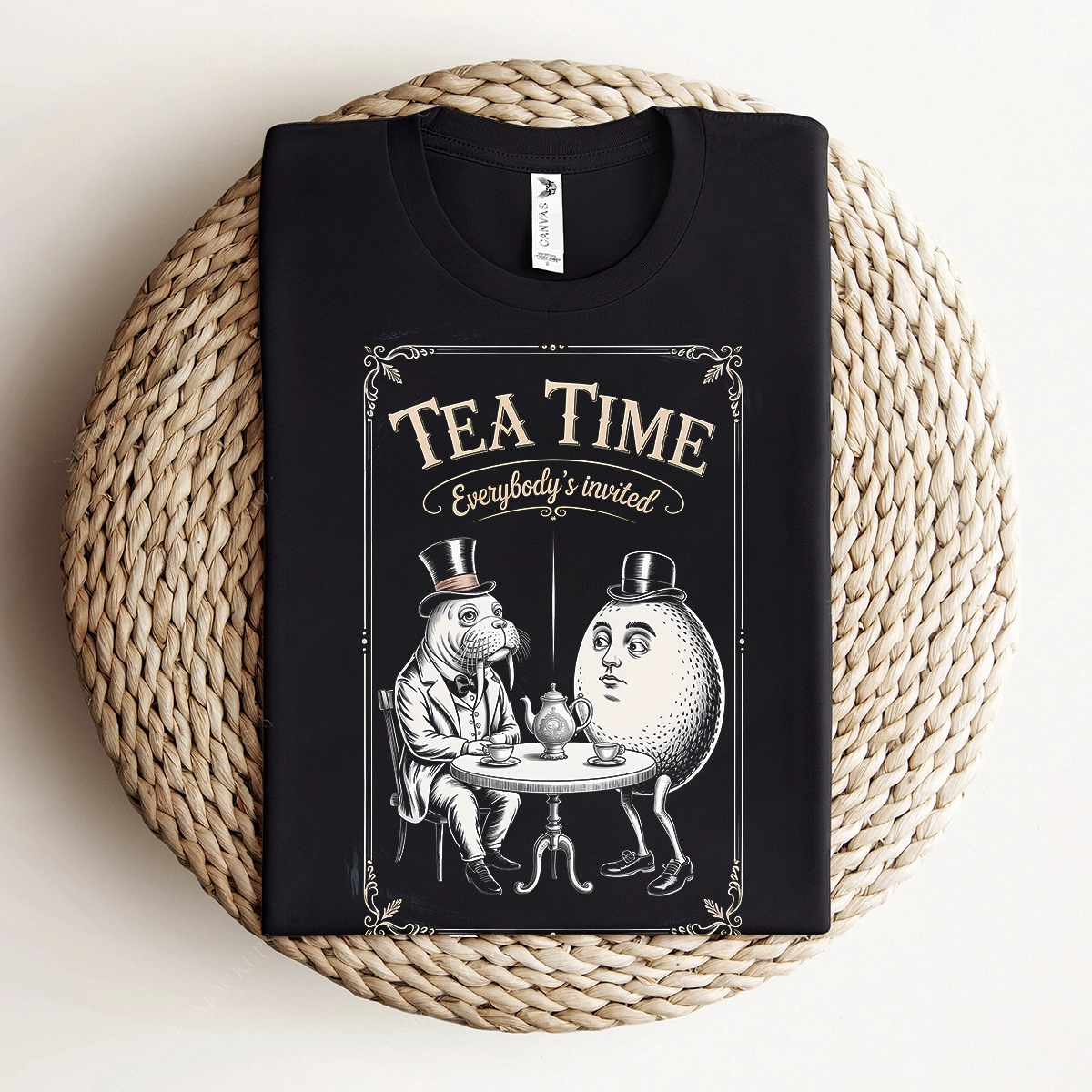
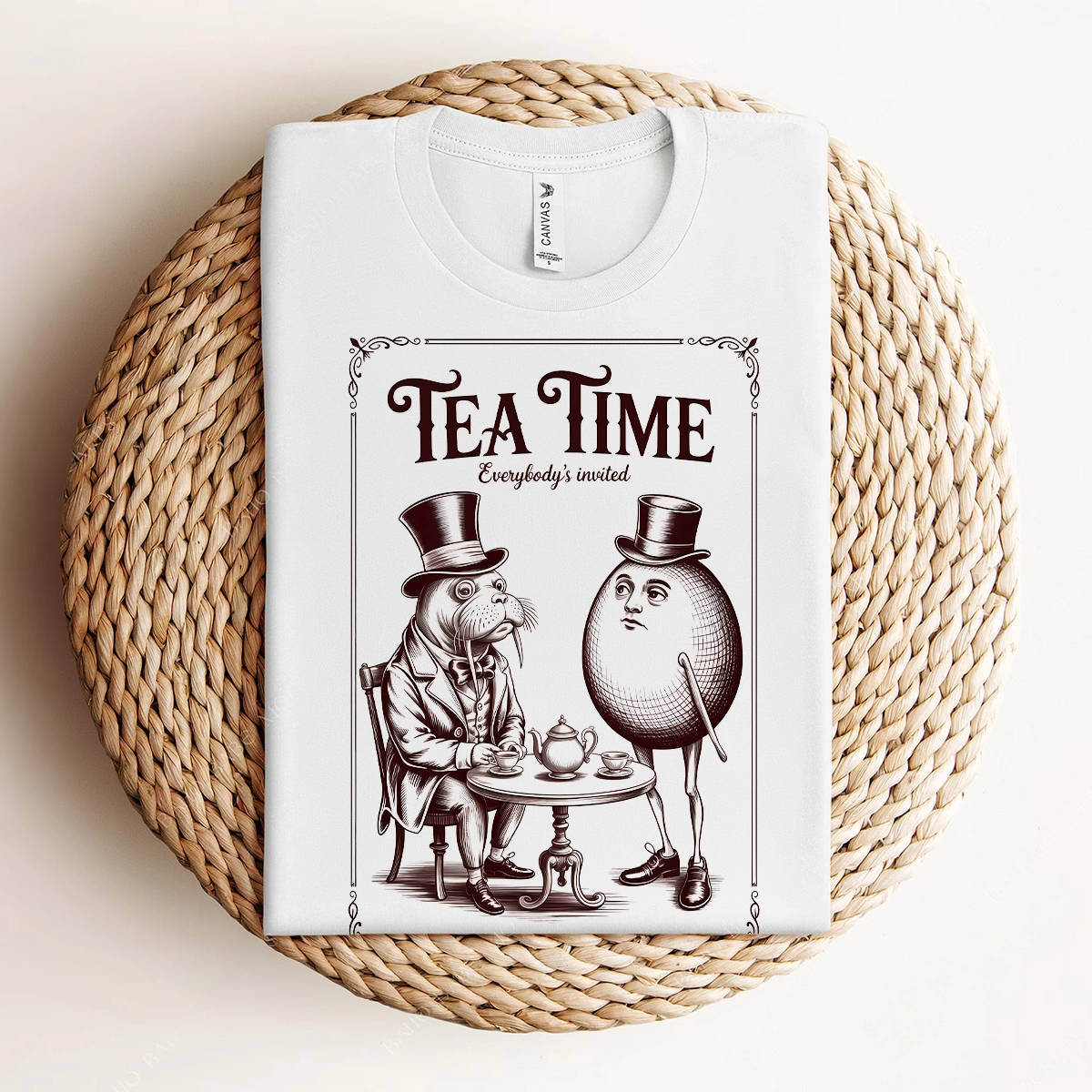
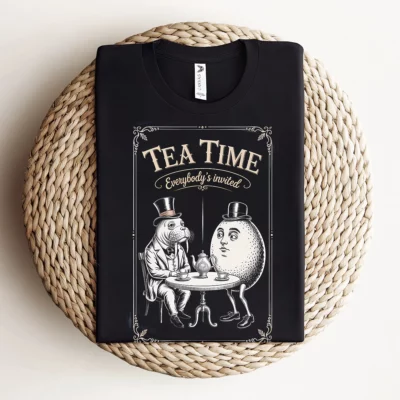
Tea Time — Victorian Absurdist Rock Heritage Tee
Design · 08

Tea Time

Victorian piano halls. Music hall vaudeville. Edwardian whimsy. Rock and roll discovers its grandfather.

By 1967, the band had decided that rock and roll didn't need to come from America anymore. They started reaching back into the British music tradition — vaudeville pianos, brass bands, parlor songs, the kind of music their grandparents had hummed before the war. Songs about meter maids. Songs about being sixty-four. Songs about lovely things in lovely places. The Americans were confused. The British understood immediately. It was a national homecoming, set to music.

2 versions available
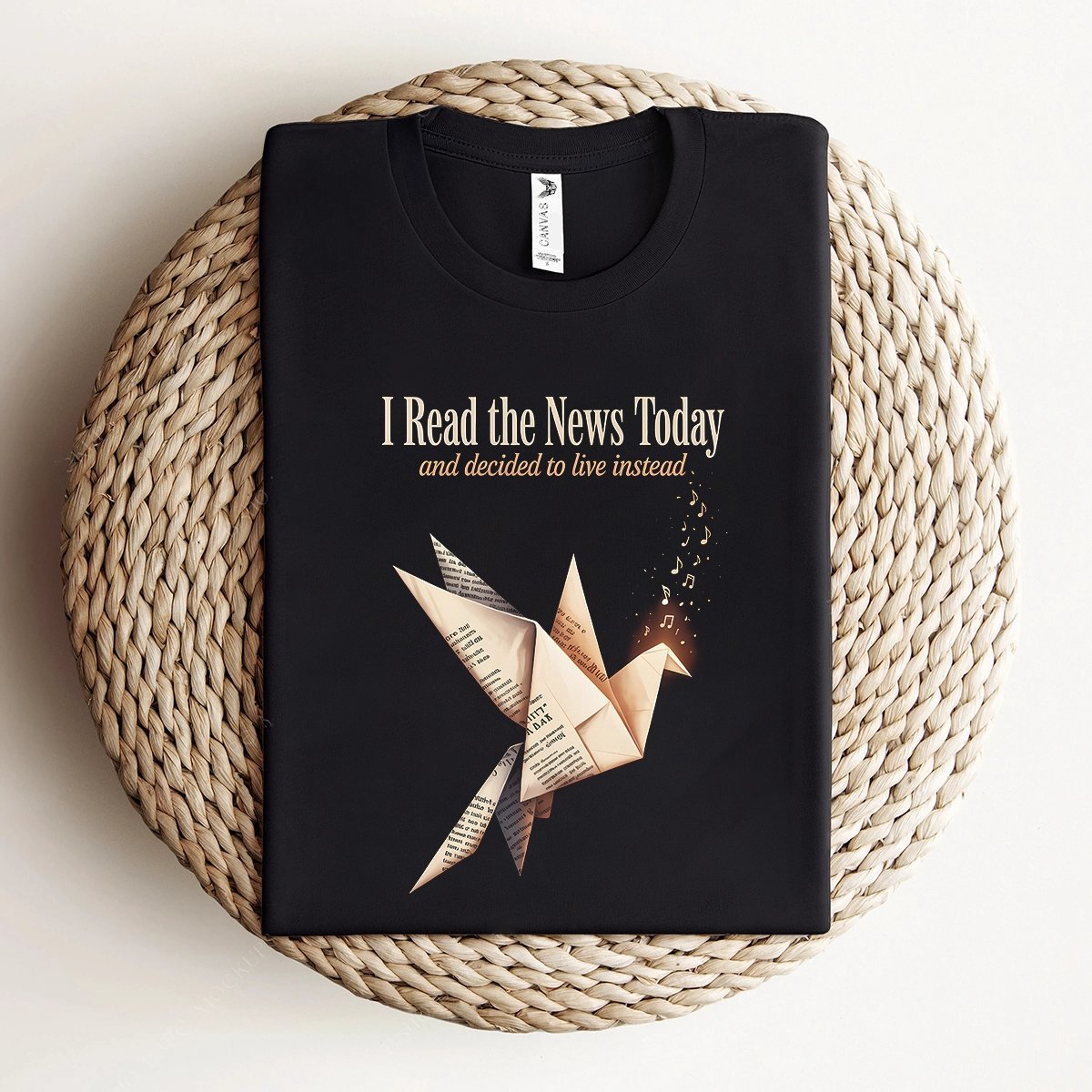
I Read the News Today — 1967 Editorial Rock Heritage Tee
Design · 09

A Day in the Life

A newspaper. A car crash. An empty hole in Blackburn. The day the song became journalism.

On January 17, 1967, John Lennon sat down with the morning's Daily Mail. There were two stories: a young heir had died in a car crash in London, and the Blackburn Council had counted four thousand holes in the road. He wrote them both into a song. Paul McCartney added a middle section about waking up and going to work. George Martin orchestrated the famous twenty-four-bar crescendo by asking forty classical musicians to play from the lowest note on their instrument to the highest. The final chord was forty seconds of three pianos struck simultaneously. It is still ringing somewhere in Studio Two.

2 versions available
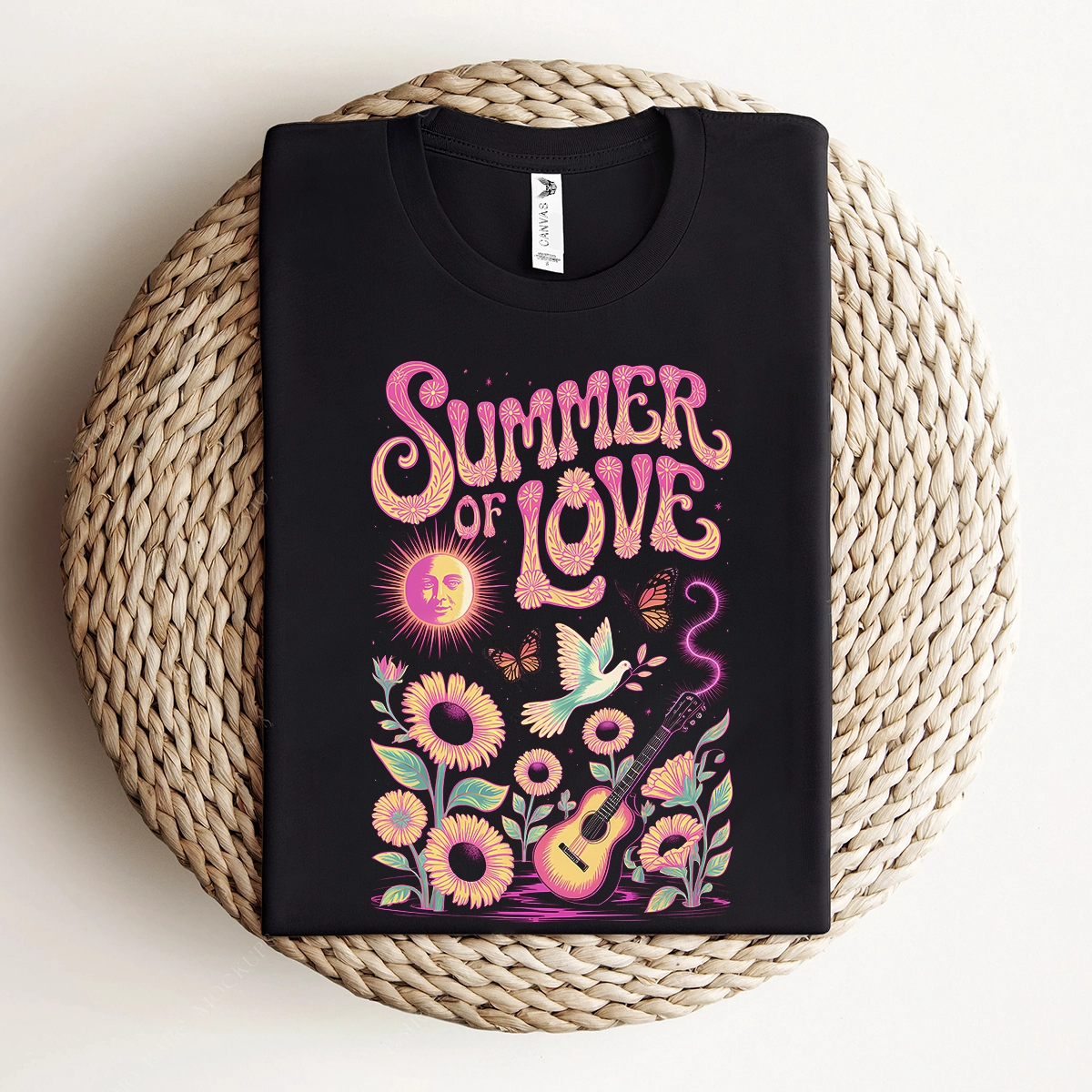
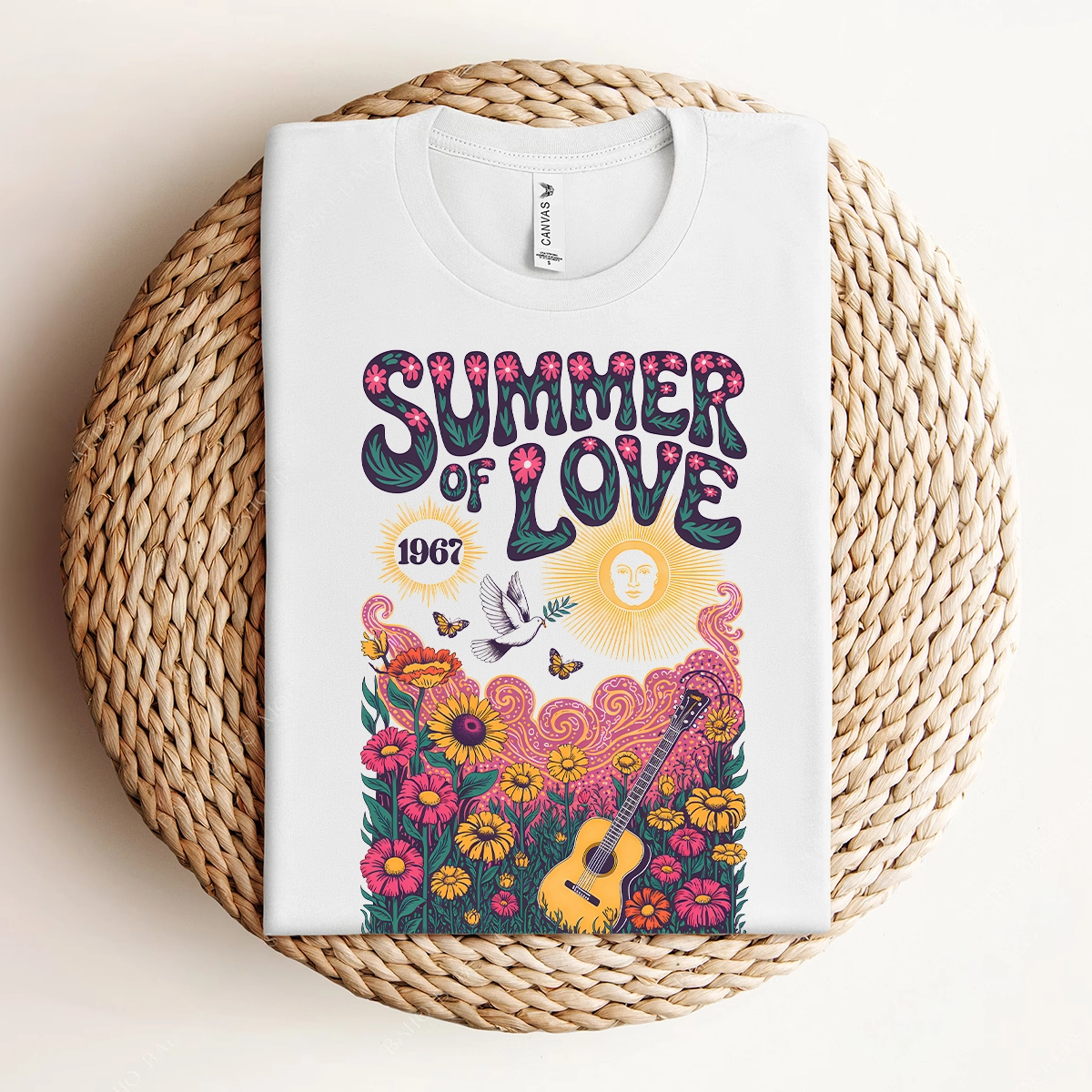
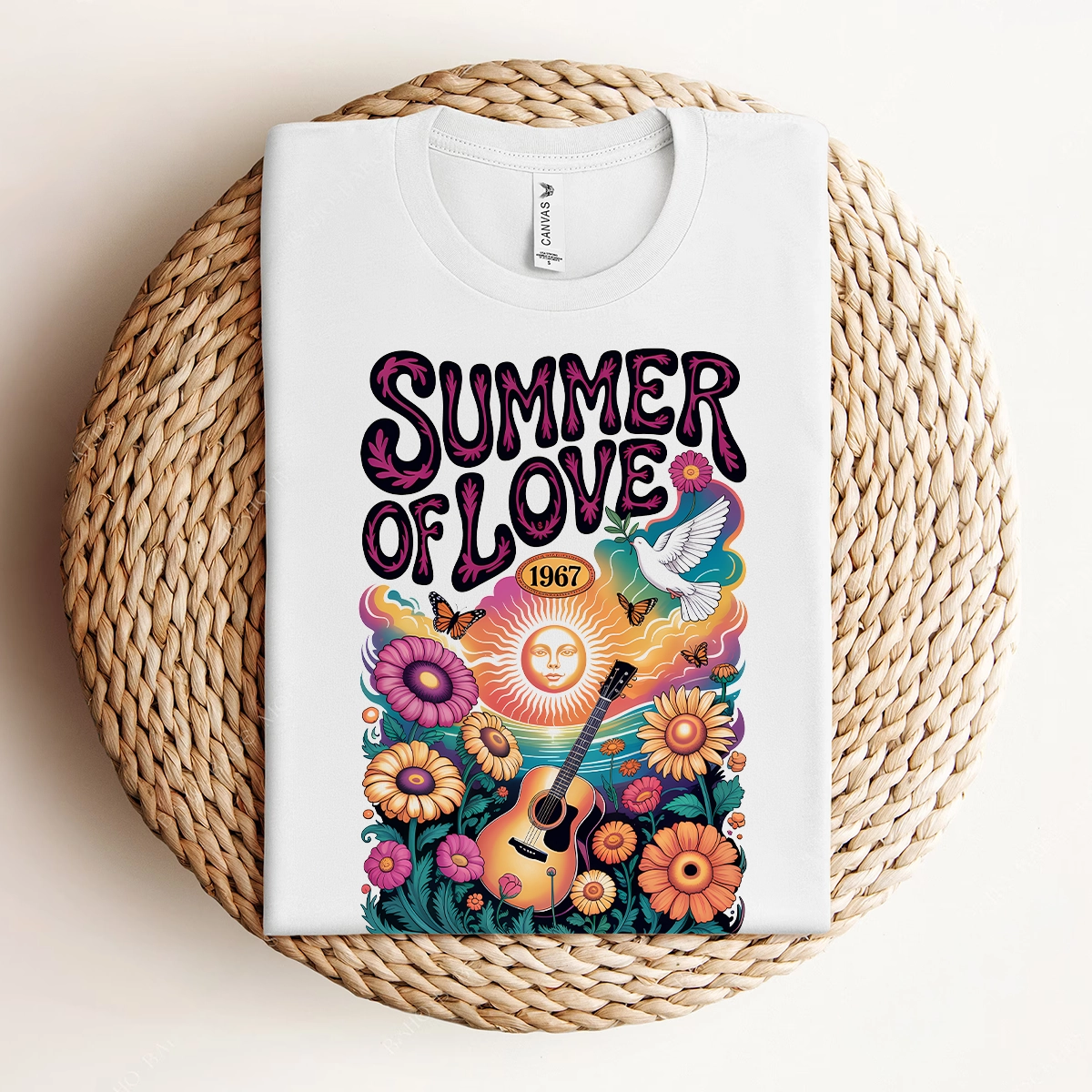
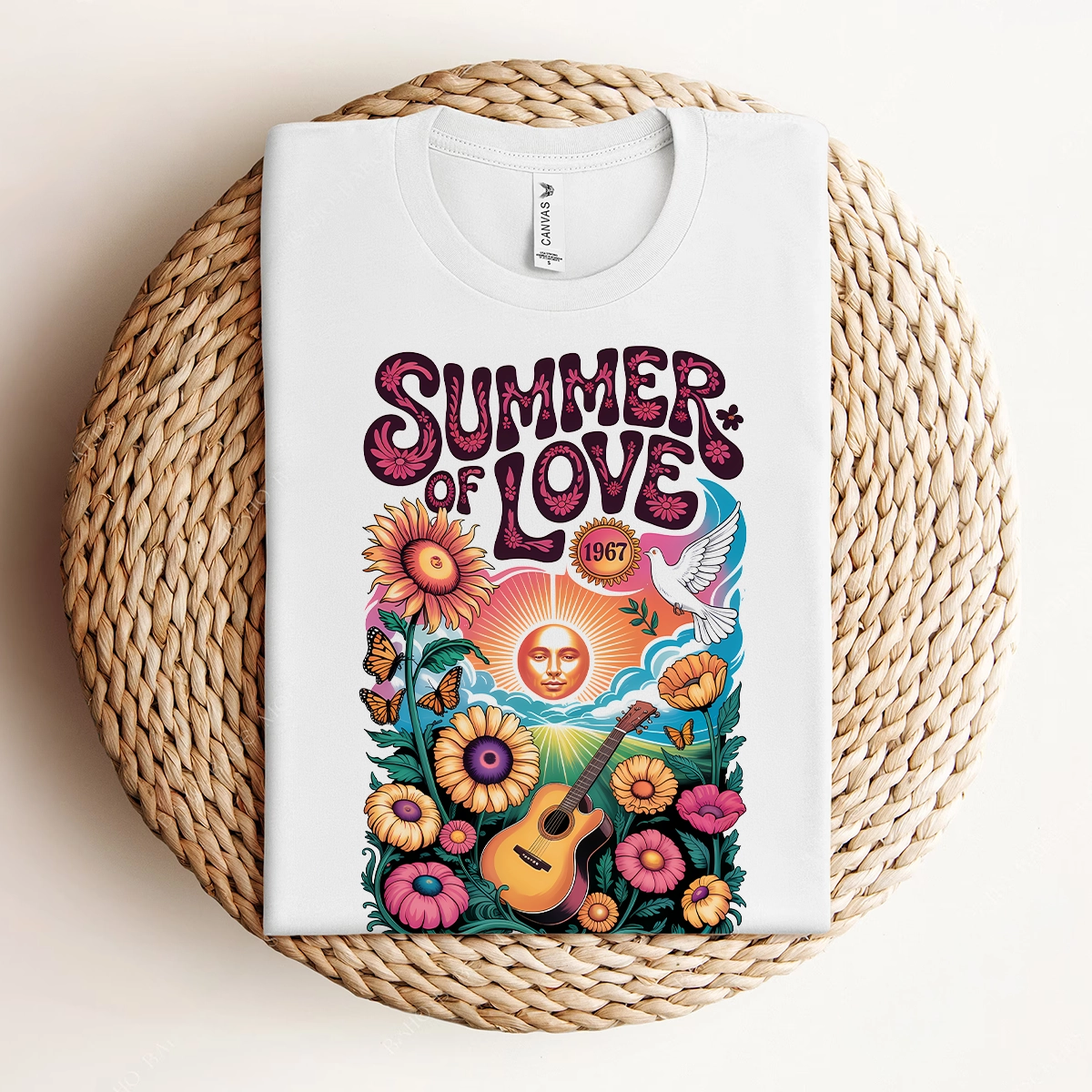
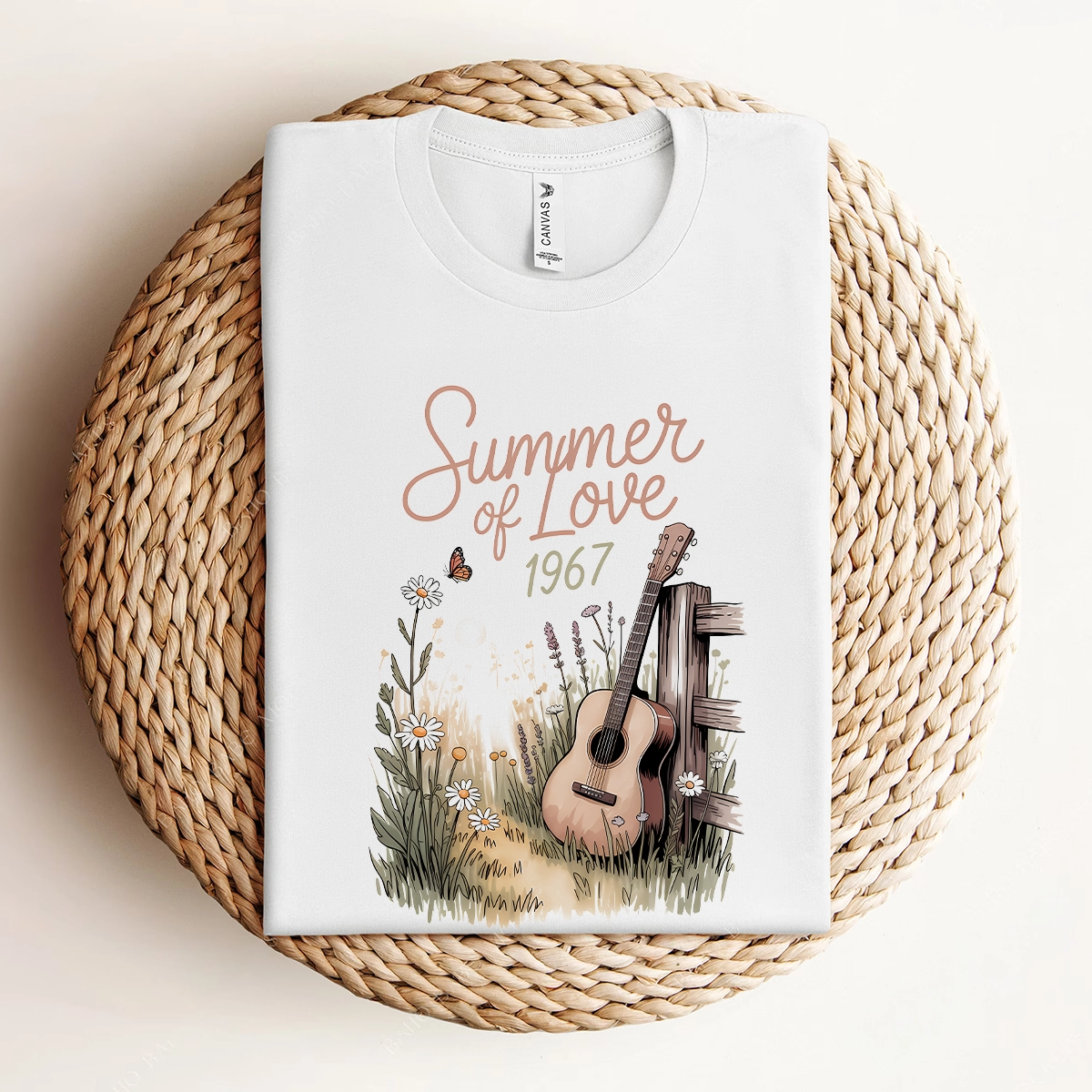
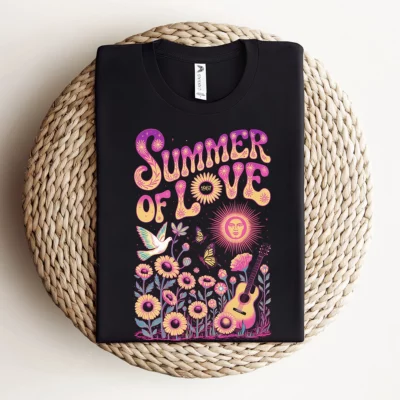
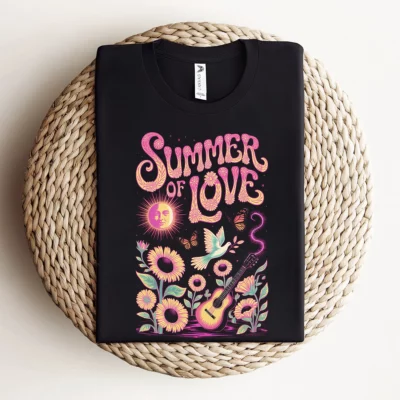
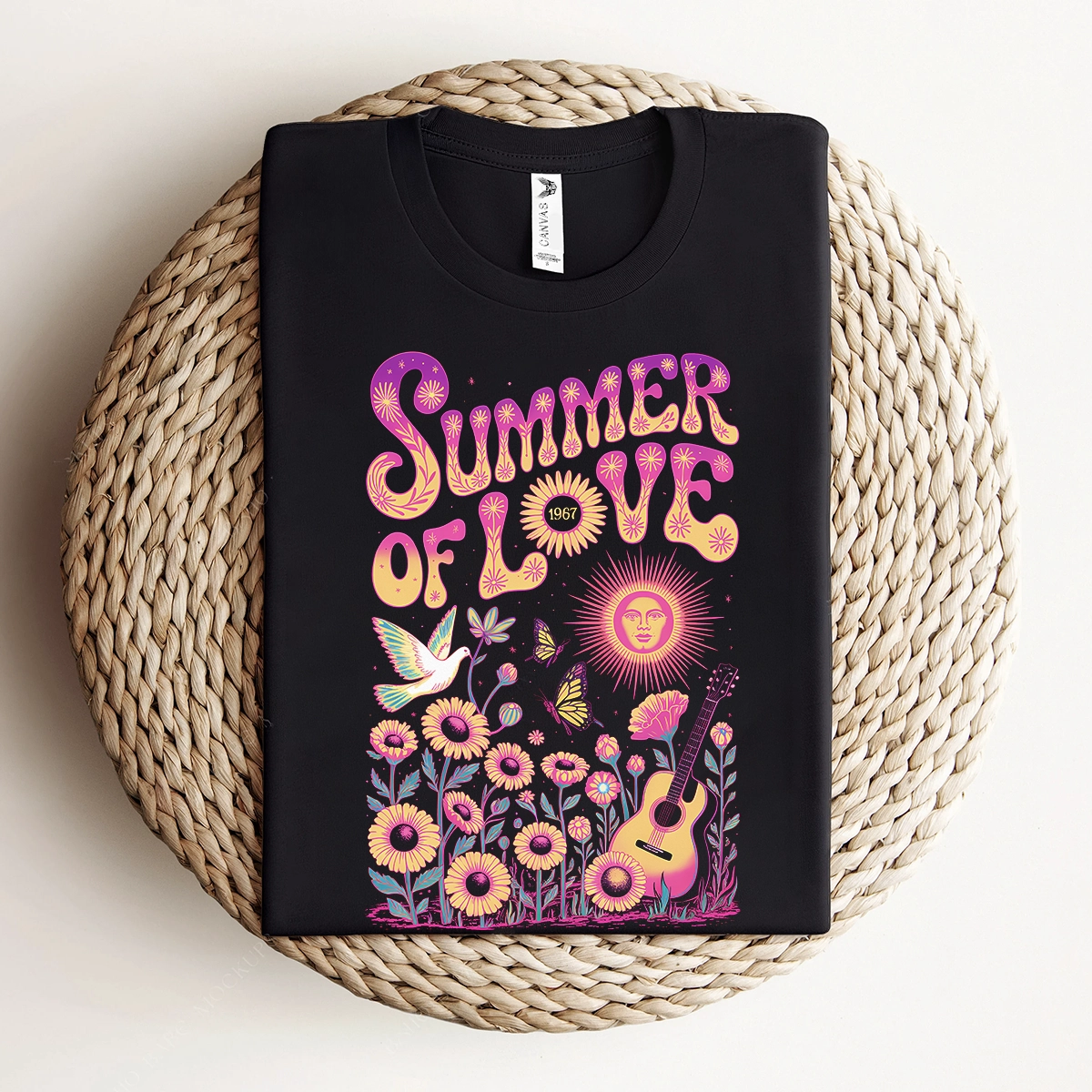
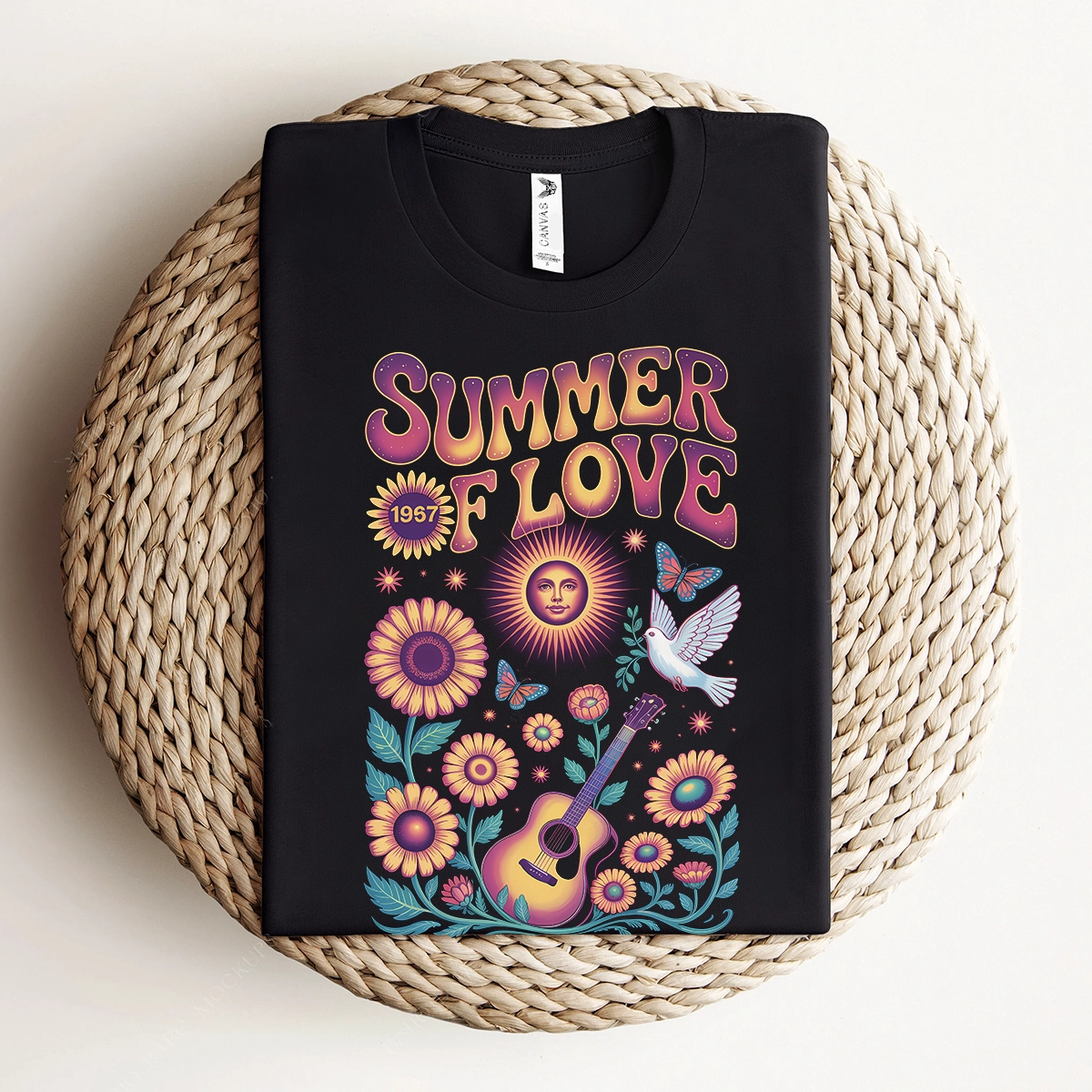
Summer of Love 1967 — Psychedelic Rock Heritage Tee — Design I
Design · 10

Summer of Love

100,000 young people in San Francisco. Flowers in their hair. A song in the air.

In June 1967, an estimated one hundred thousand young people converged on the Haight-Ashbury district of San Francisco. They wore flowers. They handed out food. They believed, for one summer, that the world could be remade. The soundtrack to that summer was a song the band wrote and broadcast live, on June 25, 1967, on the world's first global satellite television transmission. Four hundred million people watched in twenty-five countries. The message was three words. The audience never forgot.

11 versions available
Shop the Chapter

All Designs from the Revolution

Showing 31–44 of 44 results

Price range: $26.99 through $49.99