By 1968, the four young men from Liverpool were no longer four young men from Liverpool. They were four millionaires living in four different houses in four different parts of England, surrounded by lawyers, accountants, gurus, partners, and the constant pressure of being the most famous people on the planet. The studio was no longer a refuge. The studio had become a battlefield.
The White Album, recorded in the summer of 1968, was a thirty-song double album that captured the sound of a band coming apart. They recorded in separate rooms. They argued about everything. Ringo quit for two weeks and flew to Sardinia. George walked out of sessions. John brought Yoko Ono into the studio every single day, breaking an unwritten rule about wives and girlfriends in the recording room. The producer, George Martin, took a holiday in the middle of the project. Nobody was sure he would come back.
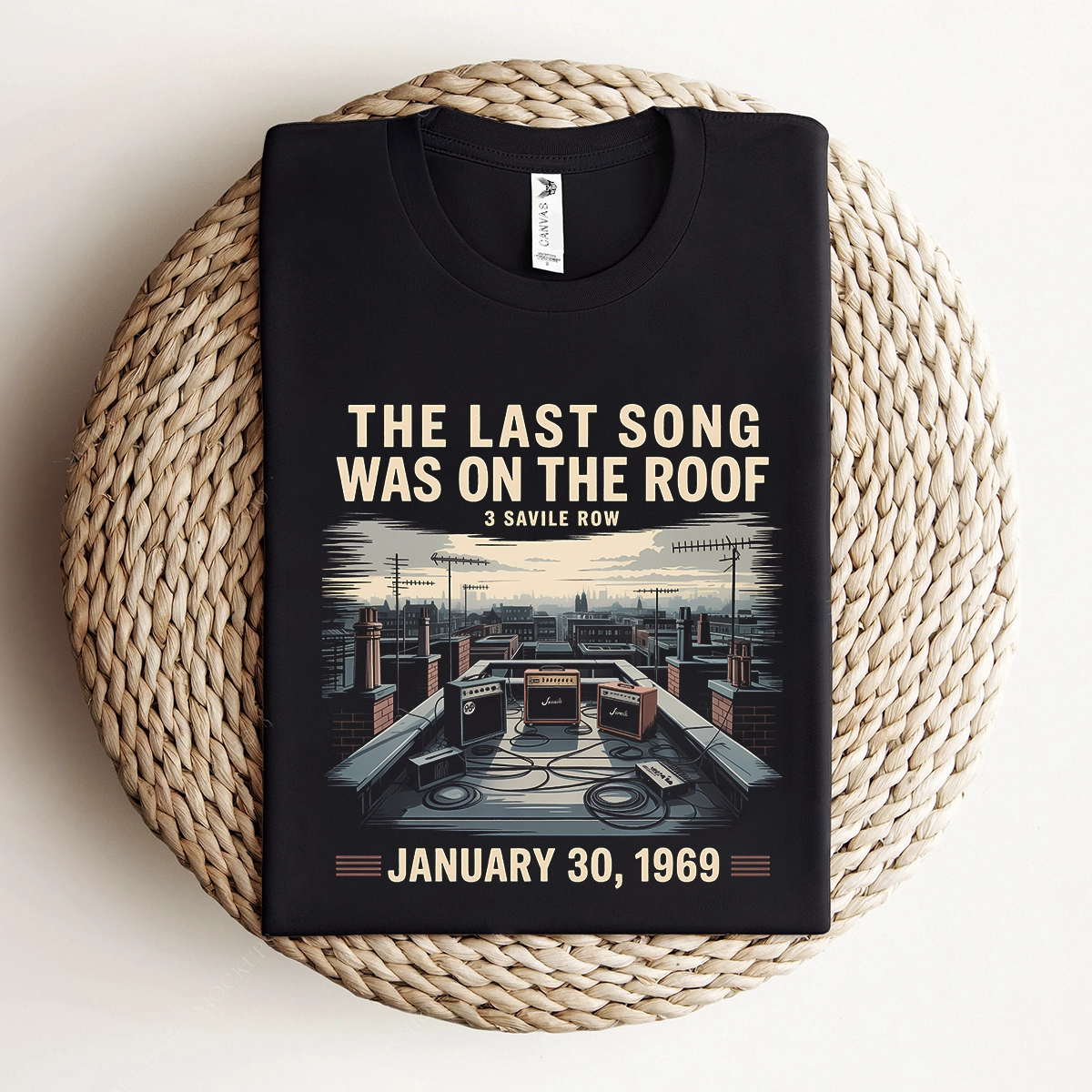
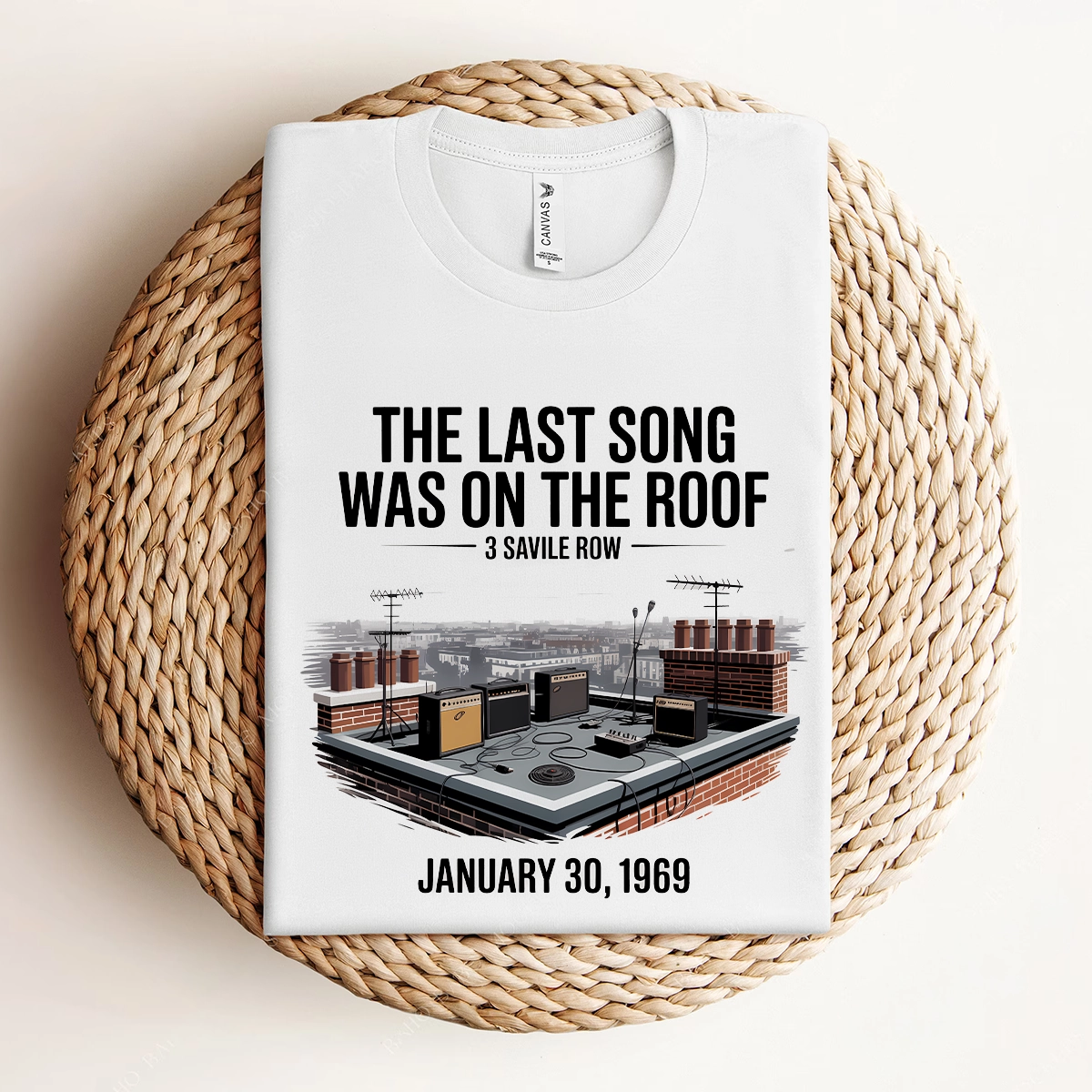
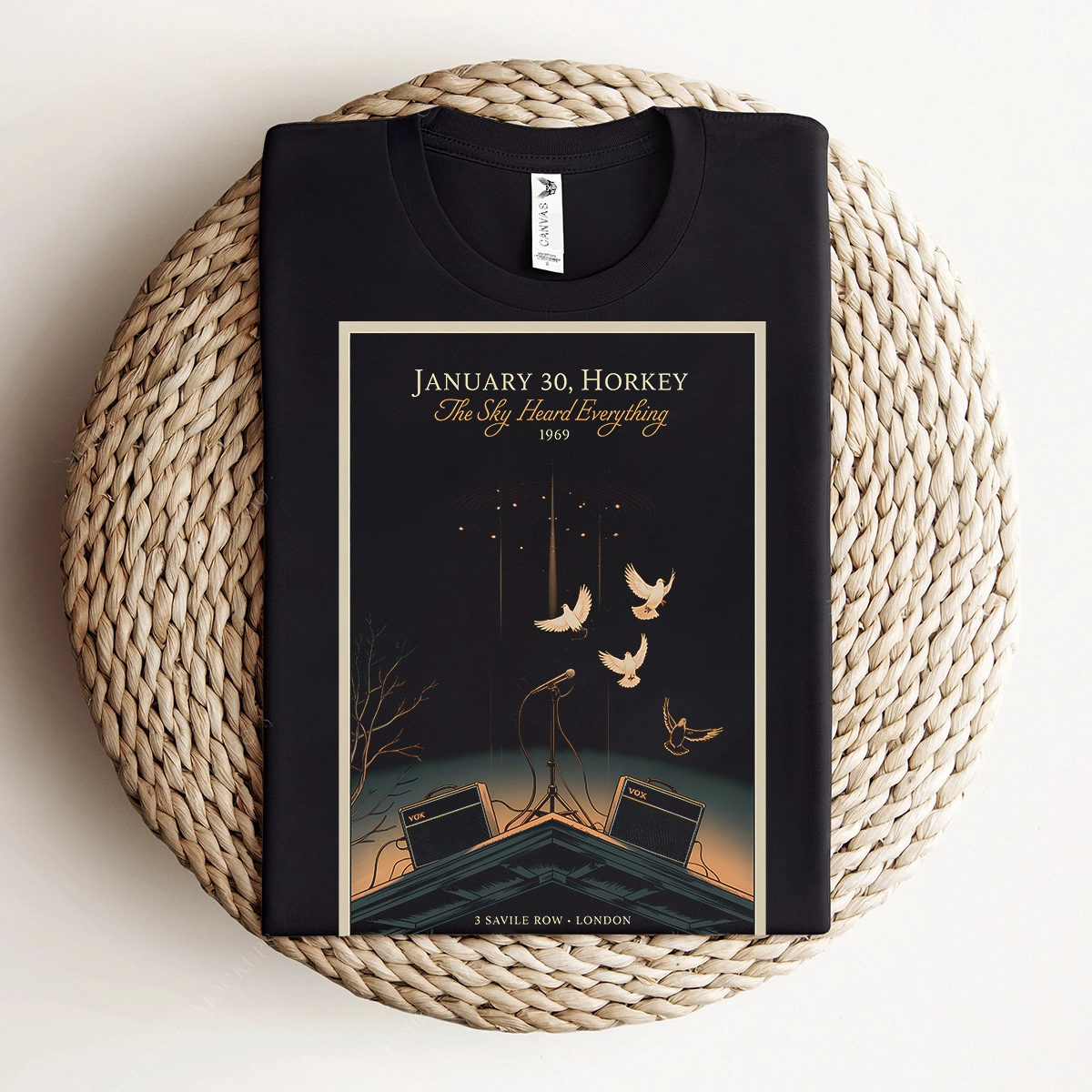
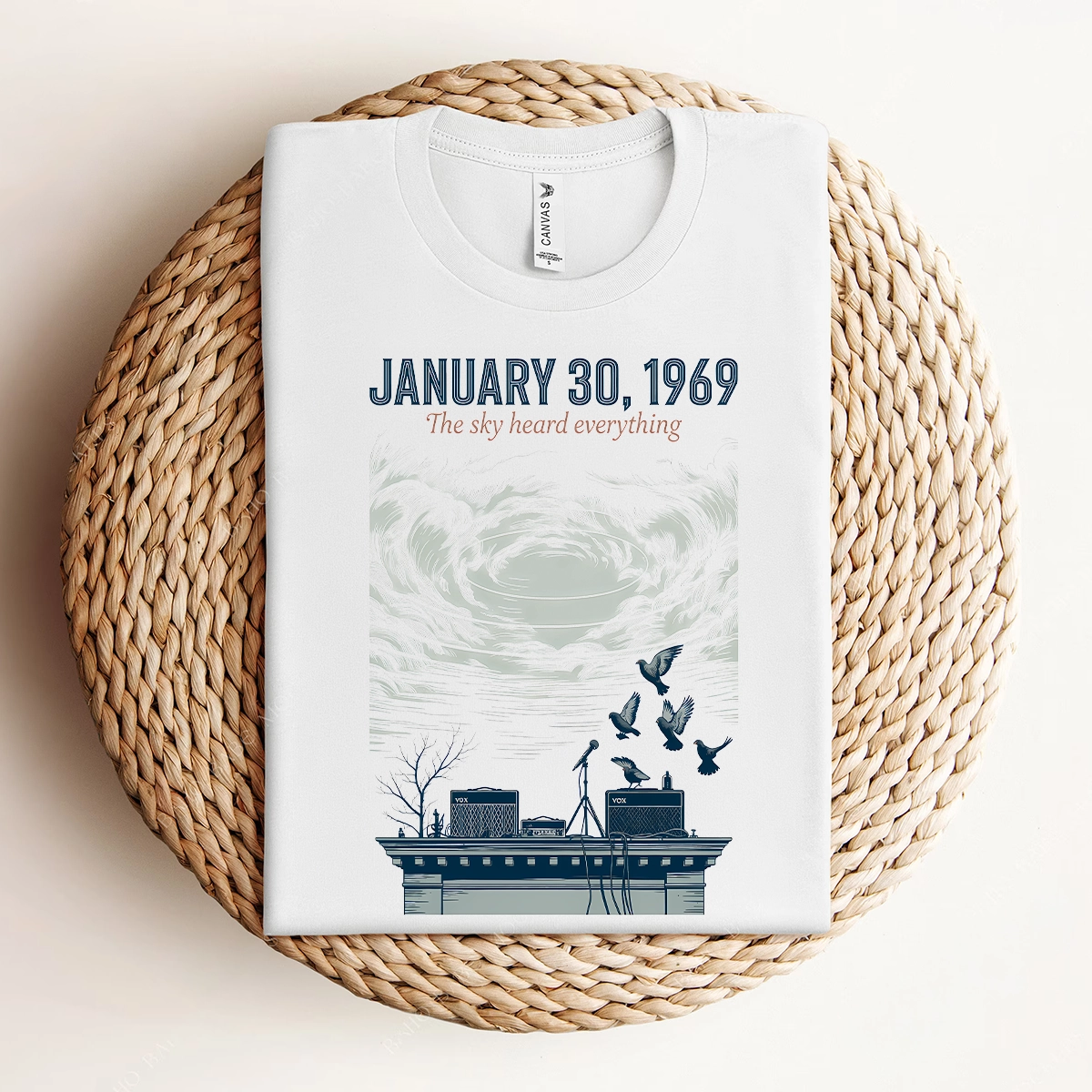
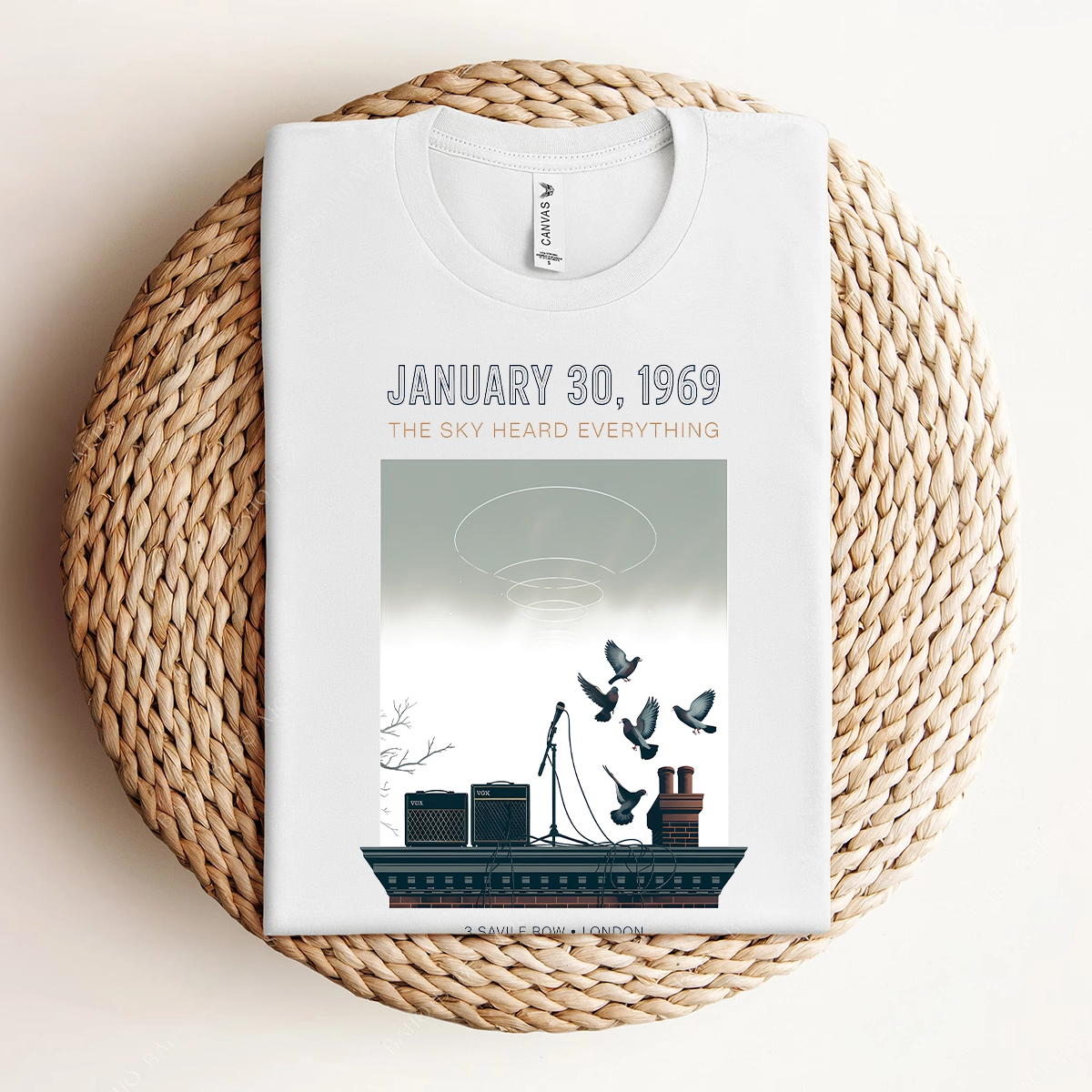
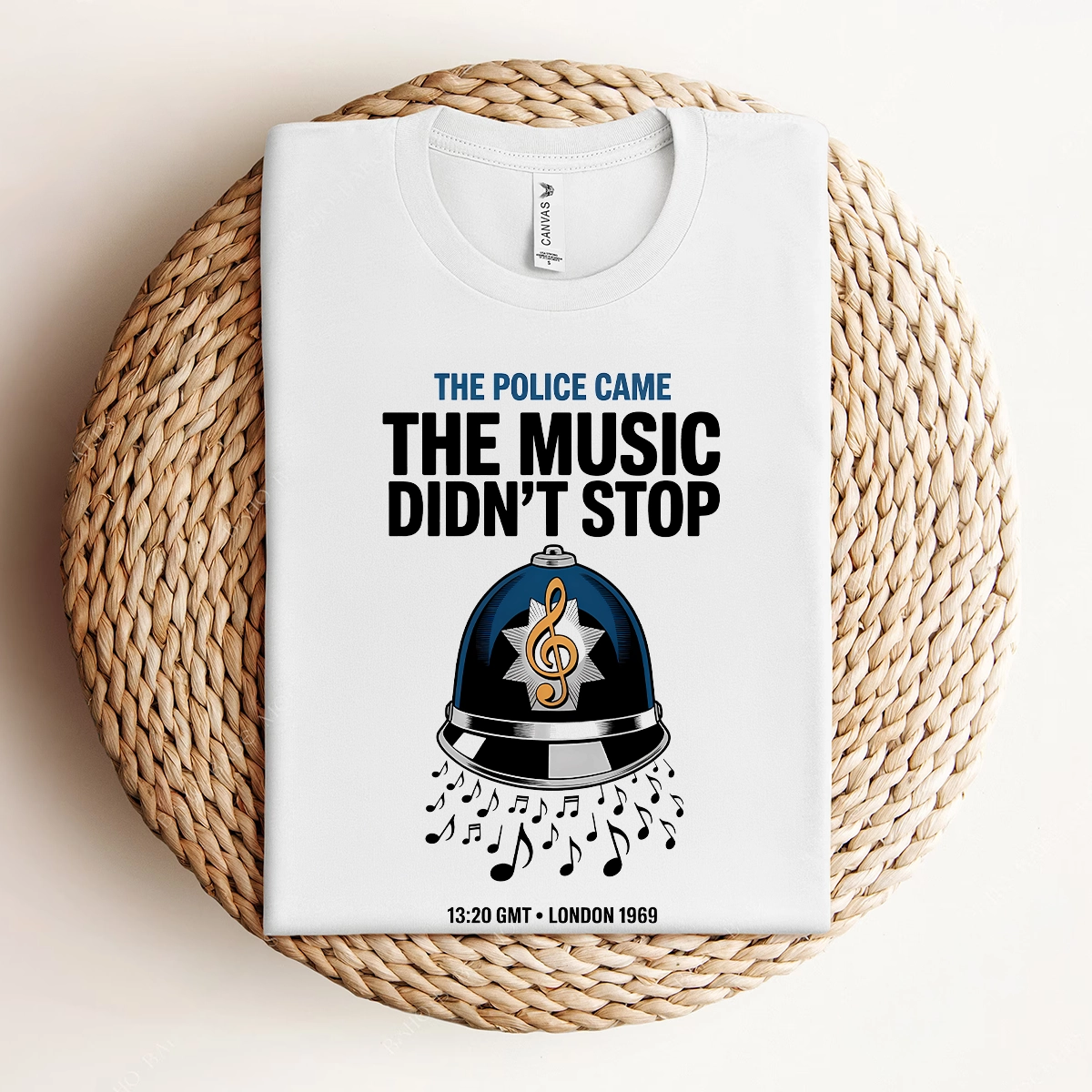
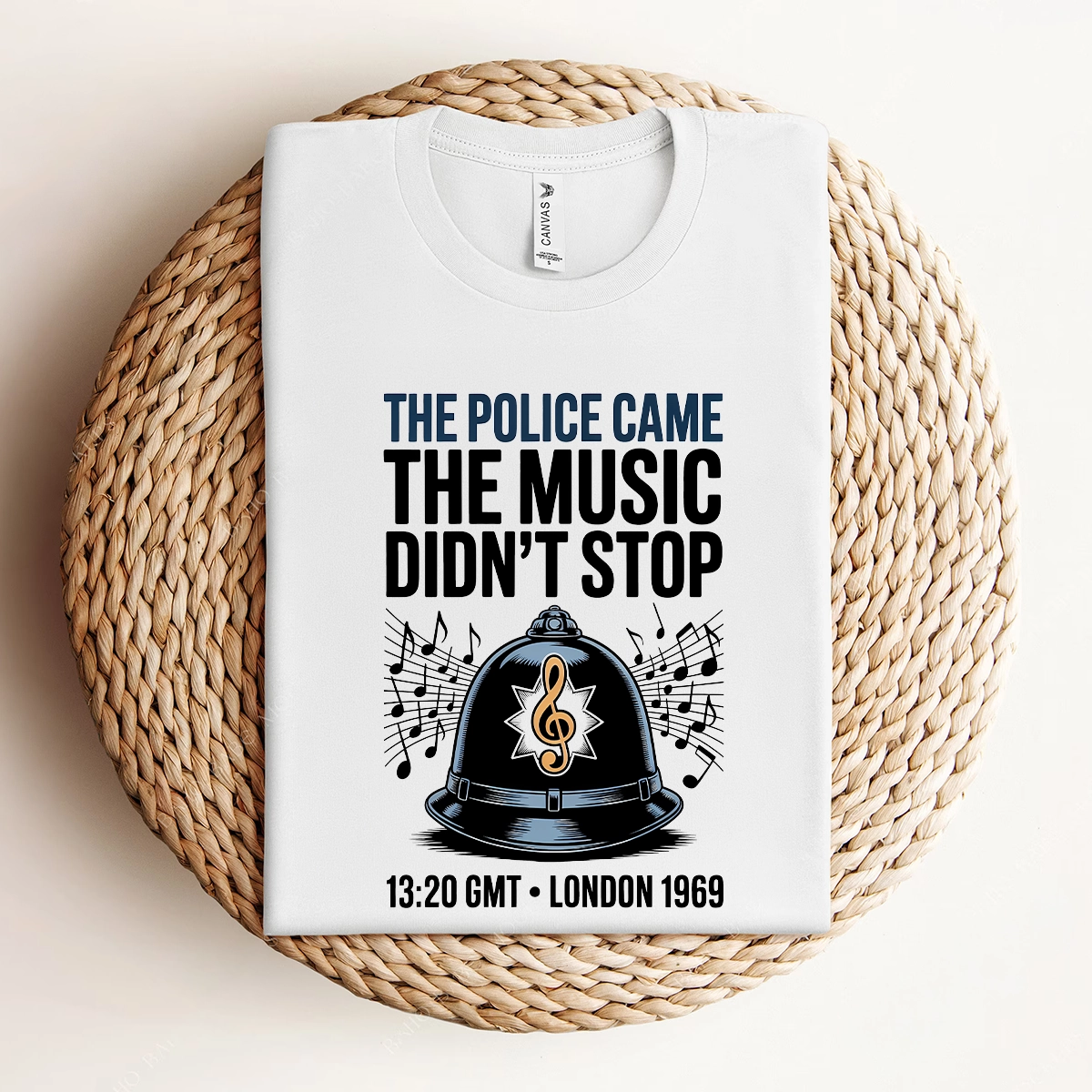
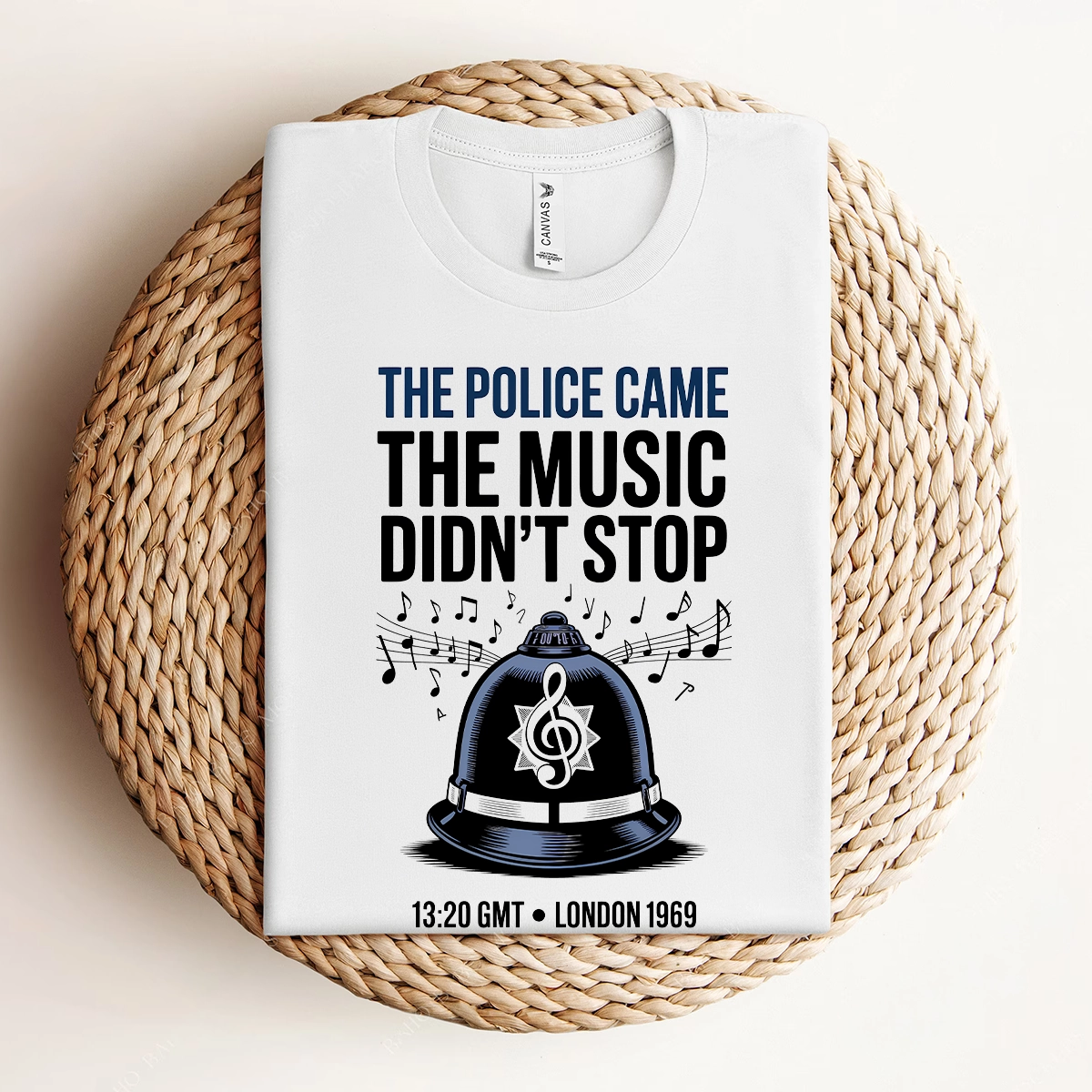
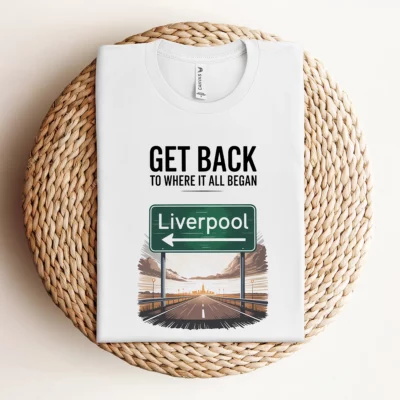
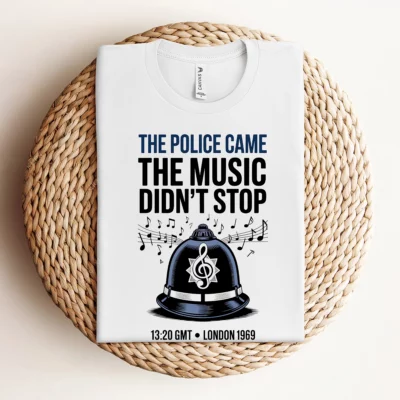
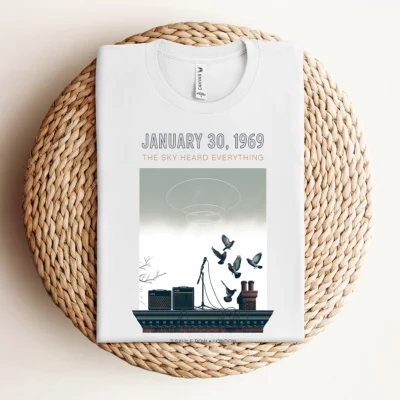
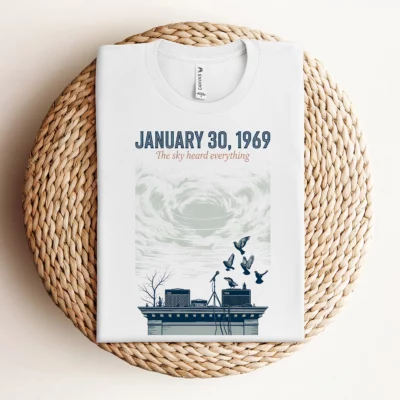
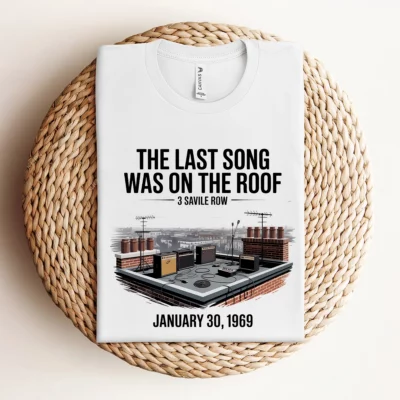
In January 1969, they tried something they hadn't done in years: they tried to play live again. The plan was called Get Back. They would rehearse a new album in front of cameras, then perform it in concert. The cameras filmed three weeks of arguments, sulking, and George Harrison briefly quitting. The concert eventually happened on a rooftop in central London on January 30, 1969 — five floors above 3 Savile Row, the home of their own record company. They played for forty-two minutes before the police arrived. Nobody knew it was the last time they would ever perform together in public.
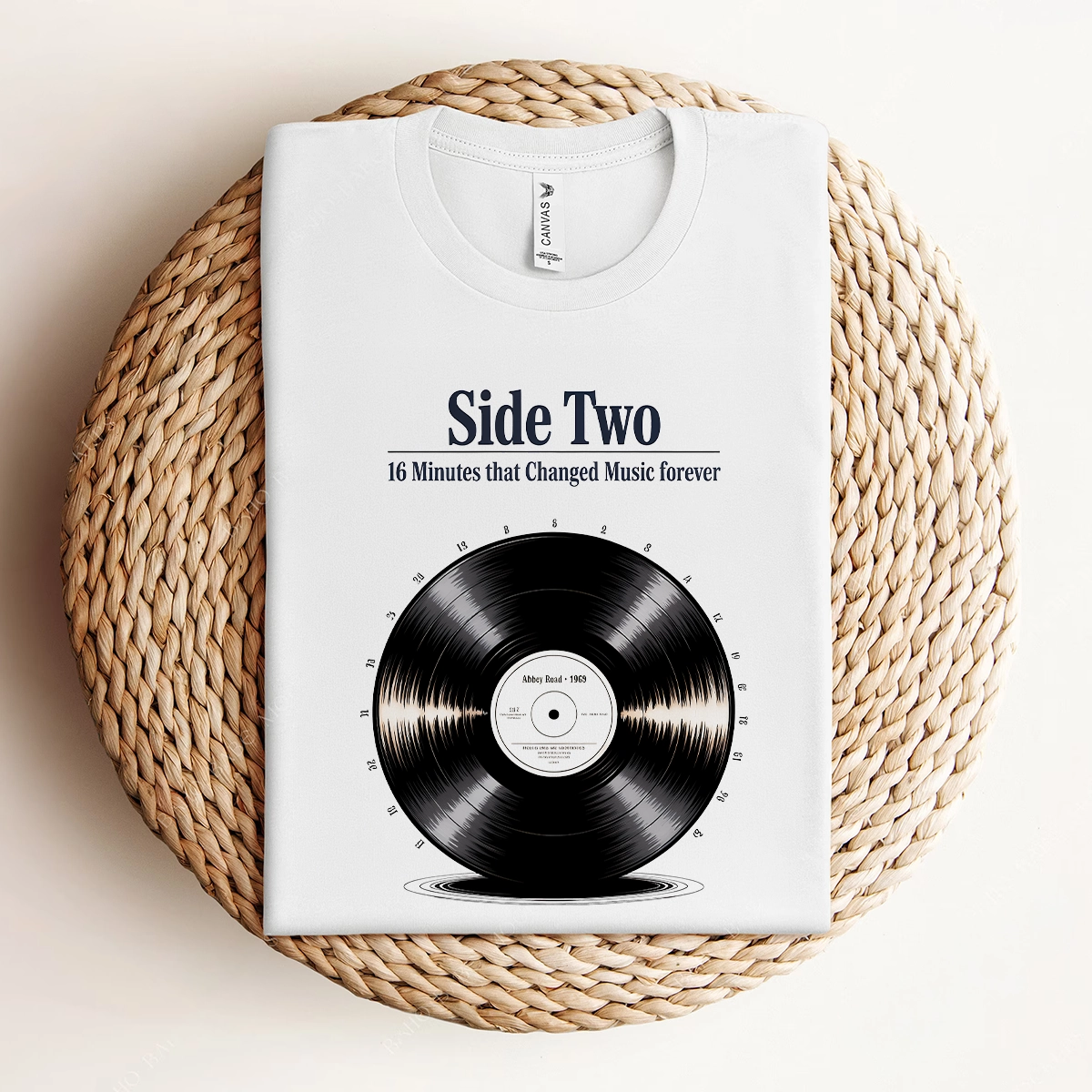
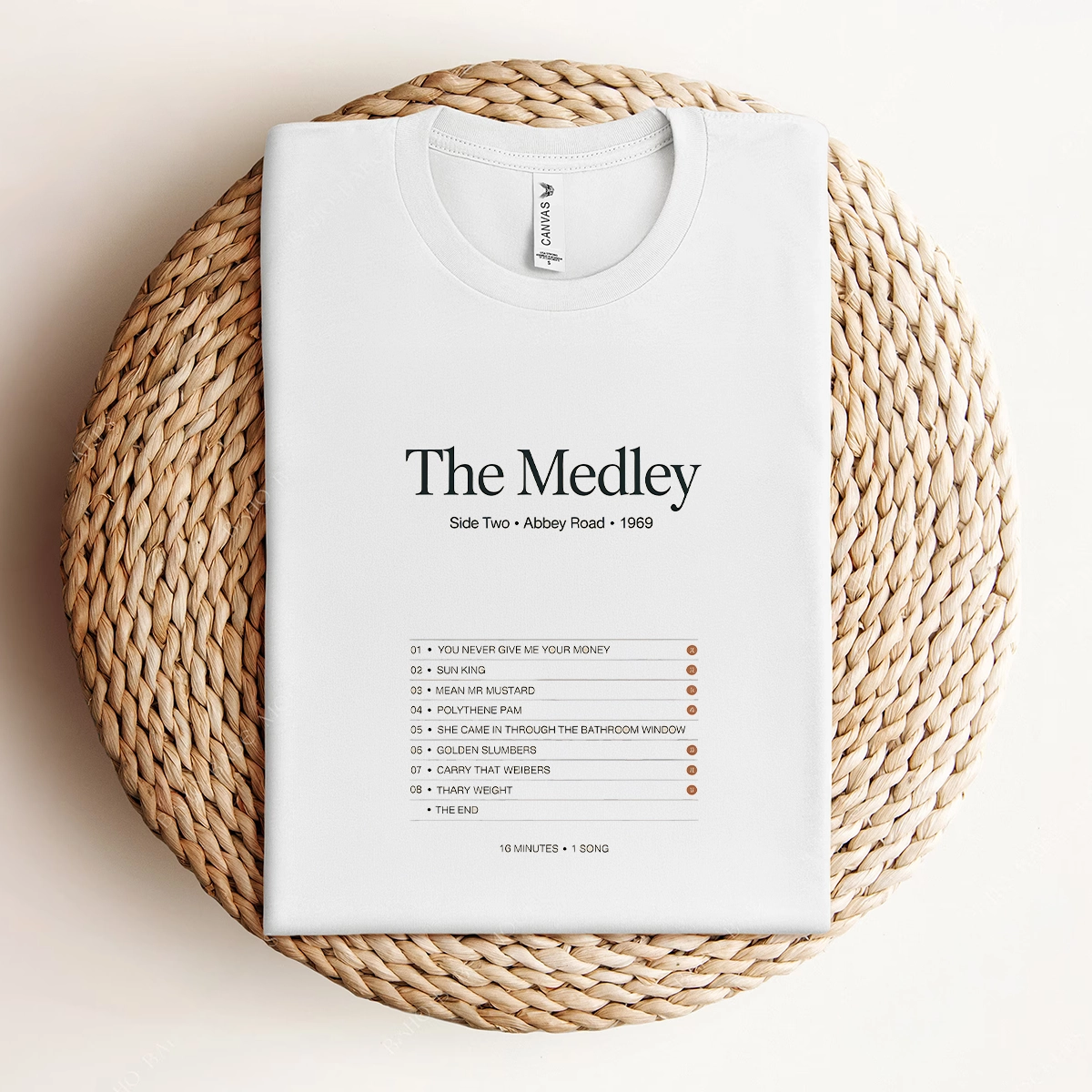
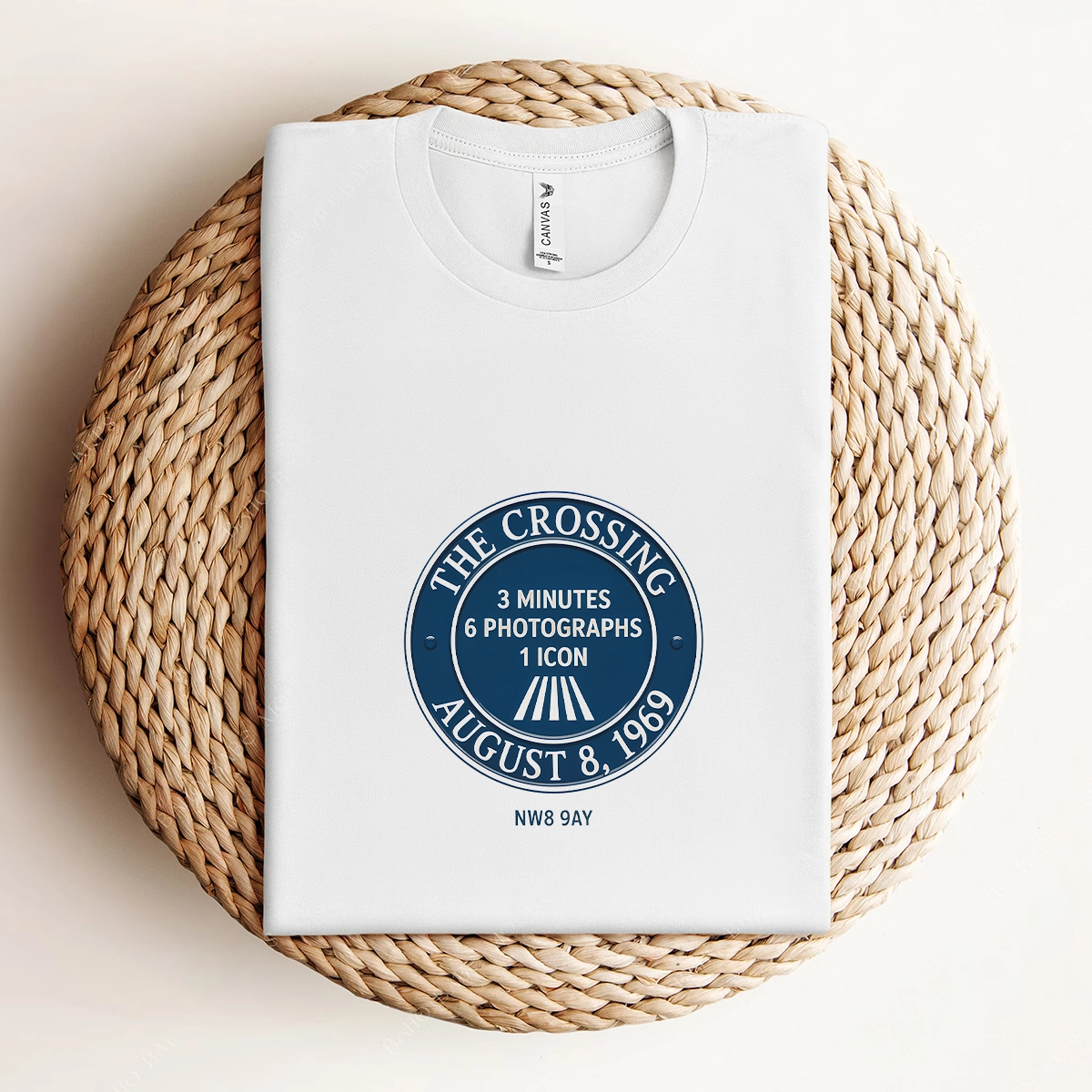
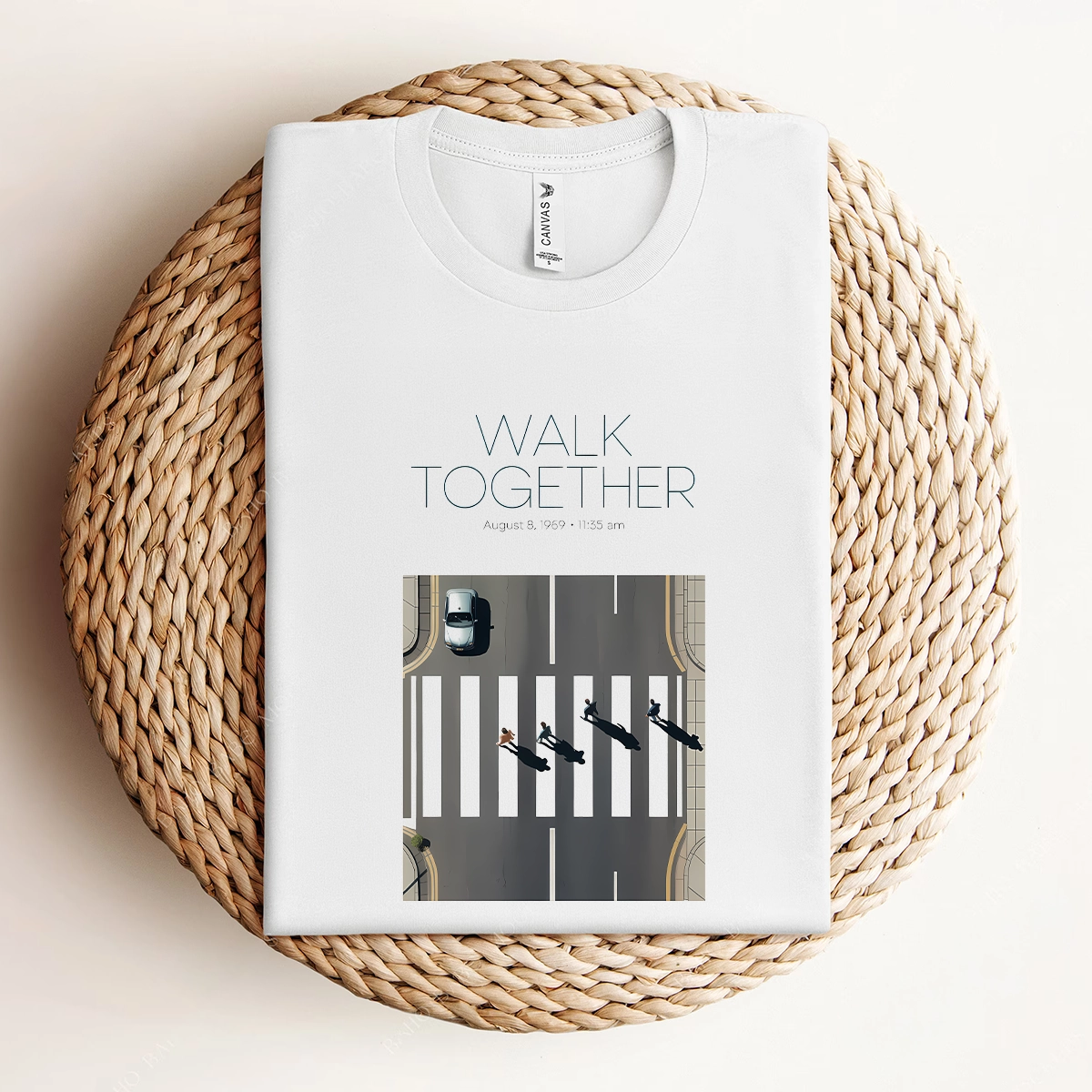
That summer, they tried one more time. They returned to Abbey Road Studios — the place where they had made their best music — and they made one more album. It was called Abbey Road. The cover was a photograph of the four of them walking across a zebra crossing outside the studio. The photographer, Iain Macmillan, took six pictures in ten minutes. The album closed with a sixteen-minute medley on side two — the most intricate, beautiful piece of pop music ever recorded. The last words on the album were sung by Paul McCartney: "And in the end, the love you take is equal to the love you make."
They never recorded together again. Paul McCartney announced his departure on April 10, 1970. The Beatles, the most famous band in the history of music, ceased to exist after seven and a half years. They had been a band for less time than most marriages last.
But the songs remained. The crossing remained. The roof remained. And somewhere, on a stretch of pavement in north London, four shadows still walk forever.