Chapter IV · The Crossing

The Last Song Was on the Roof

January 30, 1969. Five floors above Savile Row. Forty-two minutes. The end of an era.

1968 — 1970

"We were trying to get back. We were trying to find the four boys we used to be. But by the time we walked across that zebra crossing, we already knew it was over."

By 1968, the four young men from Liverpool were no longer four young men from Liverpool. They were four millionaires living in four different houses in four different parts of England, surrounded by lawyers, accountants, gurus, partners, and the constant pressure of being the most famous people on the planet. The studio was no longer a refuge. The studio had become a battlefield.

The White Album, recorded in the summer of 1968, was a thirty-song double album that captured the sound of a band coming apart. They recorded in separate rooms. They argued about everything. Ringo quit for two weeks and flew to Sardinia. George walked out of sessions. John brought Yoko Ono into the studio every single day, breaking an unwritten rule about wives and girlfriends in the recording room. The producer, George Martin, took a holiday in the middle of the project. Nobody was sure he would come back.

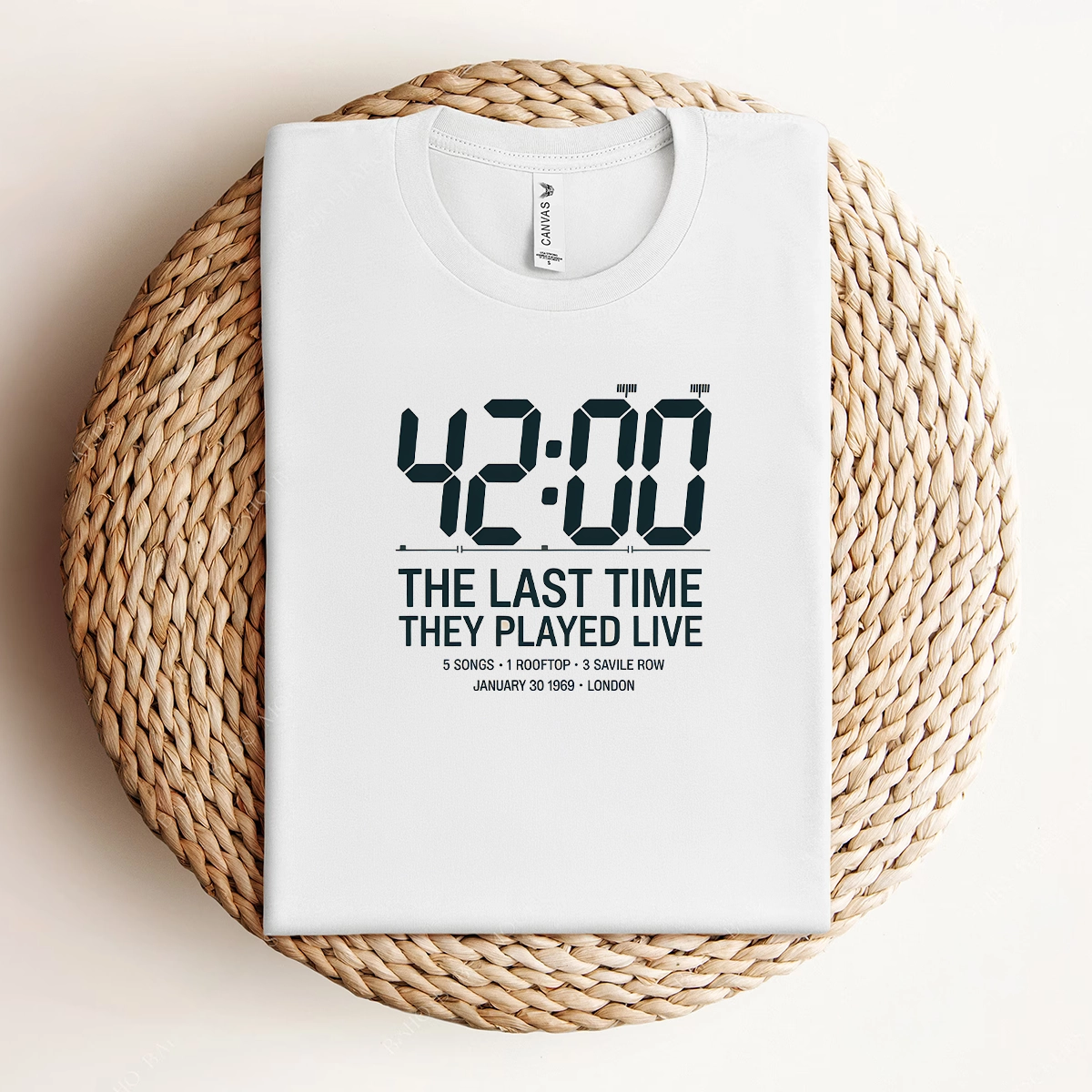
In January 1969, they tried something they hadn't done in years: they tried to play live again. The plan was called Get Back. They would rehearse a new album in front of cameras, then perform it in concert. The cameras filmed three weeks of arguments, sulking, and George Harrison briefly quitting. The concert eventually happened on a rooftop in central London on January 30, 1969 — five floors above 3 Savile Row, the home of their own record company. They played for forty-two minutes before the police arrived. Nobody knew it was the last time they would ever perform together in public.

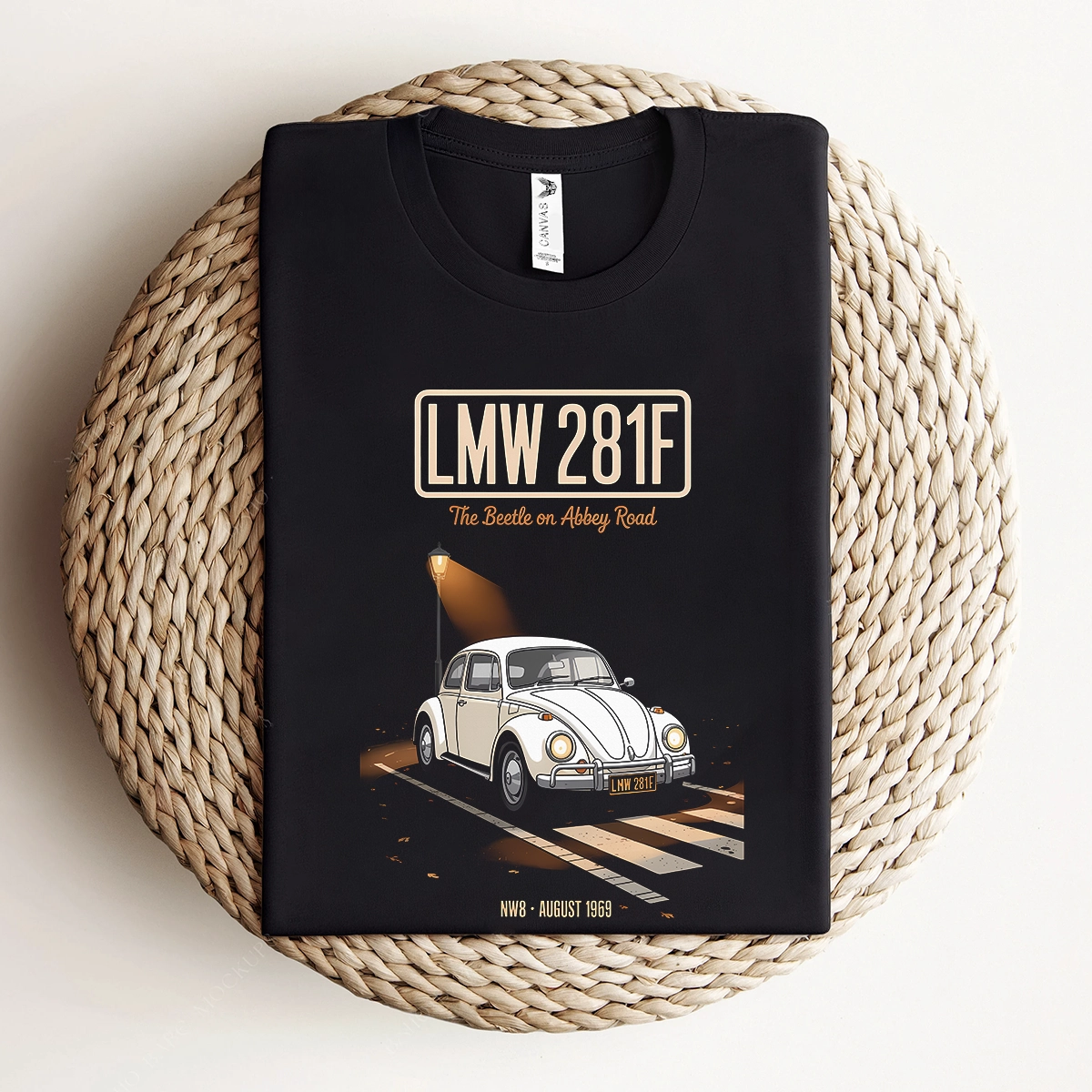
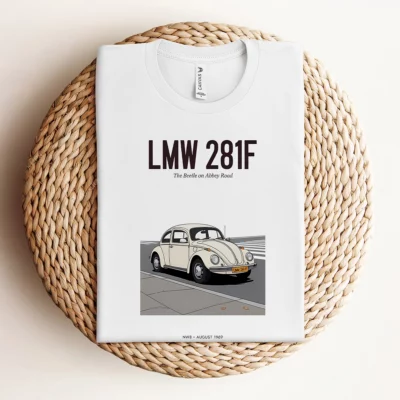
That summer, they tried one more time. They returned to Abbey Road Studios — the place where they had made their best music — and they made one more album. It was called Abbey Road. The cover was a photograph of the four of them walking across a zebra crossing outside the studio. The photographer, Iain Macmillan, took six pictures in ten minutes. The album closed with a sixteen-minute medley on side two — the most intricate, beautiful piece of pop music ever recorded. The last words on the album were sung by Paul McCartney: "And in the end, the love you take is equal to the love you make."

They never recorded together again. Paul McCartney announced his departure on April 10, 1970. The Beatles, the most famous band in the history of music, ceased to exist after seven and a half years. They had been a band for less time than most marriages last.

But the songs remained. The crossing remained. The roof remained. And somewhere, on a stretch of pavement in north London, four shadows still walk forever.

Nine Moments from the Crossing

From a rooftop in central London to a zebra crossing in St. John's Wood — every design is a goodbye.

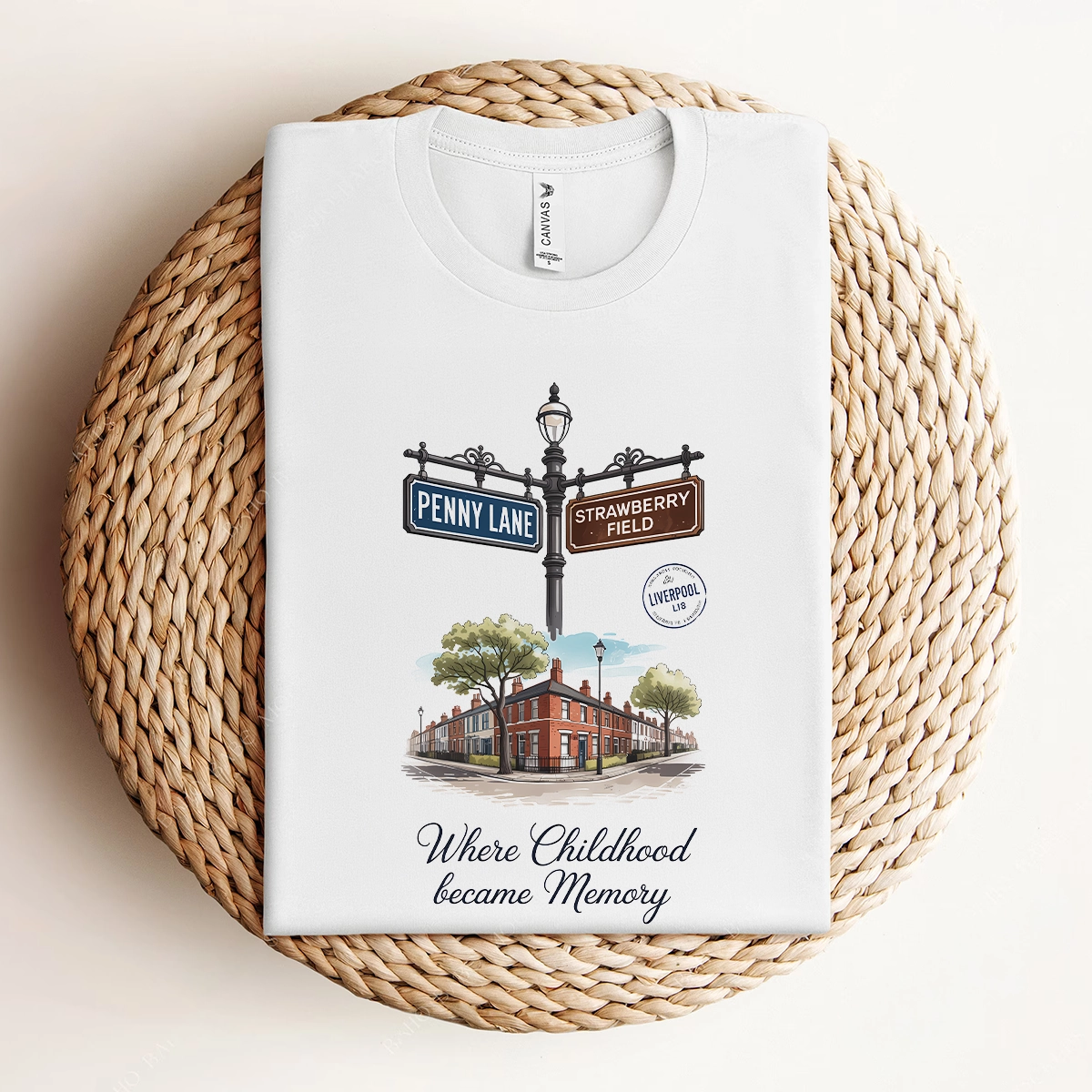
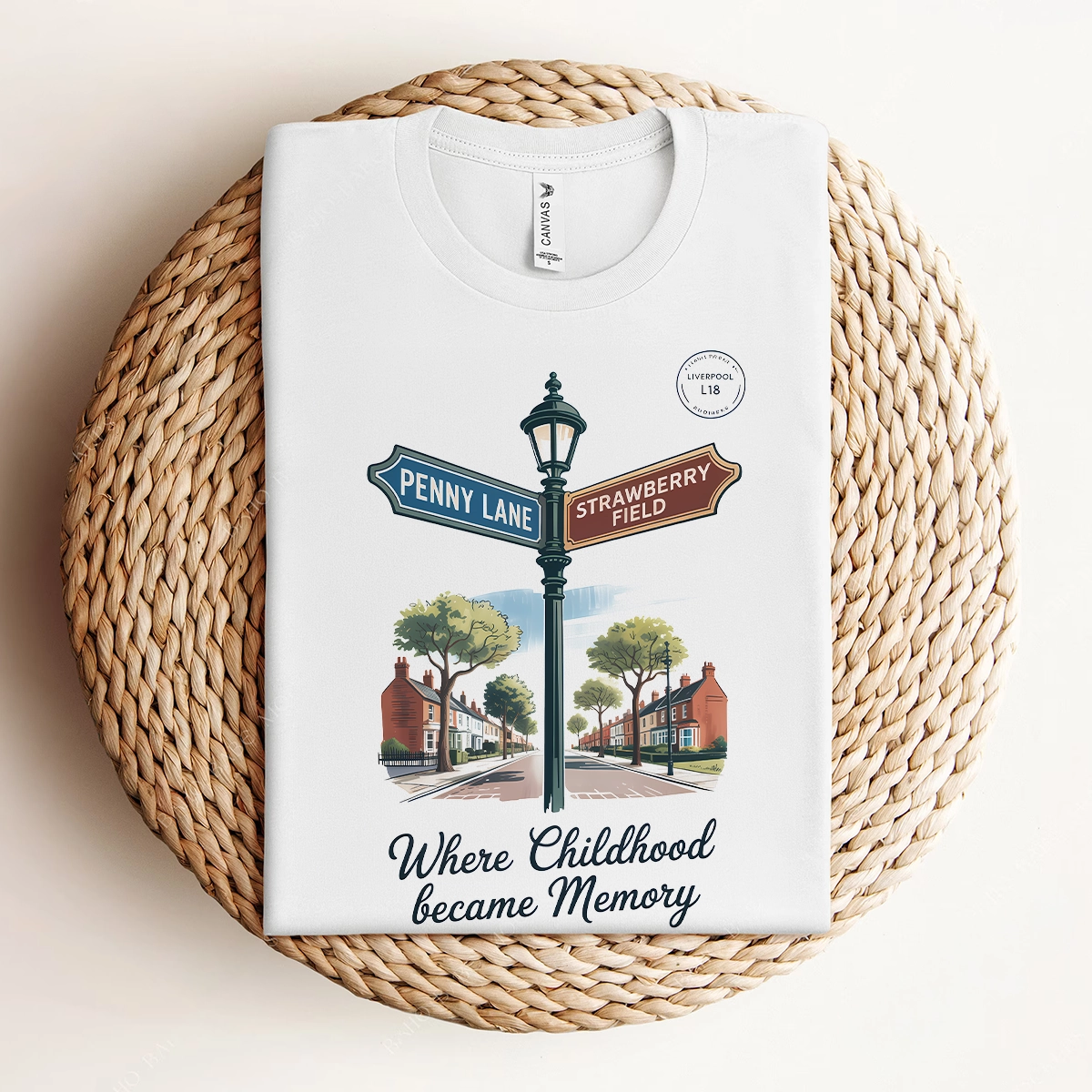
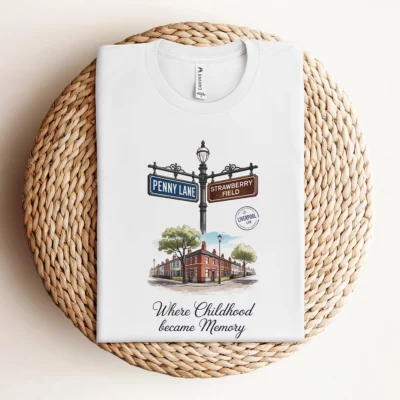
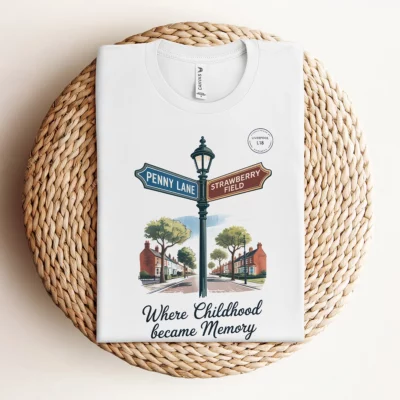
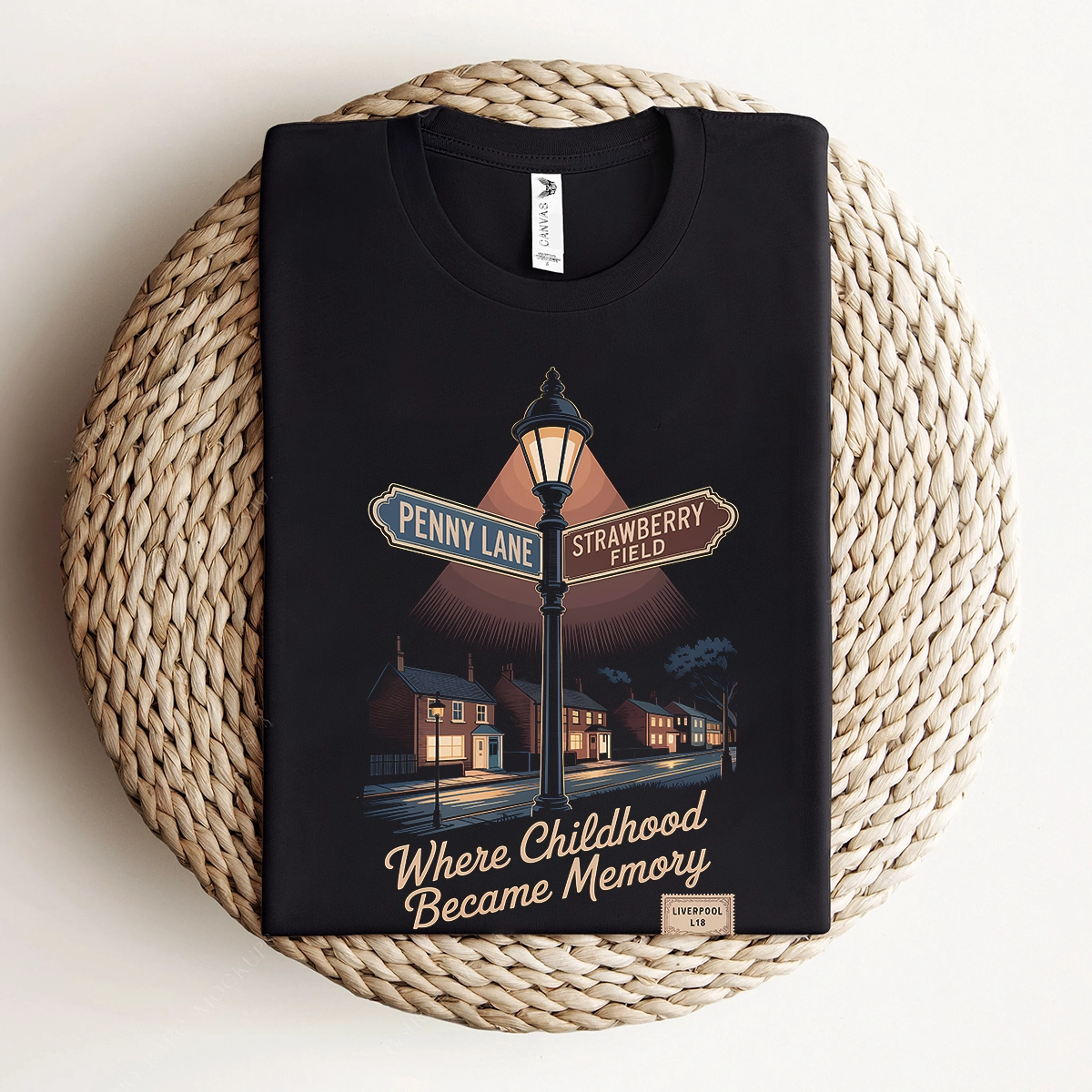
Penny Lane ↔ Strawberry Field — Liverpool L18 Heritage Tee
Design · 01

Penny Lane ↔ Strawberry Field

Two Liverpool memories. Two streets in the same city. Two boys who would never meet again.

By 1968, the four of them were starting to drift. Lennon had moved to Tittenhurst Park. McCartney was living in St. John's Wood. Harrison had retreated to Esher. Starr had a young family. They no longer lived in the same city, the same room, the same world. But the songs they wrote in this period kept reaching back to the same place — a small port city in the north of England, where two streets they had walked as boys still existed, exactly as they had been. Penny Lane and Strawberry Field. The two roads home.

3 versions available
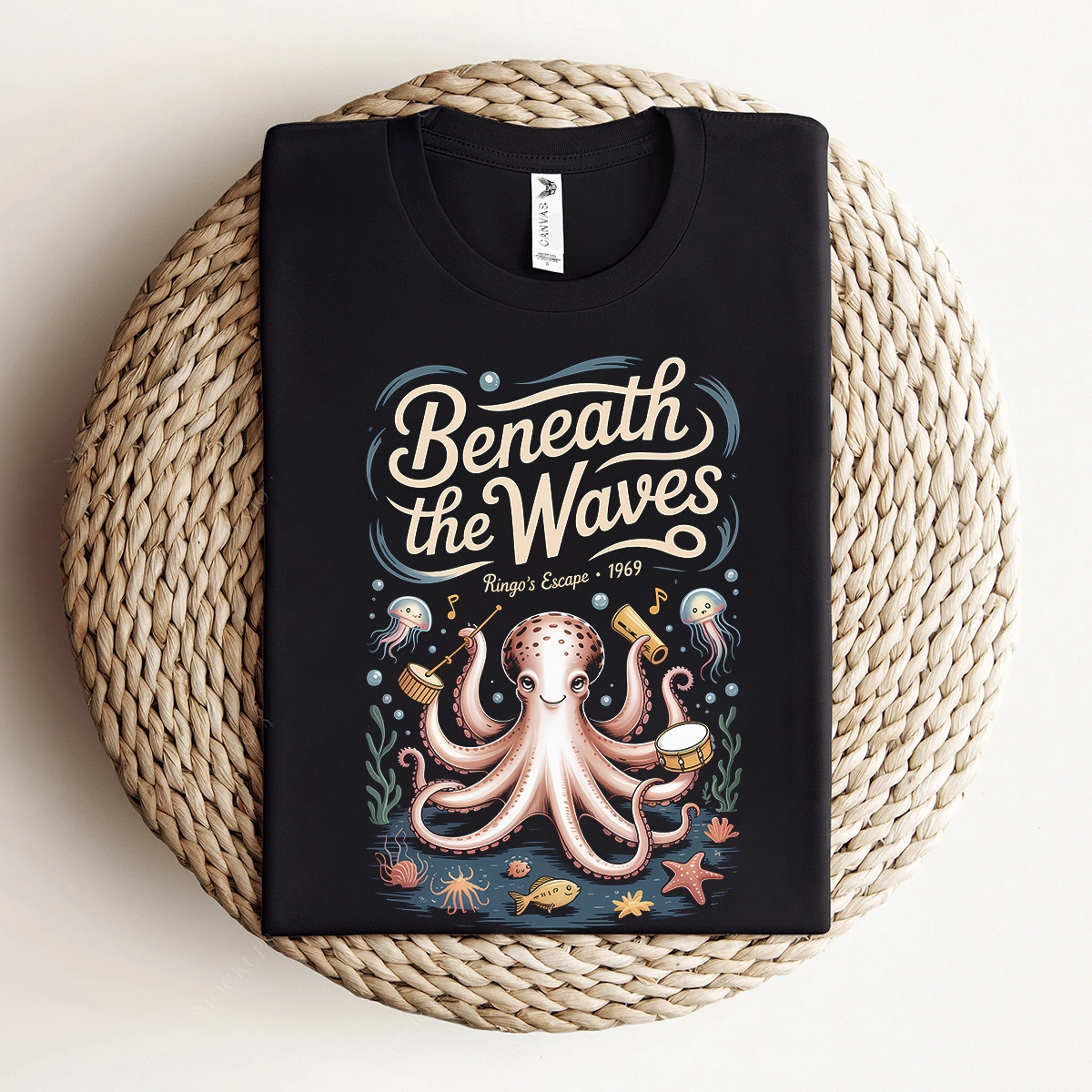
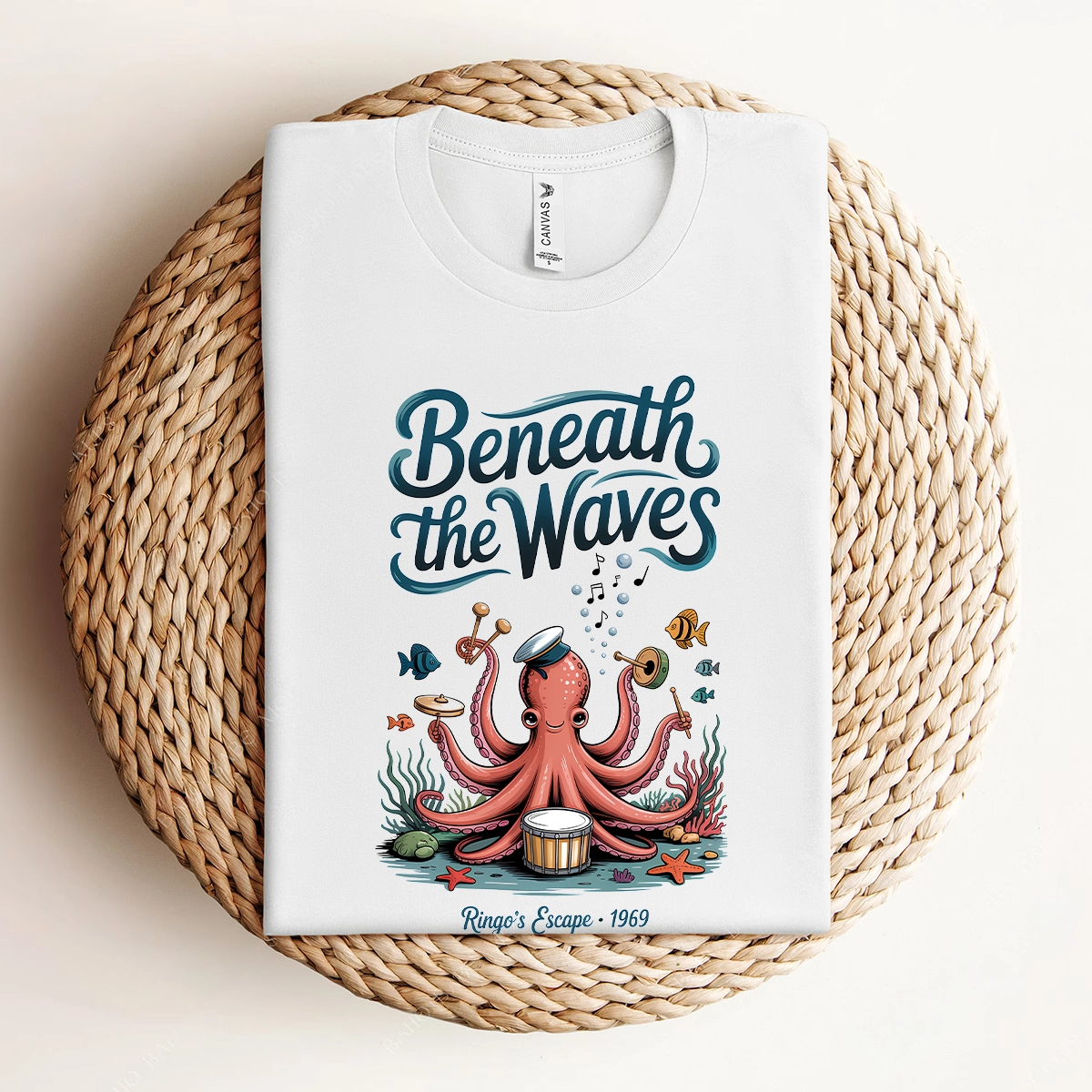
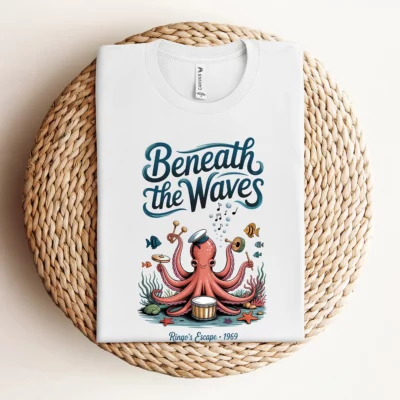
Beneath the Waves — Ringo's Escape 1969 Heritage Tee
Design · 02

Ringo's Escape

August 22, 1968. The drummer quits the band and flies to Sardinia.

Tensions during the recording of the White Album had become unbearable. After one too many fights in Studio Two, Ringo Starr put down his sticks, walked out, and flew to Sardinia. He stayed for two weeks on a borrowed yacht, writing a song about an octopus's garden under the sea. While he was gone, Paul McCartney played drums on Back in the U.S.S.R. When Ringo returned to Abbey Road, his bandmates had filled his drum kit with flowers. He never told them what the song was actually about.

3 versions available
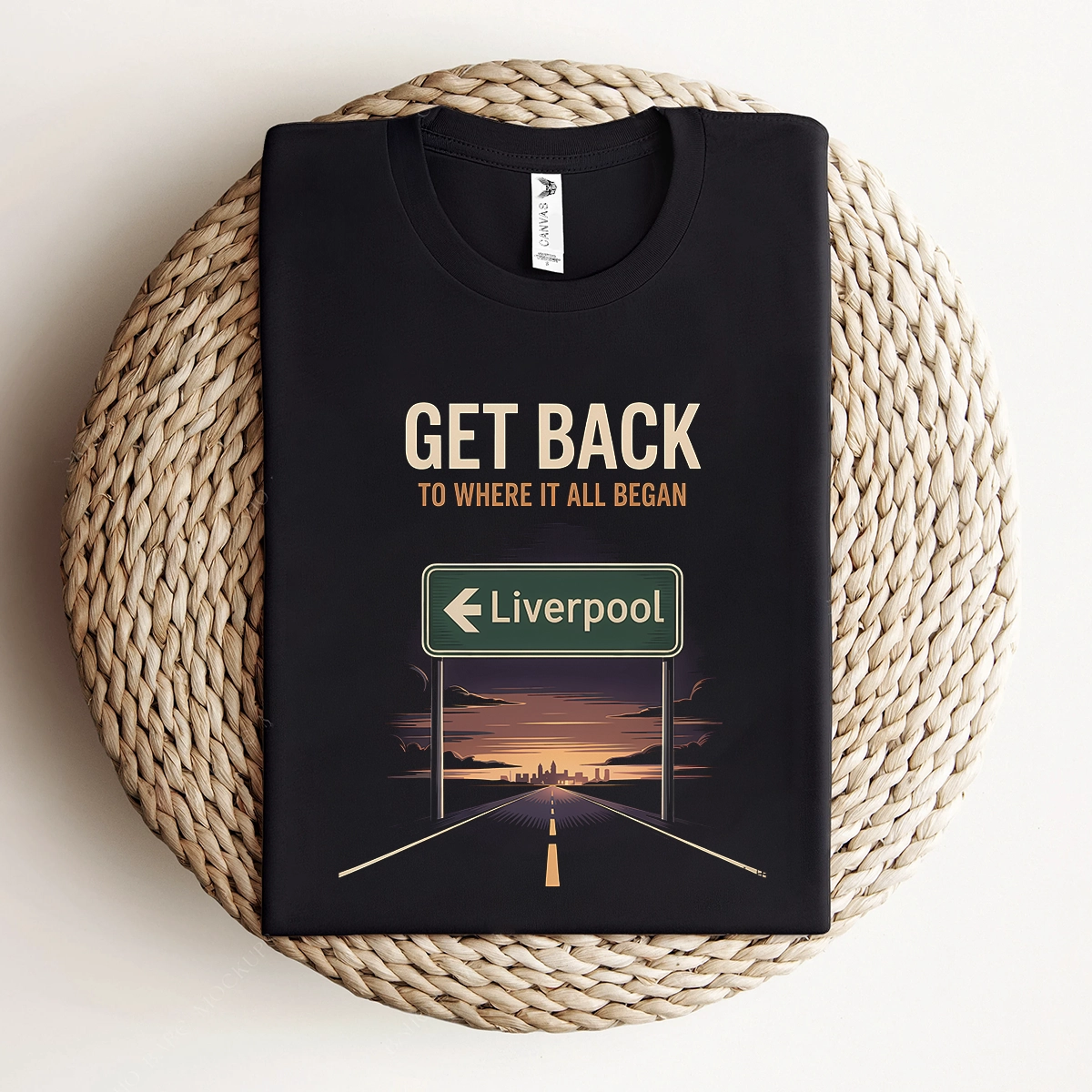
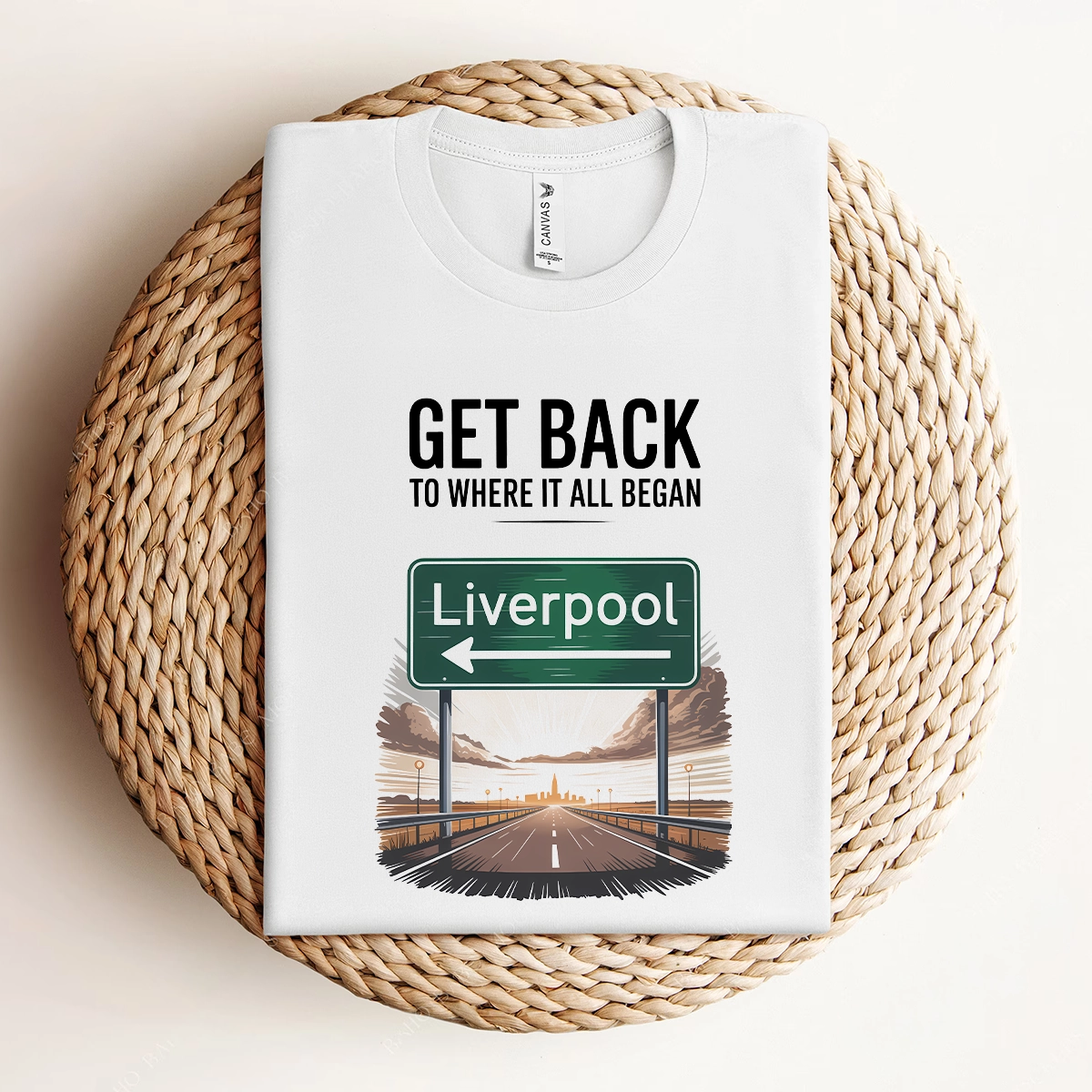
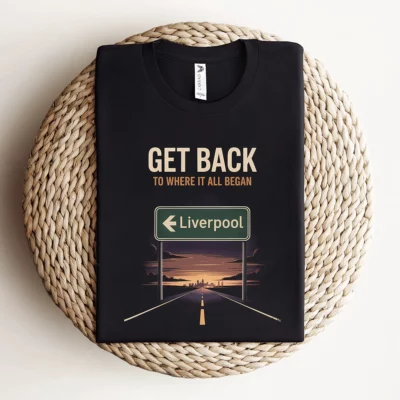
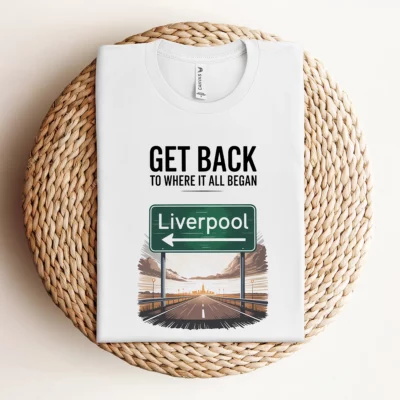
Get Back — To Where It All Began Rock Heritage Tee
Design · 03

Get Back

January 1969. They tried to go home. To get back to where they once belonged.

The plan was simple: rehearse a new album live, no overdubs, no studio tricks, no eight-track manipulation. Just four men in a room, playing rock and roll the way they used to. They booked Twickenham Film Studios for the rehearsals. They invited cameras to film the whole thing. What they got, for three weeks in January 1969, was an unfiltered look at a band falling apart. Cold sound stages. Bad acoustics. George Harrison walked out on January 10. He came back on January 15. By January 30, they had moved the entire operation to a rooftop in central London.

2 versions available
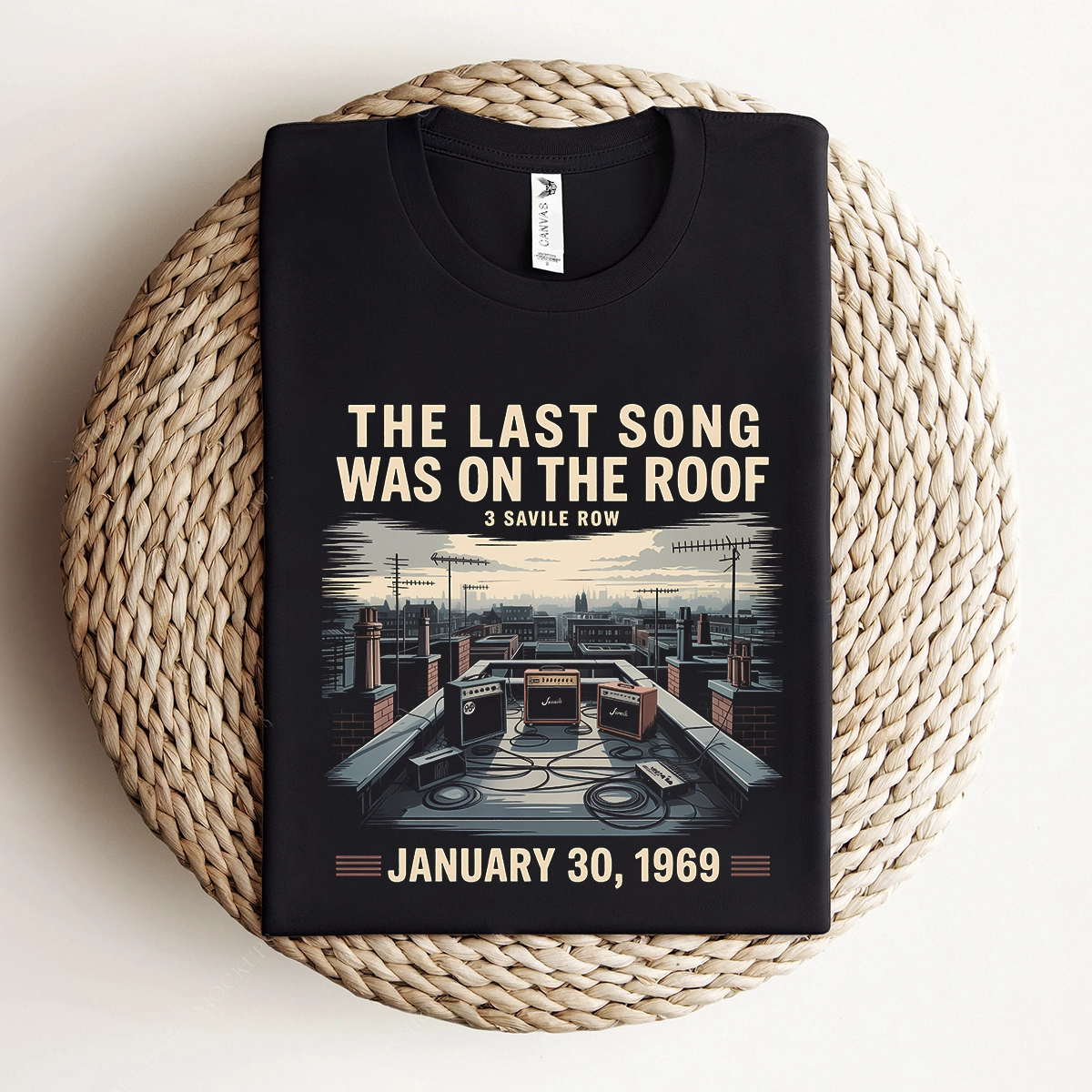
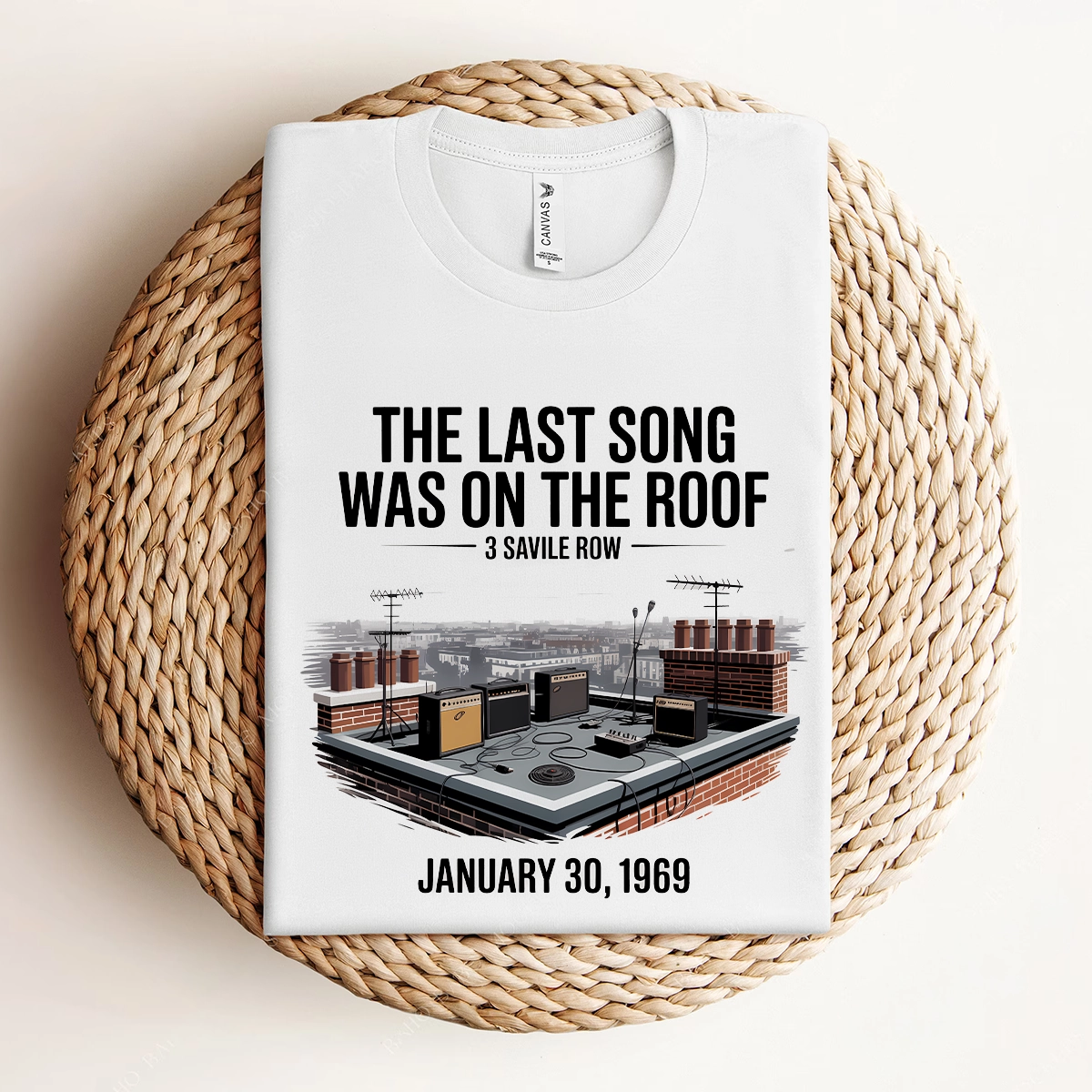
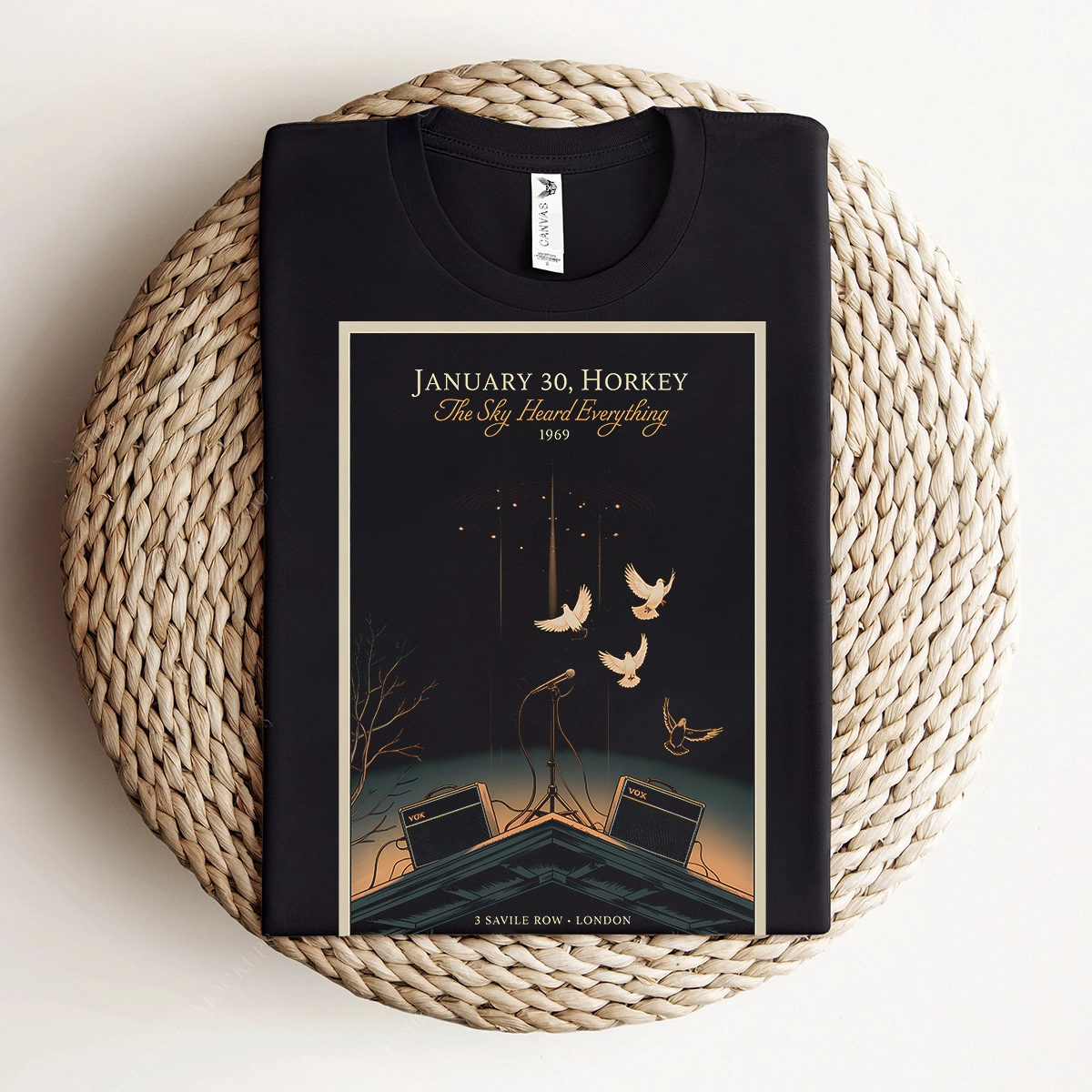
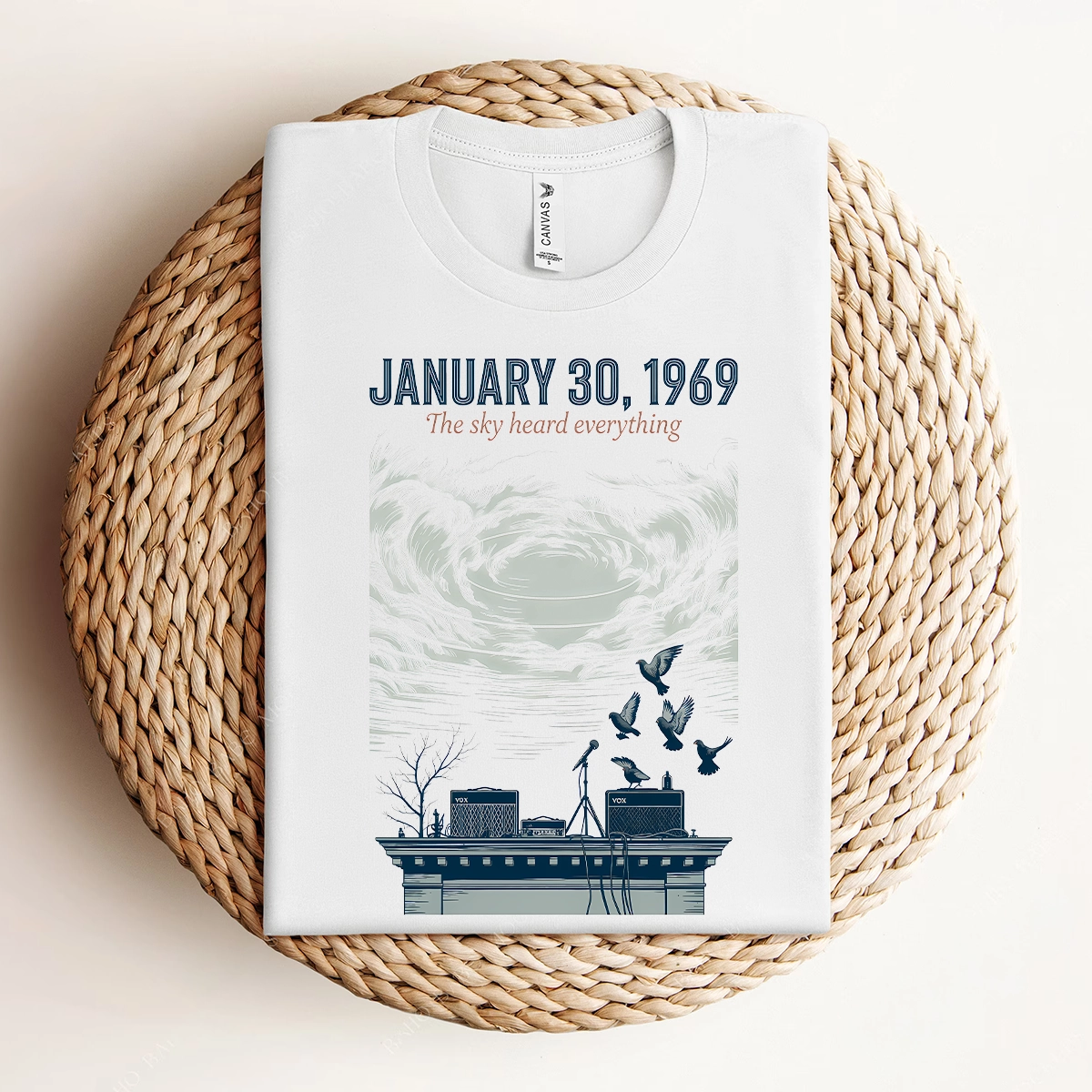
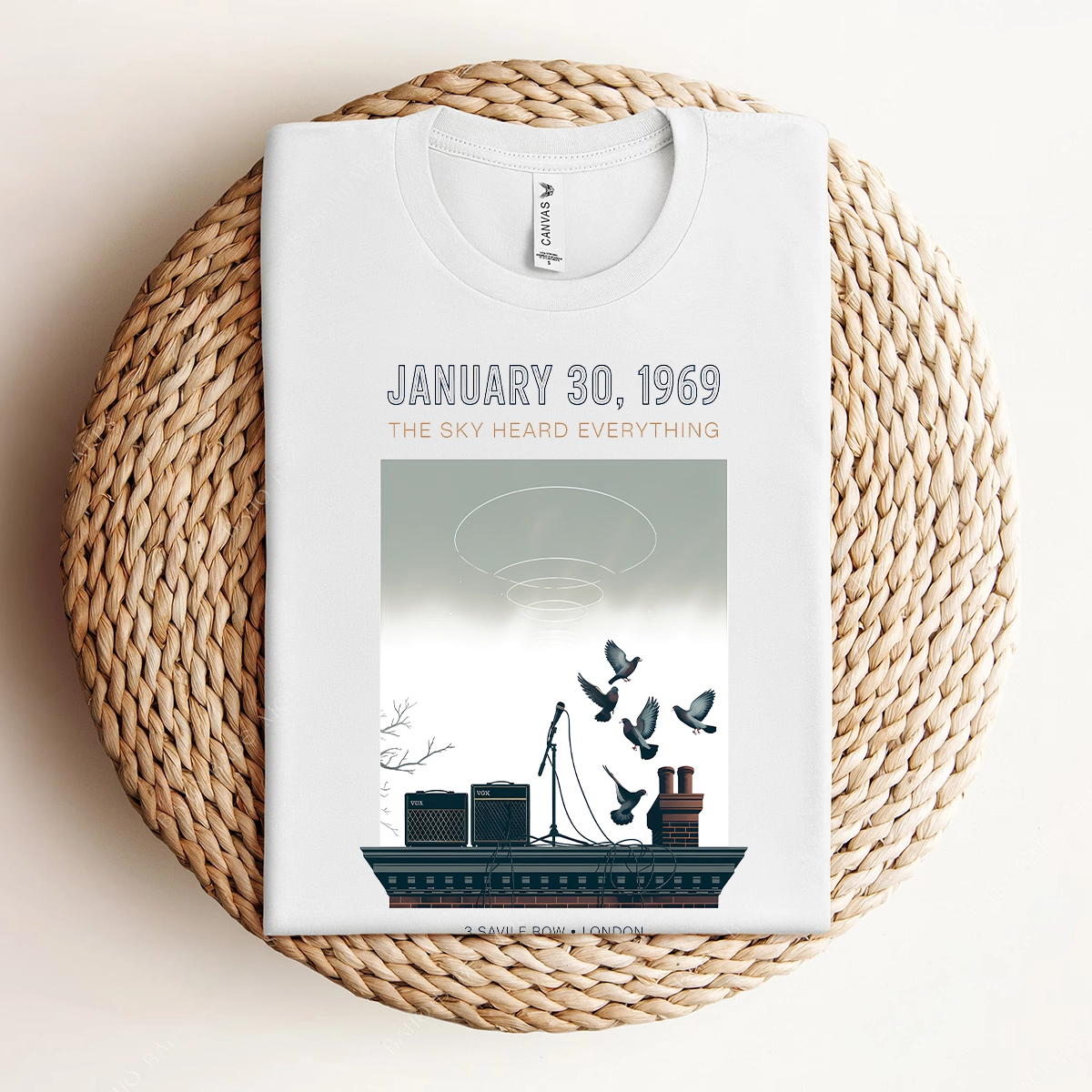
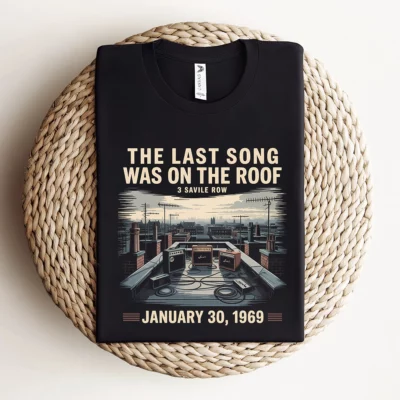
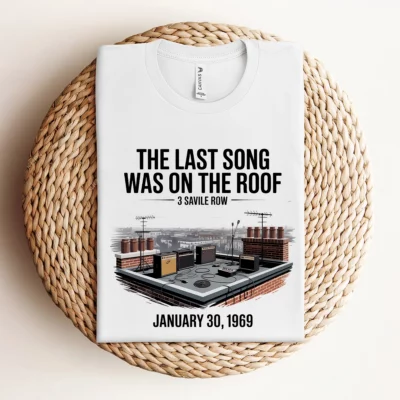
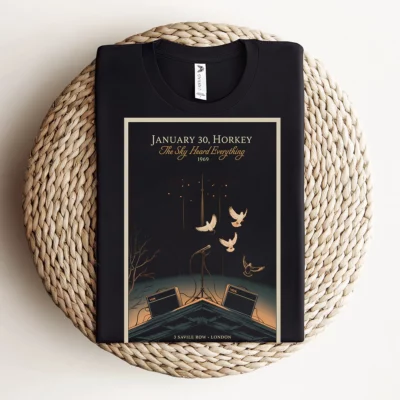
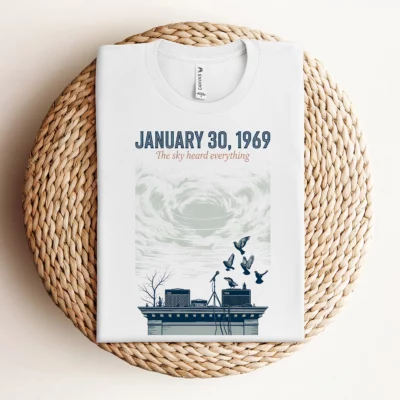
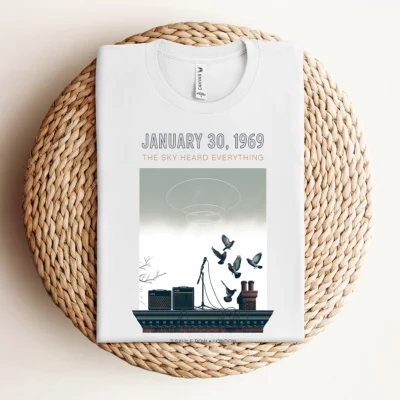
January 30, 1969 — The Sky Heard Everything — Rooftop Rock Tee — Design I
Design · 04

January 30, 1969

Five floors above Savile Row. The last concert. Nobody knew it would be the last.

At 12:30 PM on a cold Thursday afternoon in January 1969, four men climbed a narrow staircase to the roof of 3 Savile Row in central London — the headquarters of their own record company, Apple Corps. They set up amps. They plugged in. They played for forty-two minutes. Below them, on the busy lunchtime streets of Mayfair, office workers stopped to look up. Some climbed onto the roofs of neighboring buildings. Some held up traffic. None of them realized they were witnessing the last public performance of the most famous band in the history of music.

6 versions available
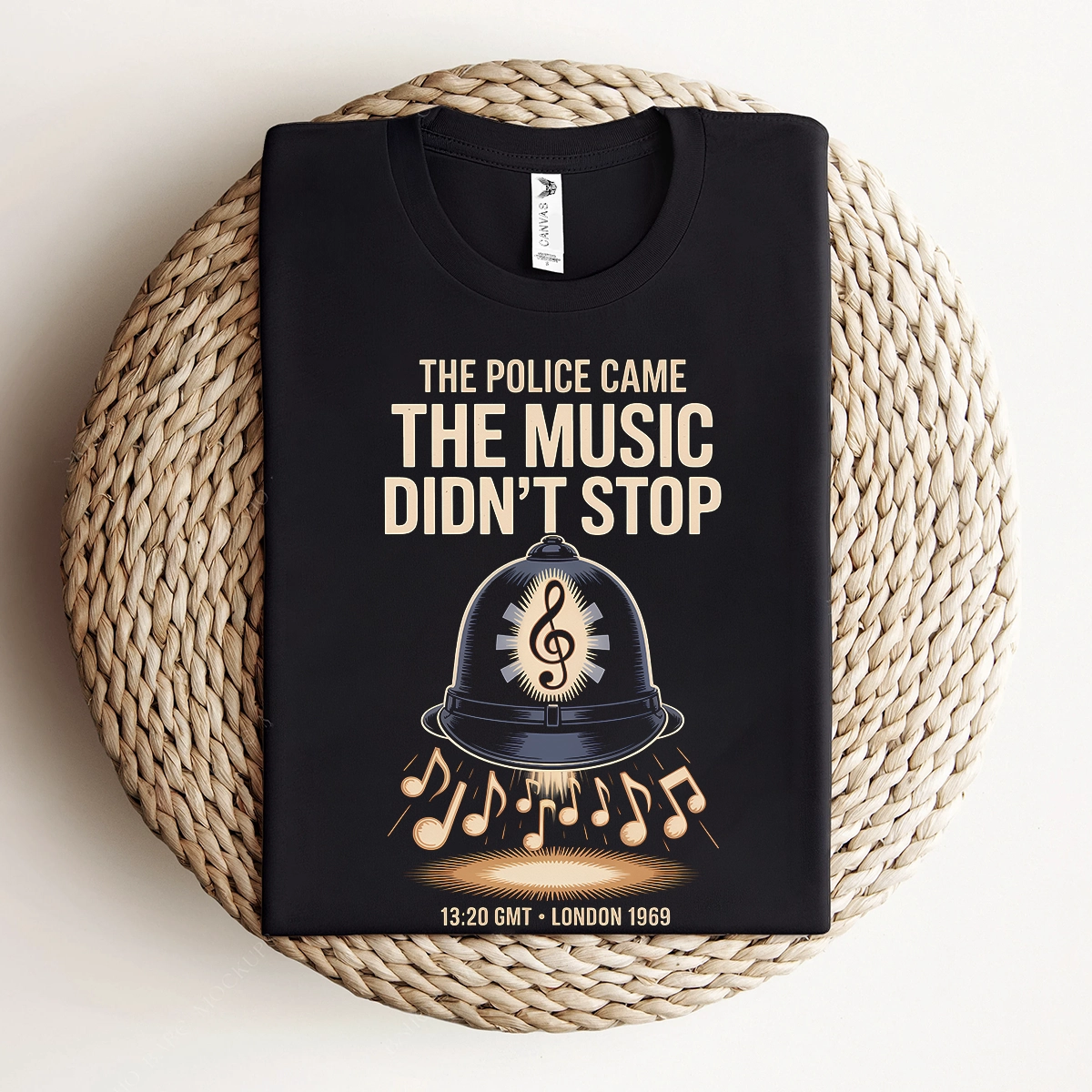
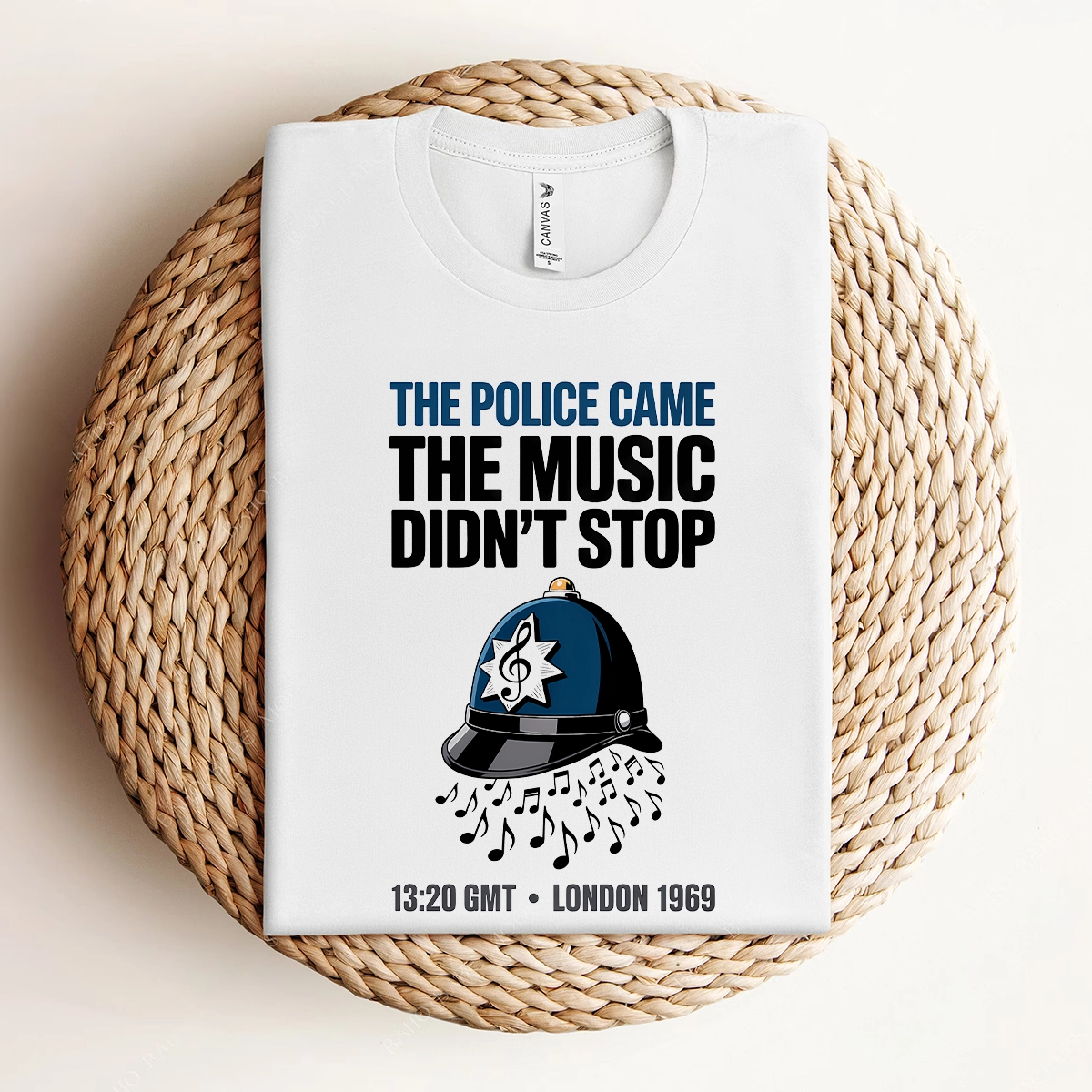
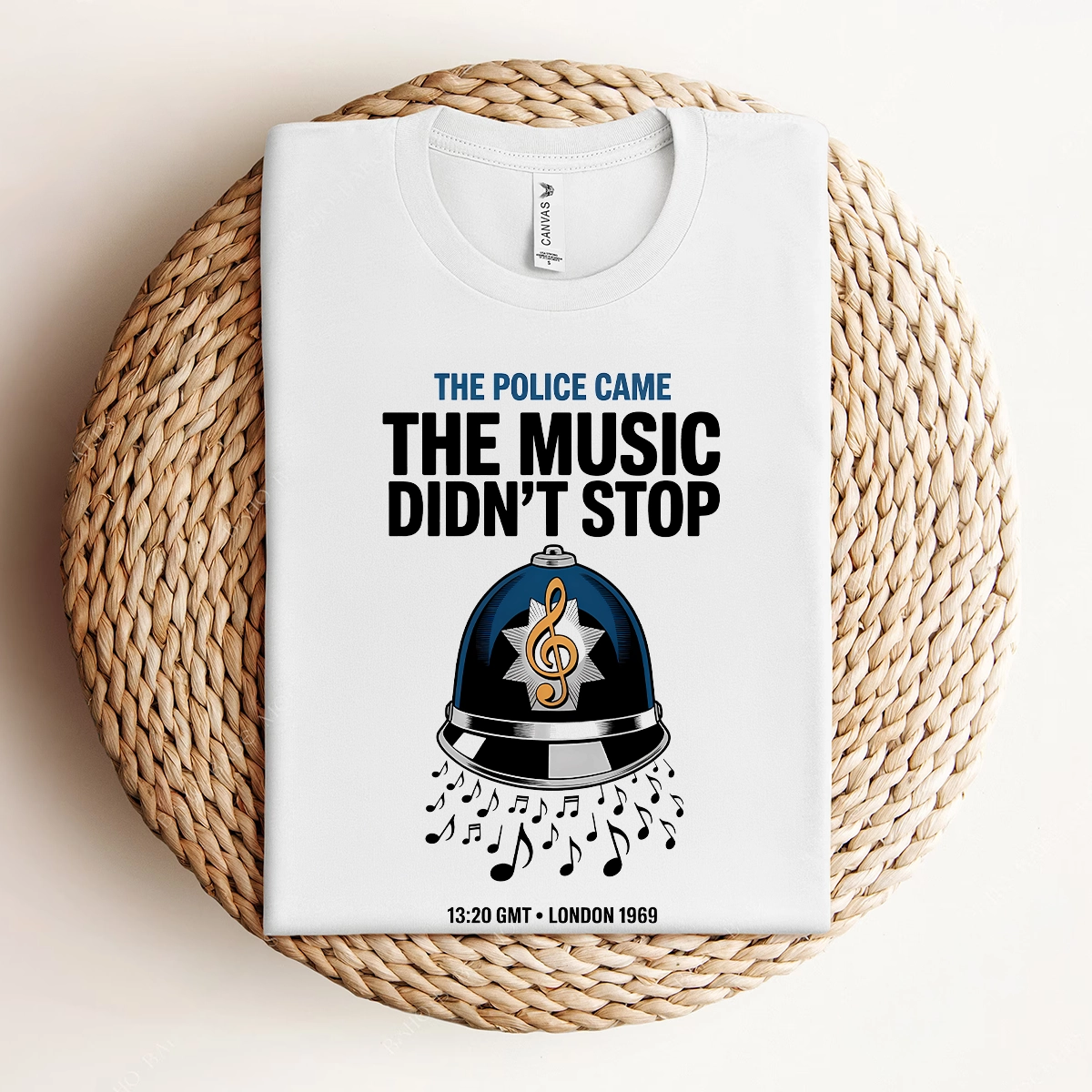
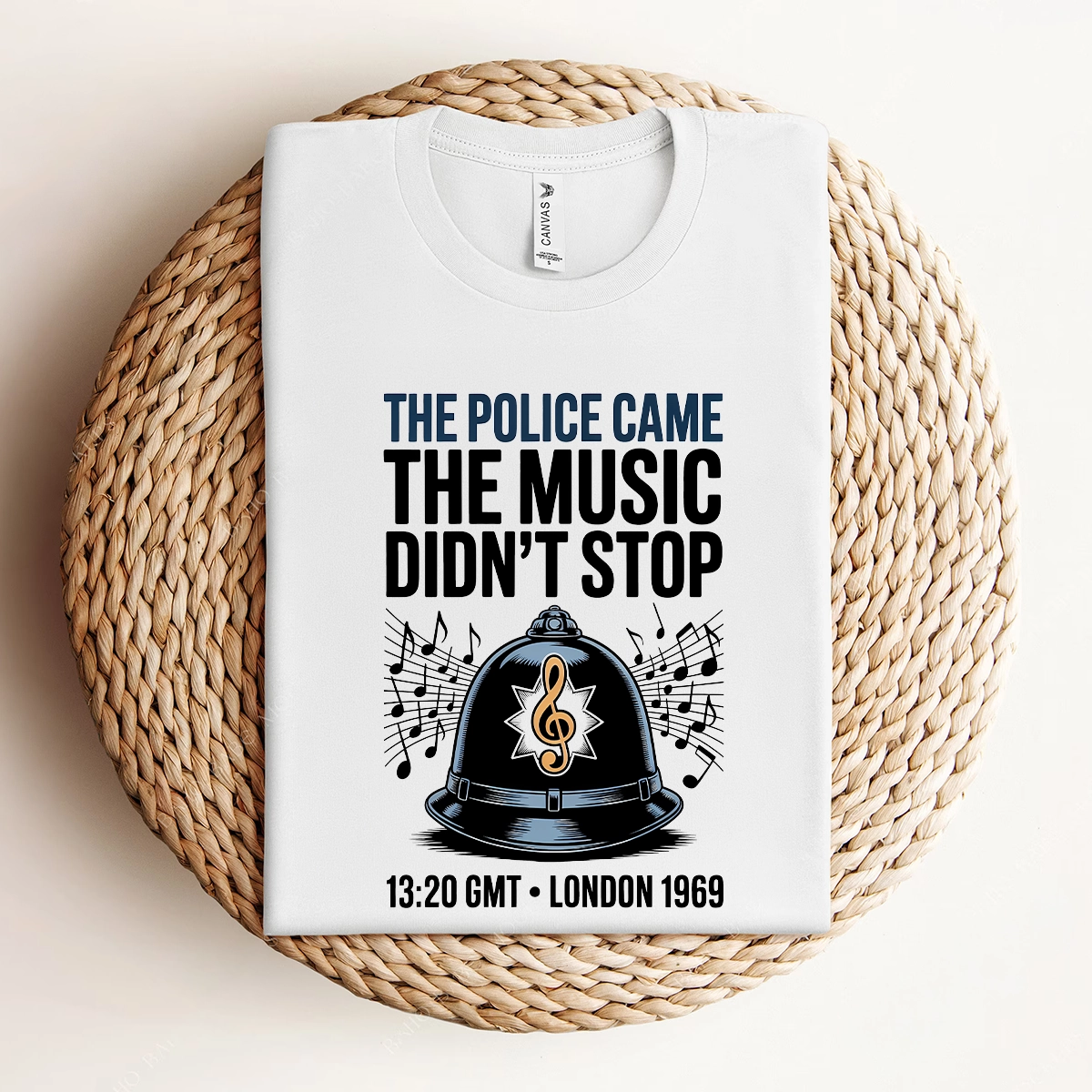
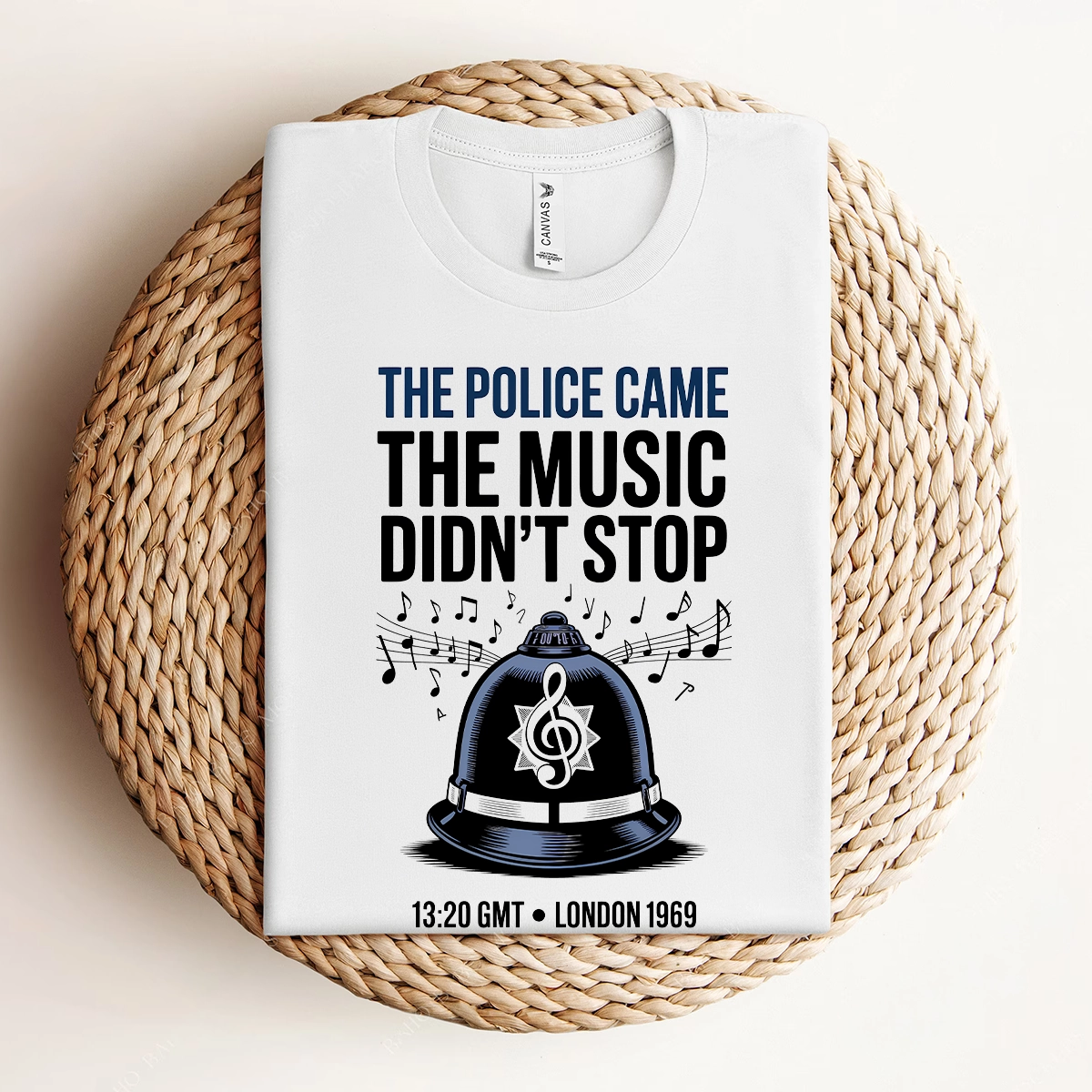
The Police Came — The Music Didn't Stop 1969 Rock Tee
Design · 05

The Police Came

Two officers from West End Central. A complaint about the noise. The end of an era.

At about 1:00 PM on January 30, 1969, two constables from West End Central Police Station arrived at 3 Savile Row. A wool merchant from across the street had complained about the noise. The officers were polite, slightly embarrassed, and absolutely insistent: the music had to stop. The band kept playing. The officers walked up the stairs. They reached the roof. They stood there for several minutes, listening, before John Lennon finally said into the microphone: 'I'd like to say thank you on behalf of the group and ourselves, and I hope we've passed the audition.' Those were the last words ever spoken at a public Beatles concert.

5 versions available
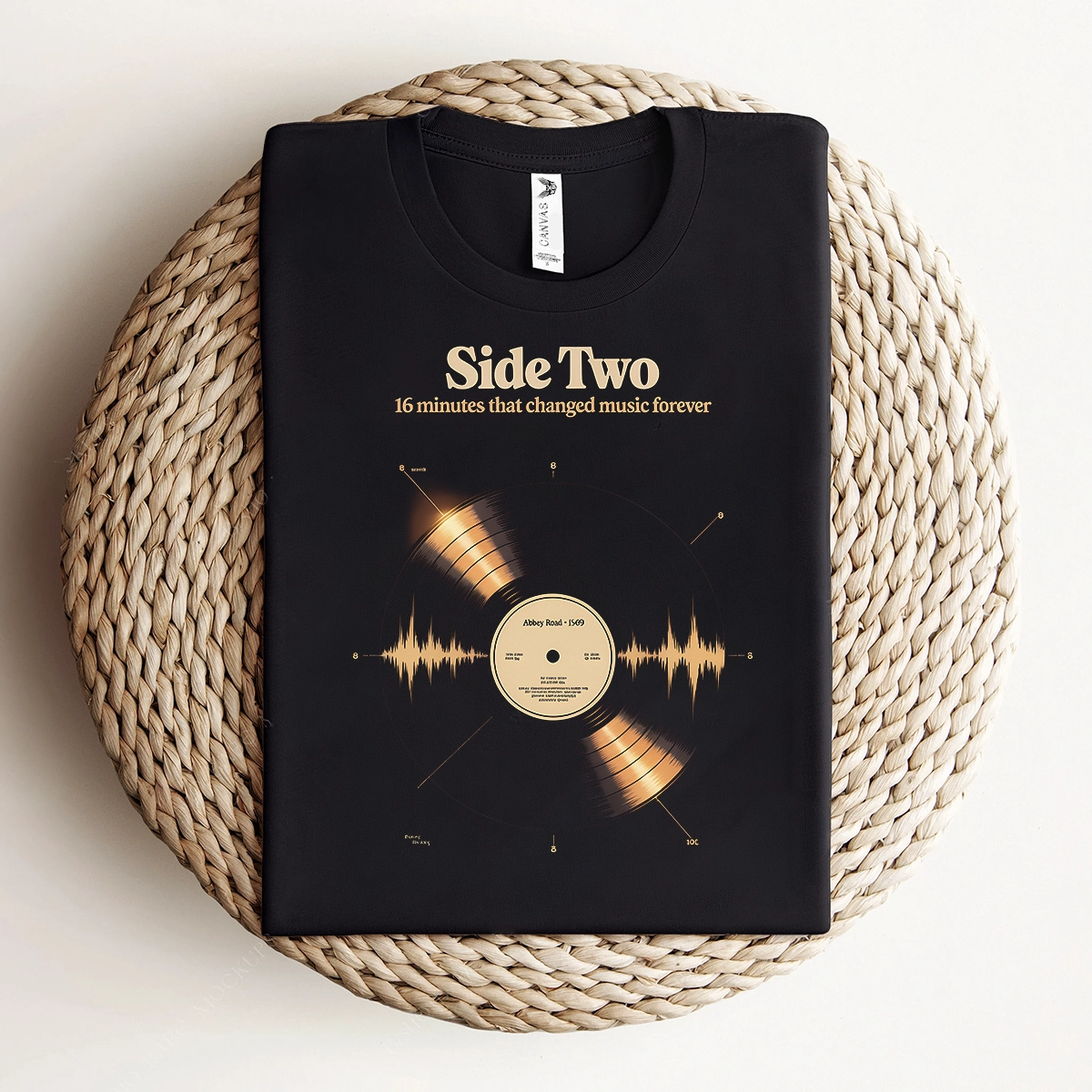
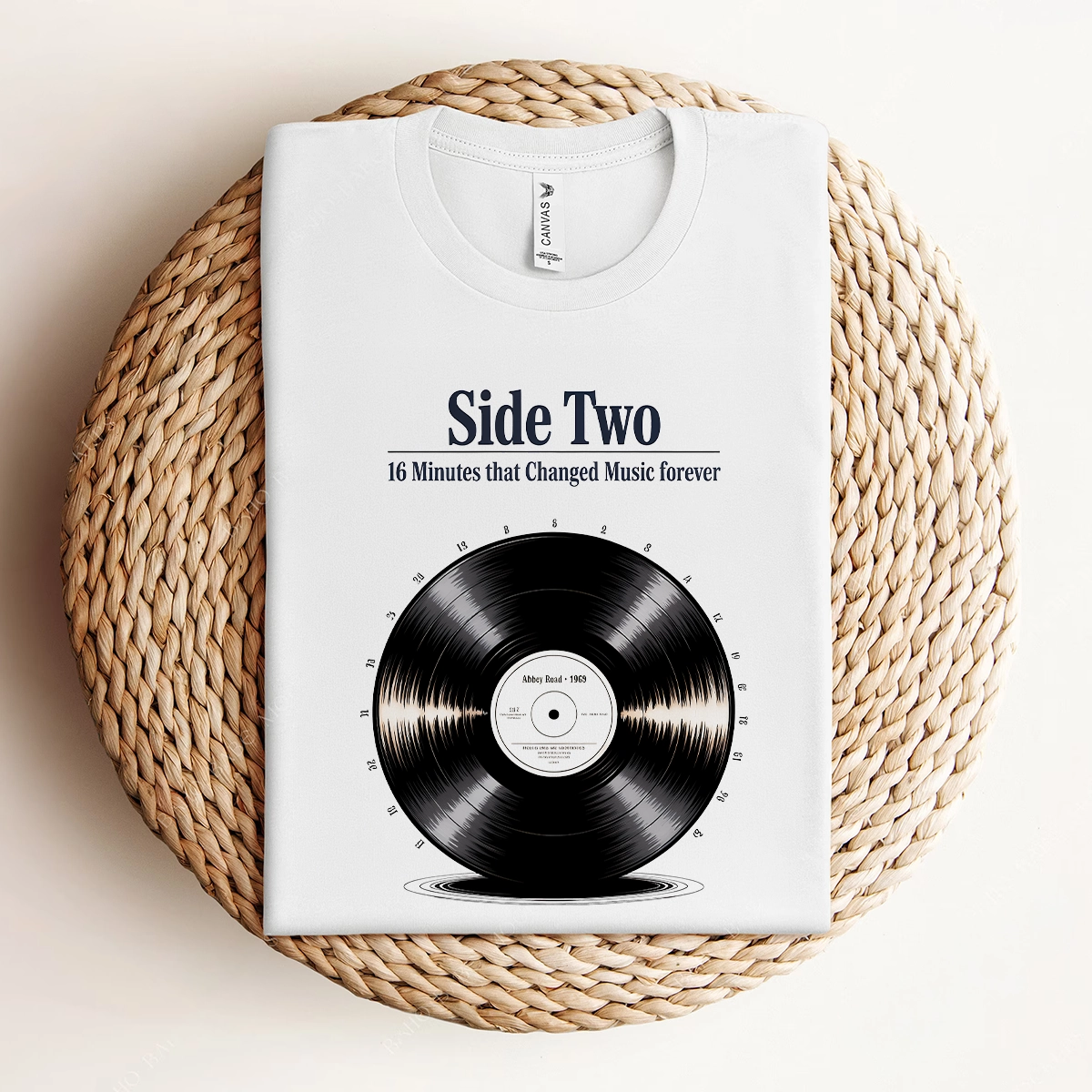
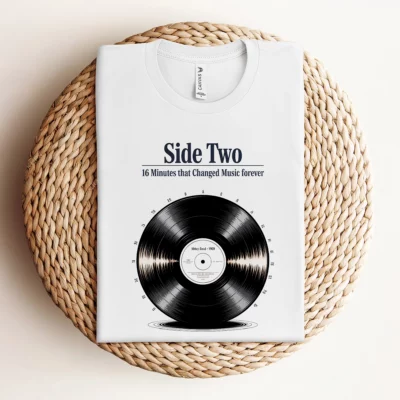
Side Two — 16 Minutes That Changed Music Forever Vintage Rock Tee
Design · 06

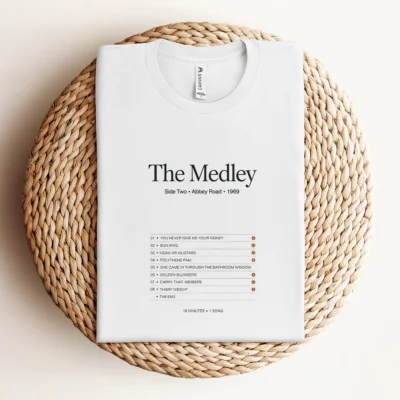
Side Two

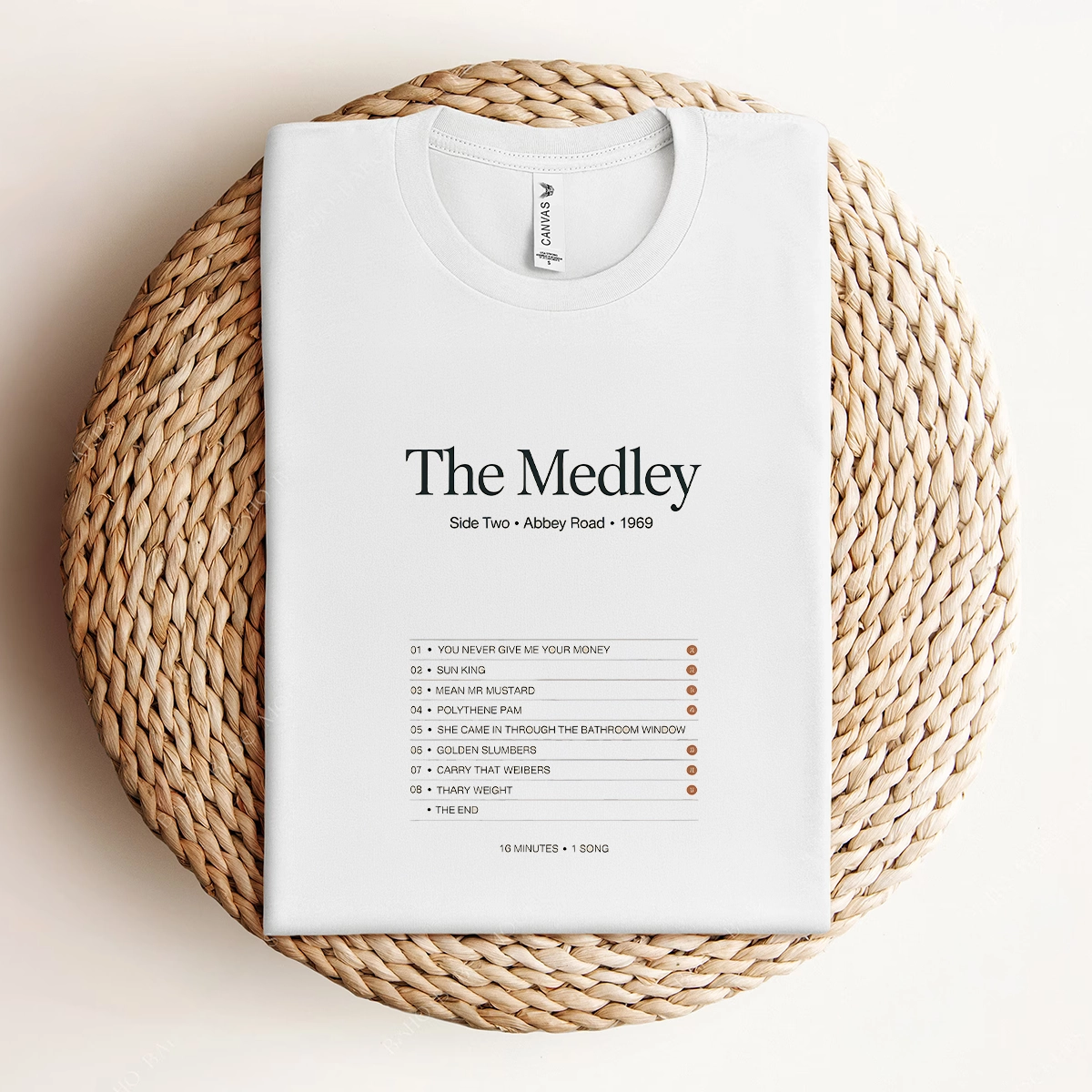
Sixteen minutes of music. Eight songs woven together into one continuous piece. The medley.

By the summer of 1969, the band had already decided that Abbey Road would probably be their last album together. They had a problem: they had eight unfinished songs and nobody wanted to write a ninth. So Paul McCartney and producer George Martin came up with a solution. They would weave all eight together into a single sixteen-minute medley on side two of the album. Each song would flow into the next without a break. The result was the most seamless, intricate, perfectly engineered piece of pop music ever recorded — and the last truly collaborative thing the four of them ever did together.

3 versions available
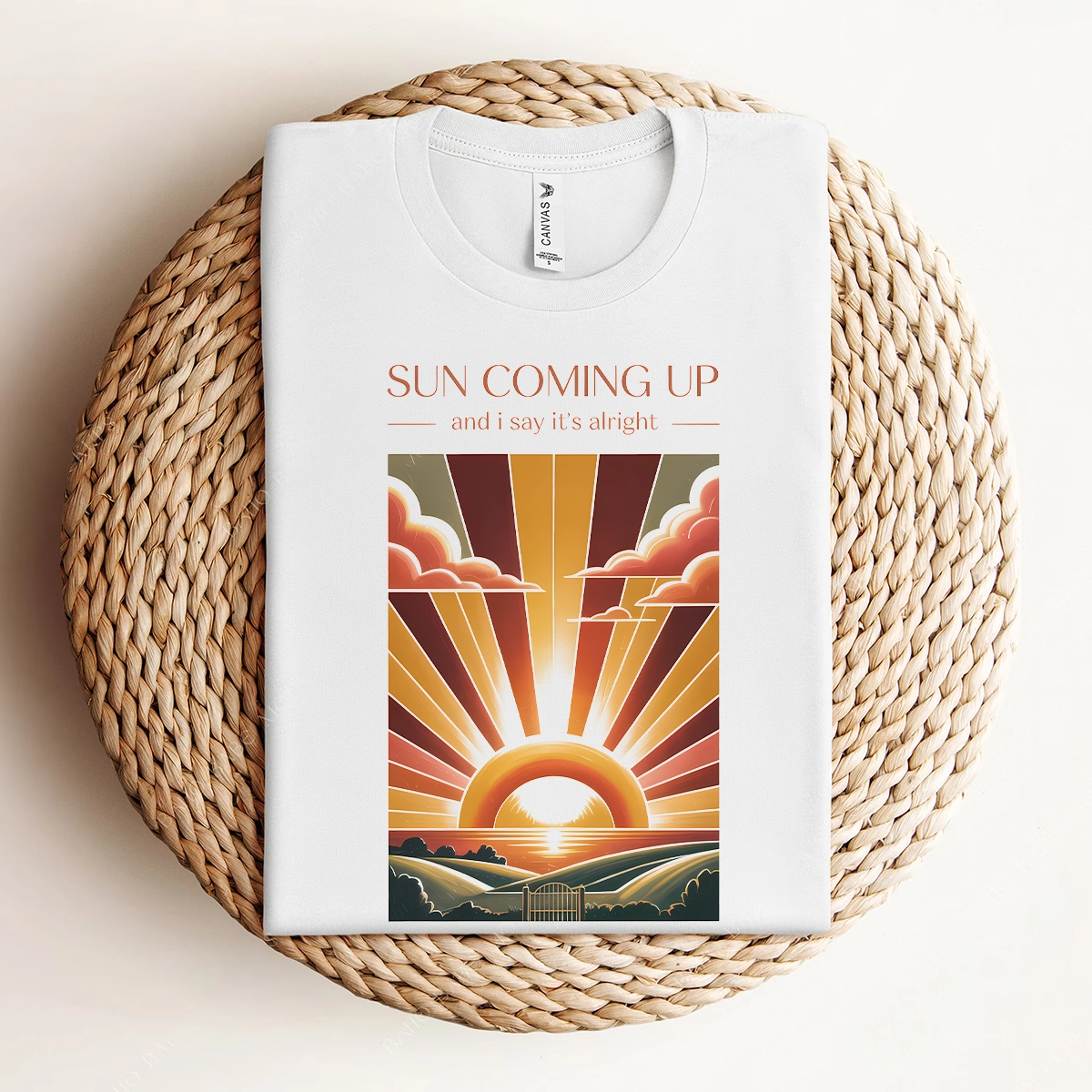
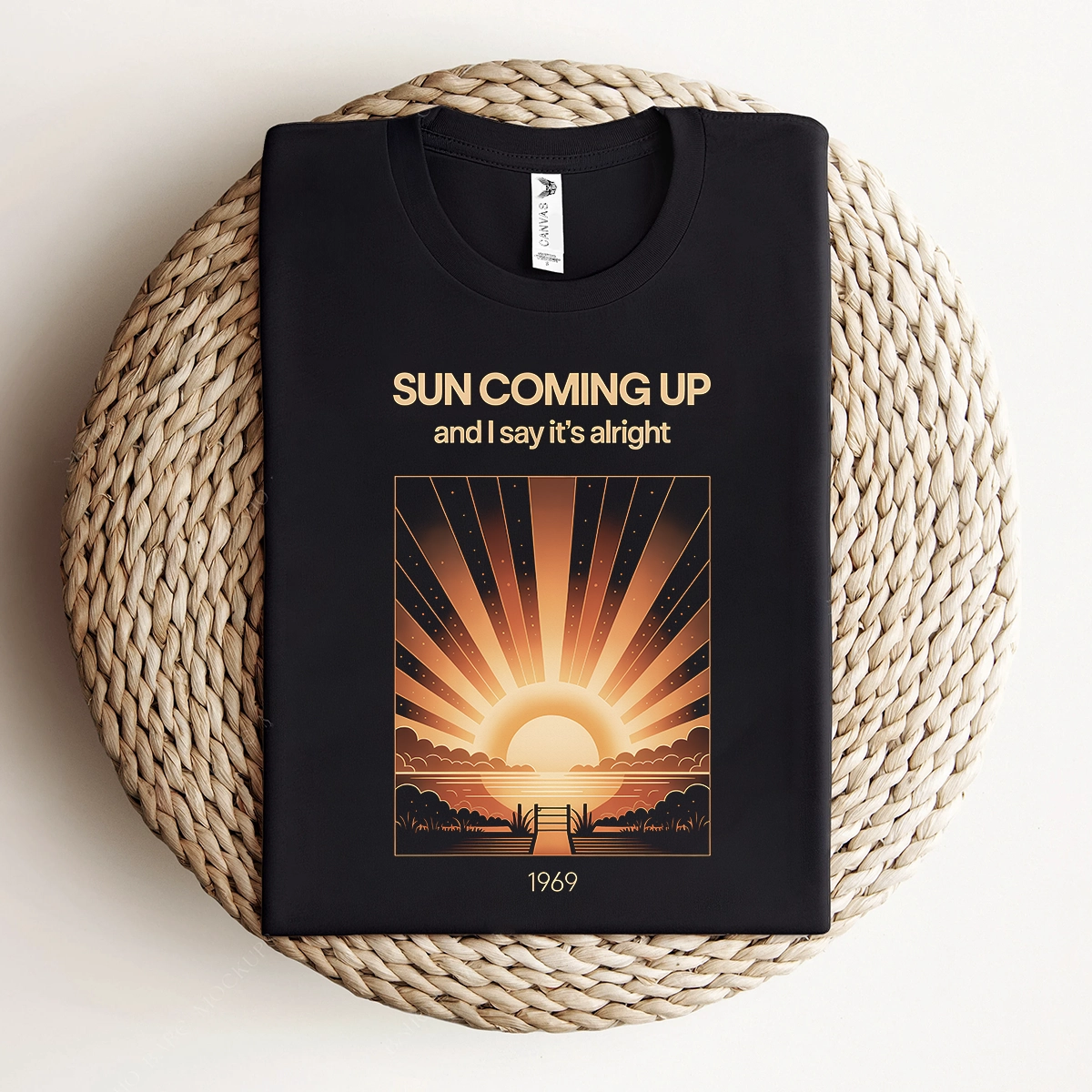
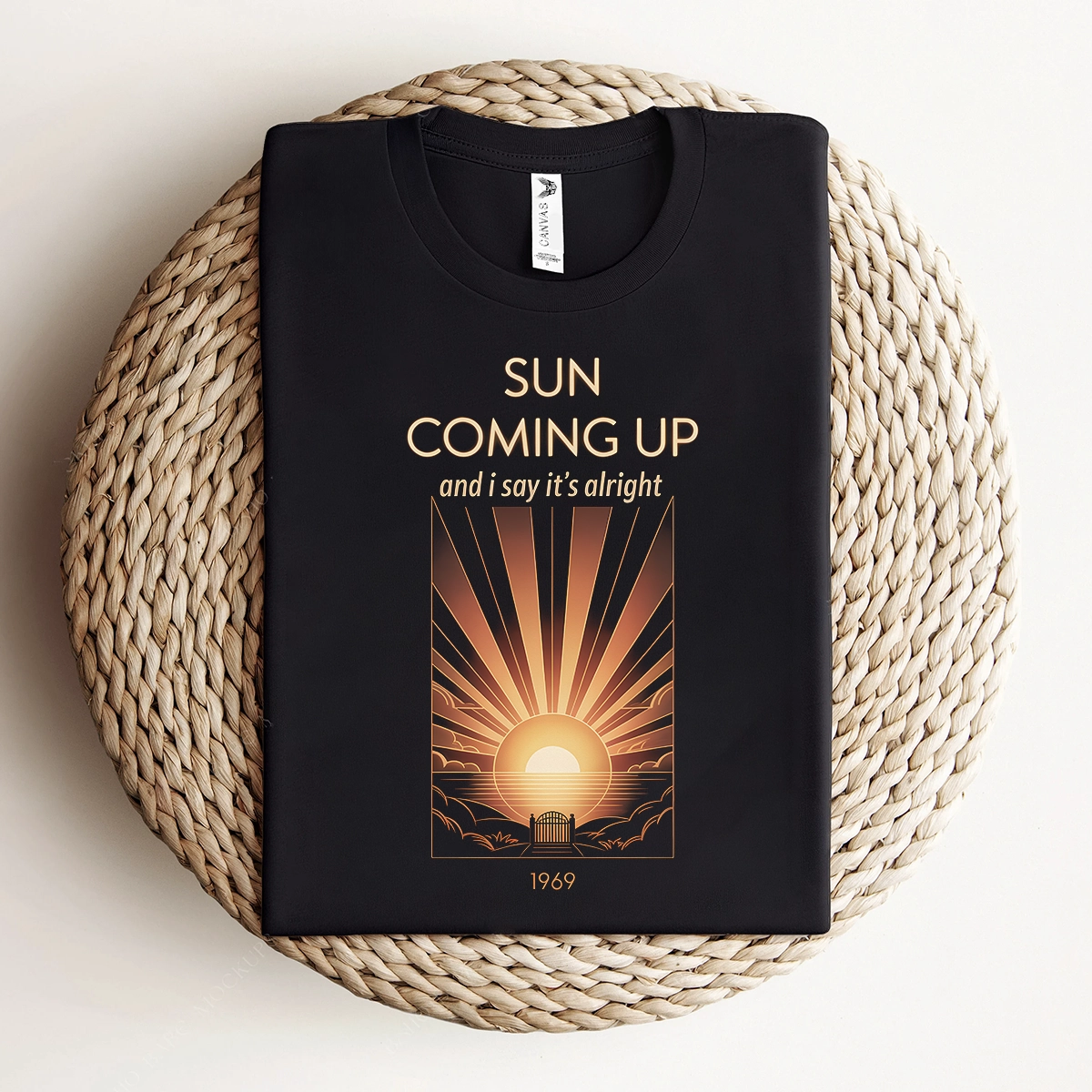
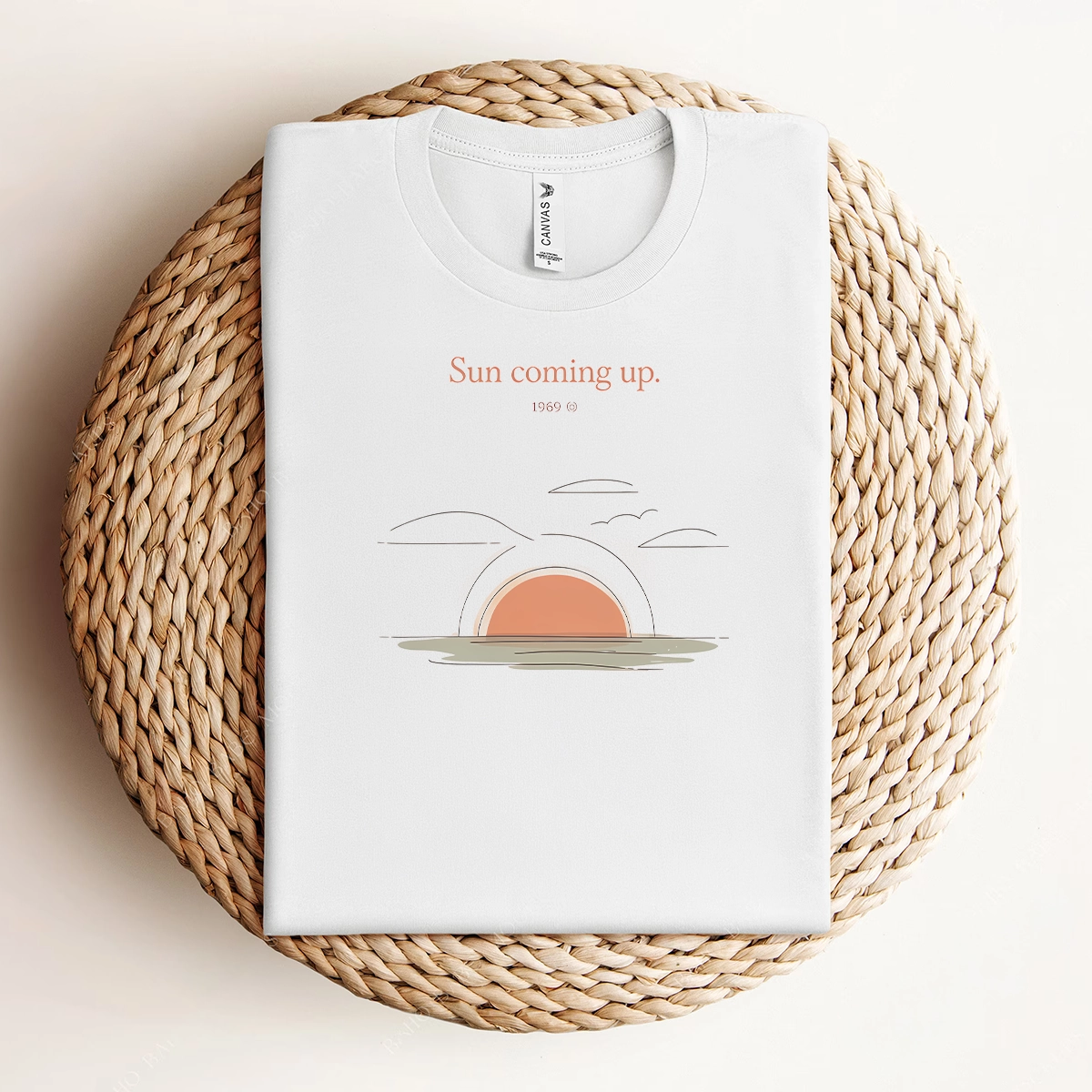
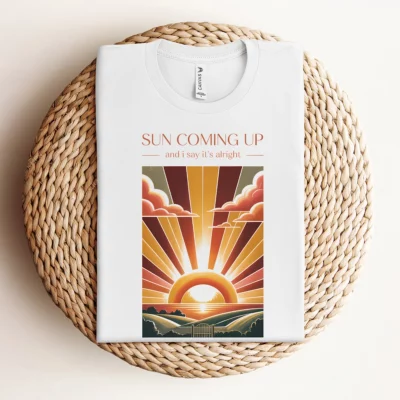
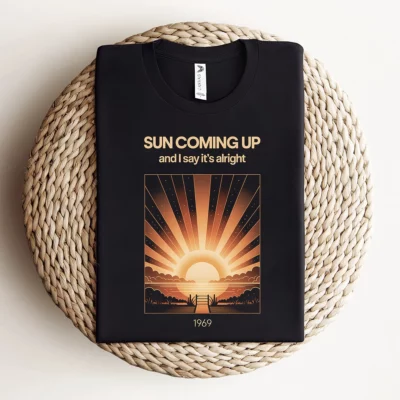
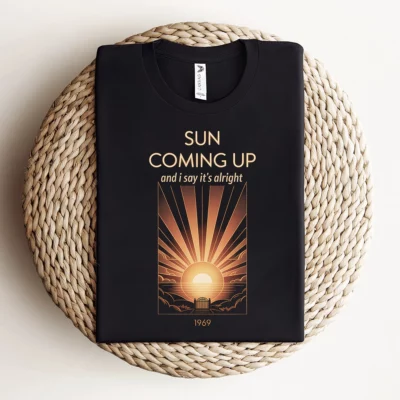
Sun Coming Up — And I Say It's Alright Rock Heritage Tee
Design · 07

Here Comes the Sun

A spring morning in Eric Clapton's garden. The quiet one wrote the most hopeful song they ever made.

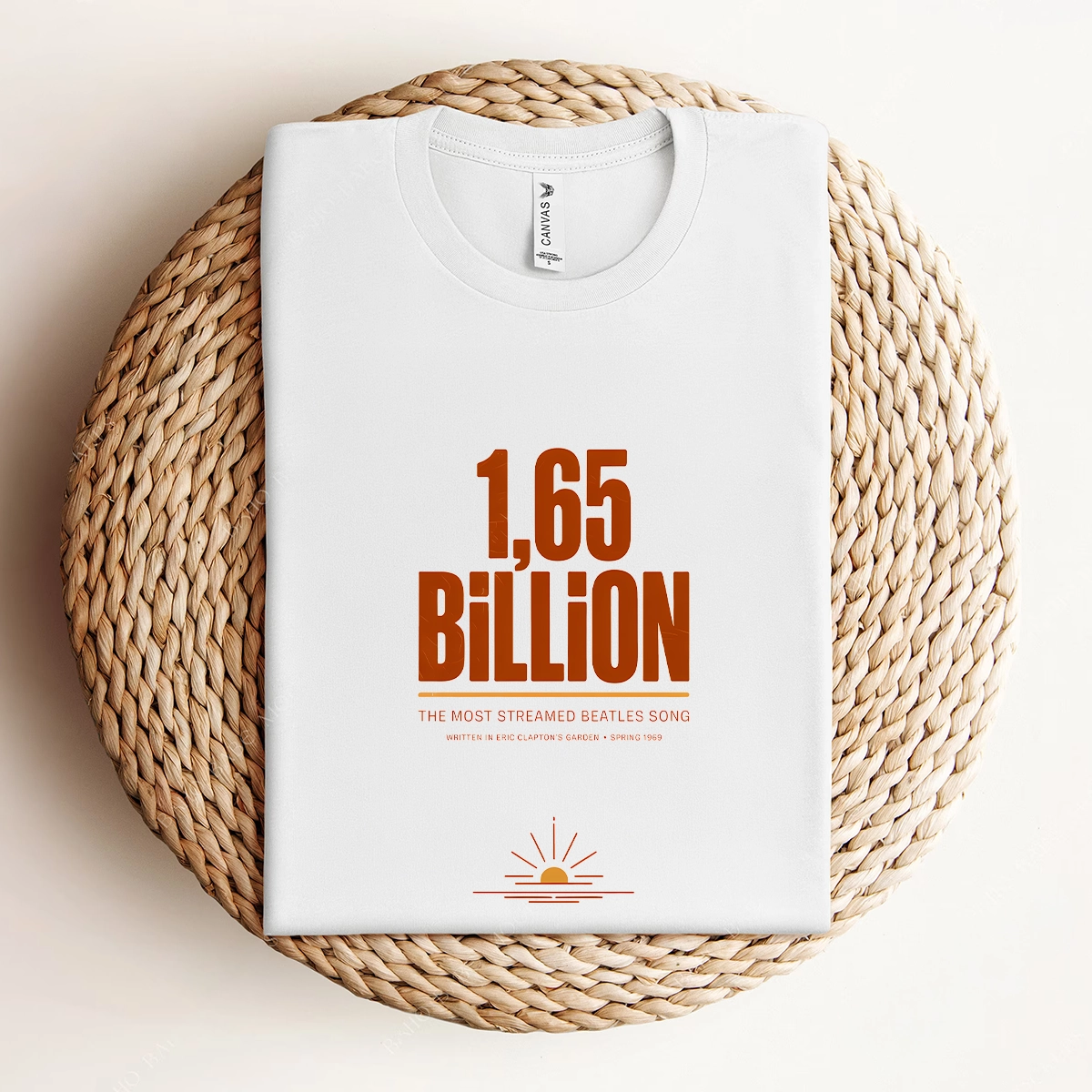
George Harrison had been crushed under business meetings at Apple Corps for months. One morning in April 1969, he skipped a meeting entirely and drove to his friend Eric Clapton's house in Surrey. He borrowed an acoustic guitar, walked into the garden, and sat under a tree. The first warmth of spring was on his face. Within an hour, he had written it. 'Here comes the sun, and I say it's alright.' It would become, decades later, the most-streamed Beatles song of all time. Harrison never made a big deal about it. He just said it had felt like a gift.

5 versions available
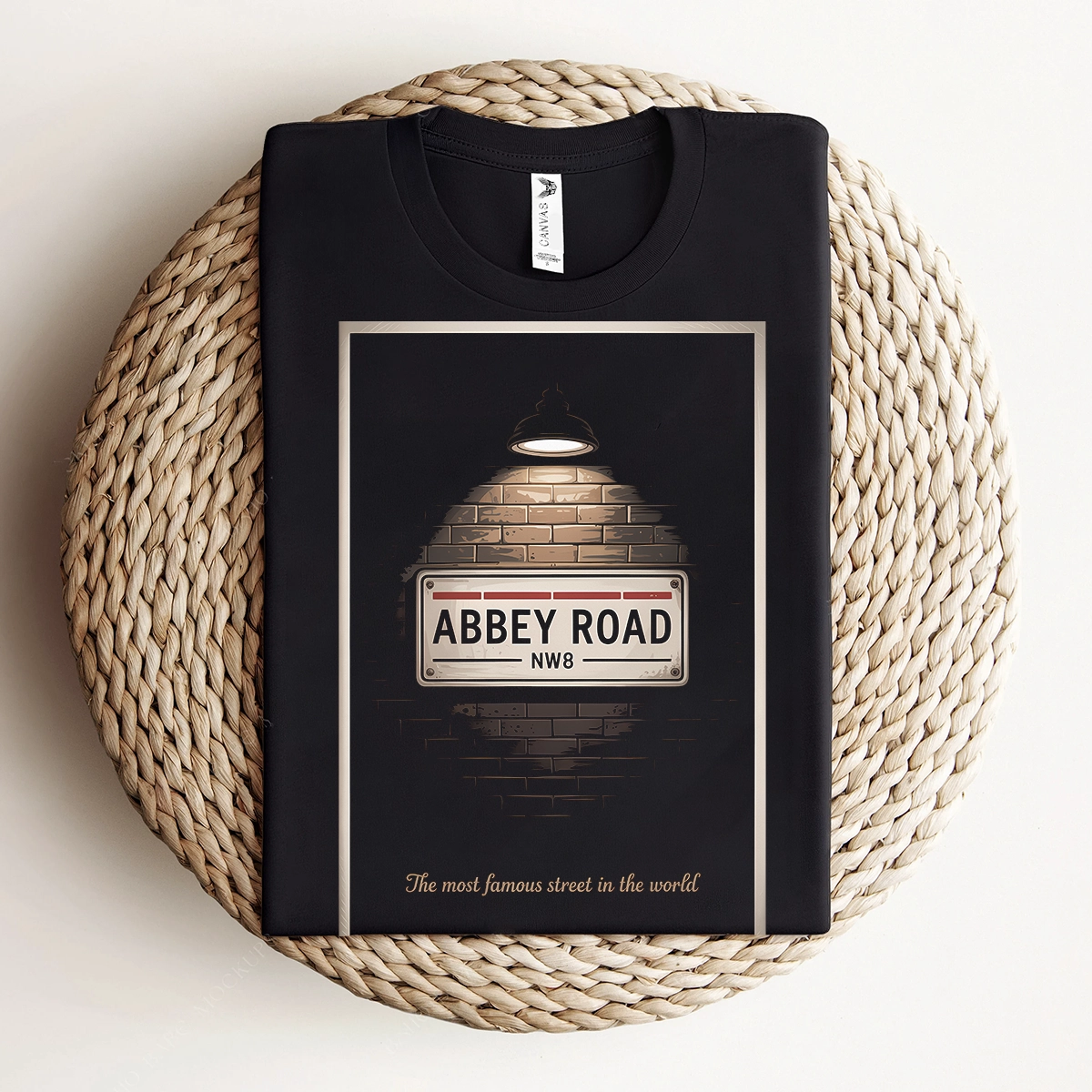
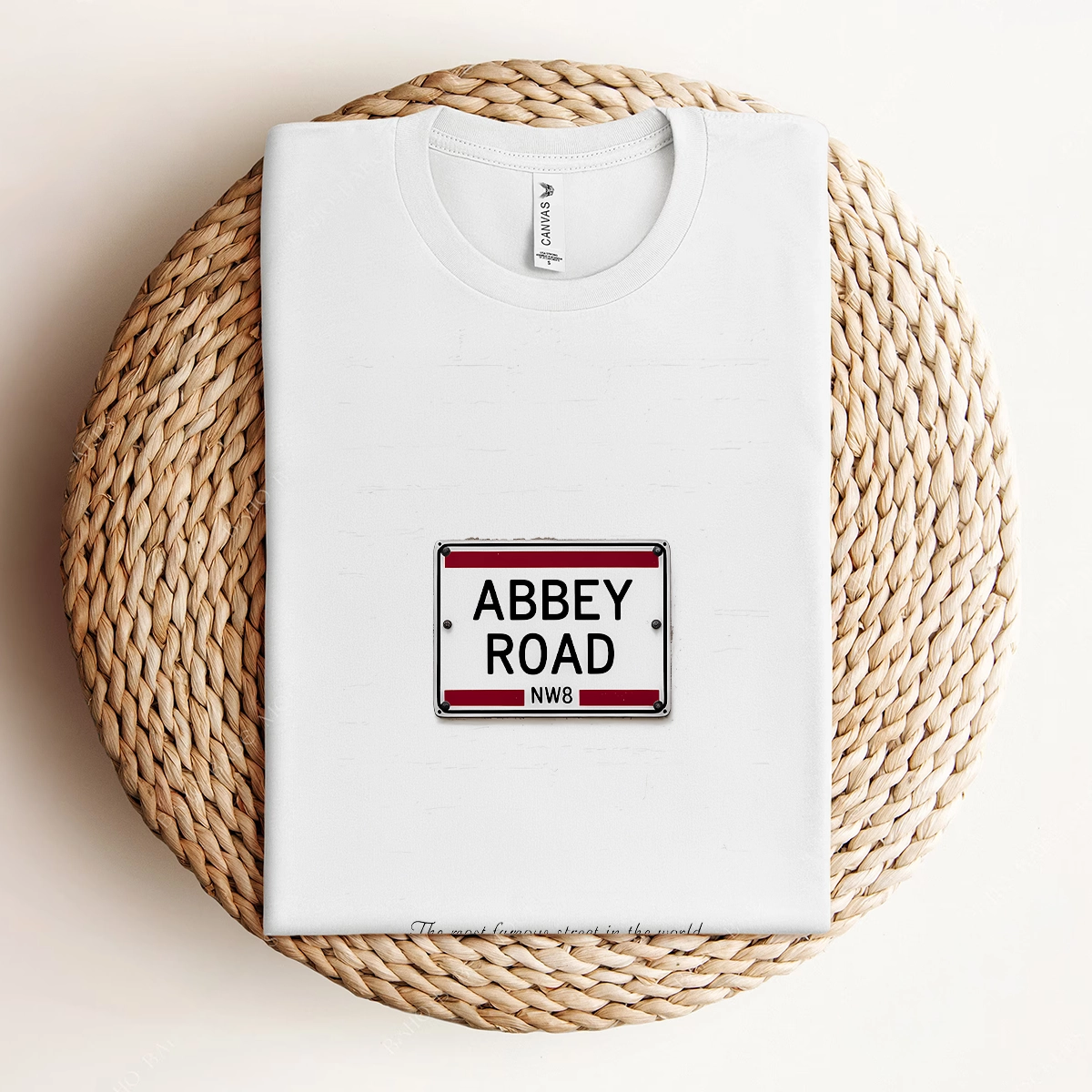
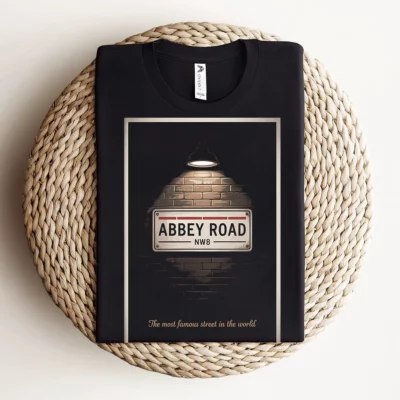
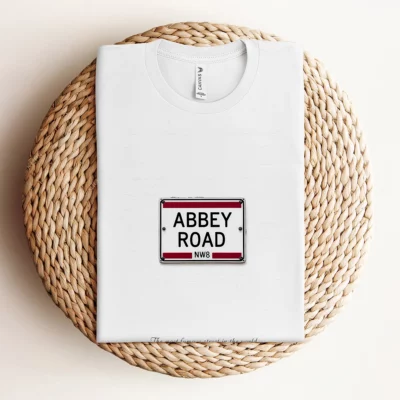
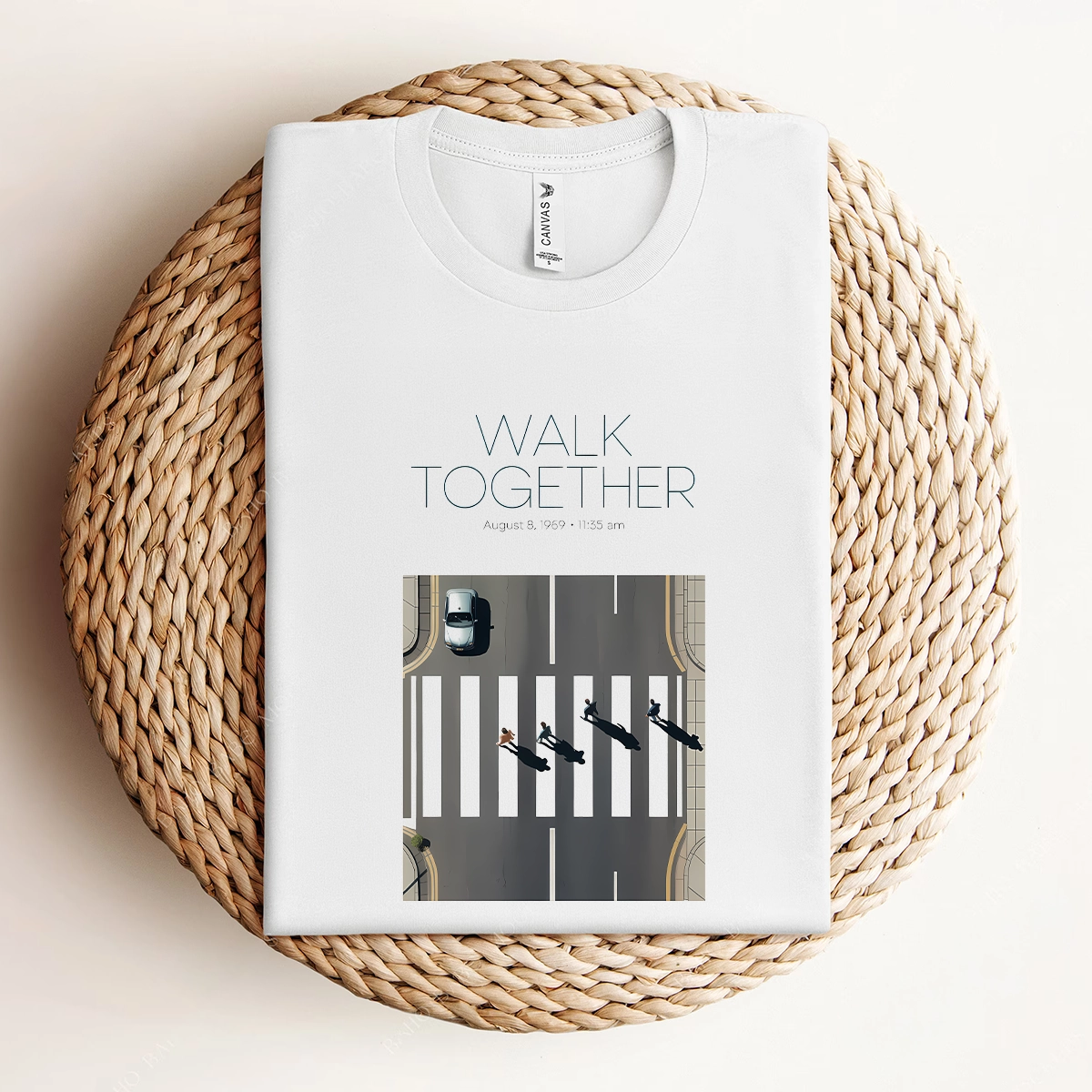
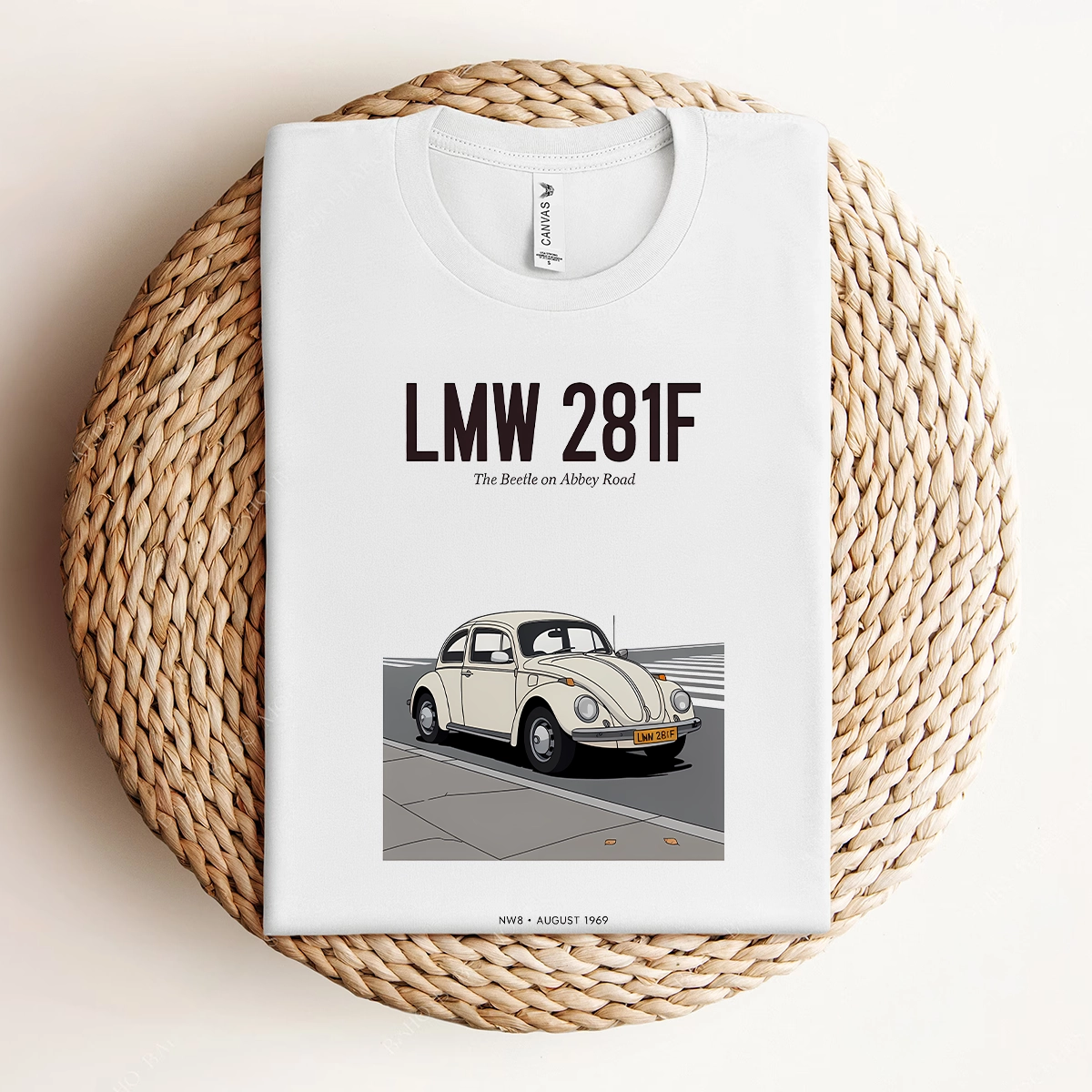
Abbey Road — The Most Famous Street in the World Heritage Tee — Commemorative Edition
Design · 08

Abbey Road

Eleven o'clock in the morning. A photographer named Iain Macmillan. Six photographs. Ten minutes.

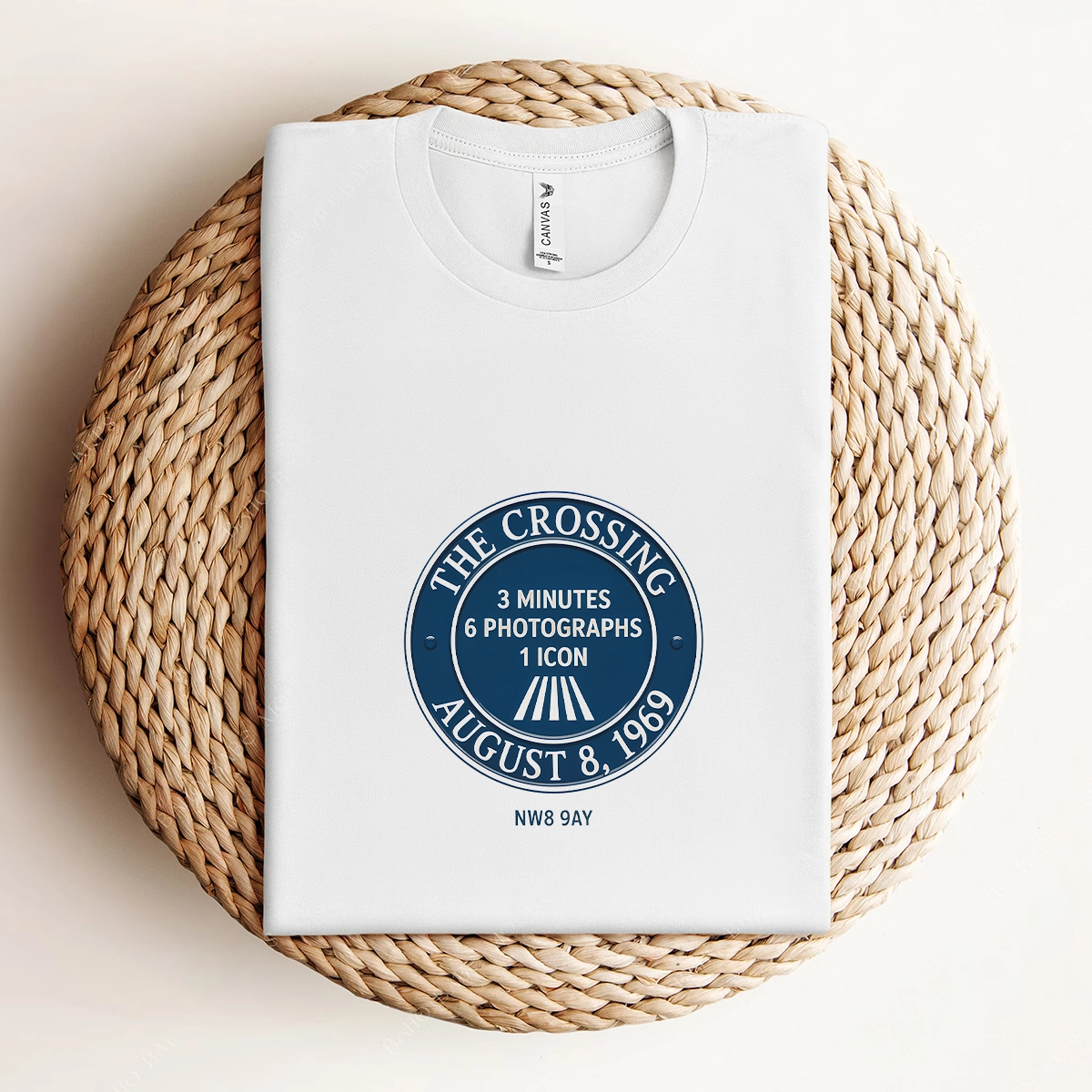
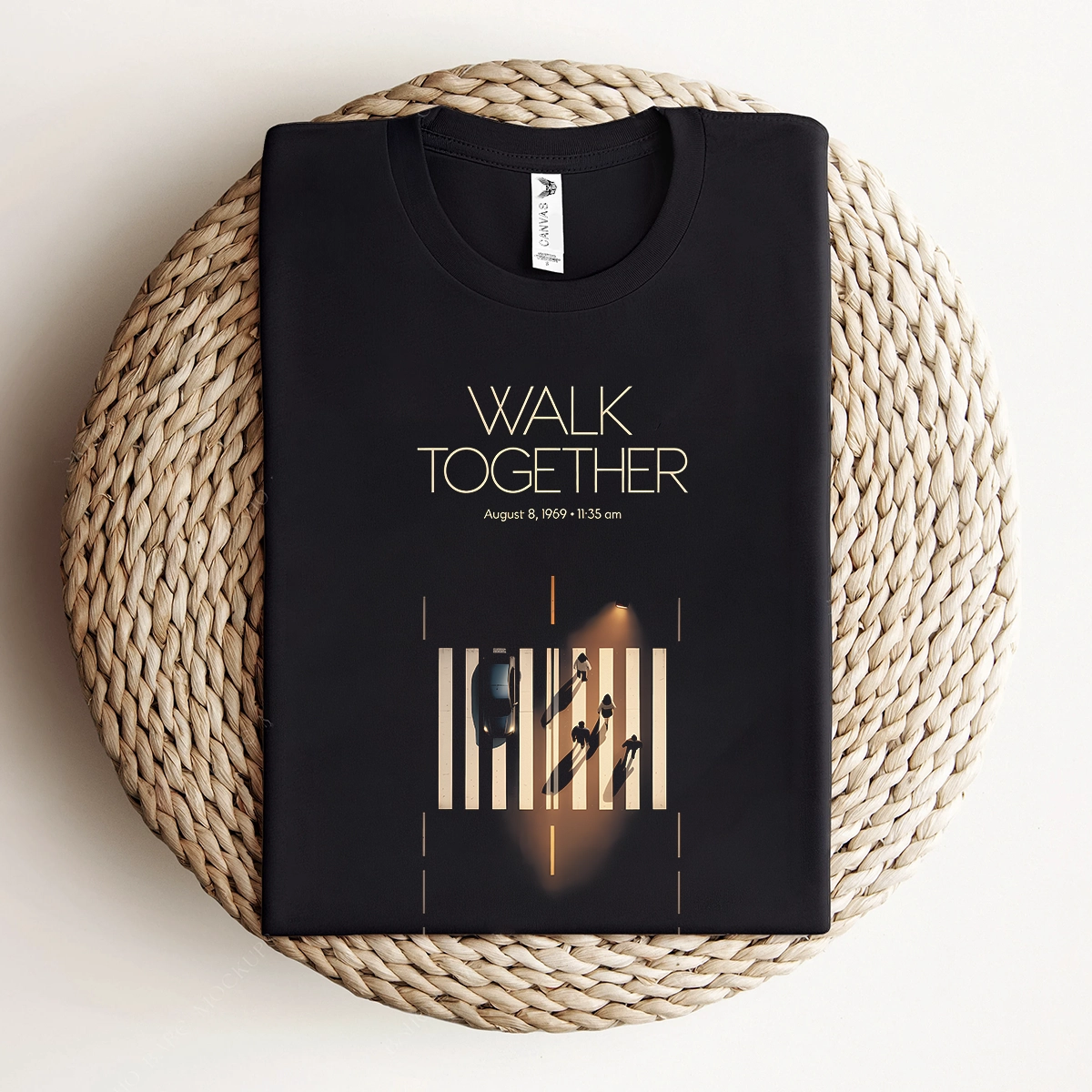
On the morning of August 8, 1969, photographer Iain Macmillan stood on a stepladder in the middle of Abbey Road, the quiet residential street in St. John's Wood, north London. A police officer held up traffic. Four men walked across the zebra crossing six times while Macmillan took photographs. The whole thing took ten minutes. He used five of the six shots for contact sheets, and chose the fifth one for the album cover. Within a year, that single image would become one of the most recognized photographs ever taken — and the street outside Studio Two would become a tourist destination forever.
7 versions available
Let It Breathe / Let It Grow / Let It Go — Rock Heritage Tee
Design · 09

Let It Be

May 8, 1970. The album was released. The band had already broken up.

Paul McCartney announced his departure on April 10, 1970. Let It Be the album came out four weeks later. It was assembled by producer Phil Spector from the abandoned Get Back tapes — orchestras and choirs added to songs the band had originally tried to record raw. McCartney hated what Spector had done. The other three approved it. The album reached number one. The band did not exist anymore. It was the longest, slowest goodbye in the history of popular music — and somehow, in the title track, Paul McCartney had managed to write the perfect ending: three words of advice to anyone going through anything difficult, ever.
2 versions available
Shop the Chapter

All Designs from the Crossing

Chapter IV

Showing 1–30 of 36 results

Price range: $26.99 through $49.99