Chapter I · The Basement

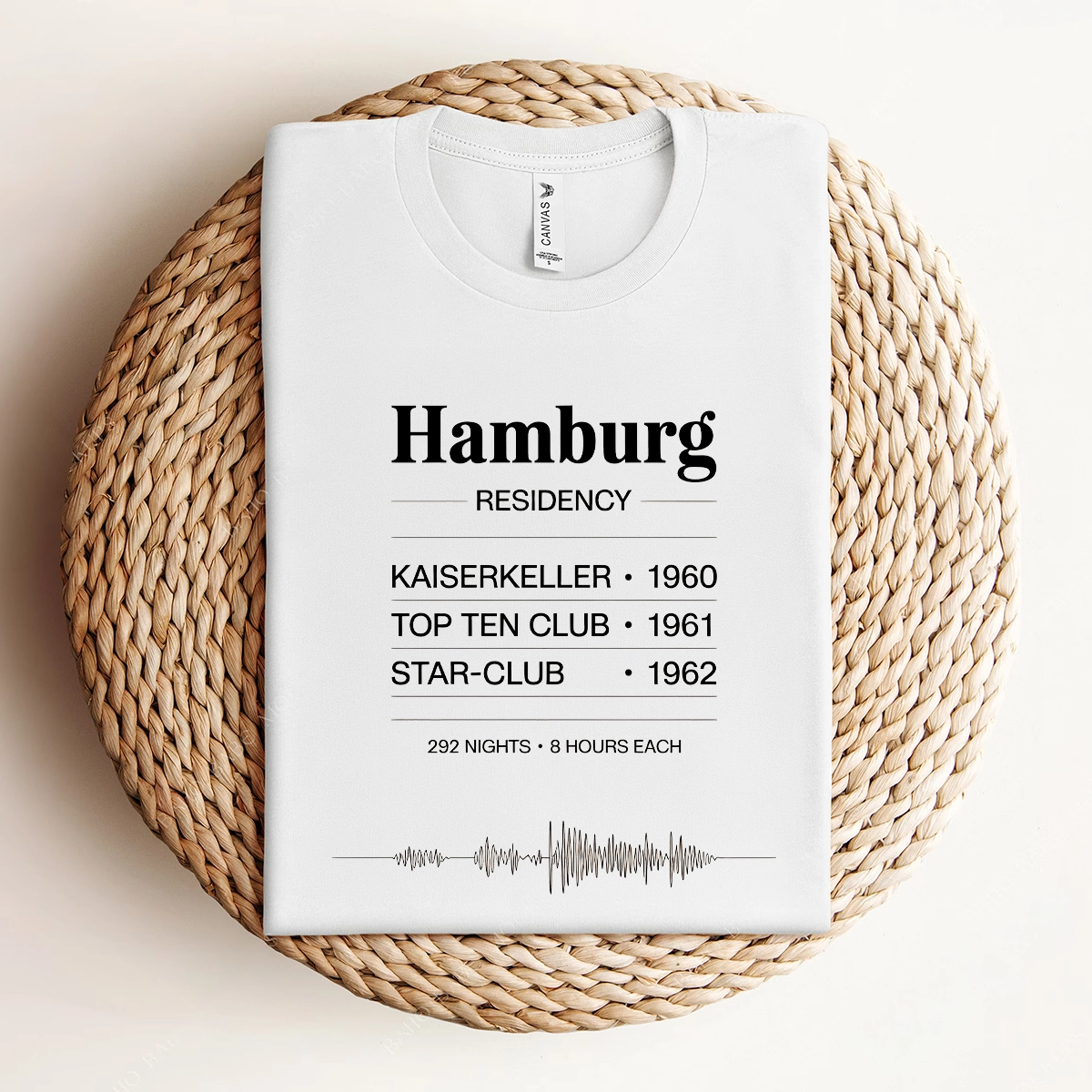
292 Nights Underground

Before the world knew their names, there was a damp cellar on Mathew Street.

1960 — 1962

"We were just a bunch of lads from Liverpool, playing in a cellar that smelled of sweat and sour beer — and somehow, the world found us there."

In 1960, in a narrow Liverpool alley called Mathew Street, there was a converted fruit warehouse with damp brick walls and a ceiling so low you could touch it. The air was thick with cigarette smoke, the smell of disinfectant, and something sour from the vegetable cellars above. It was called the Cavern Club. And for two years, four young men played there two hundred and ninety-two times.

They played lunchtime sessions for office workers on their break. They played late into the night for dockers, shop girls, and students. Between sets, they ate bacon sandwiches and drank milk because the club had no liquor license. They wore leather. They cursed at the audience. They played whatever they wanted — American R&B, Chuck Berry covers, old rock 'n' roll nobody else knew.

The stage was so small that the drummer's kit pressed against the back wall. The guitar amps buzzed. The microphones screeched. And the girls — the girls who would later become the entire world's first wave of Beatlemania — stood three feet away, unable to look away.

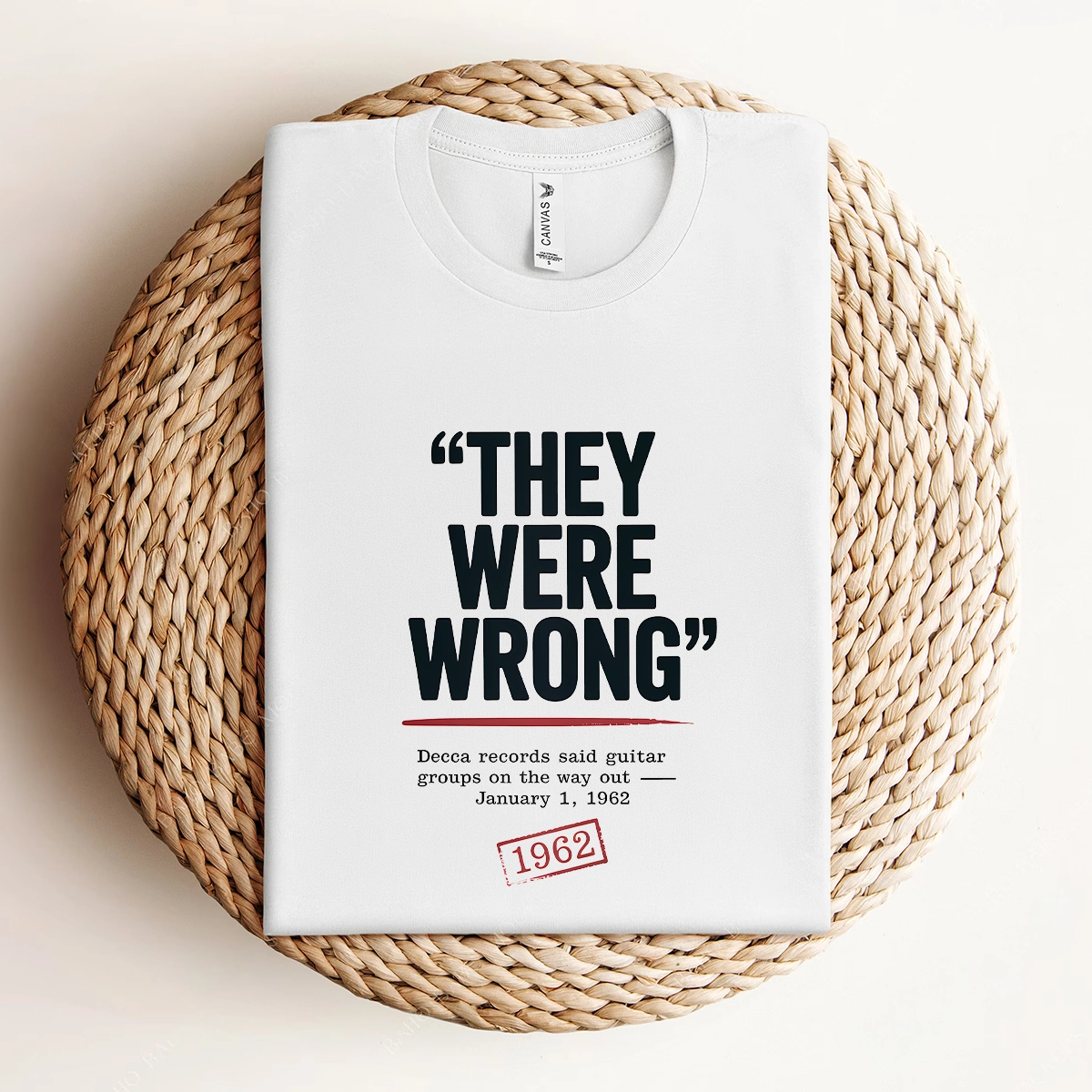
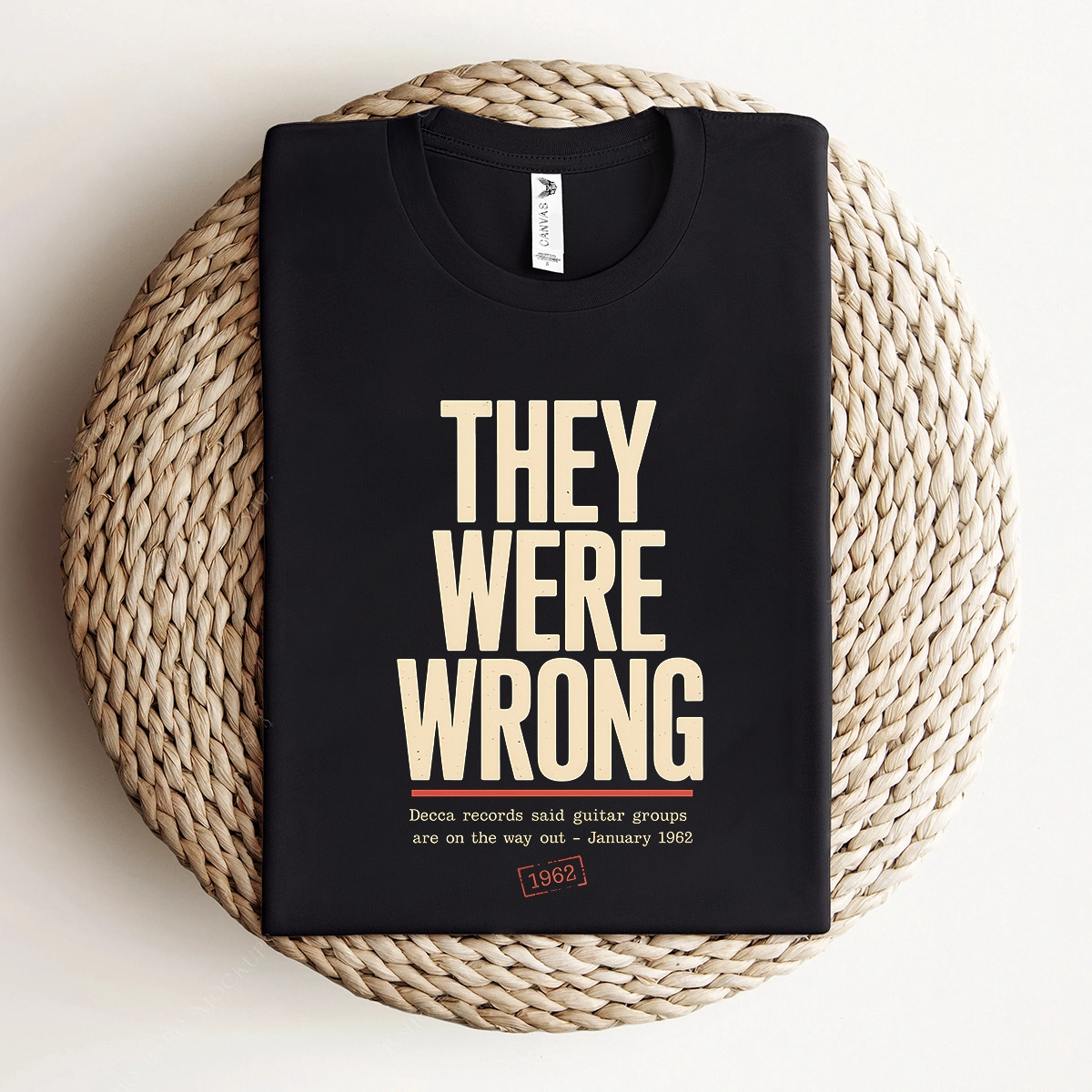
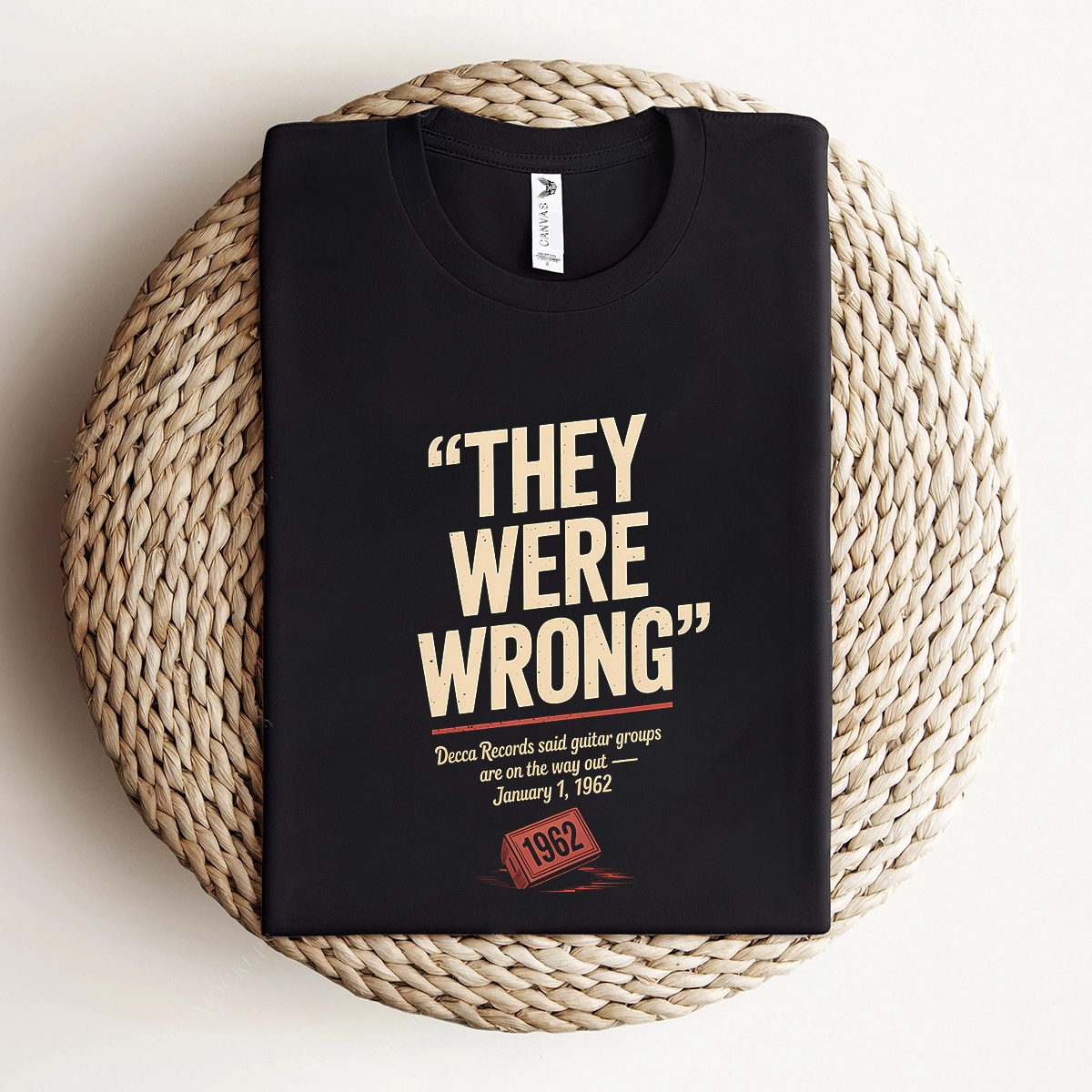
Nobody was writing about them yet. No record label wanted them. They had been rejected by Decca in 1962 with the now-legendary line: "Guitar groups are on the way out." Their drummer was about to be replaced. Their manager was a record shop owner who had never managed a band before.

And yet, in that basement, something was forming. A sound. A brotherhood. A story that would, within eighteen months, change music forever. Two hundred and ninety-two nights. That's how long it took.
Ten Moments from the Basement

Every design in this chapter is a room in the story. Here's what each one remembers.

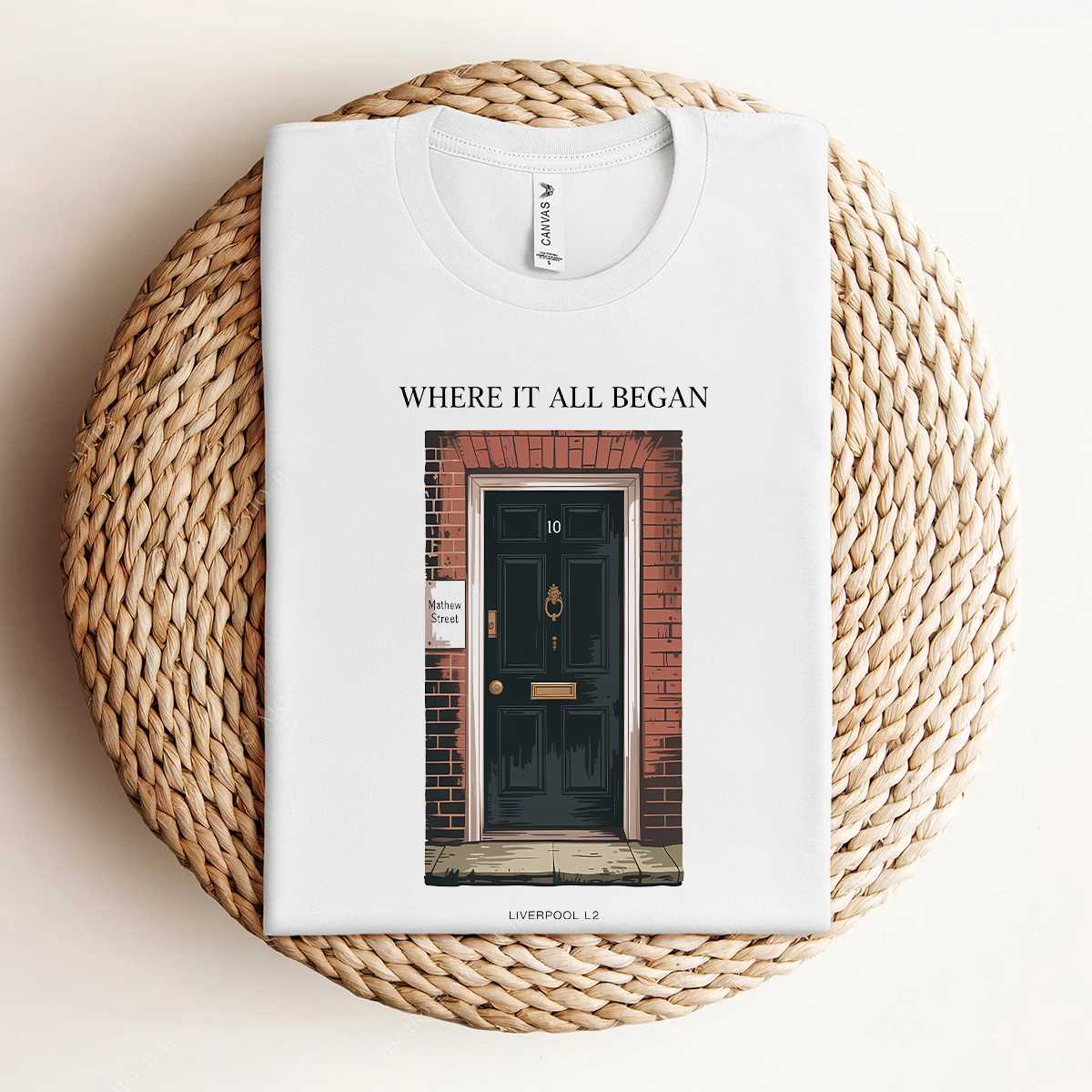
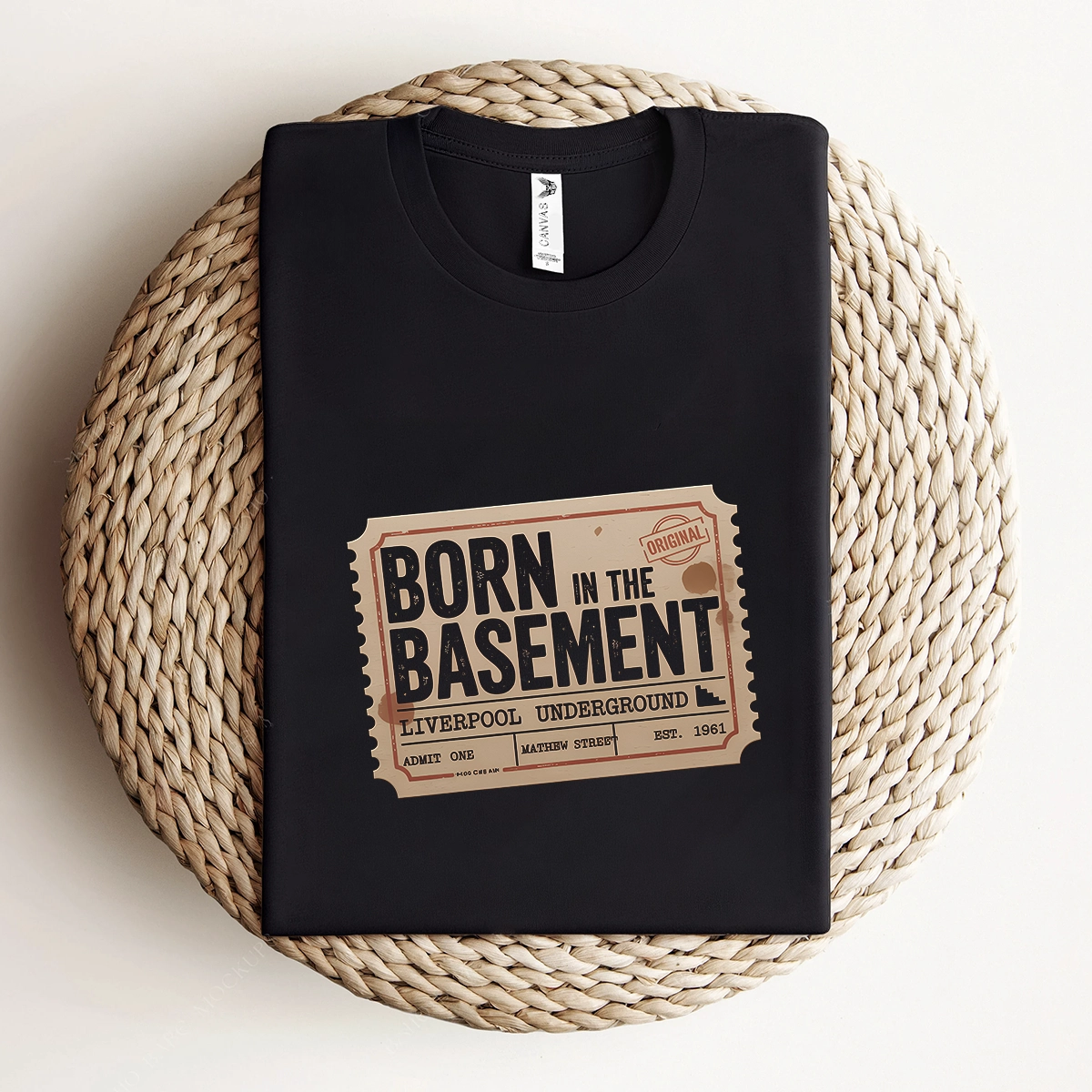
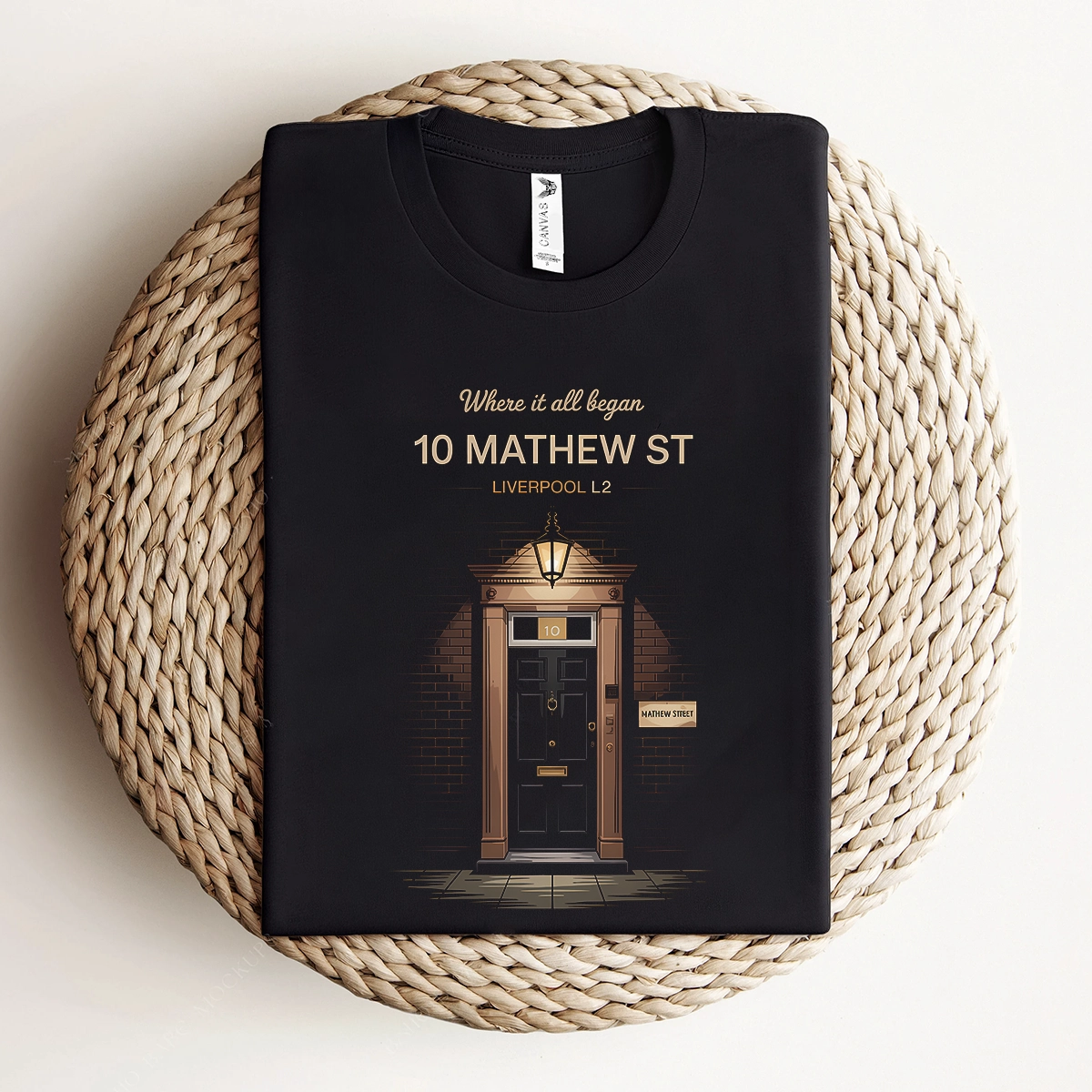
10 Mathew Street — Where It All Began Liverpool L2 Tee
Design · 01

10 Mathew Street

A narrow alley. A converted fruit cellar. The address that became sacred.

In 1957 it was just a jazz venue. By 1961, it was the heartbeat of Liverpool. The number above the door — 10 — would become a number every fan in the world would recognize. Even after the building was demolished in 1973, fans still came to stand on the cobblestones and imagine the sound coming up through the pavement.

3 versions available
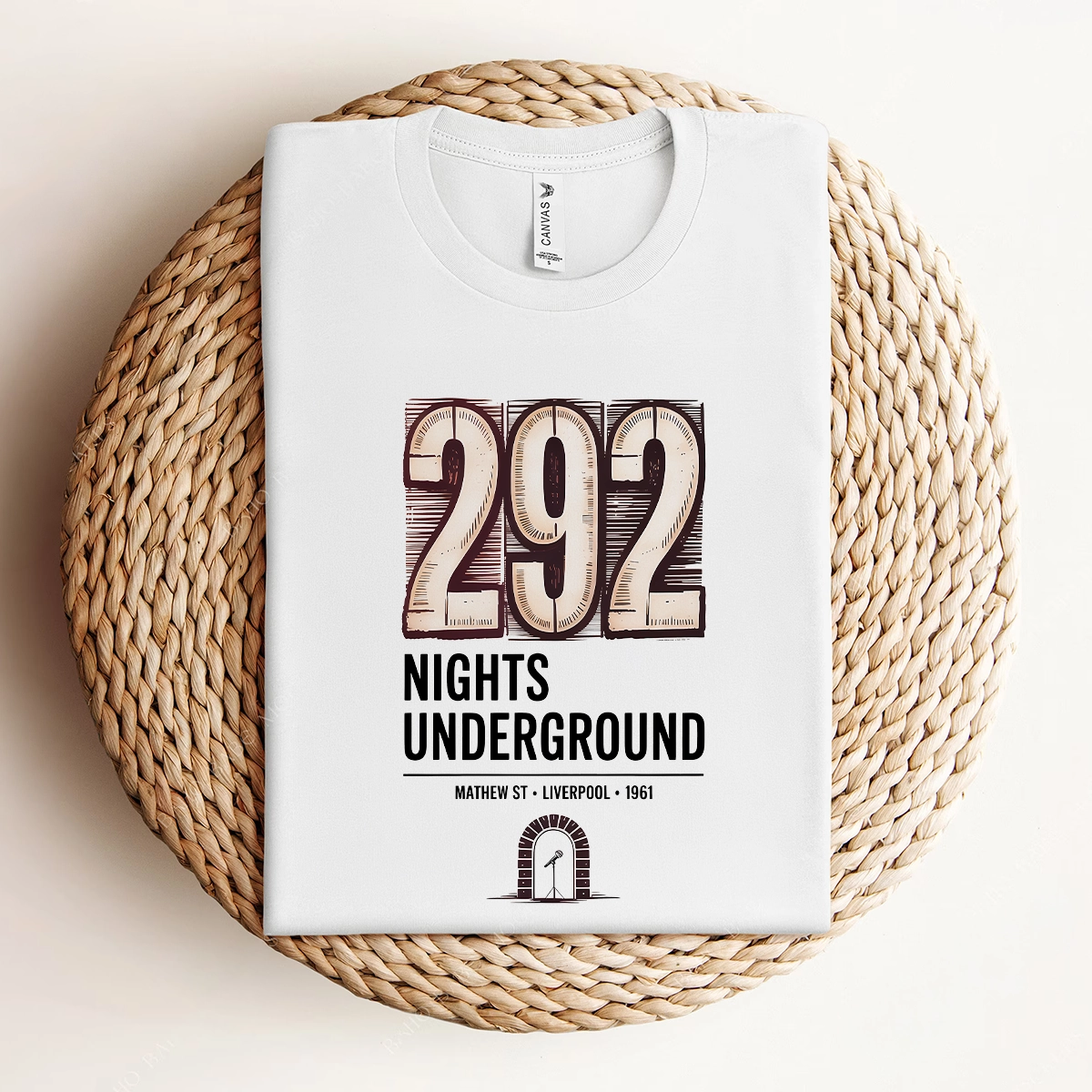
292 Nights Underground — Liverpool Rock Heritage Tee
Design · 02

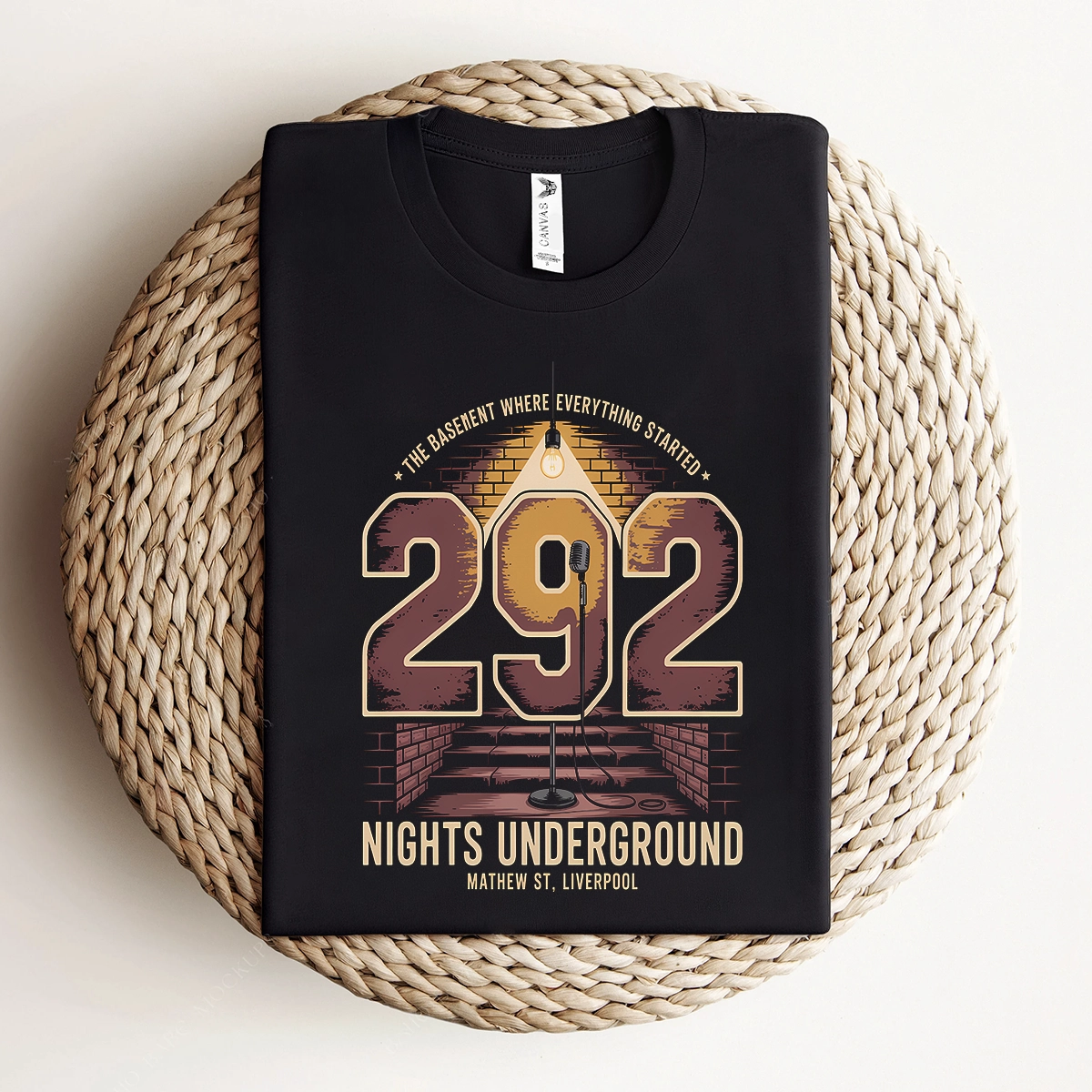
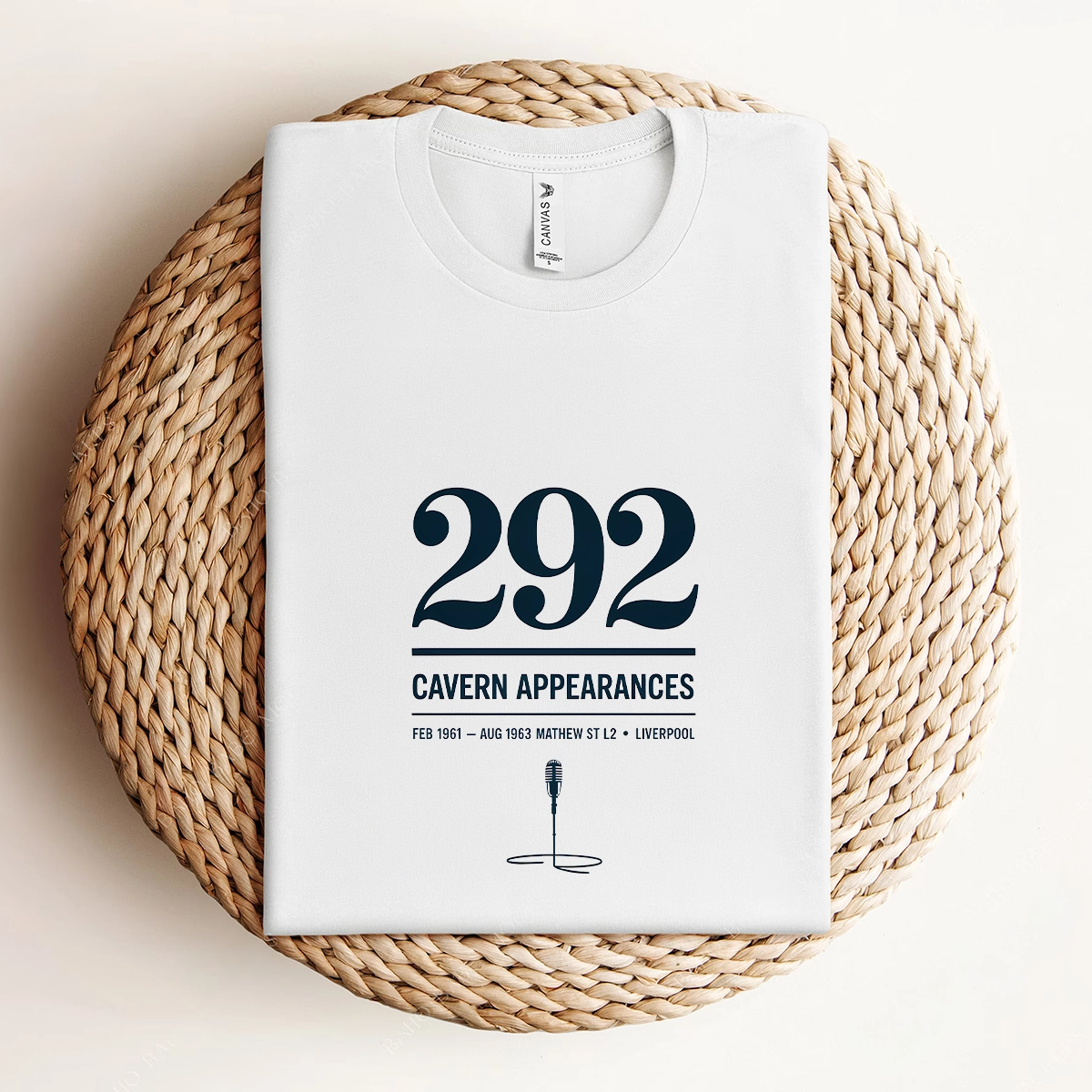
292 Nights Underground

Two hundred and ninety-two performances in a basement. Nobody counted at the time.

Between February 1961 and August 1963, they played the Cavern Club 292 times. Lunchtime sessions for office workers. Evening shows for art students and dockers. The ceiling dripped condensation onto the amps. The microphones screeched. And every single night, something was being built that nobody — not even the band themselves — fully understood yet.

4 versions available
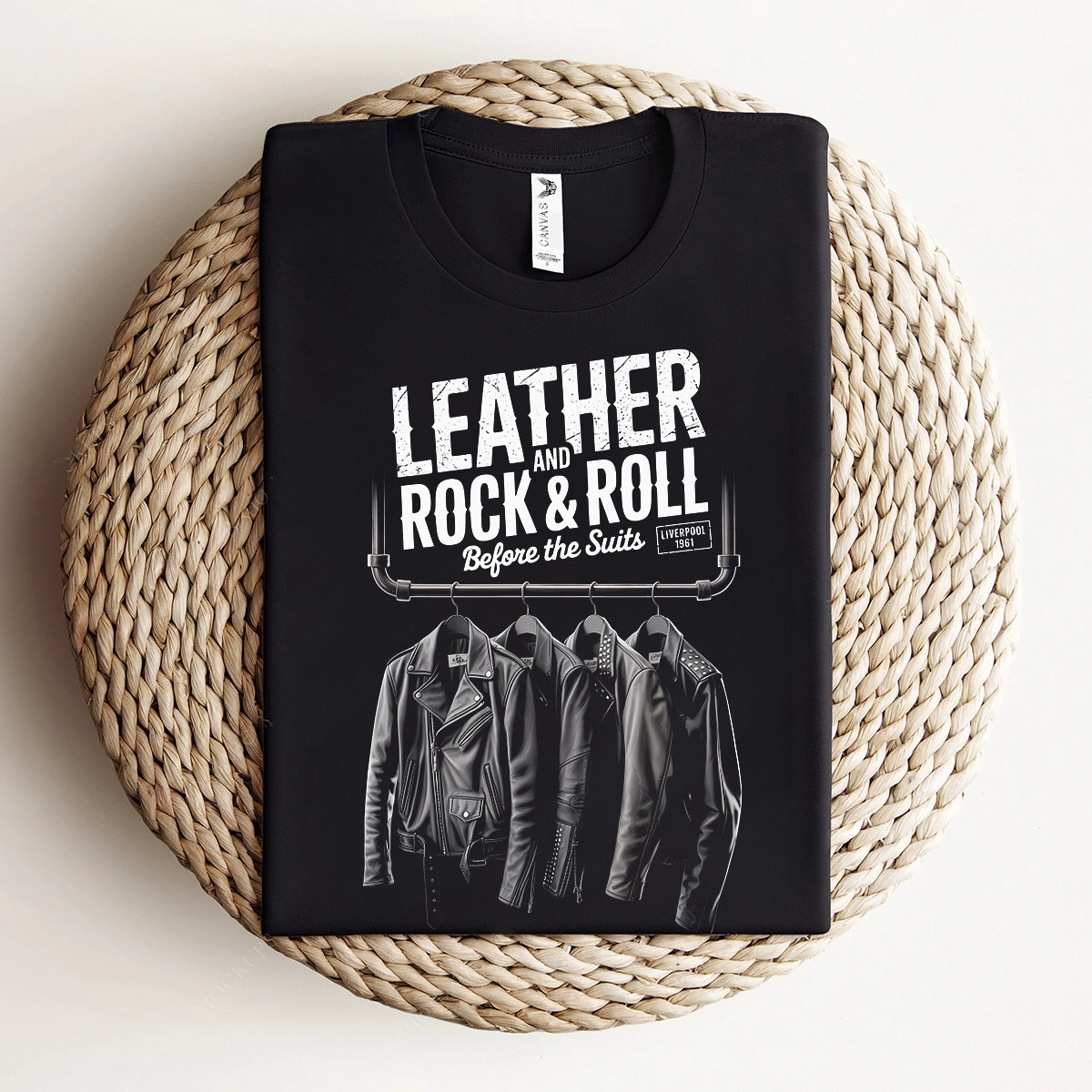
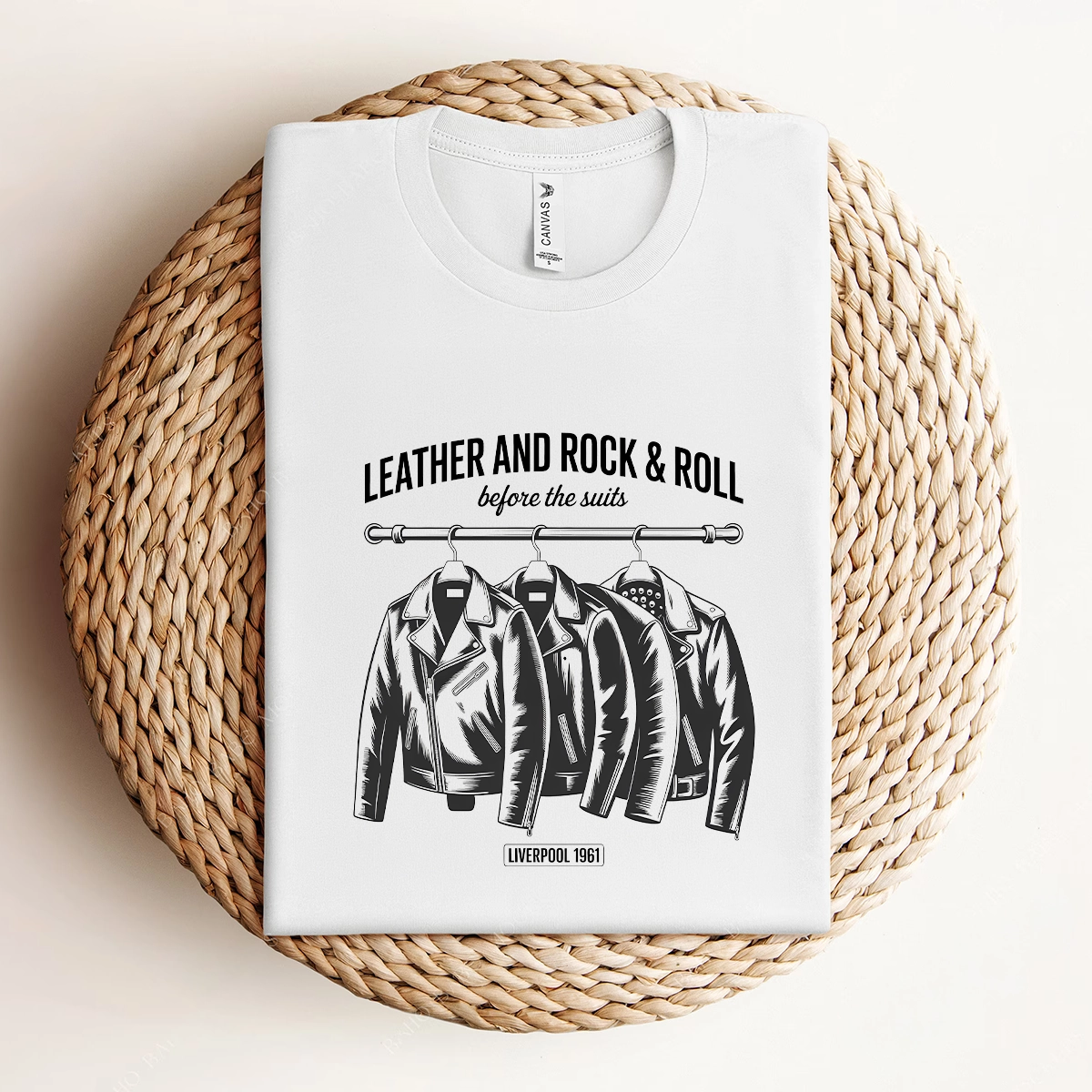
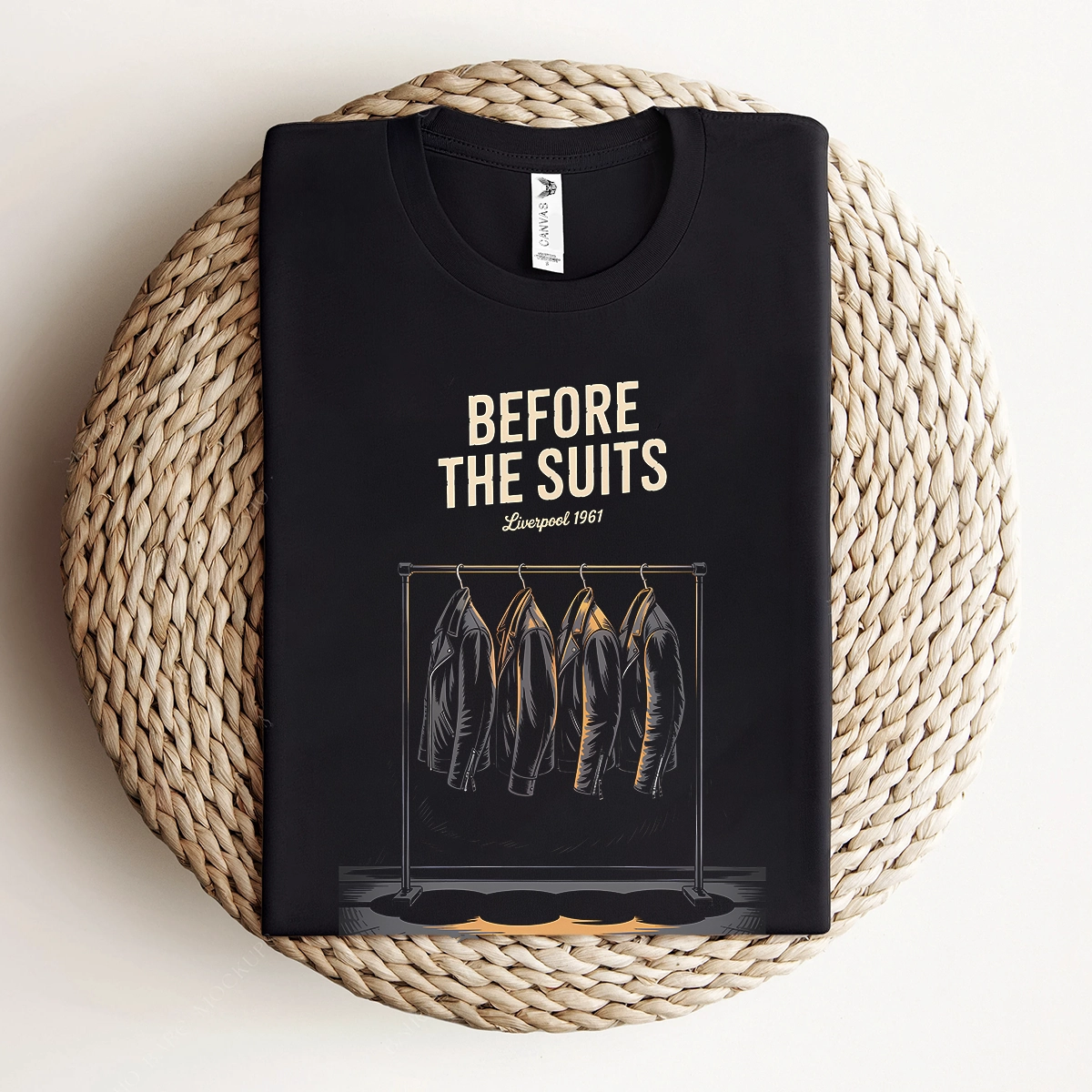
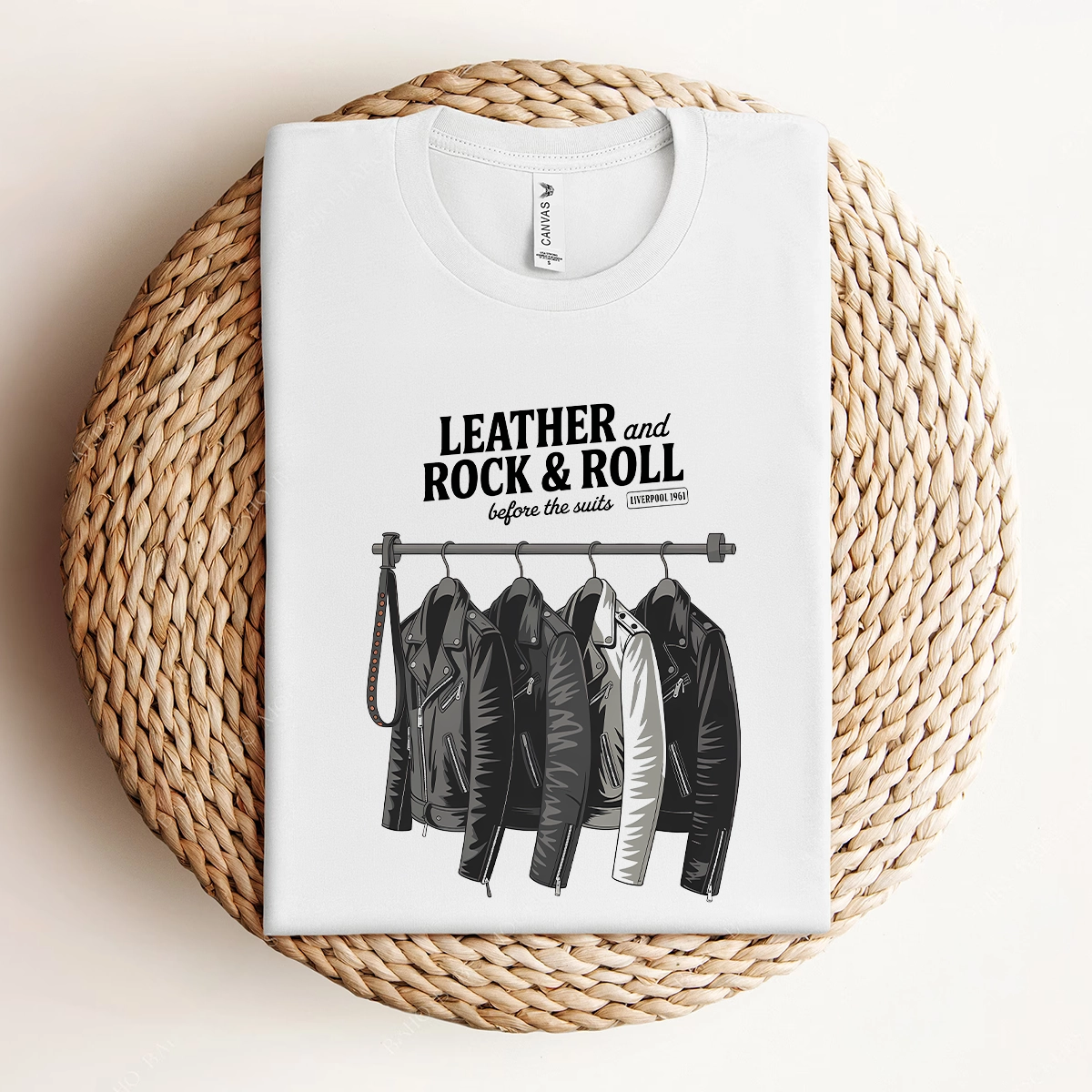
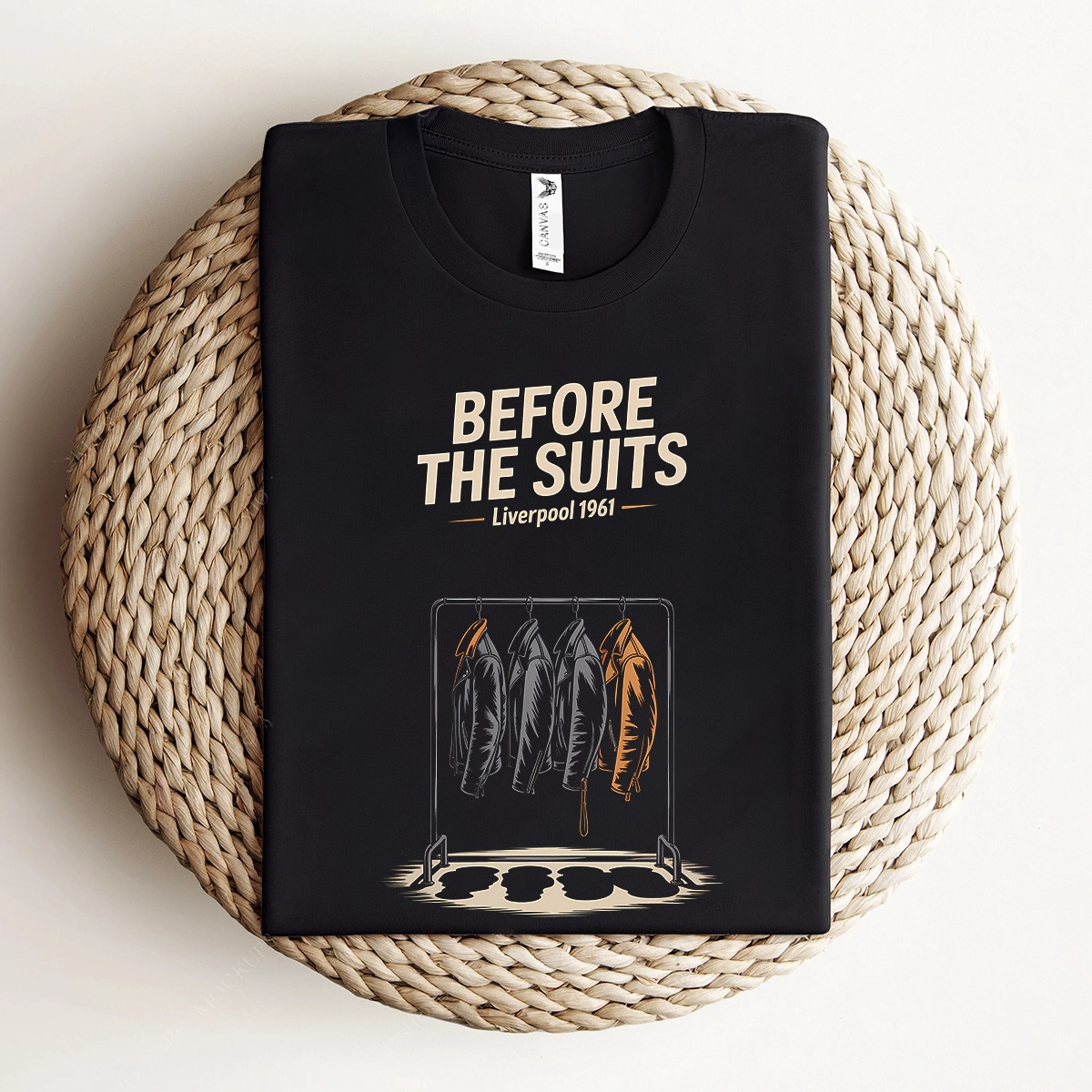
Before the Suits — Liverpool 1961 Leather Rock Tee — Design I
Design · 03

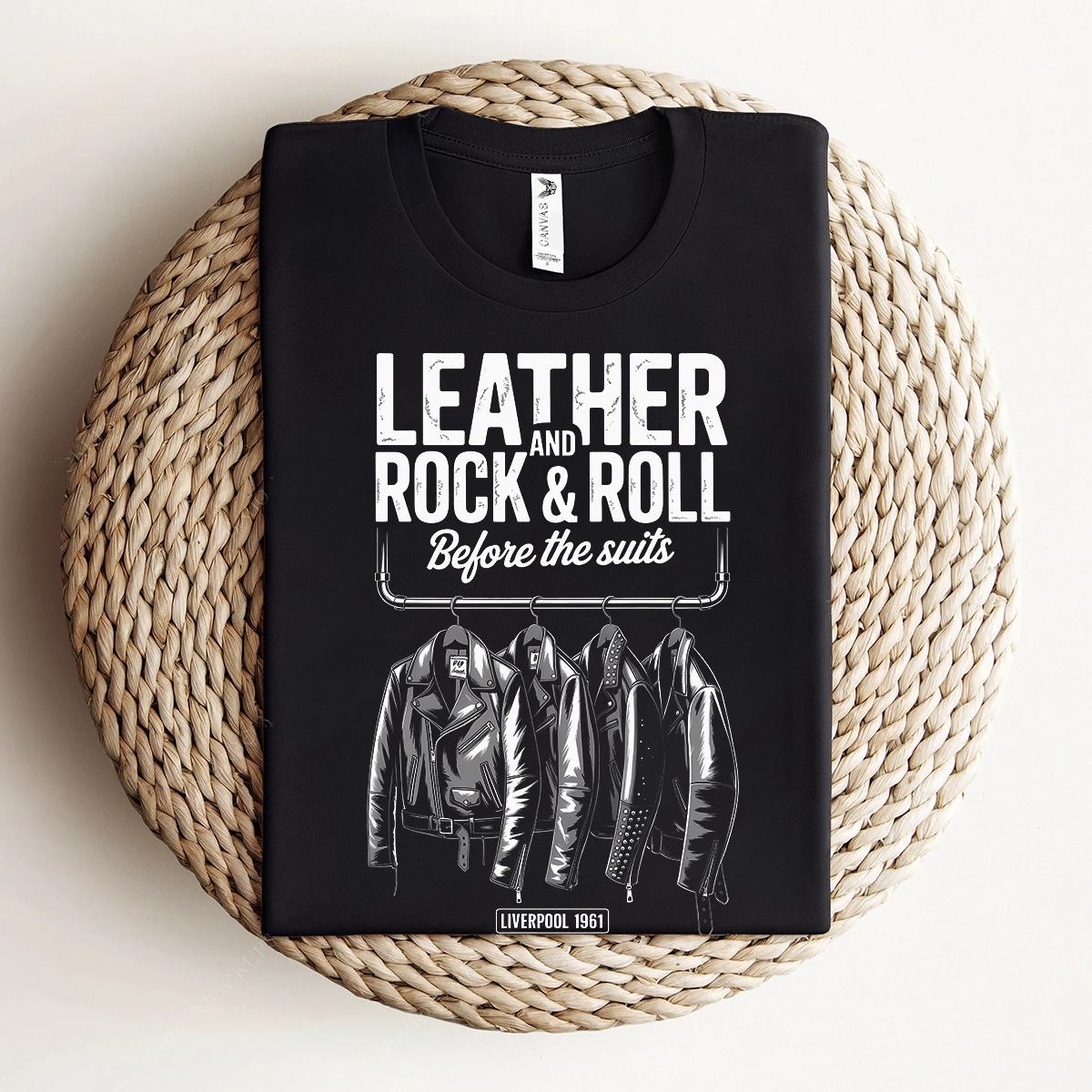
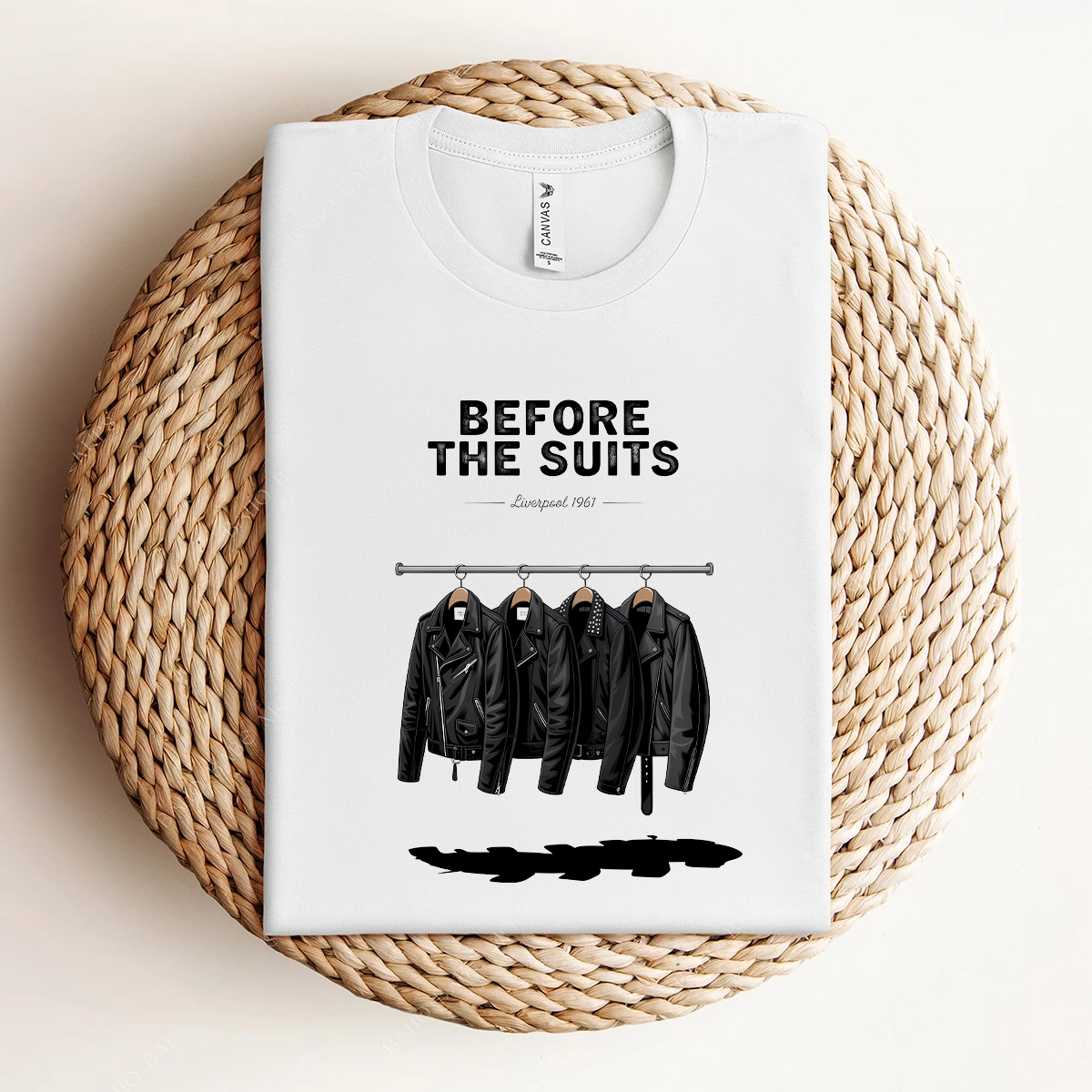
Before the Suits

Leather jackets. Greased hair. Cigarettes between songs. This was before the matching suits.

In 1960-61, they looked like rockers from a Brando movie — leather head to toe, DA haircuts, cursing at the audience. Their manager Brian Epstein would later clean them up into matching collarless suits for television. But in these two years, they were raw, dangerous, and free. This is the period that Pete Best fans still defend to this day.

7 versions available
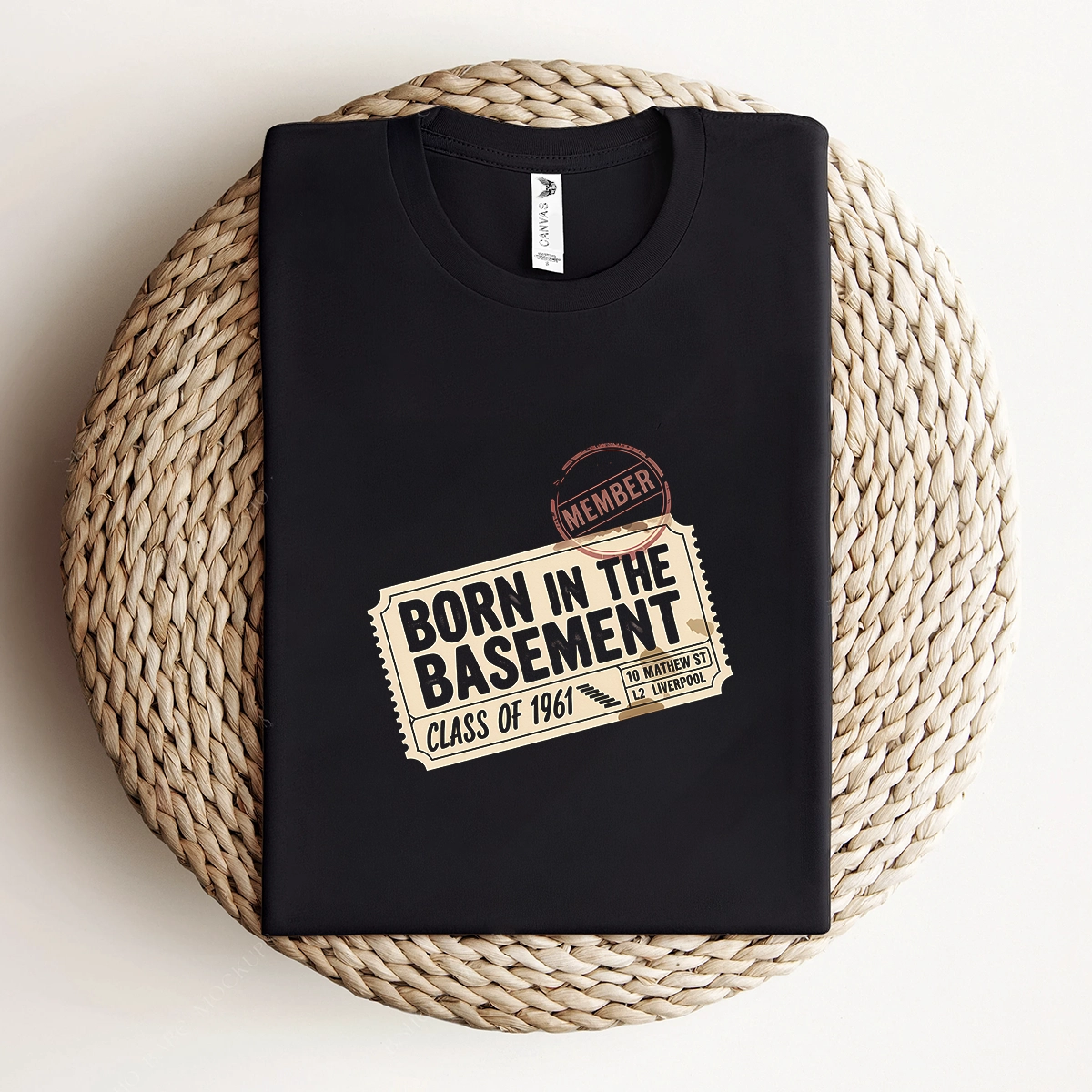
Born in the Basement — Class of '61 Liverpool Underground Tee — Design I
Design · 04

Born in the Basement

Class of '61. The year everything started happening, even if nobody outside Liverpool noticed yet.

1961 was the quiet year. No record deal. No hit single. No screaming fans. Just night after night of unpaid dues in a cellar that smelled of disinfectant and old vegetables. But it was also the year they became a band — not four individual musicians, but one single organism that could finish each other's guitar licks.

2 versions available
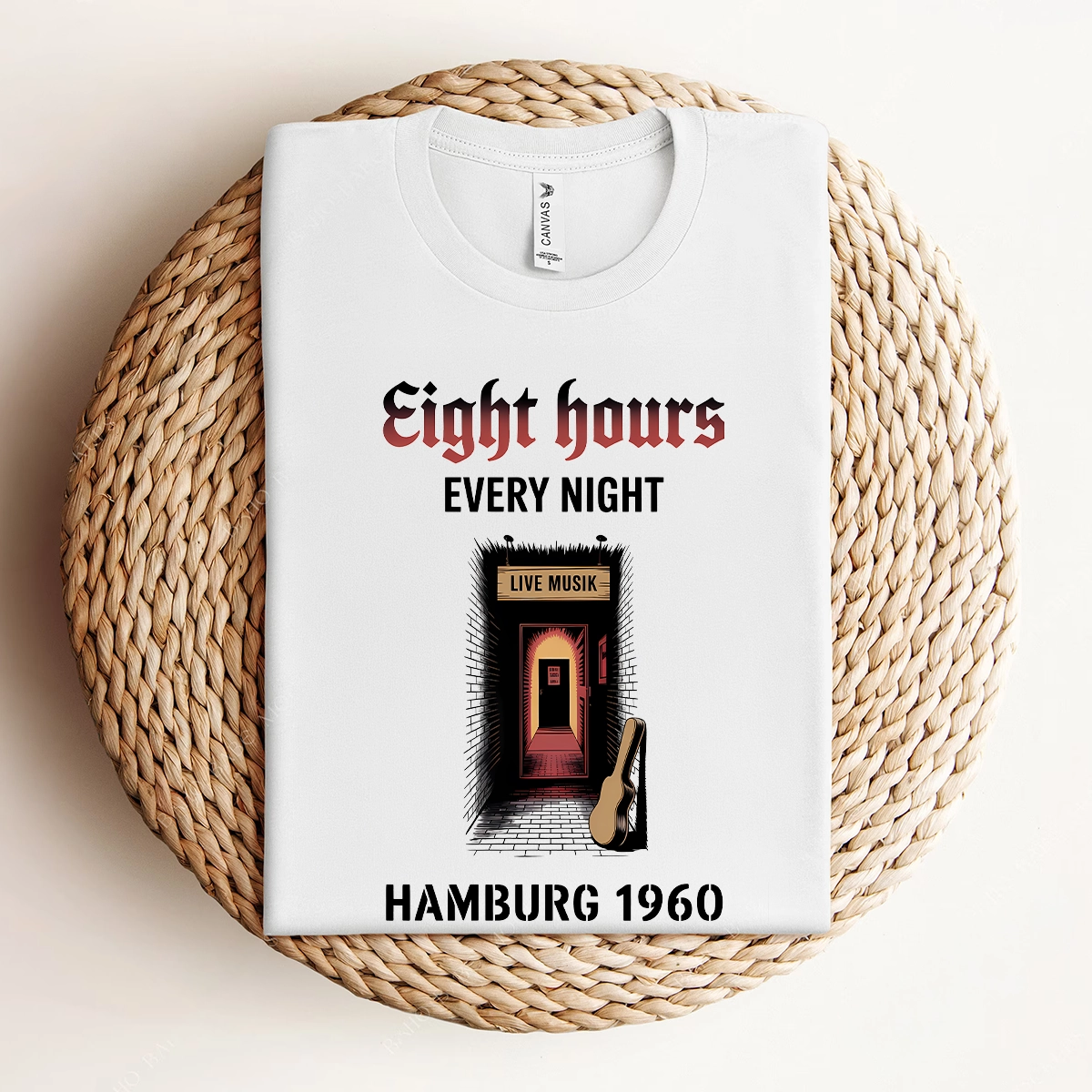
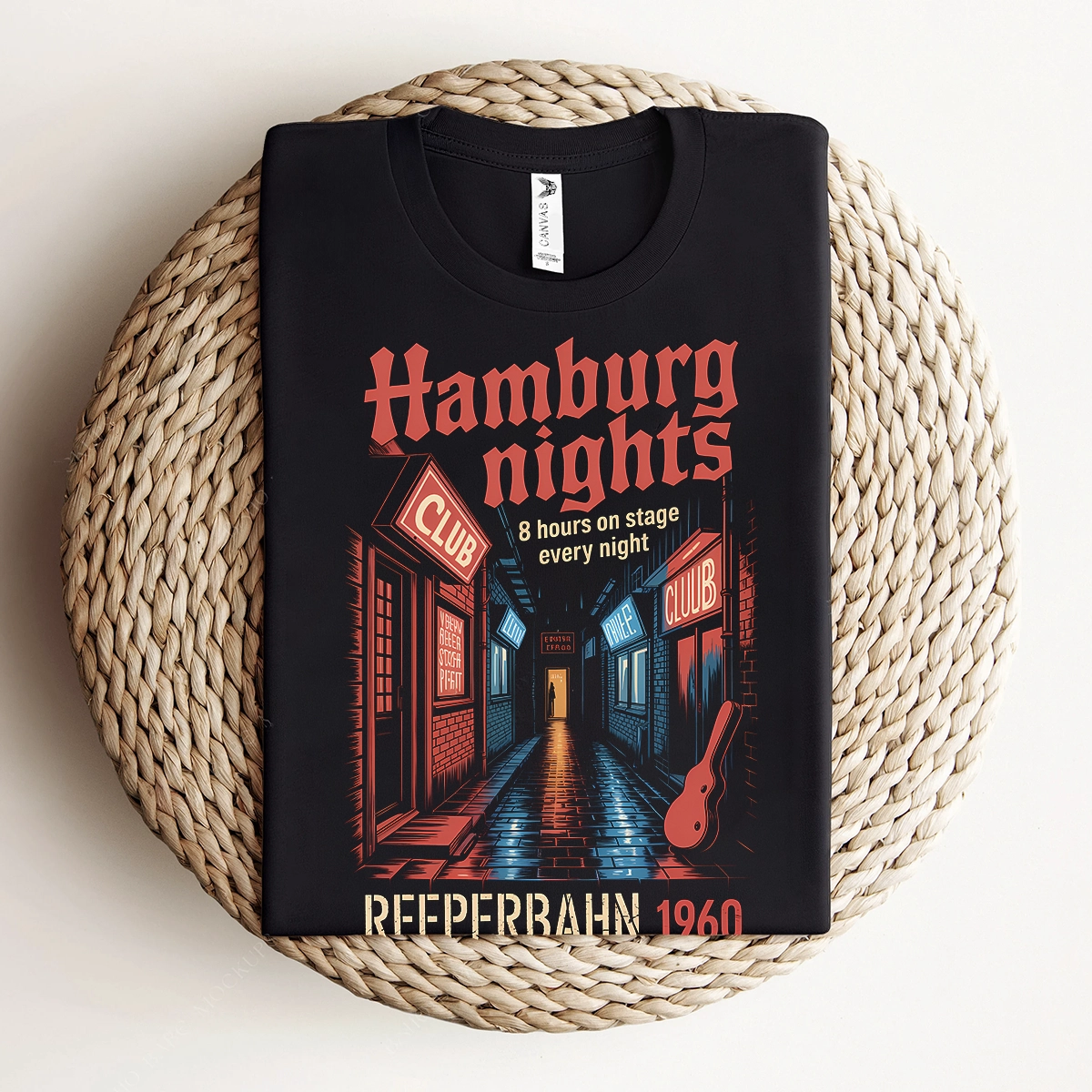
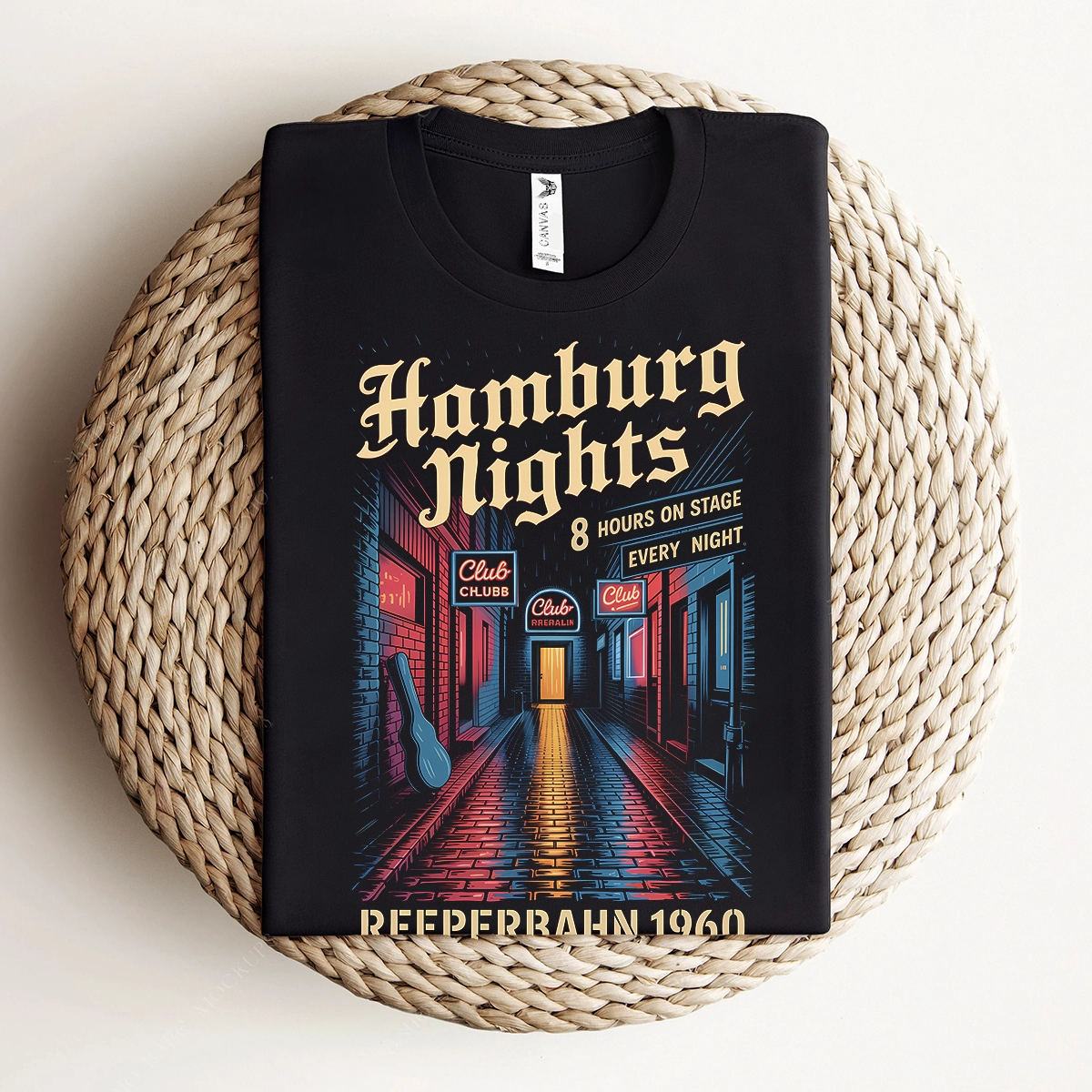
Hamburg Nights — 8 Hours Every Night — Reeperbahn 1960 Rock Heritage Tee
Design · 05

Hamburg Nights

Eight hours a night. Seven nights a week. A red-light district in a foreign country.
Before Liverpool made them, Hamburg broke them in. On the Reeperbahn in St. Pauli — Hamburg's red-light district — they played eight-hour marathon sets to drunks, prostitutes, and sailors. They slept behind a cinema screen. They ate on stage. They played until their fingers bled. John Lennon later said: "I grew up in Hamburg, not Liverpool."

4 versions available
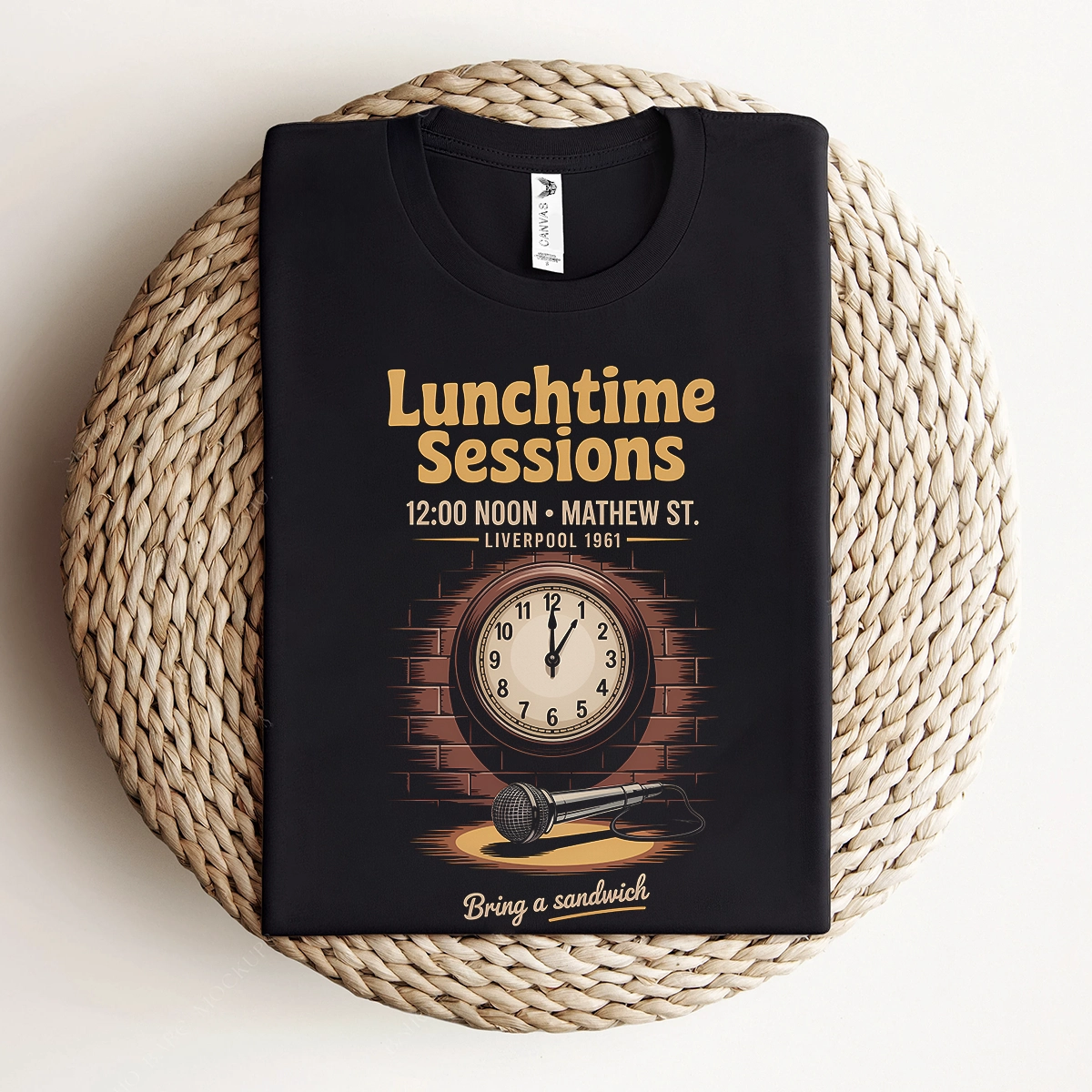
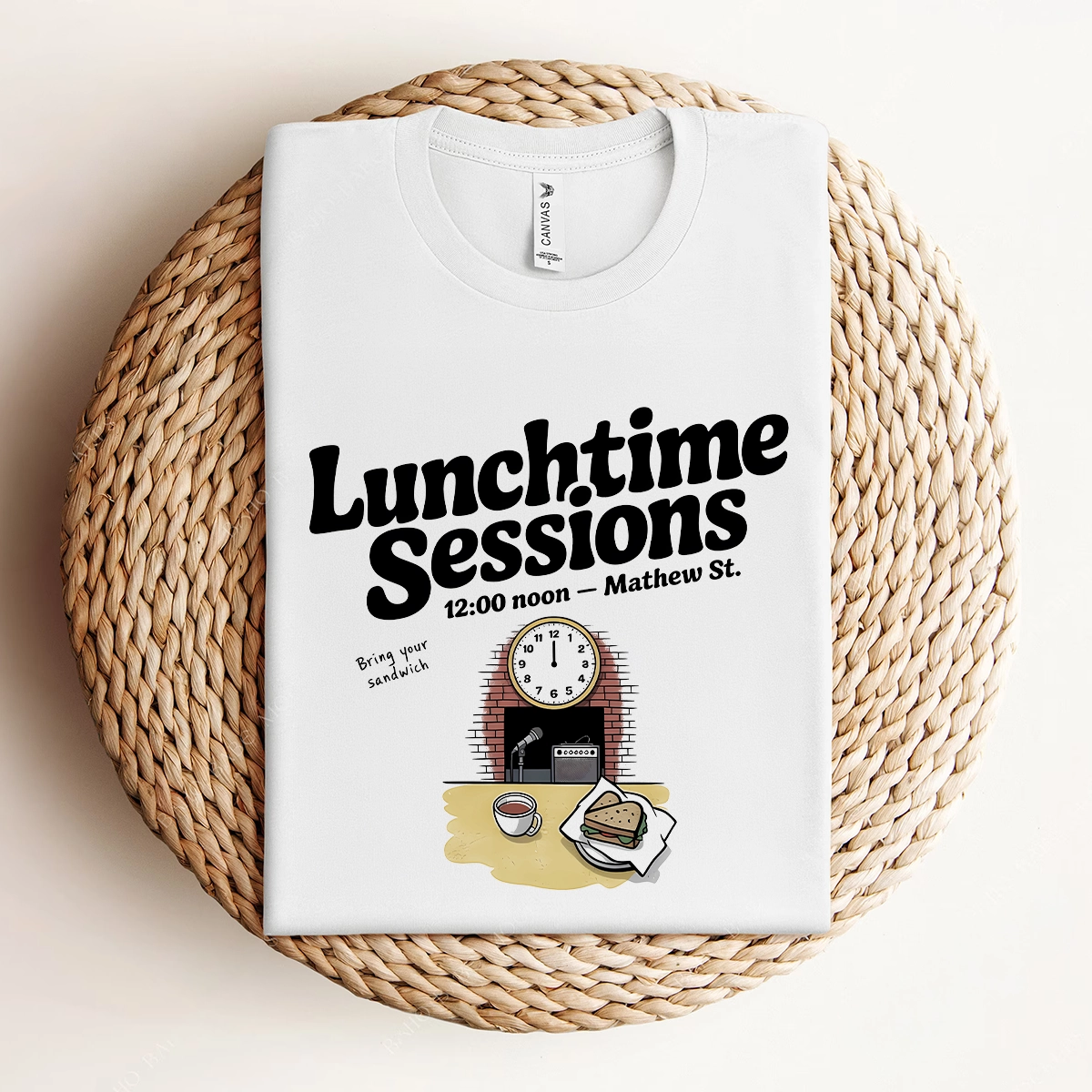
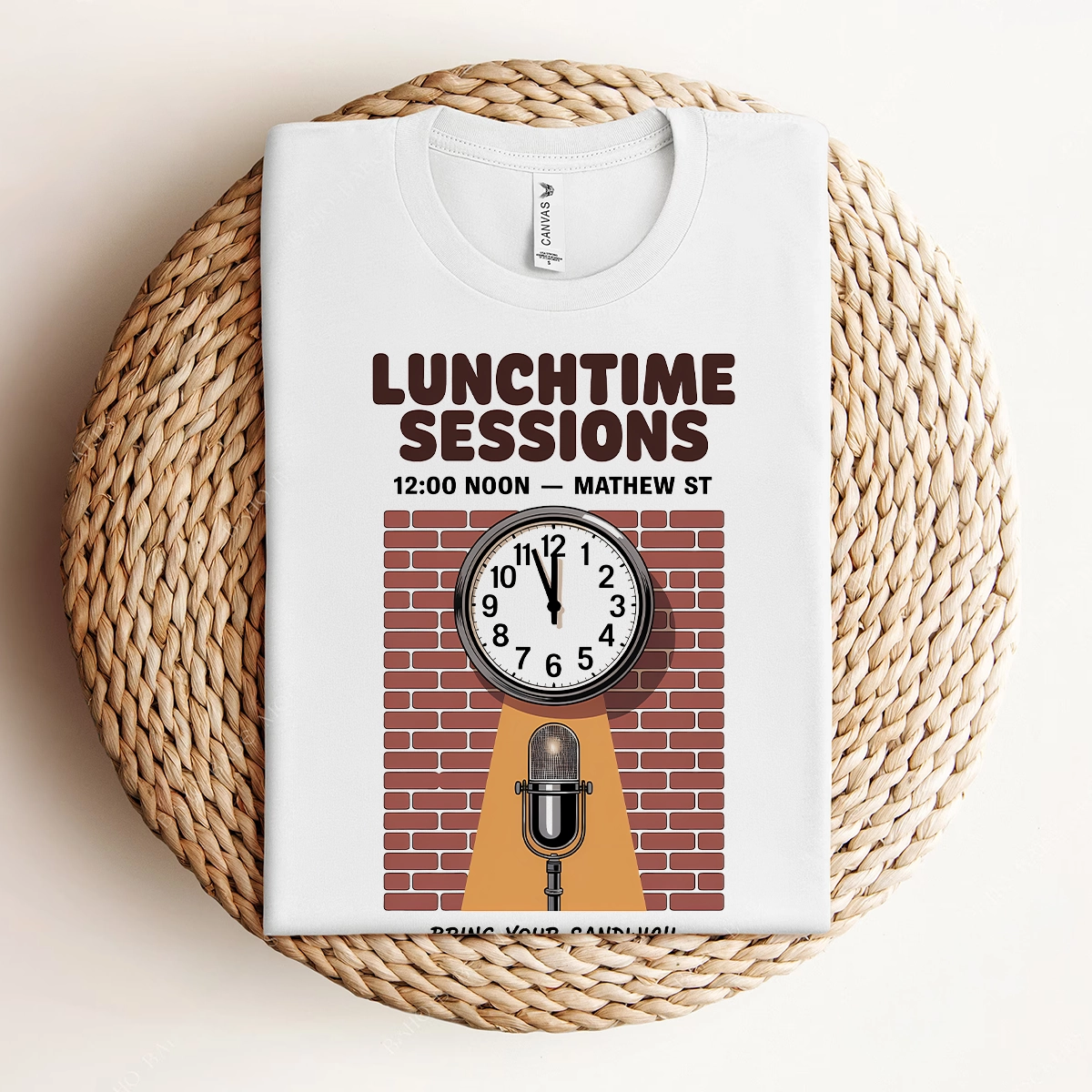
Lunchtime Sessions — 12:00 Noon Mathew Street Liverpool Tee
Design · 06

Lunchtime Sessions

12:00 noon. Office workers on their lunch break. Tea sandwiches and rock and roll.

The Cavern's famous lunchtime sessions ran from noon to 2:00 PM. Secretaries and shop girls would rush down the stone steps in their lunch breaks, eat egg sandwiches, and watch the band. They paid one shilling. They screamed. They got back to their office typewriters pink-cheeked and in love. This is how word of mouth started.

3 versions available
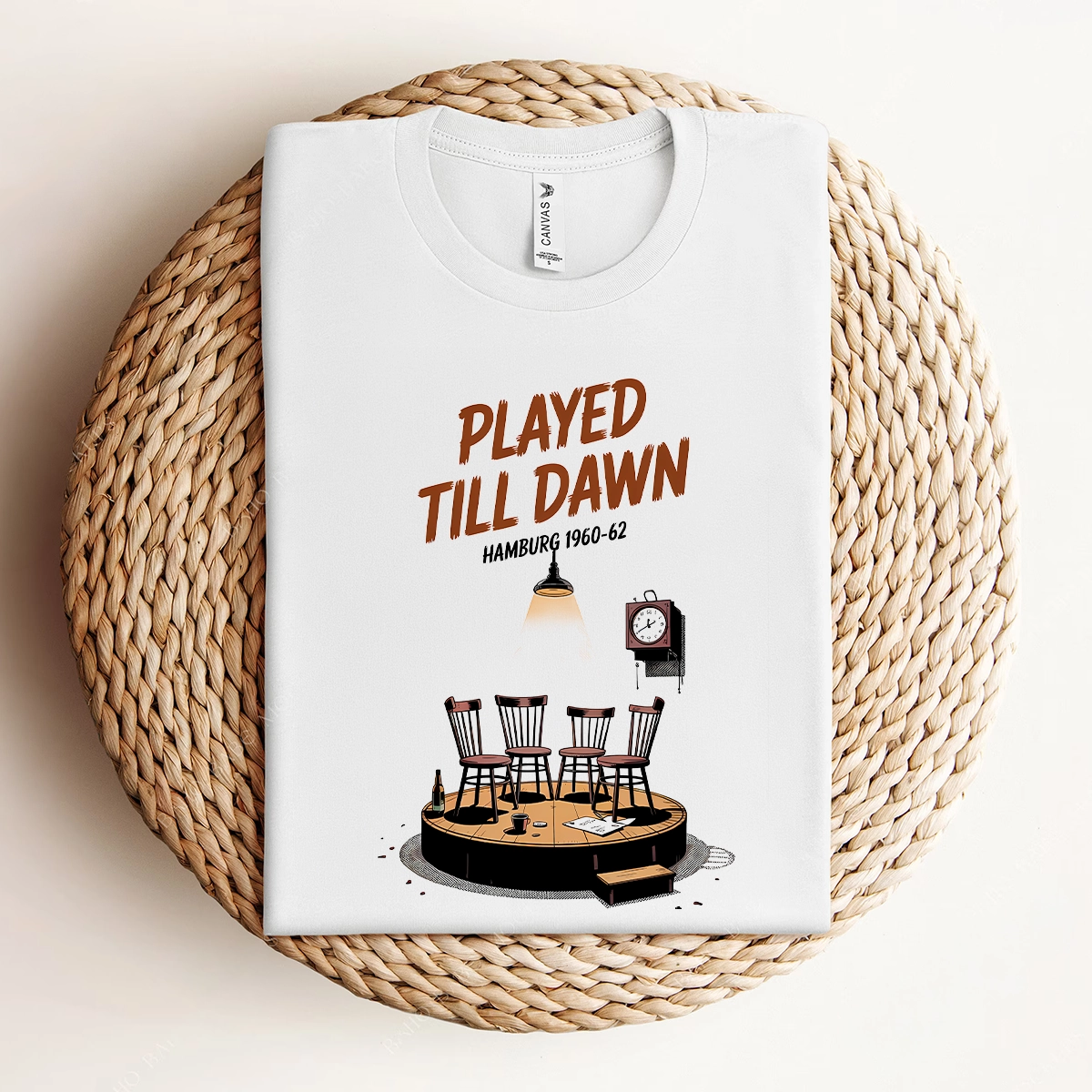
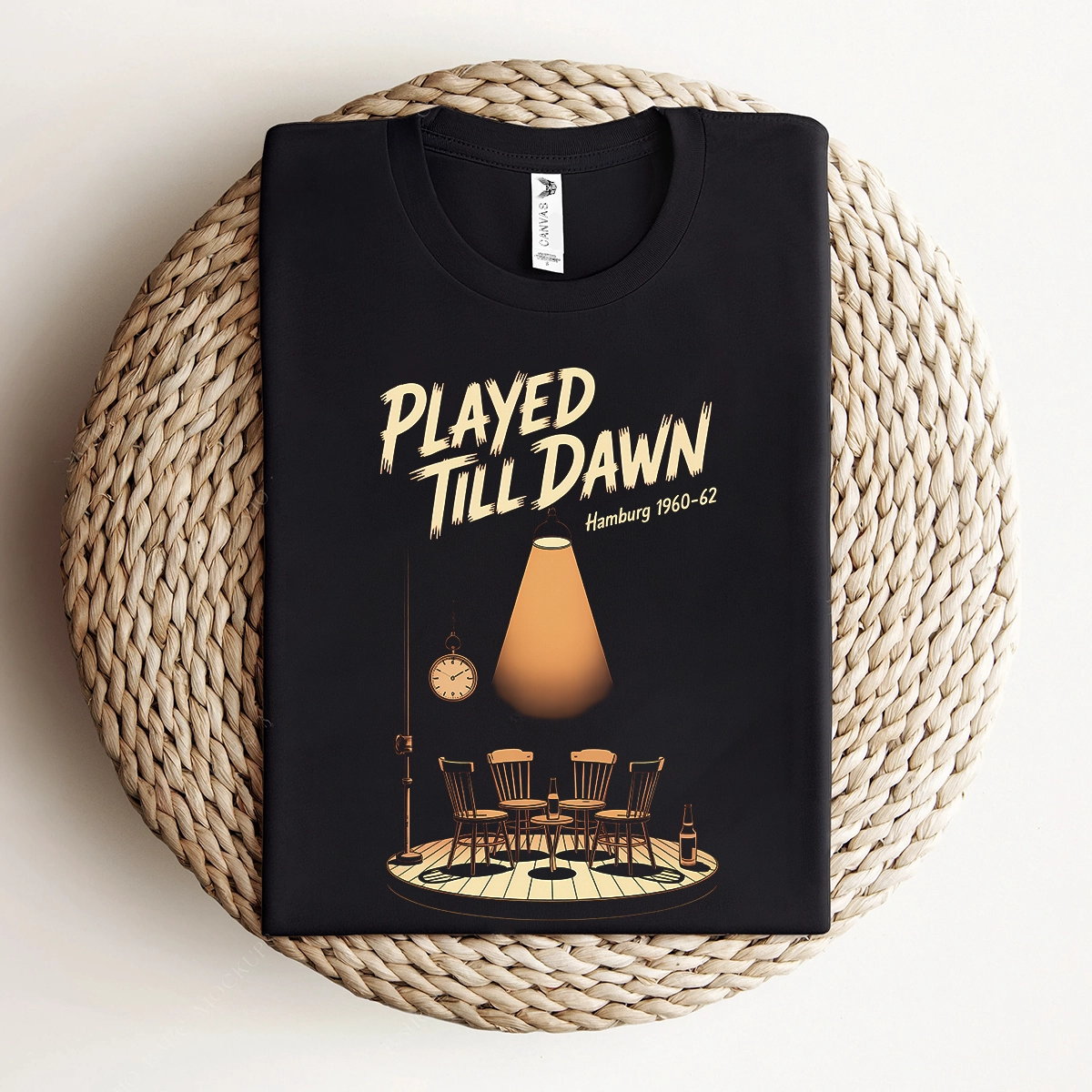
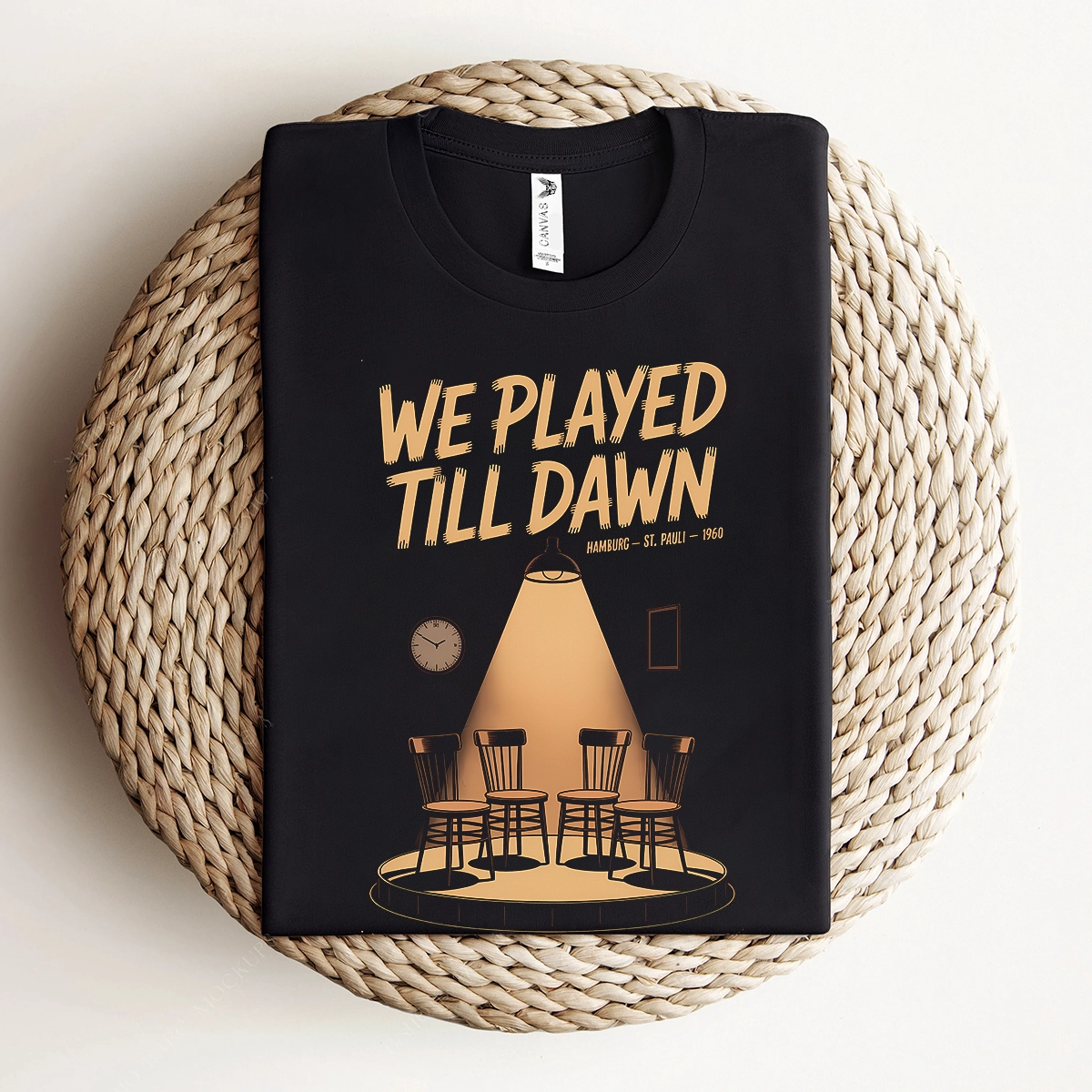
Played Till Dawn — Hamburg 1960 Late Night Rock Tee
Design · 07

Played Till Dawn

Hamburg. 4 AM. The band was still playing. The audience was just arriving.

The German club owners had a rule: "mach Schau" — "make a show." So they did. They jumped. They screamed. They insulted the crowd in broken German. They played American rock 'n' roll songs nobody in Hamburg had ever heard. And they kept playing until the sun came up over the Elbe and the morning fishermen walked past on their way to the docks.

3 versions available
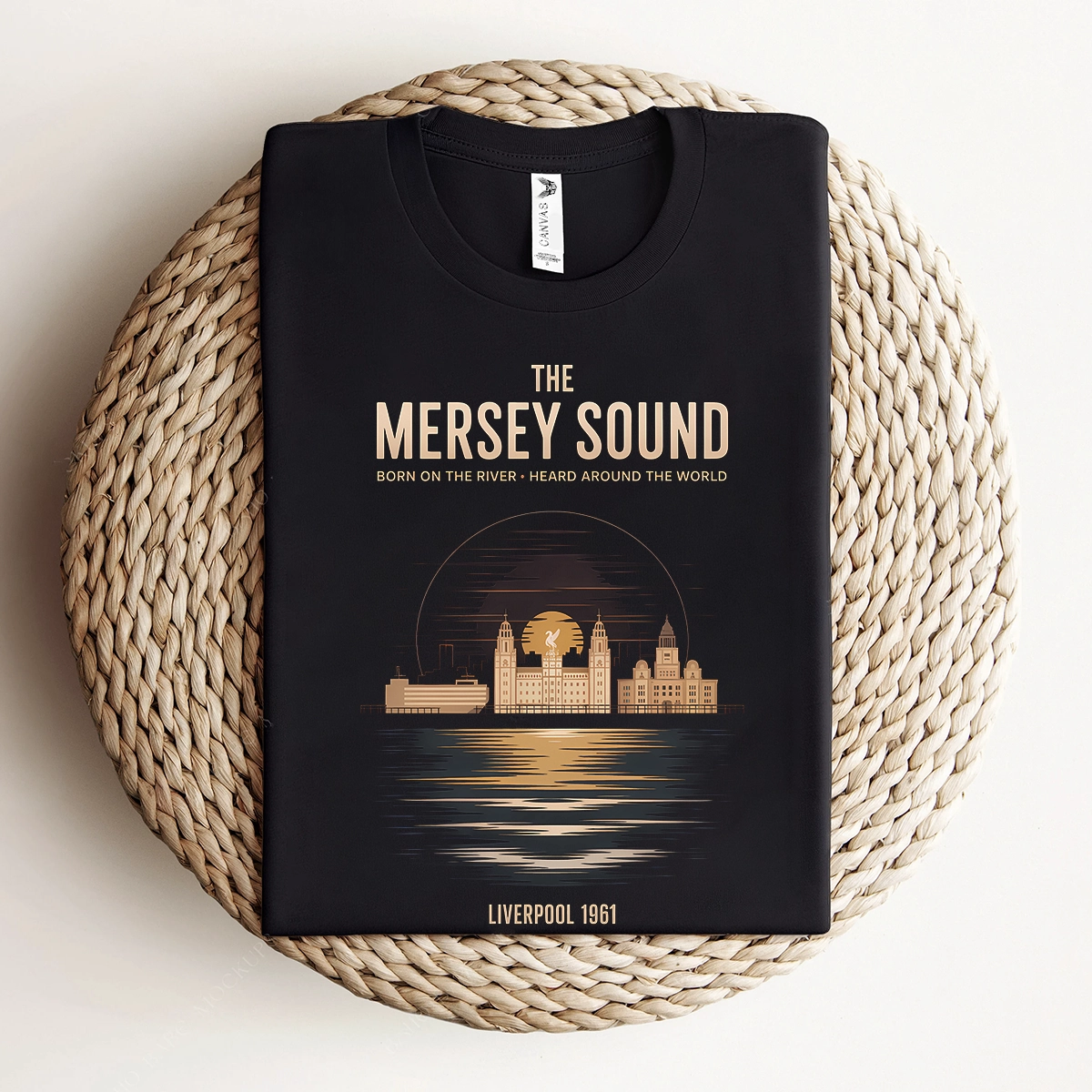
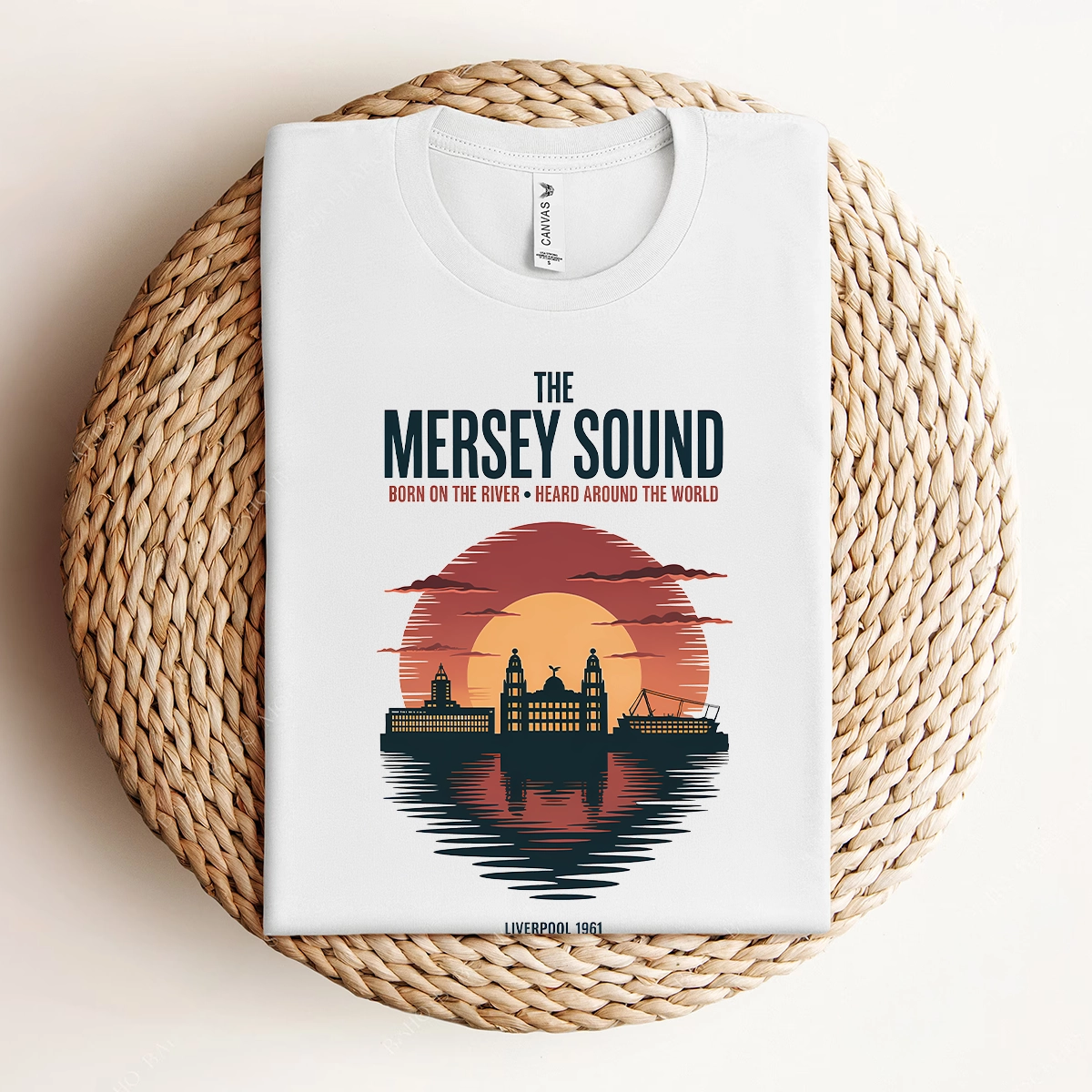
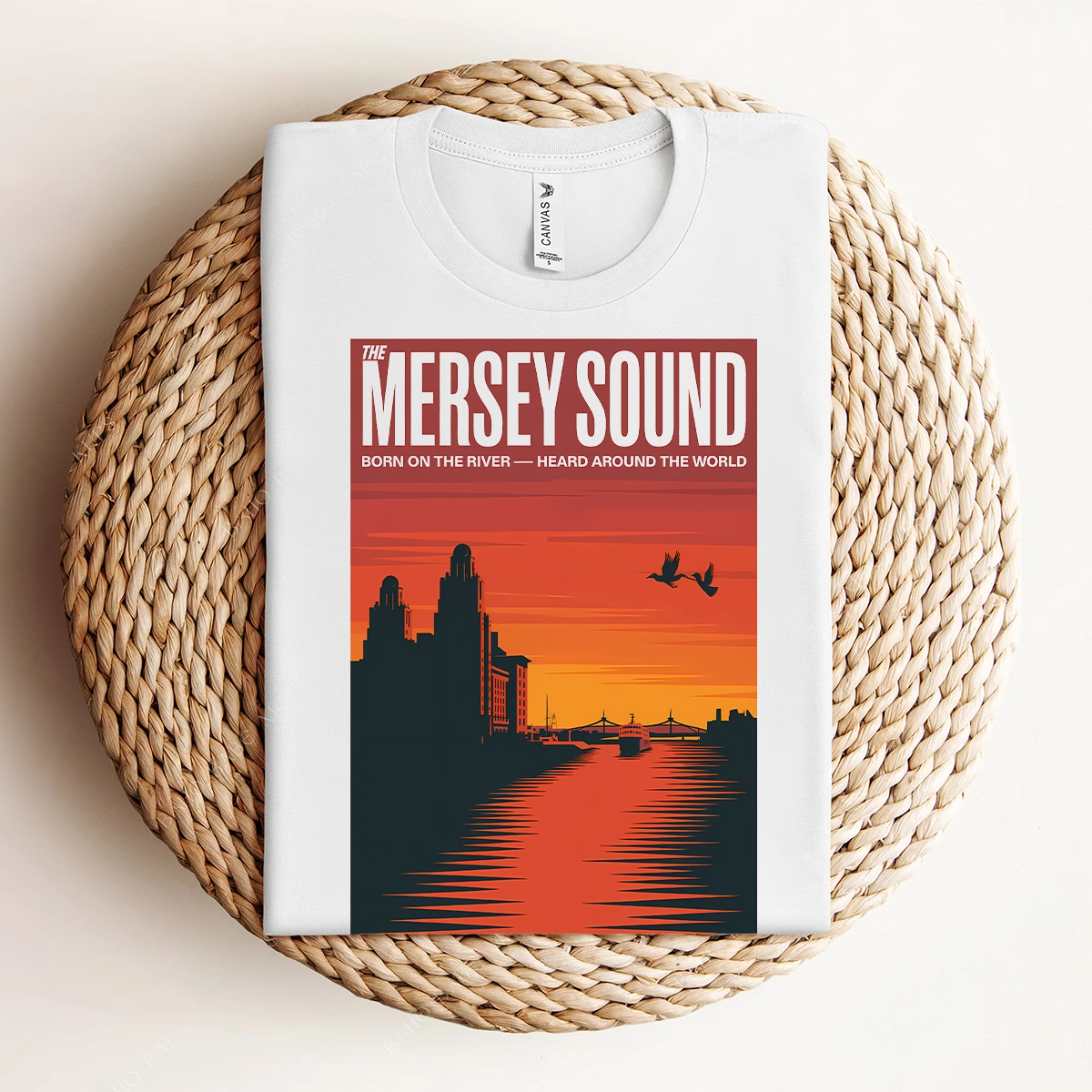
The Mersey Sound — Born on the River Liverpool Heritage Tee
Design · 08

The Mersey Sound

Born on the river. Carried out to the world.

Liverpool is a port city. For centuries, sailors brought American records back from New York and New Orleans — records nobody else in England could get. Chuck Berry. Little Richard. Buddy Holly. The kids in Liverpool grew up on this smuggled sound, and when they picked up guitars, they played it back louder, faster, and with a Scouse accent. The music press named it "The Mersey Sound" — and it conquered everything.

3 versions available
They Were Wrong — 1962 Rejected Underdog Rock Tee
Design · 09

They Were Wrong

January 1, 1962. Decca Records. The rejection heard around the world.

On New Year's Day 1962, they auditioned for Decca Records in London. Fifteen songs. Two hours. The A&R man, Dick Rowe, passed. His famous line: "Guitar groups are on the way out, Mr. Epstein." Within eighteen months, that sentence would be repeated in every music business meeting in the world as a cautionary tale. Rowe spent the rest of his life being asked about it.

3 versions available
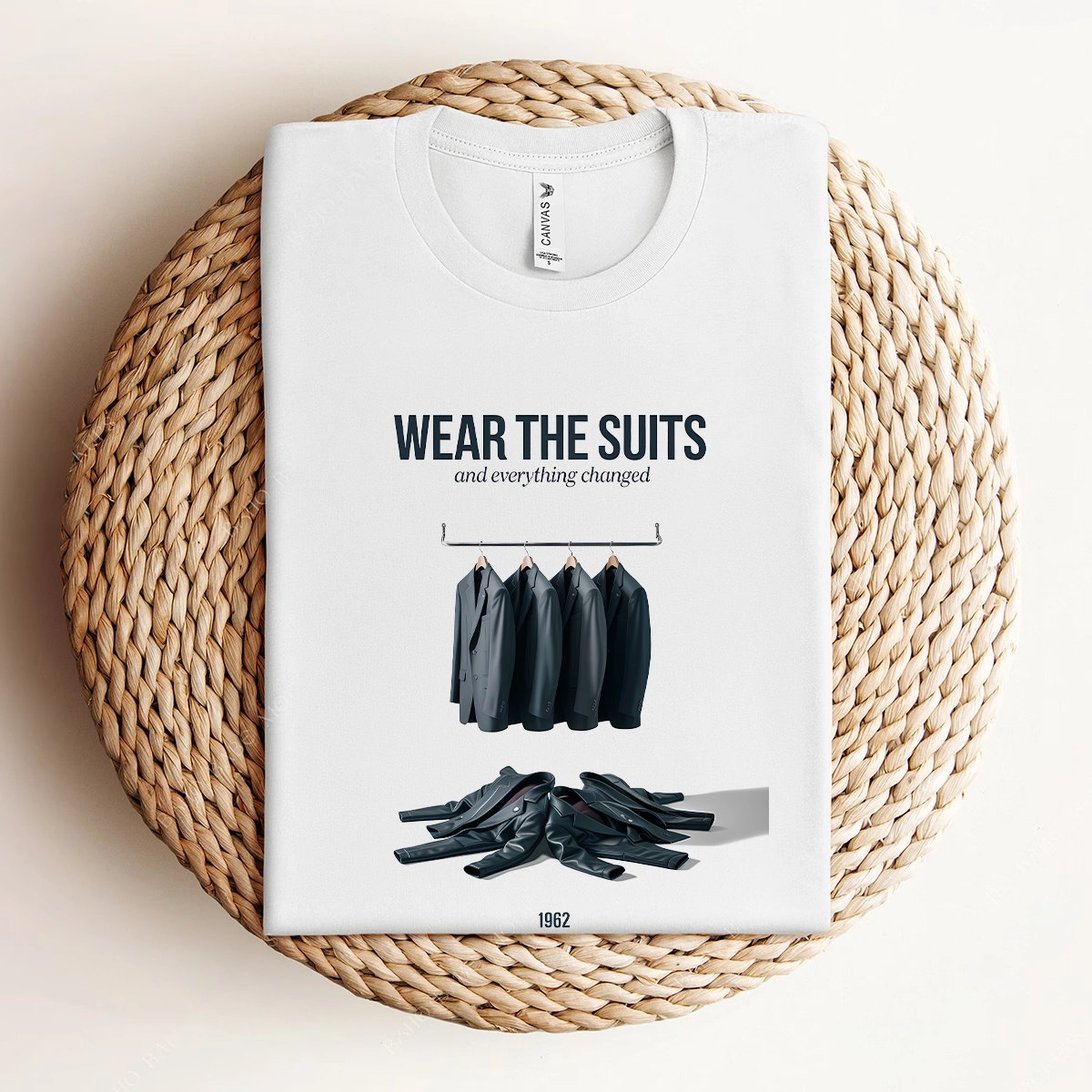
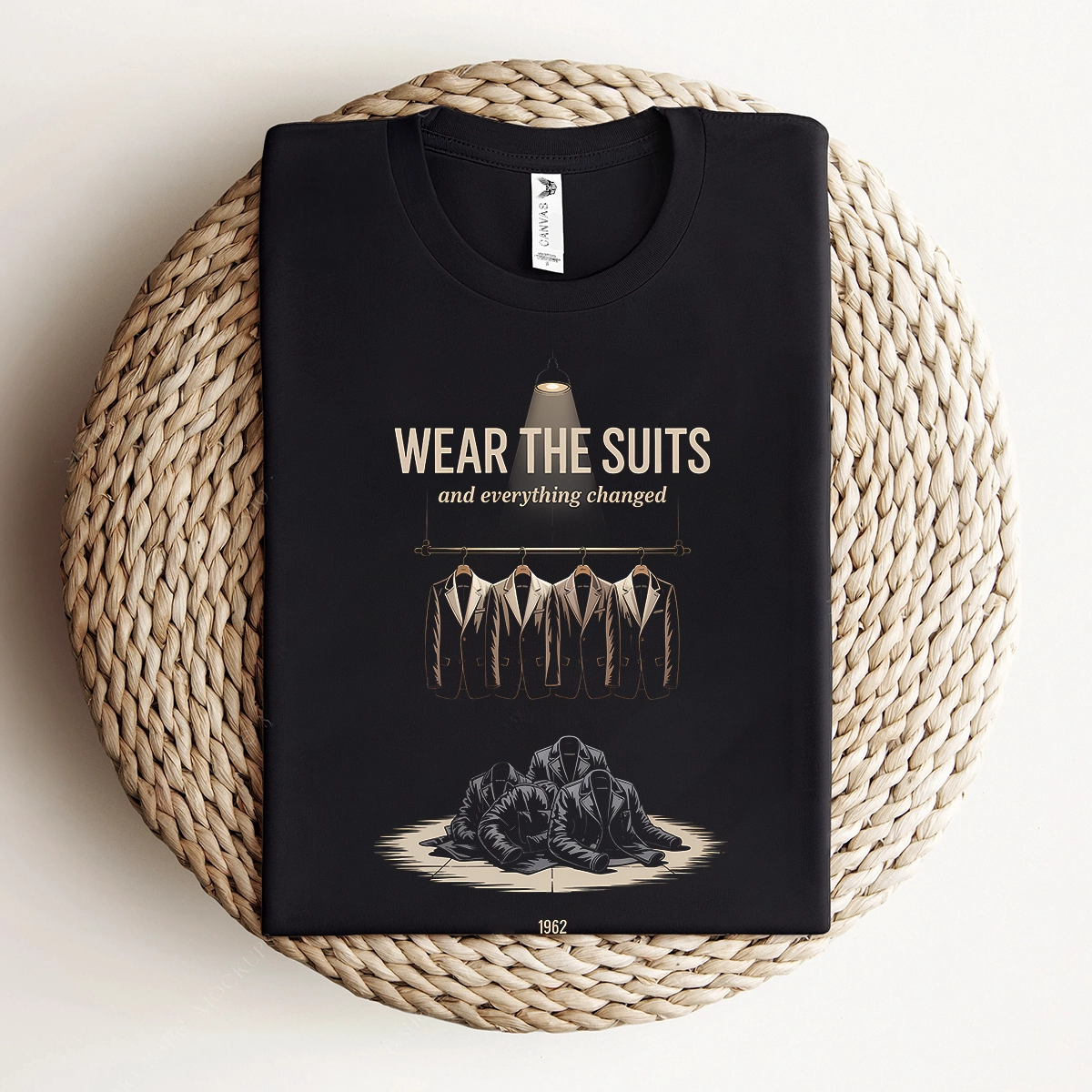
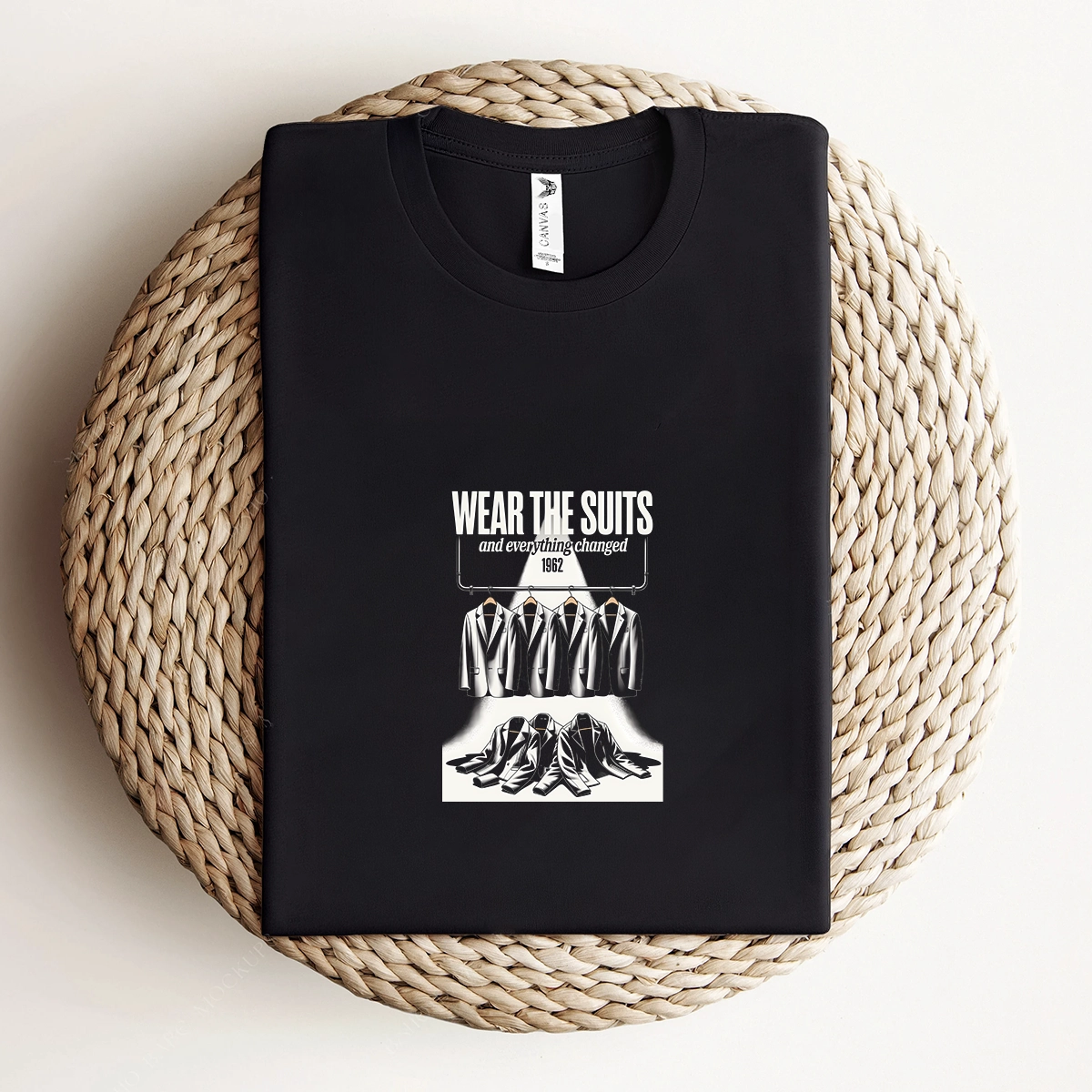
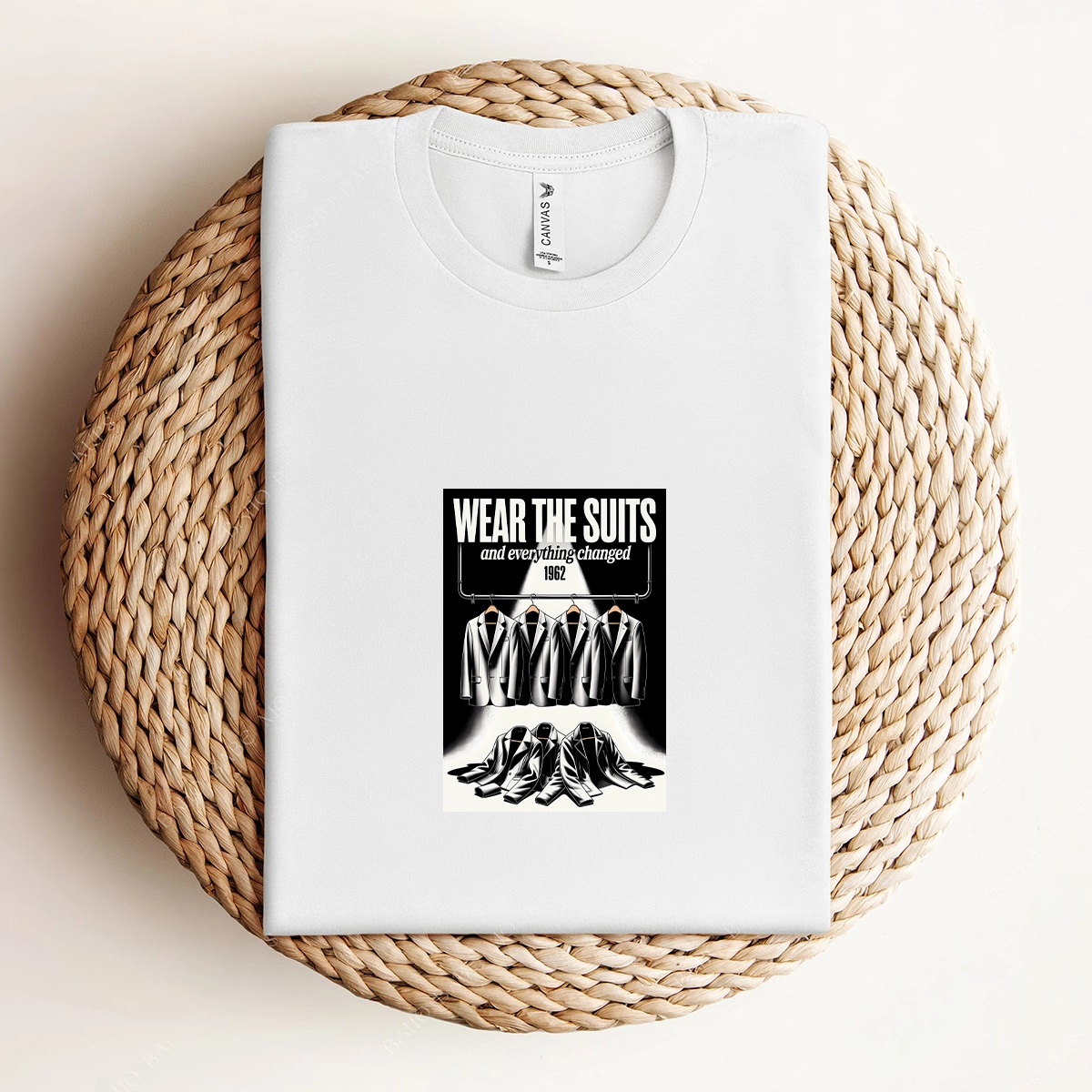
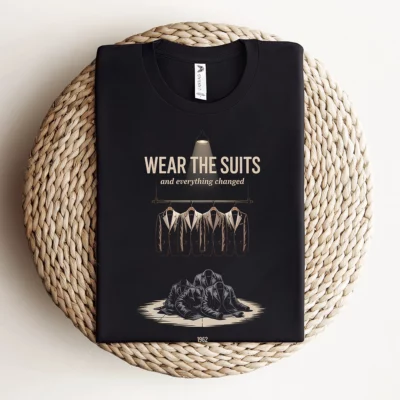
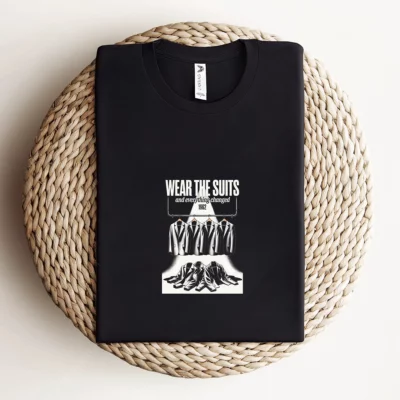
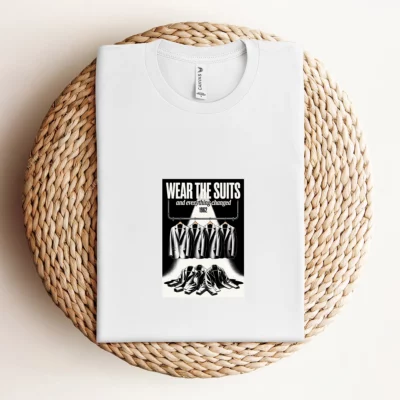
Wear the Suits — 1962 Transformation Rock Heritage Tee
Design · 10

Wear the Suits

1962. Brian Epstein made them wear matching suits. Nobody was happy about it.

Their new manager had one non-negotiable condition: stop swearing on stage, stop eating during performances, and wear matching suits. John hated it most of all — he called it "selling out." But Epstein knew what he was doing. Within six months of the transformation, they had a record deal with Parlophone and their first single in the UK charts. The leather days were over.

4 versions available
Shop the Chapter

All Designs from the Basement

Showing 31–36 of 36 results

Price range: $26.99 through $49.99